Truck Cement Mixer: Which Size Works Best?
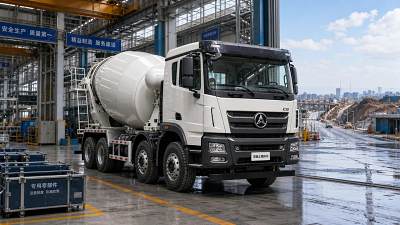
Choosing the right truck cement mixer size can directly affect jobsite efficiency, payload, and operating cost. For buyers comparing a truck cement mixer with options like dump truck for sale, excavator for sale, or excavator rental, understanding capacity, road conditions, and project scale is essential. This guide helps procurement teams, distributors, and evaluators identify the mixer size that best fits construction and transport needs.
How truck cement mixer size affects project efficiency
A truck cement mixer is not simply defined by drum volume. In procurement practice, the useful decision point is how drum capacity, chassis load rating, route condition, discharge time, and concrete demand work together. A mixer that looks larger on paper may underperform if local roads are narrow, site access is limited, or legal axle load rules reduce the usable payload.
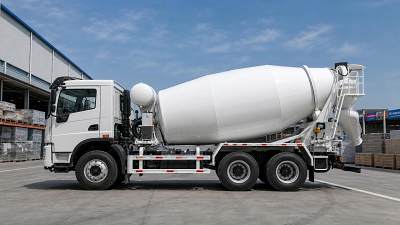
For most buyers, mixer trucks are often evaluated in the common capacity range of 3 m³ to 16 m³. Smaller units are usually selected for urban repair work, municipal jobs, and short-distance delivery. Mid-size units often serve commercial building projects. Larger units are more suitable for large infrastructure work, batching plant distribution, and higher daily pour volumes where route access is stable.
The right size also changes cycle efficiency. A project with 2–4 short trips per shift may benefit from a different configuration than a project requiring 6–10 deliveries across longer distances. If the mixer is too small, dispatch frequency rises and fuel, driver time, and queue delays increase. If it is too large, partial loads may waste operating cost and strain site maneuverability.
For information researchers and business evaluators, the key is to move beyond the question of “what is the biggest truck cement mixer available” and instead ask “which size matches the project’s actual delivery pattern.” That is the difference between a transport asset and a productive asset.
Typical size bands used in the market
Although exact specifications vary by manufacturer and region, buyers commonly organize truck cement mixer options into four working categories. This approach is useful when comparing sourcing offers across multiple suppliers on an international B2B platform.
This table is a practical starting point, not a fixed rule. A 6–8 m³ truck cement mixer may outperform a 10 m³ option if local bridges, gradients, or site entrances limit movement. Procurement decisions should always compare nominal capacity with real operating constraints.
Which truck cement mixer size fits which jobsite?
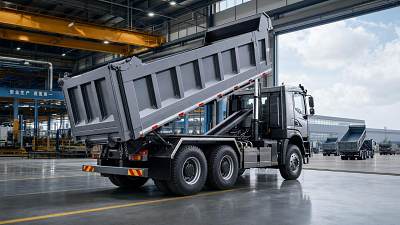
Application scenario is usually the fastest way to narrow size selection. Buyers in road transport equipment markets often source not only mixer trucks, but also dump truck for sale listings, excavator for sale options, and trailer equipment. The best mixer size should match the wider fleet plan, not be chosen in isolation.
For municipal and urban works, smaller mixer trucks can reduce congestion risk and improve access near residential or commercial zones. For mining-adjacent infrastructure, remote plant construction, or industrial parks, larger sizes may improve throughput if roads are open and unloading points are organized. On many sites, the productivity difference depends more on dispatch rhythm than on maximum drum size alone.
A useful planning method is to map the project into 3 variables: average daily concrete demand, one-way delivery distance, and site unloading delay. If unloading takes 20–40 minutes per trip and travel time is long, larger trucks may reduce cycle count. If traffic is unpredictable and waiting time is high, mid-size trucks can create a more resilient fleet schedule.
Distributors and agents should also consider end-user diversity. A local market may not support only one standard size. Carrying 2–3 mainstream capacity bands can improve match rate across contractors, municipal buyers, and concrete suppliers.
Scenario-based selection guide
The following comparison helps buyers translate project conditions into a realistic truck cement mixer choice.
In many tenders, a medium truck cement mixer remains the safest baseline because it suits more roads and more contractors. However, when fleet productivity is measured across a 6-month or 12-month project window, the lowest-risk option is not always the lowest-cost one. Matching size to cycle time is what protects margin.
Questions buyers should ask before finalizing the size
- What is the average one-way route distance: under 15 km, 15–40 km, or above 40 km?
- How many pours per day are expected during peak weeks, and how much queue time occurs at unloading points?
- Are there local axle, bridge, or municipal access restrictions that reduce effective payload?
- Will the mixer truck operate as a dedicated concrete unit or as part of a mixed fleet with dump trucks and support machinery?
Procurement guide: key specifications beyond drum capacity
A common mistake in truck cement mixer sourcing is over-focusing on cubic meter rating and under-checking the supporting hardware. For procurement teams, there are at least 5 critical checkpoints: chassis configuration, engine and transmission match, drum material, hydraulic system layout, and after-sales parts support. These factors influence uptime more than brochure capacity.
Chassis selection matters because mixer trucks operate under dynamic load. The same drum volume can be mounted on different axle arrangements depending on regional law and road category. Buyers should confirm gross vehicle weight compliance, turning needs, and whether the vehicle will operate mostly on paved roads, mixed terrain, or unfinished access roads.
The drum and mixing system should also be reviewed in practical terms. Ask about drum rotation speed range, discharge speed, water tank arrangement, and inspection access. In hot weather or long transit conditions, discharge consistency becomes more sensitive. A truck cement mixer serving 30–90 minute transport windows may require more attention to drum performance and maintenance access.
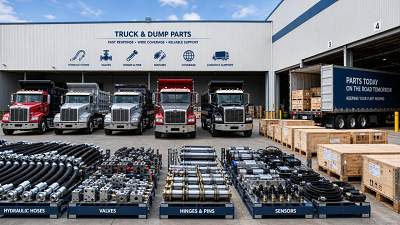
For international buyers and distributors, spare parts planning is another major factor. It is often more economical to source a slightly more standardized mixer truck if it ensures easier cross-border parts replacement within normal maintenance cycles such as monthly inspection, quarterly servicing, and annual overhaul review.
Specification checklist for evaluation teams
Use this selection table when comparing suppliers or requesting quotations through a commercial vehicle platform.
This checklist helps purchasing teams compare quotes on a common basis. It also supports distributor discussions with end users who need a clear explanation of why two mixer trucks with similar stated capacity may differ in long-term operating value.
A practical 4-step procurement process
- Define the job profile: site type, route distance, expected daily output, and unloading conditions.
- Shortlist 2–3 size bands and compare legal payload versus nominal drum volume.
- Request technical sheets, parts list, delivery lead time, and available configuration options.
- Review total ownership factors, including servicing intervals, operator training, and supply support.
Cost, alternatives, and fleet planning decisions
The purchase price of a truck cement mixer is only one part of the commercial decision. Fleet planners should compare acquisition cost, expected utilization, fuel use, maintenance frequency, tire wear, route delays, and dispatch productivity. A lower upfront price may become less attractive over 12–24 months if downtime or inefficiency increases trip cost.
This is especially relevant when a buyer is comparing a truck cement mixer with a dump truck for sale or reviewing whether a project should rely more on excavator rental and subcontracted concrete delivery. The right answer depends on whether the business needs direct control of concrete logistics or simply needs flexible construction support assets.
For recurring concrete transport, owning the correct mixer size can improve scheduling and reduce dependence on third-party fleet availability. For irregular or short-duration projects lasting 2–8 weeks, outsourced transport or local subcontracting may remain more practical. The decision should be based on utilization rate, not only equipment preference.
Distributors should also think in terms of product portfolio fit. A market with active residential construction may respond well to compact and medium mixer trucks. A market driven by highways, industrial parks, or public infrastructure may demand higher-capacity units and a stronger spare parts plan.
When to choose smaller, medium, or larger fleet strategy
- Choose smaller mixer trucks when access is restricted, projects are fragmented, and daily delivery volume changes frequently.
- Choose medium units when you need one fleet type to serve several contractor profiles across urban and suburban routes.
- Choose larger units when routes are stable, legal load conditions are known, and batching plant coordination supports high-volume dispatch.
- Use mixed fleets when customer demand spans municipal, commercial, and infrastructure segments and one size cannot maintain utilization across all contracts.
Common cost mistakes buyers should avoid
The first mistake is buying the largest truck cement mixer available without checking legal payload restrictions. The second is selecting a small mixer because the purchase price looks attractive, only to discover that labor, dispatch frequency, and delayed pours increase operating cost. The third is failing to confirm parts support for wear components that may require replacement during regular service cycles.
Another mistake is ignoring route reality. A vehicle that performs well on a flat plant-to-site corridor may not perform equally well on hilly roads, unfinished surfaces, or dense city access roads. In B2B procurement, a realistic route profile is often more valuable than a long features list.
Compliance, delivery timing, and sourcing risk control
When buying a truck cement mixer for cross-border trade or dealer distribution, compliance review should begin early. Even when a supplier offers a suitable capacity, buyers still need to confirm vehicle dimensions, axle arrangement, emission requirements, basic safety equipment, and documentation suitability for the destination market. These points can affect customs clearance and registration timelines.
Lead time is another practical factor. Depending on configuration complexity, sourcing cycle, and shipping route, a common commercial vehicle order may move through quotation, technical confirmation, production scheduling, inspection, and delivery in several stages. For many projects, early planning 4–10 weeks ahead reduces the risk of schedule pressure, especially when optional specifications are required.
Documentation should be checked with the same discipline as hardware. Buyers should request specification sheets, dimension details, parts lists, service references, and any standard compliance documents normally used in the target market. If the purchase involves dealer resale, localized documentation and multilingual support can improve downstream conversion and handover efficiency.
This is where a specialized B2B platform adds value. Instead of evaluating a single listing in isolation, buyers can compare suppliers, review category coverage across trucks, construction machinery, trailers, and spare parts, and align mixer truck selection with broader equipment sourcing strategy.
FAQ: buyer concerns that often affect final selection
Is a larger truck cement mixer always more economical?
Not always. A larger mixer can lower the number of trips, but only if roads, legal axle limits, unloading access, and project volume support it. If the truck often runs below capacity or faces route restrictions, a medium-size option may produce better cost efficiency over a month or a quarter.
What size is most versatile for dealers and distributors?
In many markets, 6–8 m³ units are the most versatile because they fit a wide range of building and municipal applications. They are often easier to place with contractors than very small or very large units. That said, local regulations and road conditions should still guide the final mix.
How long should buyers plan for technical confirmation and delivery?
A safe planning approach is to allow several stages: inquiry and comparison, technical confirmation, production scheduling, inspection, and shipping. The exact timing varies by market and configuration, but buyers with urgent projects should begin the process as early as possible and confirm documentation requirements before order finalization.
What should be compared when offers look similar?
Compare the usable payload, chassis suitability, service parts availability, drum system details, and documentation quality. Two truck cement mixer offers may look similar by capacity, but differ significantly in route compatibility, maintenance support, and long-term fleet cost.
Why work with our platform for truck cement mixer sourcing?
For buyers in the global road transport equipment sector, the challenge is rarely just finding a truck cement mixer. The real challenge is comparing suitable suppliers, understanding configuration differences, checking whether a mixer truck aligns with dump trucks, trailers, construction machinery, and spare parts planning, and reducing sourcing uncertainty across borders.
The Global Heavy Truck Industry Platform supports that process by connecting buyers, manufacturers, suppliers, distributors, and agents across the heavy truck supply chain. This gives procurement teams a more efficient way to screen product categories, compare supplier capabilities, review industry information, and narrow down the right equipment path for construction, logistics, mining, and infrastructure projects.
If you are evaluating truck cement mixer sizes, we can support practical discussions around 3 key areas: suitable capacity range for your route and job profile, matching chassis and configuration options, and expected supply factors such as documentation, parts support, and delivery planning. If you are a distributor, we can also help you assess which capacity bands are more suitable for your regional market demand.
Contact us to discuss product selection, technical parameters, delivery cycle, configuration comparison, certification-related documentation, spare parts planning, or quotation requests. Whether you need one truck cement mixer, a mixed fleet plan, or supplier screening support, our platform helps you move from initial research to more confident commercial decisions.
Trending News
- Are Energy-Saving Excavators Worth It for Long-Term Operations?
- Dump Truck Supplier With Quick Delivery: What to Verify First
- Choosing Commercial Vehicle Parts for Cold Storage Reliability
- How ISO Certification Reduces Supplier Risk in Heavy Truck Chassis
- Cab Chassis Truck for Fire Department: Key Fitment Points
Tag
Recommended News
 Truck Parts IndustryGermany Heavy Truck Parts Manufacturers: Quality and Supply RisksHeavy truck parts manufacturer in Germany selection guide: compare quality systems, traceability, testing, and supply risks to secure reliable truck parts sourcing.
 Truck Parts IndustryIrkeshtam Port’s 24-Hour Freight Clearance Boosts Exports to KyrgyzstanIrkeshtam Port’s 24-hour freight clearance slashes heavy-truck component clearance to <15 mins—boosting road transport equipment exports to Kyrgyzstan.
 Truck Parts IndustryHeavy Truck Parts for Construction: Which Components Fail Most OftenHeavy truck parts manufacturer for construction insights: discover which brake, suspension, filter, and drivetrain components fail most often—and how smarter sourcing cuts downtime and repair costs.
 Truck ReviewsLogging Truck Producer Comparison: Durability Issues That Affect UptimeLogging truck producer comparison guide: discover the durability issues that impact uptime, repair costs, and safety, and learn how to choose a truck built for harsh forestry transport.
 Truck Parts IndustryBulk Order Discounts on Truck Spare Parts: When Savings Become RiskTruck spare parts supplier with bulk order discounts: learn when lower prices increase downtime, quality, and inventory risk—and how to source smarter for reliable fleet performance.
 Truck Parts IndustryTruck Parts Wholesale: How to Balance Price, Quality, and Stock RiskTruck parts wholesale success depends on balancing price, quality, and inventory risk. Learn practical sourcing checks to protect margins, reduce dead stock, and choose reliable suppliers.
 Truck Parts IndustryHow OEM Services Reduce Downtime in Heavy Truck Parts SupplyHeavy truck parts manufacturer with OEM services helps cut downtime with accurate fit, faster lead times, and stable supply—discover smarter sourcing for fleet maintenance.
 Truck ReviewsTruck Tipper for Construction: When Payload Matters More Than PriceTruck tipper for construction buying guide: learn why payload, durability, and cycle efficiency matter more than price to cut costs, boost uptime, and improve site productivity.
 Truck Parts IndustryErenhot-Mongolia 24-Hour Freight Clearance Boosts Trucking EfficiencyErenhot-Mongolia 24-hour freight clearance slashes truck clearance time by 40%—boosting efficiency for auto parts, cold-chain & cross-border trucking.
 Truck Parts IndustryKazakhstan Extends Zero-Tariff for Truck Parts on China-Europe Rail Routes to 2027Kazakhstan extends zero-tariff for truck parts—including ADAS controllers, ECUs & T-BOX units—on China-Europe rail routes until 2027. Boost your logistics & export strategy now!
 Truck Parts IndustryHow Low-Maintenance Truck Spare Parts Reduce Downtime Over TimeTruck spare parts supplier with low maintenance solutions help fleets cut downtime, reduce repair frequency, and improve workshop efficiency. Discover how durable parts boost long-term truck performance.
 Truck ReviewsCrane Truck Manufacturer Comparison for Urban Lifting and Narrow SitesCrane truck manufacturer comparison for urban lifting: discover how to choose compact, safe, high-efficiency models for narrow sites, faster setup, and reliable support.
![]() Truck Parts IndustryHeavy Truck Parts Manufacturer for Construction: How to Judge Product ConsistencyHeavy truck parts manufacturer for construction selection starts with consistency. Learn how to judge batch stability, traceability, and quality control to reduce risk and improve fleet safety.
Truck Parts IndustryHeavy Truck Parts Manufacturer for Construction: How to Judge Product ConsistencyHeavy truck parts manufacturer for construction selection starts with consistency. Learn how to judge batch stability, traceability, and quality control to reduce risk and improve fleet safety. Truck ReviewsTruck Cement Mixer Manufacturer Comparison: Drum Design, Output, and ServiceTruck cement mixer manufacturer comparison guide covering drum design, real output, and after-sales service. Help your team compare suppliers, reduce sourcing risk, and choose with confidence.
 Truck ReviewsTruck Tipper Manufacturer Comparison: Build Quality Points That MatterTruck tipper manufacturer comparison guide: discover the build quality points that truly affect durability, payload stability, maintenance, and long-term operating cost.
 Truck ReviewsTruck Cement for Sale: How to Judge Value From Photos and Spec SheetsTruck cement for sale buyers can learn to judge true value from photos and spec sheets. Spot wear, compare capacity, and avoid costly mistakes before you contact sellers.
![]() Truck Parts IndustryTruck Parts Price in 2026: What Is Driving Replacement Cost HigherTruck parts price in 2026 is rising fast. Discover the key cost drivers, category risks, and sourcing tips buyers need to reduce replacement costs and make smarter purchasing decisions.
Truck Parts IndustryTruck Parts Price in 2026: What Is Driving Replacement Cost HigherTruck parts price in 2026 is rising fast. Discover the key cost drivers, category risks, and sourcing tips buyers need to reduce replacement costs and make smarter purchasing decisions. Truck Parts IndustryHow to Compare Truck Tipper Distributors by Parts Response TimeTruck tipper distributor comparison starts with parts response time. Learn how to assess stock speed, technical support, and supply reliability to cut downtime and choose the right partner.
 Truck Parts IndustryCommercial Vehicle Parts for Cold Storage: What Improves ReliabilityCommercial vehicle parts for cold storage that boost uptime, temperature stability, and fleet reliability. Learn which components reduce breakdowns and protect cargo in demanding cold-chain transport.
 Truck ReviewsLogging Truck Producer Comparison: Features That Matter in Tough TerrainLogging truck producer comparison for tough terrain: discover the features that impact traction, stability, durability, and uptime to choose the right forestry truck with confidence.
 Truck Parts IndustryTruck Parts Wholesale: How to Balance Price, Lead Time, and QualityTruck parts wholesale guide for distributors: learn how to balance price, lead time, and quality to reduce risk, protect margins, and choose suppliers with confidence.
 Truck Parts IndustryChoosing a Heavy Truck Parts Manufacturer in Germany for Stable SupplyHeavy truck parts manufacturer in Germany: learn how to compare suppliers by scenario, secure stable supply, reduce sourcing risk, and improve fleet uptime with smarter procurement decisions.
 Truck Parts IndustryAre Low-Maintenance Truck Spare Parts Suppliers Worth Switching ToIs a truck spare parts supplier with low maintenance worth the switch? Learn how better fitment, fewer failures, and reliable delivery can cut downtime and lower fleet service costs.
 Truck ReviewsLogging Truck Producer Comparison: Capacity, Durability, and ServiceLogging truck producer comparison guide covering capacity, durability, and service. Compare real-world fit, reduce fleet risk, and choose reliable suppliers for forestry transport.
 Truck ReviewsFlatbed Trailer Supplier With High Strength: What Really MattersFlatbed trailer supplier with high strength: learn how to assess materials, structure, compliance, and lifecycle value to choose reliable trailer partners with confidence.