Common Truck Cement Mixer Buying Mistakes
Buying a truck cement mixer without clear evaluation can lead to costly downtime, poor performance, and unexpected maintenance issues. For buyers comparing dump truck for sale options, checking dump truck price trends, or sourcing from a reliable truck parts manufacturer, understanding common purchasing mistakes is essential. This guide helps procurement teams, dealers, and market researchers avoid risks and make smarter heavy equipment decisions.
Why do buyers make costly mistakes when choosing a truck cement mixer?
In the road transport equipment sector, a truck cement mixer is not just a vehicle purchase. It is a working asset that affects delivery efficiency, concrete quality, fuel cost, and fleet utilization. Many buyers focus only on the initial quotation, but the real decision should include chassis suitability, drum capacity, hydraulic system reliability, spare parts supply, and local service response within the first 6–12 months of operation.
Mistakes often happen because procurement teams compare equipment from different suppliers without using the same checklist. One offer may include a stronger chassis, thicker drum steel, and export documentation, while another may appear cheaper but excludes these items. Without a structured comparison, buyers may underestimate operating cost over 2–5 years and overvalue a low headline price.
Another issue is cross-category confusion. Some buyers researching a dump truck for sale or monitoring dump truck price changes assume a mixer truck follows the same logic. In reality, cement mixers involve more system integration, including PTO matching, water supply, feed and discharge design, and drum rotation performance. A good transport truck is not automatically a good concrete transport solution.
For dealers, distributors, and business evaluators, the risk is even broader. A poor buying decision affects resale value, customer satisfaction, and brand reputation. This is why many international buyers now use digital B2B sourcing platforms to compare suppliers, review product categories, and evaluate commercial vehicle solutions across several markets before making a final decision.
- Price-only comparison hides long-term maintenance differences.
- Unclear operating scenarios lead to overspecification or underspecification.
- Weak supplier verification increases delivery and after-sales risk.
- Ignoring parts support can create downtime during peak construction periods.
The 4 most common decision gaps
Most buying errors can be traced to 4 decision gaps: unclear application, weak technical review, incomplete total cost analysis, and poor supplier assessment. When buyers close these gaps early, they reduce the chance of selecting a mixer truck that looks competitive on paper but fails in real jobsite conditions.
A practical procurement process should separate operational needs from commercial negotiation. First define payload, route condition, climate, and unloading frequency. Then compare configuration, compliance documents, and service support. This sequence is more reliable than negotiating price first and asking technical questions later.
Quick warning signs before you buy
Be careful if the supplier cannot explain drum material thickness, cannot confirm axle loading, cannot provide a spare parts list, or gives vague answers on lead time such as “as soon as possible.” In export trade, a normal lead time can vary from 3–8 weeks depending on stock, body building schedule, and shipping method. Vague answers usually indicate weak process control.
Which buying mistakes happen most often in cement mixer procurement?
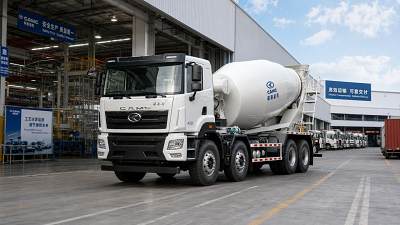
The most frequent mistake is choosing drum volume based on sales language rather than jobsite reality. A mixer truck used for urban municipal projects has different needs from one serving remote infrastructure or mining support roads. Typical configurations can range from compact urban units to medium and heavy-duty mixers, and buyers should always match the volume to route distance, loading cycle, and legal axle limits.
The second mistake is ignoring chassis and powertrain compatibility. Buyers sometimes evaluate only the upper body because it is the visible mixing system. However, poor engine torque matching, weak suspension, or an unsuitable wheelbase can reduce stability, increase tire wear, and make loading or discharge less efficient. This is especially important when road conditions include rough access roads, steep ramps, or frequent stop-and-go traffic.
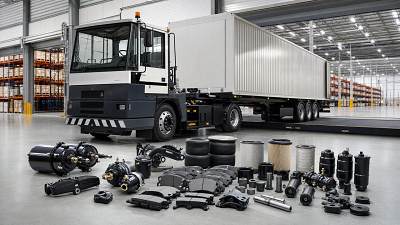
A third mistake is underestimating the after-sales chain. A mixer truck is a high-use commercial vehicle with wear items that may need replacement every few months depending on intensity. If a truck parts manufacturer or authorized supply partner cannot support hydraulic seals, rollers, blades, filters, and PTO components in a reasonable time, the operational impact can outweigh any procurement savings.
The fourth mistake is poor document review. Cross-border buyers often need packing lists, commercial invoices, technical specifications, and in some markets emissions or road compliance files. Missing or inconsistent documentation can delay customs clearance by several days or even weeks, affecting project schedules and dealer commitments.
The table below summarizes common truck cement mixer buying mistakes and the practical impact they create for procurement teams and distributors.
For serious buyers, the lesson is clear: a mixer truck should be evaluated as a system, not as an isolated body or a simple truck chassis. The lower the transparency in specifications, the higher the procurement risk.
How these mistakes affect different buyer groups
Information researchers need comparable data points. Procurement managers need stable supply and predictable operating cost. Business evaluators need commercial clarity on lifecycle value. Dealers and agents need products that can be resold with confidence. Although their priorities differ, all of them benefit from standardized product comparison and supplier screening.
This is where a specialized global heavy truck industry platform creates value. Instead of reviewing fragmented listings, buyers can compare multiple supplier categories, explore related road transport equipment, identify truck parts manufacturer options, and build a more complete purchasing picture before shortlisting suppliers.
What technical checks should buyers complete before comparing truck cement mixer prices?
A truck cement mixer quotation only becomes meaningful after technical verification. Buyers should review at least 5 key areas: chassis configuration, mixing drum specification, hydraulic system, water system, and maintenance accessibility. These checks are basic but often skipped during early supplier communication, especially when buyers are moving quickly between several truck and construction equipment categories.
The chassis review should include engine output range, axle arrangement, suspension type, tire specification, and wheelbase. If the truck is expected to run daily with full load over mixed road conditions, underpowered or poorly matched configurations can significantly affect durability. In many procurement cases, the best-value unit is not the cheapest one but the one with the strongest fit to actual transport conditions.
The upper body review should focus on drum capacity, rotation performance, feed and discharge efficiency, residual discharge behavior, and steel wear resistance. It is also useful to confirm whether replacement wear parts are standard market items or proprietary designs that may be harder to source. A standard parts strategy generally reduces service complexity for dealers and fleet operators.
Maintenance access matters more than many first-time buyers expect. Routine checks such as hydraulic inspection, lubrication points, and cleaning access may occur every week, every month, or after specific operating hours. A design that saves even 20–30 minutes per maintenance cycle can matter across a fleet of 10 or more units.
Use the following technical review table before comparing dump truck price references or mixer truck quotations from different suppliers.
This type of table helps buyers compare like for like. It also improves supplier discussions because each quotation can be checked against the same technical baseline instead of broad sales descriptions.
A simple 3-step pre-purchase review
- Define the operating scenario, including route length, daily load cycles, and road surface condition.
- Verify configuration details against chassis, upper body, parts support, and expected delivery time.
- Compare total cost, not only purchase price, over a 12–24 month service period.
This structured review is especially useful for buyers who are also comparing adjacent equipment types such as dump trucks, trailers, or other construction machinery. It prevents category assumptions from distorting mixer truck selection.
Where supplier capability really shows
A capable supplier can explain not only product specification but also application fit, spare parts planning, documentation flow, and shipping timeline. On a professional B2B platform, this information is easier to verify because buyers can review broader product portfolios, compare supplier responsiveness, and identify whether a company understands international heavy truck trade requirements.
How should buyers compare cost, lead time, and support instead of price alone?
A low quote can become an expensive purchase if the truck cement mixer has slow parts replacement, uncertain shipping schedules, or limited technical support. In practical procurement, total cost includes acquisition cost, freight, customs handling, spare parts inventory, maintenance labor, and operational loss during downtime. Even one unexpected stoppage during a high-demand project window can reshape the real economics of the purchase.
Lead time is another common blind spot. Buyers often ask for “fast delivery,” but they should break this into 4 stages: production confirmation, body assembly, inspection and document preparation, and shipping. Depending on stock condition and destination, the full cycle may range from 3–8 weeks or longer. Without a stage-based timeline, procurement plans remain too vague for serious project scheduling.
Support quality should also be measured before the order is placed. Does the supplier provide a consumables recommendation? Can they share a spare parts list? Do they support remote technical clarification for installation or commissioning issues? These points matter for distributors and agents who must support downstream customers after delivery.
For many buyers, using a specialized global heavy truck industry platform reduces search time because it combines product discovery, supplier comparison, industry insights, and buying guides in one sourcing environment. That is more efficient than switching between isolated product pages, manual email threads, and incomplete market data.
5 cost factors that should be reviewed together
- Initial equipment price, including whether export packing or accessories are included.
- Freight and customs-related costs, which vary by route, port, and trade terms.
- Recommended spare parts stock for the first 6–12 months of operation.
- Routine maintenance frequency, especially for hydraulic and wearing components.
- Downtime exposure if local service or replacement parts are slow to secure.
When these 5 factors are reviewed together, buyers gain a more reliable basis for comparing suppliers. This is particularly important when a procurement team also tracks dump truck price movement or considers alternative heavy transport equipment for related site tasks.
Typical signs of a better long-term offer
A stronger offer usually includes clear specifications, defined lead time windows, parts support guidance, and consistent export documentation. It may not always be the lowest initial price, but it tends to produce fewer surprises after shipment. In B2B procurement, predictability is often more valuable than aggressive discounting.
Dealers and agents should also evaluate resale support. If the supplier provides clear configuration data and product positioning, it becomes easier to market the truck to local contractors, logistics companies, and infrastructure operators. This shortens the sales cycle and reduces customer disputes.
What procurement checklist helps avoid risk in cross-border heavy equipment sourcing?
Cross-border sourcing adds commercial and compliance layers to normal equipment selection. Buyers should review at least 6 checkpoints before confirming a truck cement mixer order: technical specification, supplier identity, delivery scope, spare parts package, document set, and after-sales communication method. Missing any one of these can create avoidable delay or cost.
The document set should be reviewed early, not after production. Depending on destination and business process, buyers may need invoices, packing lists, technical sheets, serial number records, and shipping marks. Some markets also require emissions or road-use conformity references. Even when the seller is experienced, the buyer should verify local import expectations independently.
Spare parts planning deserves its own review. For a fleet project or dealership launch, many buyers prepare a first-stage parts package covering frequent wear items for the first 6–12 months. This reduces downtime and improves customer confidence. If no such plan exists, the operation may depend on urgent orders after the truck is already in service.
A professional global heavy truck industry platform supports this process by connecting buyers with manufacturers, suppliers, distributors, and parts resources across the heavy truck supply chain. It also helps buyers compare products across chassis, complete trucks, construction machinery, trailers, and spare parts categories, which is useful when fleet investment decisions involve more than one equipment type.
A practical cross-border buying checklist
- Confirm full configuration sheet, including chassis, mixer body, and optional accessories.
- Verify expected production and shipment timeline in 3–4 stages rather than one general estimate.
- Request a recommended spare parts list for launch inventory and routine service.
- Check what documents will be provided before shipment and at customs clearance.
- Clarify communication channels for technical questions after delivery.
- Compare supplier product range to assess whether they can support future expansion needs.
This checklist is useful not only for direct buyers but also for commercial evaluators who must approve vendor selection. It turns qualitative sales claims into operational checkpoints that can be documented and reviewed internally.
FAQ: questions buyers often ask before placing an order
Below are some of the most practical questions raised by procurement teams, dealers, and sourcing researchers when evaluating a truck cement mixer in the heavy truck market.
How do I know whether a cheaper mixer truck is actually a better deal?
Compare 3 layers: technical configuration, support scope, and operating cost over 12–24 months. If the lower quote excludes parts, uses a weaker chassis match, or creates longer downtime risk, it may not be the better deal. Ask suppliers to break down what is included and what is not.
What should I ask a truck parts manufacturer before confirming support?
Ask about consumable item availability, replenishment lead time, compatibility references, and whether common wear parts can be supplied in a first-order package. For fleet buyers, it is useful to plan parts consumption by month or quarter, especially during peak construction periods.
Is comparing a dump truck for sale and a truck cement mixer a valid shortcut?
Only at the chassis level, and even then only partly. A mixer truck includes additional system demands such as drum drive, discharge operation, and concrete quality control during transport. The purchasing logic overlaps in areas like axle load and chassis durability, but the application requirements are not the same.
What lead time should I expect for international sourcing?
Lead time depends on stock chassis, body building schedule, inspection, and shipping route. A common planning range is 3–8 weeks for production and preparation, plus transport time. Buyers should always ask for milestone-based updates rather than one overall promise.
Why choose us for truck cement mixer sourcing and supplier comparison?
For buyers in the commercial vehicle and road transport equipment sector, sourcing decisions are easier when product data, supplier access, and market insight are connected. The Global Heavy Truck Industry Platform is built for that purpose. It brings together manufacturers, suppliers, distributors, and buyers across the heavy truck supply chain, helping users compare options more efficiently and with better commercial visibility.
Instead of evaluating a truck cement mixer in isolation, you can review related product categories such as truck chassis and cab, complete trucks, construction machinery, trailers and semi-trailers, and spare parts. This is useful when your project involves multiple vehicle types, when you need a truck parts manufacturer for long-term support, or when you want to compare dump truck price movement alongside mixer truck sourcing.
Our platform also supports more informed procurement through industry news, market insights, global truck brand references, and professional buying guides. For procurement teams, that means shorter research cycles. For dealers and agents, it means better supplier discovery. For commercial evaluators, it means stronger documentation for vendor comparison and decision approval.
If you are planning to source a truck cement mixer, you can contact us to discuss configuration confirmation, product selection, expected delivery cycle, spare parts planning, certification or compliance questions, customization needs, and quotation comparison. This gives your team a practical starting point before entering supplier negotiation or final purchase approval.
What you can consult with us about
- How to compare truck cement mixer configurations from multiple suppliers.
- How to review chassis matching, drum specification, and service access points.
- How to estimate delivery timing across production, inspection, and shipment stages.
- How to prepare a first-stage spare parts package for 6–12 months of operation.
- How to compare related equipment categories, including dump truck for sale options and spare parts resources.
- How to organize supplier shortlisting for distributors, agents, and project procurement teams.
A better truck cement mixer purchase starts with better information. If you need support with specification review, sourcing strategy, supplier comparison, or quote evaluation, reach out through the Global Heavy Truck Industry Platform and move your buying process from guesswork to structured decision-making.
Trending News
- Are Energy-Saving Excavators Worth It for Long-Term Operations?
- Dump Truck Supplier With Quick Delivery: What to Verify First
- Choosing Commercial Vehicle Parts for Cold Storage Reliability
- How ISO Certification Reduces Supplier Risk in Heavy Truck Chassis
- Cab Chassis Truck for Fire Department: Key Fitment Points
Tag
Recommended News
 Buying GuideDump Truck Supplier With Quick Delivery: What to Verify FirstDump truck supplier with quick delivery: learn what to verify first, from factory credibility and capacity to compliance, landed cost, and after-sales support before you buy.
 Buying GuideCab Chassis Truck for Fire Department: Key Fitment PointsCab chassis truck for fire department selection starts with fitment. Learn key points on GVWR, wheelbase, PTO, safety, and body integration to improve uptime and response performance.
 Buying GuideHow to Evaluate a Heavy Truck Chassis Manufacturer With R&D CapabilityLearn how to evaluate a heavy truck chassis manufacturer with R&D capability using practical criteria for design, testing, customization, and long-term fleet value.
 Fleet ManagementDelivery Truck Supplier in USA: What Matters Most for Fleet ExpansionDelivery truck supplier in USA selection impacts uptime, cost, and fleet growth. Learn how to compare suppliers by route needs, service support, and long-term scalability.
 Buying GuideCost-Effective Delivery Truck Supply: What Low Price May Leave OutDelivery truck supplier with cost-effective solutions: learn what low prices may leave out, from compliance and after-sales support to lifecycle value, so you can source smarter and avoid hidden costs.
 FAQDelivery Truck for School Transportation: Safety Points Before OrderingDelivery truck supplier for school transportation: review key safety points before ordering, from braking and visibility to compliance and passenger protection.
 Buying GuideHow to Choose a Truck Trailer Distributor for Stable After-Sales SupportTruck trailer distributor selection starts with after-sales strength. Learn how to compare service networks, parts support, warranty response, and technical help for long-term uptime.
 Buying GuideWhat to Check Before Choosing a Truck Cement Mixer SupplierTruck cement mixer supplier selection starts with the right checks. Learn how to compare quality, compliance, delivery, and after-sales support to reduce risk and choose with confidence.
 Buying GuideBulldozer Price Guide: What Affects Cost Across Jobsite TypesBulldozer price guide for construction, mining, roadwork, and municipal projects. Compare key cost drivers, avoid overbuying, and source the right dozer with confidence.
 Fleet ManagementHow to Choose Commercial Vehicle Parts for Warehouse Fleet UptimeCommercial vehicle parts for warehouse fleets directly impact uptime. Learn how to choose durable, accurate-fit parts and reliable suppliers to reduce downtime and control maintenance costs.
 Buying GuideLogging Truck Supplier Selection: Durability Points That Matter in Tough TerrainLogging truck supplier selection starts with durability. Discover the key strength, traction, braking, and support factors that reduce downtime in tough terrain.
 FAQDump Truck Sourcing Mistakes That Delay Construction ProjectsDump truck sourcing mistakes can delay construction projects, raise hidden costs, and disrupt site schedules. Learn the key risks to avoid and source smarter for faster, more reliable project delivery.
 Buying GuideWhat Makes a Delivery Truck Supplier Suitable for School TransportationDelivery truck supplier for school transportation: learn how to assess safety, compliance, body design, and after-sales support for urban, rural, and school logistics needs.
 Buying GuideHow to Plan a Semi Trailer Bulk Order Without Costly Specification MistakesSemi trailer bulk order planning starts with the right specs. Learn how to avoid costly mistakes, compare suppliers wisely, and secure compliant, fleet-ready trailers.
 Fleet ManagementWhy a Light Duty Truck Manufacturer in USA Still Matters for Fleet ReliabilityLight duty truck manufacturer in USA choices still shape fleet uptime, parts access, and lifecycle value. See what buyers should compare for more reliable operations.
![]() Buying GuideFlatbed Trailer Supplier for Logistics Transportation: What to Check Before OrderingFlatbed trailer supplier for logistics transportation: learn what to check before ordering, from load capacity and compliance to customization and supplier reliability.
Buying GuideFlatbed Trailer Supplier for Logistics Transportation: What to Check Before OrderingFlatbed trailer supplier for logistics transportation: learn what to check before ordering, from load capacity and compliance to customization and supplier reliability. FAQIs a Bulldozer for Construction the Right Fit for Your Site ConditionsBulldozer for construction: learn how terrain, soil, slope, and job size determine the right machine fit. Compare site conditions, avoid costly mismatches, and choose with confidence.
![]() Buying GuideBulldozer Price Guide: What Changes the Final Cost MostBulldozer price explained for finance buyers: compare size, brand, used vs. new, shipping, and service factors that shape total cost and smarter budget decisions.
Buying GuideBulldozer Price Guide: What Changes the Final Cost MostBulldozer price explained for finance buyers: compare size, brand, used vs. new, shipping, and service factors that shape total cost and smarter budget decisions. Buying GuideChoosing a Truck Cement Mixer Supplier for Stable Long-Term OperationTruck cement mixer supplier selection affects uptime, parts access, and lifecycle cost. Use this practical checklist to compare suppliers and choose reliable equipment for stable long-term operation.
 FAQDump Truck OEM Quality Control Points Before Factory AcceptanceDump truck OEM quality control points before factory acceptance: learn the key checks for welding, hydraulics, brakes, and safety to reduce risk, avoid failures, and choose reliable suppliers.
 Buying GuideHow to Shortlist a Water Truck Supplier for Municipal ContractsWater truck supplier shortlist guide for municipal contracts: compare compliance, chassis reliability, service support, and lifecycle value to choose with confidence.
 FAQTruck Trailer Bulk Order: How to Avoid Spec Drift Across BatchesTruck trailer bulk order quality can fail when specs drift across batches. Learn how to lock standards, align suppliers, and protect safety, compliance, and delivery consistency.
 Used Truck MarketSemi Trailer Wholesale: Which Specs Matter Most for Resale ValueSemi trailer wholesale buyers: learn which specs most influence resale value, from axle layout to payload, materials, and parts compatibility—make smarter, higher-margin sourcing decisions.
 FAQWhat a Dump Truck Distributor Should Offer After Vehicle DeliveryDump truck distributor support matters after delivery. Learn what to expect in spare parts, warranty, training, and technical service to reduce downtime and protect your investment.
 Fleet ManagementHow to Plan a Dump Truck Bulk Order for Multi-Site ProjectsDump truck bulk order planning for multi-site projects made simple. Learn how to balance specs, delivery, support, and total cost for smarter fleet decisions.