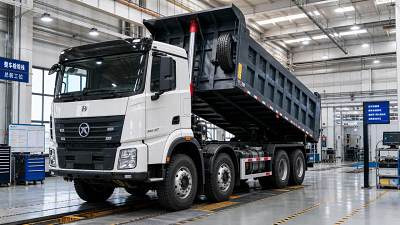
Truck Tipper for Sale: Key Specs to Compare
Looking for a reliable truck tipper for sale? This guide highlights the key specs buyers should compare, from payload capacity and engine performance to body design and dump efficiency. Whether you are evaluating dump truck for sale options, checking dump truck price, or sourcing from a trusted truck parts manufacturer, understanding these factors can help procurement teams, distributors, and project planners make smarter commercial decisions.
When buyers search for a truck tipper for sale, they are usually not just browsing product listings. They want to know which specifications actually affect transport efficiency, operating cost, durability, and long-term return on investment. For procurement teams, distributors, and commercial evaluators, the real question is simple: which truck tipper configuration best fits the job, the road conditions, and the budget without creating avoidable maintenance or compliance risks?
The most useful way to compare dump truck for sale options is to move beyond headline figures and evaluate the truck as a working system. Payload, axle layout, engine output, tipping body design, hydraulic performance, chassis strength, serviceability, and spare parts support all matter. A lower dump truck price may look attractive at first, but if the truck has poor cycle efficiency, weak structural durability, or limited parts availability, the total ownership cost can quickly rise.
What buyers really need to compare first
Before comparing brands or negotiating price, define the operating scenario. A truck tipper used for urban construction spoil, quarry aggregate, mining haul support, or infrastructure material transport will need different specifications. Buyers should first clarify:
- Typical load type: sand, gravel, ore, demolition waste, asphalt, soil, or mixed materials
- Average haul distance and road quality
- Required legal payload and axle limits in the destination market
- Frequency of loading and unloading cycles per day
- Climate, gradient, and off-road working conditions
- Local service access and spare parts availability
This first step matters because the best truck tipper for sale is not always the one with the biggest engine or the largest body. It is the one matched to the actual duty cycle. Over-specification increases acquisition and fuel cost, while under-specification leads to downtime, overloading risk, and shorter service life.
Payload capacity and axle configuration affect profitability directly
For most commercial buyers, payload capacity is the first specification to review because it has a direct effect on revenue per trip. However, the useful comparison is not just rated payload on paper. Buyers should check how payload relates to axle layout, curb weight, legal compliance, and body volume.
Common axle configurations include 4x2, 6x4, 8x4, and specialized heavy-duty layouts. In many markets:
- 4x2 may suit lighter urban or short-haul applications
- 6x4 is widely used for general construction and medium-heavy transport
- 8x4 is often preferred for higher payload demand and site work
A larger axle configuration can improve carrying capacity and traction, but it also adds vehicle weight, complexity, tire cost, and fuel consumption. Buyers should compare gross vehicle weight rating, legal payload in the target country, and body capacity together. A high-volume body is only valuable if the truck can legally and safely carry the material density involved.
For example, low-density materials may require larger body volume, while dense aggregates may hit axle limits before the body is full. This is a key reason why professional procurement teams compare both cubic capacity and tonnage suitability rather than relying on a single number.
Engine, transmission, and driveline specs determine working efficiency
Engine horsepower is one of the most visible specifications in any dump truck for sale listing, but buyers should compare the full powertrain instead of power alone. A tipper truck working on steep grades, muddy construction roads, or quarry routes needs sufficient torque, durable transmission matching, and reliable drivetrain components.
Key points to compare include:
- Horsepower and torque range
- Engine displacement and emission standard
- Manual or automated transmission options
- Gear ratio suitability for loaded starts and climbing
- Fuel economy under real load conditions
- Cooling system capacity for hot climates or heavy-duty cycles
Many buyers make the mistake of choosing only by headline horsepower. In reality, torque delivery at working rpm, gearbox matching, and final drive ratio often matter more for loaded performance and fuel use. For fleet operators and distributors, a well-matched driveline typically delivers better uptime and lower operational cost than an oversized but inefficient engine package.
It is also important to verify whether the engine platform is widely supported in the local market. Even a technically strong truck can become difficult to operate economically if filters, injectors, seals, clutch parts, or electronic components are hard to source from a dependable truck parts manufacturer or service network.
Body design is critical when comparing a truck tipper for sale
The tipping body is where job suitability becomes very practical. Body design influences load release efficiency, resistance to wear, center of gravity, and service life. Buyers should compare the body not just by dimensions, but by material quality and intended application.
Main body factors include:
- Body volume and internal dimensions
- Steel grade and floor/sidewall thickness
- U-shaped or rectangular body design
- Resistance to abrasion and impact
- Tailgate structure and sealing quality
- Anti-corrosion treatment and paint quality
For sticky or wet material, a U-shaped body may improve discharge and reduce material retention. For mixed general construction work, rectangular bodies may still be preferred depending on loading habits and local fleet standards. Mining or aggregate applications often require stronger wear plates and reinforced structure to withstand severe impact and abrasive loads.
Buyers should also assess whether the body is optimized for safe unloading. Poor body design can increase the risk of uneven discharge, rollover during tipping, or excessive carryback that reduces cycle efficiency. This is especially important for high-frequency work sites where every unload cycle affects daily productivity.
Hydraulic tipping performance matters more than many buyers expect
Hydraulic performance is often under-checked during procurement, yet it has a major impact on unloading speed, operational safety, and maintenance frequency. A truck tipper for sale should be evaluated for the quality and specification of its hydraulic system, not just whether it can lift the body.
Important checkpoints include:
- Hydraulic cylinder type and brand
- Lifting capacity under full load
- Tipping angle
- Raise and lower cycle time
- Hose, seal, and valve durability
- System stability during repeated operation
Fast and stable tipping improves cycle efficiency, particularly in quarry, municipal, and construction operations. A slow or unstable hydraulic system increases unloading time and can create safety issues in uneven ground conditions. Commercial buyers should ask suppliers for actual working data or customer references instead of relying on generic brochure claims.
If the truck will operate in cold climates or very dusty regions, hydraulic system protection and seal quality become even more important. Frequent seal failure or contamination can quickly offset any initial savings in dump truck price.
Chassis strength, suspension, and braking influence durability and safety
In real-world operation, durability depends heavily on the chassis and running gear. Buyers comparing dump truck for sale options should review frame reinforcement, suspension type, brake system performance, and ground clearance for the intended route conditions.
- Frame rail size and reinforcement design
- Leaf spring or heavy-duty suspension setup
- Front and rear axle load rating
- Brake type, retarder availability, and thermal performance
- Tire specification and site suitability
- Turning radius and maneuverability for confined job sites
For rough roads and overloaded working habits common in some regions, chassis and suspension robustness should be given extra weight in the buying decision. A lower-cost truck may perform acceptably in light duty but fail prematurely in severe conditions. Procurement teams should request data on frame material, axle brands, and known service life under comparable operating scenarios.
Braking should not be treated as a secondary feature. On downhill routes, in mining support operations, or on congested urban construction roads, dependable braking and load stability protect both assets and operators. This is not only a technical matter but also a business risk issue.
Cab comfort and driver usability also affect fleet performance
For buyers focused on pure specifications, cab features may seem less important than payload or engine output. But for commercial fleets, driver comfort, visibility, and control layout directly affect fatigue, productivity, and retention. A truck that is difficult to operate or uncomfortable in long shifts may underperform even if its technical specifications look strong.
Useful points to compare include:
- Visibility from the driving position
- Seat quality and suspension
- Air conditioning and cabin insulation
- Dashboard clarity and control ergonomics
- Ease of entry and exit on construction sites
- Safety features such as cameras, alarms, and stability aids
For distributors and agents, these usability details can also influence resale attractiveness and customer satisfaction. In many markets, fleets increasingly prefer trucks that support both productivity and operator comfort, especially where driver shortages are a growing challenge.
How to assess dump truck price beyond the initial quote
Many buyers search for dump truck price with the goal of comparing offers quickly, but the purchase price alone never gives a complete commercial picture. A more useful comparison is total cost of ownership over the expected service period.
Buyers should estimate:
- Initial purchase cost
- Fuel consumption
- Maintenance intervals and common wear parts cost
- Tire life under expected load and road conditions
- Hydraulic and body repair frequency
- Downtime risk
- Residual value or resale potential
In many cases, a truck with a slightly higher upfront price offers lower life-cycle cost because it consumes less fuel, needs fewer structural repairs, and has better parts support. This is especially relevant for procurement teams evaluating multi-unit purchases, where even small differences in operating cost can become significant across the fleet.
Buyers should also clarify warranty scope, excluded items, and the actual response capability of the supplier. A low quote with weak after-sales support can become expensive very quickly once the truck enters service.
Supplier reliability and spare parts support can decide the real value
For international B2B buyers, supplier evaluation is just as important as product specification. Even if the truck tipper for sale appears technically competitive, buyers need confidence in production consistency, documentation, export experience, and service responsiveness.
Key supplier checks include:
- Manufacturing capability and quality control process
- Export history and target market experience
- Availability of technical documents and parts lists
- Lead time for complete trucks and replacement parts
- Ability to supply wear parts through a reliable truck parts manufacturer network
- Warranty policy and issue resolution process
This is especially important for distributors, agents, and fleet buyers who need long-term continuity rather than one-time transactions. A supplier that can support spare parts planning, model matching, and technical communication helps reduce operational risk and improves fleet stability.
A practical checklist for comparing truck tipper options
To make supplier discussions more efficient, buyers can use a simple comparison checklist. This helps turn broad inquiries into structured commercial evaluation.
- What material will the truck carry most often, and what is its density?
- What is the required payload and legal limit in the destination market?
- Which axle configuration best suits the route and terrain?
- Is the engine and gearbox matched for loaded working conditions?
- Is the body designed for abrasion resistance and smooth discharge?
- How fast and stable is the hydraulic tipping cycle?
- What is the expected maintenance plan and parts replacement cycle?
- Can the supplier ensure parts support and after-sales response?
- What is the expected total cost of ownership over 3 to 5 years?
This approach helps buyers compare offers on operational value, not just brochure appearance. It is particularly useful for business evaluators and distributors who must justify procurement decisions internally or to end customers.
Conclusion
Choosing the right truck tipper for sale requires more than comparing body size, horsepower, or the lowest dump truck price. The best buying decision comes from matching payload, axle layout, engine performance, tipping body design, hydraulic efficiency, chassis durability, and after-sales support to the actual job environment.
For information researchers, procurement teams, and commercial decision-makers, the smartest approach is to compare trucks based on total business value: productivity, compliance, operating cost, uptime, and support reliability. When these factors are assessed together, it becomes much easier to identify the right dump truck for sale option and avoid costly mistakes after purchase.
In a competitive transport and construction market, a well-selected tipper truck is not just a vehicle purchase. It is a long-term operating asset that should deliver dependable performance, efficient unloading, manageable maintenance, and sustainable return on investment.
Trending News
- Are Energy-Saving Excavators Worth It for Long-Term Operations?
- Dump Truck Supplier With Quick Delivery: What to Verify First
- Choosing Commercial Vehicle Parts for Cold Storage Reliability
- How ISO Certification Reduces Supplier Risk in Heavy Truck Chassis
- Cab Chassis Truck for Fire Department: Key Fitment Points
Tag
Recommended News
 Buying GuideDump Truck Supplier With Quick Delivery: What to Verify FirstDump truck supplier with quick delivery: learn what to verify first, from factory credibility and capacity to compliance, landed cost, and after-sales support before you buy.
 Buying GuideCab Chassis Truck for Fire Department: Key Fitment PointsCab chassis truck for fire department selection starts with fitment. Learn key points on GVWR, wheelbase, PTO, safety, and body integration to improve uptime and response performance.
 Buying GuideHow to Evaluate a Heavy Truck Chassis Manufacturer With R&D CapabilityLearn how to evaluate a heavy truck chassis manufacturer with R&D capability using practical criteria for design, testing, customization, and long-term fleet value.
 Fleet ManagementDelivery Truck Supplier in USA: What Matters Most for Fleet ExpansionDelivery truck supplier in USA selection impacts uptime, cost, and fleet growth. Learn how to compare suppliers by route needs, service support, and long-term scalability.
 Buying GuideCost-Effective Delivery Truck Supply: What Low Price May Leave OutDelivery truck supplier with cost-effective solutions: learn what low prices may leave out, from compliance and after-sales support to lifecycle value, so you can source smarter and avoid hidden costs.
 FAQDelivery Truck for School Transportation: Safety Points Before OrderingDelivery truck supplier for school transportation: review key safety points before ordering, from braking and visibility to compliance and passenger protection.
 Buying GuideHow to Choose a Truck Trailer Distributor for Stable After-Sales SupportTruck trailer distributor selection starts with after-sales strength. Learn how to compare service networks, parts support, warranty response, and technical help for long-term uptime.
 Buying GuideWhat to Check Before Choosing a Truck Cement Mixer SupplierTruck cement mixer supplier selection starts with the right checks. Learn how to compare quality, compliance, delivery, and after-sales support to reduce risk and choose with confidence.
 Buying GuideBulldozer Price Guide: What Affects Cost Across Jobsite TypesBulldozer price guide for construction, mining, roadwork, and municipal projects. Compare key cost drivers, avoid overbuying, and source the right dozer with confidence.
 Fleet ManagementHow to Choose Commercial Vehicle Parts for Warehouse Fleet UptimeCommercial vehicle parts for warehouse fleets directly impact uptime. Learn how to choose durable, accurate-fit parts and reliable suppliers to reduce downtime and control maintenance costs.
 Buying GuideLogging Truck Supplier Selection: Durability Points That Matter in Tough TerrainLogging truck supplier selection starts with durability. Discover the key strength, traction, braking, and support factors that reduce downtime in tough terrain.
 FAQDump Truck Sourcing Mistakes That Delay Construction ProjectsDump truck sourcing mistakes can delay construction projects, raise hidden costs, and disrupt site schedules. Learn the key risks to avoid and source smarter for faster, more reliable project delivery.
 Buying GuideWhat Makes a Delivery Truck Supplier Suitable for School TransportationDelivery truck supplier for school transportation: learn how to assess safety, compliance, body design, and after-sales support for urban, rural, and school logistics needs.
 Buying GuideHow to Plan a Semi Trailer Bulk Order Without Costly Specification MistakesSemi trailer bulk order planning starts with the right specs. Learn how to avoid costly mistakes, compare suppliers wisely, and secure compliant, fleet-ready trailers.
 Fleet ManagementWhy a Light Duty Truck Manufacturer in USA Still Matters for Fleet ReliabilityLight duty truck manufacturer in USA choices still shape fleet uptime, parts access, and lifecycle value. See what buyers should compare for more reliable operations.
![]() Buying GuideFlatbed Trailer Supplier for Logistics Transportation: What to Check Before OrderingFlatbed trailer supplier for logistics transportation: learn what to check before ordering, from load capacity and compliance to customization and supplier reliability.
Buying GuideFlatbed Trailer Supplier for Logistics Transportation: What to Check Before OrderingFlatbed trailer supplier for logistics transportation: learn what to check before ordering, from load capacity and compliance to customization and supplier reliability. FAQIs a Bulldozer for Construction the Right Fit for Your Site ConditionsBulldozer for construction: learn how terrain, soil, slope, and job size determine the right machine fit. Compare site conditions, avoid costly mismatches, and choose with confidence.
![]() Buying GuideBulldozer Price Guide: What Changes the Final Cost MostBulldozer price explained for finance buyers: compare size, brand, used vs. new, shipping, and service factors that shape total cost and smarter budget decisions.
Buying GuideBulldozer Price Guide: What Changes the Final Cost MostBulldozer price explained for finance buyers: compare size, brand, used vs. new, shipping, and service factors that shape total cost and smarter budget decisions. Buying GuideChoosing a Truck Cement Mixer Supplier for Stable Long-Term OperationTruck cement mixer supplier selection affects uptime, parts access, and lifecycle cost. Use this practical checklist to compare suppliers and choose reliable equipment for stable long-term operation.
 FAQDump Truck OEM Quality Control Points Before Factory AcceptanceDump truck OEM quality control points before factory acceptance: learn the key checks for welding, hydraulics, brakes, and safety to reduce risk, avoid failures, and choose reliable suppliers.
 Buying GuideHow to Shortlist a Water Truck Supplier for Municipal ContractsWater truck supplier shortlist guide for municipal contracts: compare compliance, chassis reliability, service support, and lifecycle value to choose with confidence.
 FAQTruck Trailer Bulk Order: How to Avoid Spec Drift Across BatchesTruck trailer bulk order quality can fail when specs drift across batches. Learn how to lock standards, align suppliers, and protect safety, compliance, and delivery consistency.
 Used Truck MarketSemi Trailer Wholesale: Which Specs Matter Most for Resale ValueSemi trailer wholesale buyers: learn which specs most influence resale value, from axle layout to payload, materials, and parts compatibility—make smarter, higher-margin sourcing decisions.
 FAQWhat a Dump Truck Distributor Should Offer After Vehicle DeliveryDump truck distributor support matters after delivery. Learn what to expect in spare parts, warranty, training, and technical service to reduce downtime and protect your investment.
 Fleet ManagementHow to Plan a Dump Truck Bulk Order for Multi-Site ProjectsDump truck bulk order planning for multi-site projects made simple. Learn how to balance specs, delivery, support, and total cost for smarter fleet decisions.