How OEM Services Reduce Downtime in Heavy Truck Parts Supply
For aftermarket maintenance teams, every hour of truck downtime means lost revenue and disrupted operations. Working with a heavy truck parts manufacturer with OEM services helps secure reliable components, faster lead times, and better fit accuracy for critical repairs. This article explores how OEM-backed supply solutions improve parts availability, reduce maintenance delays, and keep heavy-duty fleets running efficiently.
Why downtime in heavy truck parts supply becomes so costly
In road transport equipment, downtime is rarely caused by one failed component alone. It usually starts with a wear part, then expands into a scheduling problem, a procurement problem, and finally a service backlog. For aftermarket maintenance personnel, the pressure is immediate: trucks need to return to service fast, yet part selection must still be accurate enough to avoid repeat repairs.
This is why many maintenance teams increasingly prefer a heavy truck parts manufacturer with OEM services instead of relying only on fragmented aftermarket trading channels. OEM-backed supply can reduce uncertainty in dimensions, material grade, compatibility, packaging traceability, and delivery coordination. In practical terms, that means fewer wrong-part incidents and fewer trucks waiting in the yard for confirmation, exchange, or rework.
In heavy-duty applications such as long-haul logistics, mining support transport, municipal engineering, and infrastructure construction, downtime costs rise faster than many buyers expect. A delayed air brake valve, suspension bushing, clutch part, or steering linkage can affect an entire fleet rotation. When maintenance teams work under labor constraints and tight service windows, supply responsiveness becomes as important as the component itself.
- A truck parked for parts still consumes yard space, planning attention, and technician time.
- Incorrect replacement parts can extend downtime through disassembly, inspection, return processing, and reinstallation.
- Poor quality consistency may trigger early repeat failures, especially in high-load and high-temperature operating conditions.
- Unclear supplier communication often delays approval on drawings, samples, lead times, and compliance documents.
How a heavy truck parts manufacturer with OEM services reduces repair delays
A heavy truck parts manufacturer with OEM services does more than produce parts. The real value is the ability to connect engineering data, production control, and supply planning into one workflow. For aftermarket maintenance teams, this shortens the path from fault diagnosis to final installation.
1. Better fit accuracy from the start
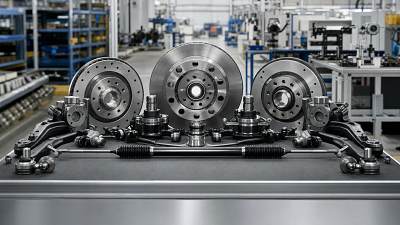
OEM-oriented suppliers usually work with drawings, technical references, sample matching procedures, and process controls that improve dimensional stability. That matters when replacing drivetrain, braking, suspension, cooling, electrical, or cab-related parts where small deviations can cause installation problems or reduced service life.
2. Faster identification of equivalent or customized parts
Maintenance teams often face mixed fleets, older vehicle generations, and cross-market configurations. An OEM service model can help verify whether a part should be supplied as standard, upgraded, reinforced, or adapted for a different regional specification. This reduces the time wasted comparing uncertain alternatives from multiple unrelated traders.
3. More stable lead time management
When a supplier controls manufacturing and not just resale inventory, the buyer gains better visibility into production scheduling, raw material readiness, minimum order quantity, and replenishment planning. For frequently replaced heavy truck parts, this makes stocking decisions more predictable and helps avoid emergency air shipments.
4. Improved traceability and quality consistency
Consistent batch management is critical in heavy truck service operations. If a field issue appears, maintenance managers need to know whether it is isolated, installation-related, or batch-related. OEM service partners are generally better positioned to support root-cause review with documentation, material references, and production feedback.
OEM service vs general aftermarket sourcing: what maintenance teams should compare
The table below compares common differences between buying from a heavy truck parts manufacturer with OEM services and sourcing from a non-integrated general aftermarket supplier. For aftermarket maintenance personnel, the issue is not only purchase price. It is total downtime exposure, repeat labor risk, and confidence in fitment.
This comparison shows why OEM-backed sourcing often reduces hidden maintenance costs. Even if the unit price is not always the lowest, the total repair cycle can be shorter and more controlled. For workshops managing high-value assets, that difference can be operationally significant.
Which heavy truck parts benefit most from OEM service support
Not every part carries the same downtime risk. Some items are relatively simple and interchangeable. Others affect safety, installation precision, and repeat repair probability. A heavy truck parts manufacturer with OEM services is especially valuable when maintenance teams are dealing with technical or high-consequence components.
High-priority categories
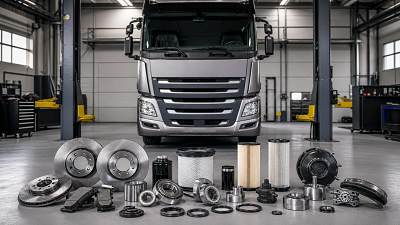
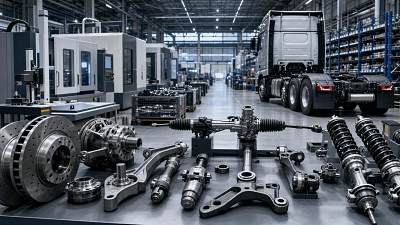
- Brake system parts such as valves, chambers, linings, discs, drums, and connectors, where performance consistency and fitment matter for safety and inspection readiness.
- Suspension and steering parts such as leaf spring components, bushings, pins, rods, and link assemblies, which operate under heavy load and harsh vibration.
- Engine cooling and sealing parts where temperature resistance, material compatibility, and dimensional accuracy can determine service life.
- Clutch and transmission-related parts where tolerance mismatch can lead to installation delays or premature wear.
- Electrical and sensor-linked parts when fleet diagnostics require stable communication with existing systems.
For common fast-moving items, OEM service support is still useful when a fleet operates in severe environments such as mining roads, tropical humidity, desert dust, mountain grades, or repeated overload conditions. In those scenarios, small design differences can affect replacement frequency and downtime planning.
How aftermarket maintenance teams should evaluate suppliers before ordering
Supplier selection should not stop at catalog breadth or a quick quotation. Maintenance teams need a practical checklist that connects the workshop reality with procurement decisions. The goal is to confirm that the supplier can support the actual repair cycle, not just issue an invoice.
Use the following evaluation table when screening a heavy truck parts manufacturer with OEM services for urgent and recurring demand.
A structured supplier review makes procurement faster over time. Once a maintenance department identifies dependable OEM-capable partners, repeat orders become easier to standardize, forecast, and audit. That directly supports uptime management.
Where a global B2B platform adds value in heavy truck aftermarket sourcing
A heavy truck parts manufacturer with OEM services is important, but maintenance teams also need an efficient way to find, compare, and qualify those suppliers. This is where a specialized international B2B platform for the heavy truck and commercial vehicle industry becomes valuable. Instead of searching through scattered websites or relying on limited local channels, buyers can evaluate products and suppliers within a focused industry ecosystem.
The Global Heavy Truck Industry Platform supports sourcing across the full supply chain, from truck chassis and cabs to complete trucks, trailers, construction machinery, and spare parts. For aftermarket service personnel, this matters because repairs often involve related systems. A suspension repair may trigger a need for axle components, seals, fasteners, or brake-related items. A specialized platform helps users manage this complexity more efficiently.
Practical advantages for maintenance-focused buyers
- Access to a wider supplier network for comparing capabilities, not just prices.
- Product discovery across multiple heavy truck categories that often interact during repair planning.
- Industry insights and buying guides that help teams judge market trends, sourcing risks, and replacement strategies.
- Multilingual information support that improves communication in cross-border procurement.
- Better transparency when evaluating manufacturers, distributors, and product scope in one place.
For teams maintaining mixed fleets or supporting operations in different regions, a platform-centered sourcing process also reduces dependence on one local inventory source. That diversification can be crucial during demand spikes, shipping disruptions, or seasonal maintenance peaks.
What implementation looks like: from urgent repair to long-term supply stability
Reducing downtime is not only about buying one better part. It is about building a repeatable process between maintenance, purchasing, and supply partners. The most effective buyers use OEM-backed sourcing in two layers: immediate repair recovery and long-term maintenance planning.
- Identify high-impact failure parts by reviewing workshop history, roadside failures, and repeat orders.
- Classify these parts by urgency, fit sensitivity, safety impact, and replacement frequency.
- Match critical categories with a heavy truck parts manufacturer with OEM services that can support verification and replenishment.
- Create a stocking strategy that separates emergency stock, routine stock, and made-to-order items.
- Review delivery performance, field feedback, and claim causes every quarter to refine sourcing decisions.
This process is especially useful for transport operators working in international logistics, infrastructure support, or industrial haulage. As vehicle utilization rises, the cost of unplanned downtime grows. A more disciplined parts supply model quickly becomes a maintenance advantage, not just a procurement preference.
Common mistakes that increase downtime in parts procurement
Even experienced teams can make sourcing decisions that look cheaper at first but extend downtime later. Recognizing these mistakes helps maintenance managers build a more resilient supply approach.
Mistake 1: Buying by appearance instead of technical confirmation
Two components may look similar but differ in material, mounting tolerance, port specification, heat treatment, or load rating. For heavy-duty trucks, those details matter. A heavy truck parts manufacturer with OEM services is more likely to confirm such differences before shipment.
Mistake 2: Choosing only by unit price
A low-price part can become expensive when it causes installation problems, repeat failures, or warranty disputes. Maintenance teams should calculate total repair cost, including technician hours, immobilized vehicle time, return freight, and possible secondary damage.
Mistake 3: Ignoring supplier response speed
Delayed responses on technical details, stock status, or packing confirmation can be enough to miss a dispatch window. In urgent service operations, communication speed is part of supply quality.
Mistake 4: Treating all fleet applications as identical
A truck used in cross-border freight does not face the same stress as a truck working in quarries or municipal stop-start routes. OEM service support helps adapt parts choice to actual duty cycle, climate, terrain, and loading pattern.
FAQ for maintenance buyers looking for OEM-backed heavy truck parts
How do I know if a heavy truck parts manufacturer with OEM services is suitable for my fleet?
Start with parts that cause the highest downtime or repeat repairs. Ask whether the supplier can verify fitment through OE numbers, drawings, dimensions, photos, or samples. Also check if they can support your required lead time, documentation, and packaging standards. Suitability is not only about product range; it is about process reliability under maintenance pressure.
Are OEM services only useful for large fleet operators?
No. Smaller workshops and regional fleet service teams can benefit as well, especially when handling older models, mixed brands, or technically sensitive parts. OEM-backed sourcing is often most valuable when local channels cannot provide consistent fit confirmation or when downtime costs are high relative to stock availability.
What should I prepare before requesting a quotation?
Prepare the part number if available, vehicle model details, photos of the old part, key dimensions, quantity, urgency level, and destination market. If the problem involves repeated failure, include the operating condition and service history. This helps the supplier judge whether a standard part, upgraded version, or custom OEM approach is more appropriate.
Can a specialized B2B platform help with urgent maintenance procurement?
Yes, especially when the platform is dedicated to the heavy truck and commercial vehicle industry. It helps buyers compare suppliers faster, discover alternatives, and access related product categories in one environment. This is useful when a repair job requires multiple linked components or when the first sourcing route fails.
Why choose us for heavy truck OEM supply support
For aftermarket maintenance teams, the challenge is not simply finding a part. It is finding the right supplier path that supports technical confirmation, stable delivery, and long-term uptime. The Global Heavy Truck Industry Platform is built for this exact need. It connects buyers with manufacturers, suppliers, and distributors across the heavy truck supply chain, making it easier to identify a heavy truck parts manufacturer with OEM services that matches the repair task, fleet profile, and purchasing timeline.
Through the platform, you can consult on product selection for truck chassis, cab systems, spare parts, trailers, and related road transport equipment. You can also compare supplier scope, review industry resources, and improve cross-border sourcing efficiency through a more transparent digital process. This is especially useful for maintenance personnel who need faster decisions without sacrificing technical accuracy.
- Request support for part number confirmation, dimension verification, and application matching.
- Discuss product selection for urgent repair items, high-wear components, and mixed fleet maintenance needs.
- Ask about delivery cycle expectations, stock availability logic, and made-to-order timelines.
- Explore customized OEM solutions for reinforced parts, market-specific specifications, packaging, or labeling.
- Confirm available documentation, sample support options, and quotation details for cross-border procurement.
If your team is working to reduce repair delays, improve parts consistency, or build a more dependable supplier base, now is the right time to connect with a specialized heavy truck sourcing platform. Share your required parameters, application scenario, target delivery schedule, and quantity plan, and start building a supply solution that keeps more trucks on the road and fewer in the workshop.
Trending News
- Water Truck Factory Checklist: What to Confirm Before Factory Audit
- High-Strength Flatbed Trailers: Where Stronger Steel Pays Off
- Excavator Manufacturer in China: How to Compare Quality Across Factories
- Heavy Equipment Export to Africa: Market Openings and Compliance Challenges
- Quick Installation Excavators: Do They Reduce Setup Time on Real Sites?
Tag
Recommended News
 Truck Parts IndustryHeavy Truck Parts for Construction: Which Components Fail Most OftenHeavy truck parts manufacturer for construction insights: discover which brake, suspension, filter, and drivetrain components fail most often—and how smarter sourcing cuts downtime and repair costs.
 Truck Parts IndustryBulk Order Discounts on Truck Spare Parts: When Savings Become RiskTruck spare parts supplier with bulk order discounts: learn when lower prices increase downtime, quality, and inventory risk—and how to source smarter for reliable fleet performance.
 Truck Parts IndustryTruck Parts Wholesale: How to Balance Price, Quality, and Stock RiskTruck parts wholesale success depends on balancing price, quality, and inventory risk. Learn practical sourcing checks to protect margins, reduce dead stock, and choose reliable suppliers.
 Truck Parts IndustryHow OEM Services Reduce Downtime in Heavy Truck Parts SupplyHeavy truck parts manufacturer with OEM services helps cut downtime with accurate fit, faster lead times, and stable supply—discover smarter sourcing for fleet maintenance.
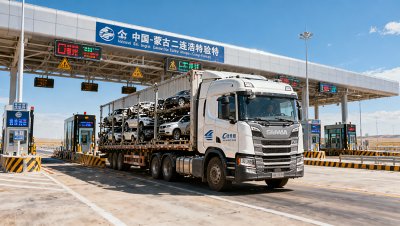
 Truck Parts IndustryErenhot-Mongolia 24-Hour Freight Clearance Boosts Trucking EfficiencyErenhot-Mongolia 24-hour freight clearance slashes truck clearance time by 40%—boosting efficiency for auto parts, cold-chain & cross-border trucking.
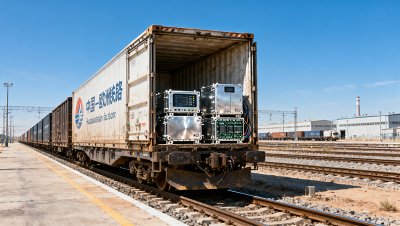
 Truck Parts IndustryKazakhstan Extends Zero-Tariff for Truck Parts on China-Europe Rail Routes to 2027Kazakhstan extends zero-tariff for truck parts—including ADAS controllers, ECUs & T-BOX units—on China-Europe rail routes until 2027. Boost your logistics & export strategy now!
 Truck Parts IndustryHow Low-Maintenance Truck Spare Parts Reduce Downtime Over TimeTruck spare parts supplier with low maintenance solutions help fleets cut downtime, reduce repair frequency, and improve workshop efficiency. Discover how durable parts boost long-term truck performance.
![]() Truck Parts IndustryHeavy Truck Parts Manufacturer for Construction: How to Judge Product ConsistencyHeavy truck parts manufacturer for construction selection starts with consistency. Learn how to judge batch stability, traceability, and quality control to reduce risk and improve fleet safety.
Truck Parts IndustryHeavy Truck Parts Manufacturer for Construction: How to Judge Product ConsistencyHeavy truck parts manufacturer for construction selection starts with consistency. Learn how to judge batch stability, traceability, and quality control to reduce risk and improve fleet safety.![]() Truck Parts IndustryTruck Parts Price in 2026: What Is Driving Replacement Cost HigherTruck parts price in 2026 is rising fast. Discover the key cost drivers, category risks, and sourcing tips buyers need to reduce replacement costs and make smarter purchasing decisions.
Truck Parts IndustryTruck Parts Price in 2026: What Is Driving Replacement Cost HigherTruck parts price in 2026 is rising fast. Discover the key cost drivers, category risks, and sourcing tips buyers need to reduce replacement costs and make smarter purchasing decisions. Truck Parts IndustryHow to Compare Truck Tipper Distributors by Parts Response TimeTruck tipper distributor comparison starts with parts response time. Learn how to assess stock speed, technical support, and supply reliability to cut downtime and choose the right partner.
![]() Truck Parts IndustryTruck Parts Price in 2026: What Is Driving Replacement Cost HigherTruck parts price in 2026 is rising fast. Discover the key cost drivers, category risks, and sourcing tips buyers need to reduce replacement costs and make smarter purchasing decisions.
Truck Parts IndustryTruck Parts Price in 2026: What Is Driving Replacement Cost HigherTruck parts price in 2026 is rising fast. Discover the key cost drivers, category risks, and sourcing tips buyers need to reduce replacement costs and make smarter purchasing decisions. Truck Parts IndustryHow to Compare Truck Tipper Distributors by Parts Response TimeTruck tipper distributor comparison starts with parts response time. Learn how to assess stock speed, technical support, and supply reliability to cut downtime and choose the right partner.
![]() Truck Parts IndustryTruck Parts Price in 2026: What Is Driving Replacement Cost HigherTruck parts price in 2026 is rising fast. Discover the key cost drivers, category risks, and sourcing tips buyers need to reduce replacement costs and make smarter purchasing decisions.
Truck Parts IndustryTruck Parts Price in 2026: What Is Driving Replacement Cost HigherTruck parts price in 2026 is rising fast. Discover the key cost drivers, category risks, and sourcing tips buyers need to reduce replacement costs and make smarter purchasing decisions. Truck Parts IndustryHow to Compare Truck Tipper Distributors by Parts Response TimeTruck tipper distributor comparison starts with parts response time. Learn how to assess stock speed, technical support, and supply reliability to cut downtime and choose the right partner.
 Truck Parts IndustryCommercial Vehicle Parts for Cold Storage: What Improves ReliabilityCommercial vehicle parts for cold storage that boost uptime, temperature stability, and fleet reliability. Learn which components reduce breakdowns and protect cargo in demanding cold-chain transport.
 Truck Parts IndustryTruck Parts Wholesale: How to Balance Price, Lead Time, and QualityTruck parts wholesale guide for distributors: learn how to balance price, lead time, and quality to reduce risk, protect margins, and choose suppliers with confidence.
 Truck Parts IndustryWhen OEM Services Matter in Heavy Truck Parts ManufacturingHeavy truck parts manufacturer with OEM services: learn when OEM capability improves quality, fit, branding, and supply reliability for global B2B buyers.
 Truck Parts IndustryChoosing a Heavy Truck Parts Manufacturer in Germany for Stable SupplyHeavy truck parts manufacturer in Germany: learn how to compare suppliers by scenario, secure stable supply, reduce sourcing risk, and improve fleet uptime with smarter procurement decisions.
 Truck Parts IndustryAre Low-Maintenance Truck Spare Parts Suppliers Worth Switching ToIs a truck spare parts supplier with low maintenance worth the switch? Learn how better fitment, fewer failures, and reliable delivery can cut downtime and lower fleet service costs.
 Truck Parts IndustryTruck Parts Wholesale: How to Balance Price, Stock, and ReliabilityTruck parts wholesale success depends on balancing price, stock, and reliability. Learn how to compare suppliers, reduce risk, protect margins, and make smarter buying decisions.
 Truck Parts IndustryWhen OEM Services Matter in Heavy Truck Parts ManufacturingLearn why a heavy truck parts manufacturer with OEM services helps buyers improve quality consistency, customization, and supply stability for stronger long-term market performance.
 Truck Parts IndustryWhat Sets a Heavy Truck Parts Manufacturer in Germany ApartHeavy truck parts manufacturer in Germany insights: discover how German engineering, strict quality control, and reliable supply help buyers reduce risk, improve uptime, and choose stronger long-term partners.
 Truck Parts IndustryNew Railway Cargo Transport Rules Take Effect May 1, 2026New Railway Cargo Transport Rules (2026): 72-hour certified load-securing plans required for oversized rail freight—key for wind, tunneling & crane transport equipment.
 Truck Parts IndustryYerkeshkan Port 24-Hour Freight: +87.4% Truck Parts Export to KyrgyzstanYerkeshkan Port 24-hour freight boosts truck parts exports to Kyrgyzstan by +87.4% — optimize JIT logistics, customs compliance & aftermarket supply chains now.
 Truck Parts IndustryBulk Order Discounts on Truck Spare Parts: Savings vs Supply RiskTruck spare parts supplier with bulk order discounts: learn how to cut procurement costs without raising supply risk, downtime, or inventory pressure in road transport operations.