When OEM Services Matter in Heavy Truck Parts Manufacturing
In a market where performance, reliability, and supply chain stability directly affect fleet operations, choosing a heavy truck parts manufacturer with OEM services can be a strategic advantage. For business decision-makers, OEM capability means more than production efficiency—it supports consistent quality, customization, and long-term competitiveness across the global heavy truck parts industry.
What does a heavy truck parts manufacturer with OEM services actually provide?
A heavy truck parts manufacturer with OEM services does far more than produce standard replacement components. In practical business terms, OEM services usually mean the manufacturer can develop, adapt, and consistently supply parts based on original equipment specifications, private-label requirements, or application-specific technical demands. This is especially important in the road transport equipment sector, where compatibility, durability, and batch consistency directly influence uptime.
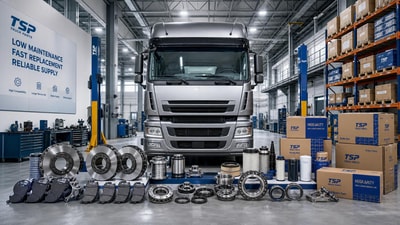
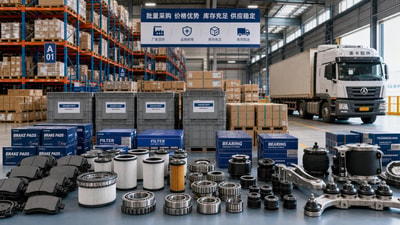
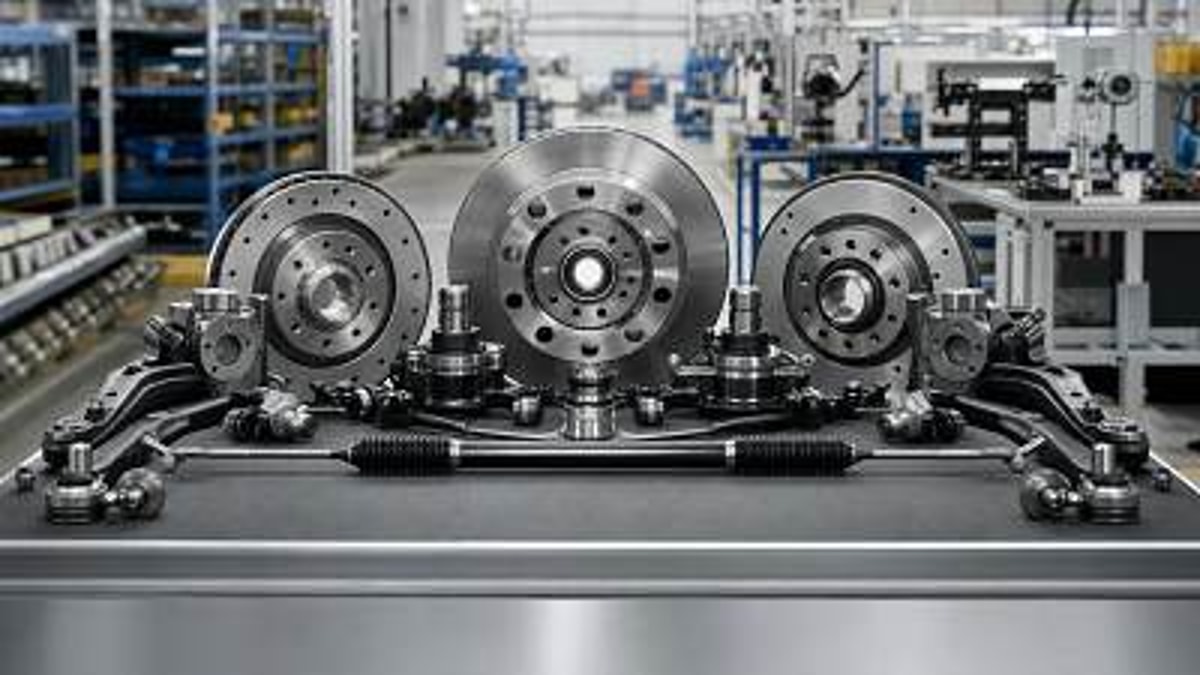
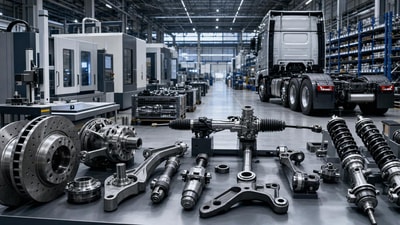
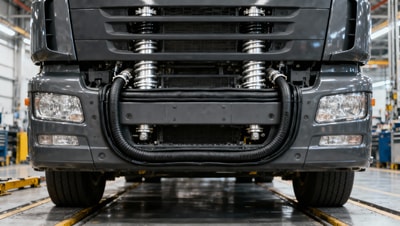
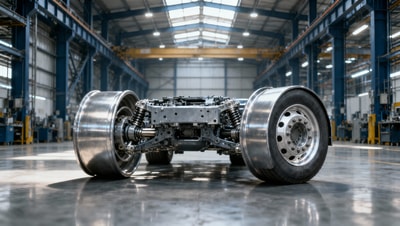
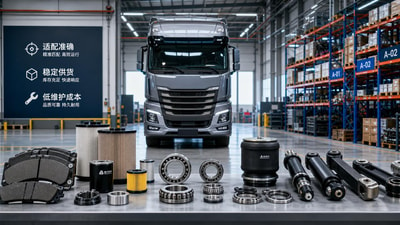
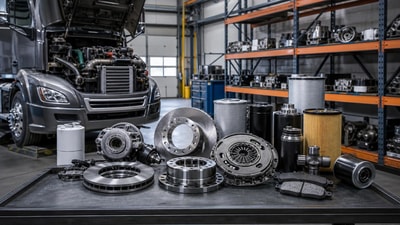
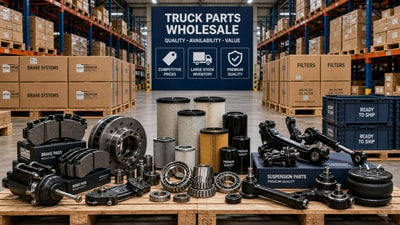
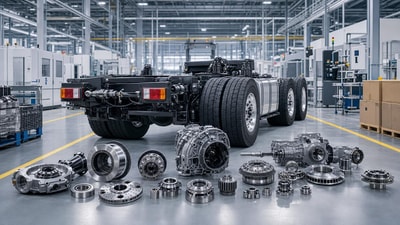
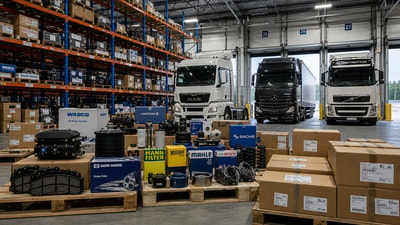
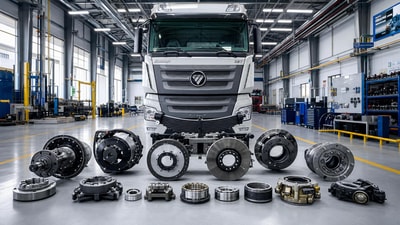
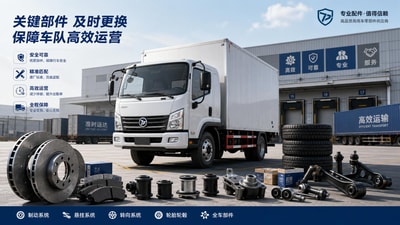
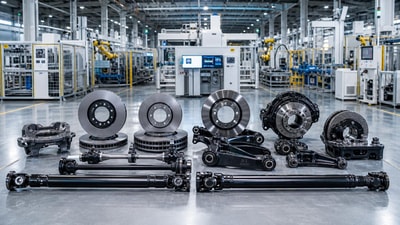
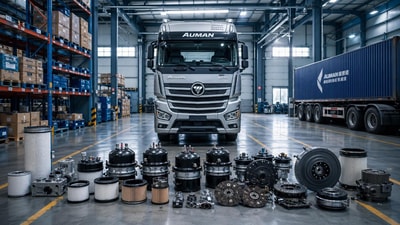
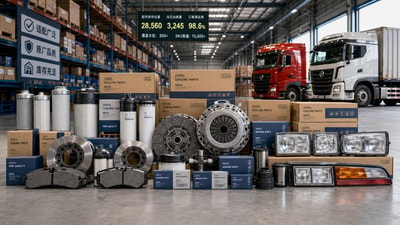
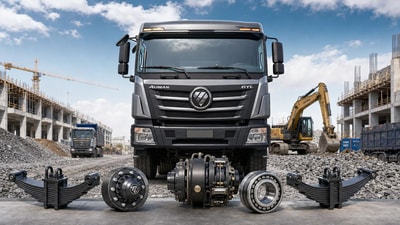
For enterprise buyers, OEM capability often includes engineering support, drawing-based production, material selection, tooling development, quality validation, packaging customization, and documentation for international trade. In the heavy truck ecosystem, that may apply to brake components, suspension parts, steering systems, chassis parts, filters, engine-related parts, transmission components, electrical assemblies, and trailer accessories.
This matters because heavy-duty transport operations rarely run on generic assumptions. Regional road conditions, load profiles, climate exposure, local regulations, and fleet maintenance practices all affect part selection. A supplier that can only offer catalog items may be enough for basic trading, but a heavy truck parts manufacturer with OEM services is better positioned to support product adaptation, long-term supply planning, and market differentiation.
Why are OEM services becoming more important in the global heavy truck parts market?
The answer lies in how the heavy truck industry is evolving. Global logistics growth, infrastructure construction, mining activity, and cross-border transport have increased demand not only for vehicles, but also for stable, application-ready parts supply. Buyers are no longer comparing price alone. They are evaluating lead times, technical responsiveness, compliance standards, after-sales support, and the ability to maintain product consistency across repeated orders.
OEM services help manufacturers respond to these requirements with greater precision. A buyer serving fleet operators in harsh environments may need dust-resistant filtration, reinforced suspension performance, or corrosion-resistant assemblies. A distributor building a regional brand may need branded packaging and exclusive specifications. A commercial vehicle assembler may require close tolerance control and traceability across every shipment. In all these cases, OEM capability becomes a business enabler rather than a factory add-on.
For decision-makers, the strategic value is clear: a heavy truck parts manufacturer with OEM services can reduce sourcing friction, improve market fit, and help companies build more dependable supply relationships in a competitive international environment.
Which buyers benefit most from working with a heavy truck parts manufacturer with OEM services?
Not every buyer needs the same level of customization, but several categories gain clear advantages from OEM cooperation.
- Distributors and importers: They often need stable product lines, private labeling, localized packaging, and reliable replenishment across multiple SKUs.
- Fleet service providers: They benefit from consistent replacement quality, part interchangeability, and reduced failure risks in maintenance programs.
- Vehicle assemblers and body builders: They usually require closer dimensional control, technical matching, and repeatable production processes.
- Regional heavy equipment dealers: They may need parts adapted for local road, climate, or regulatory conditions.
- Brand owners entering new markets: OEM services support faster market entry through customized products and packaging without building their own manufacturing base.
The common factor is not simply scale, but responsibility. The more a business is accountable for performance, warranty exposure, customer trust, or stock continuity, the more valuable a heavy truck parts manufacturer with OEM services becomes.
How is OEM different from buying standard aftermarket heavy truck parts?
This is one of the most common sourcing questions. Standard aftermarket purchasing is generally faster when the need is simple and immediate. However, OEM-oriented supply is more suitable when the buyer must control quality consistency, technical specifications, or brand presentation over time.
The differences become clearer when viewed side by side:
This does not mean OEM is always the only right choice. It means the right sourcing model depends on business goals. If the objective is immediate low-cost procurement, standard aftermarket may work. If the goal is stable product performance, brand control, and long-term market growth, OEM services usually offer stronger commercial value.
What should decision-makers evaluate before choosing an OEM heavy truck parts supplier?
Many buyers focus too heavily on unit price in early discussions. That can be risky. A heavy truck parts manufacturer with OEM services should be assessed as a long-term operational partner, not only a transactional vendor.
Key evaluation points include manufacturing capability, engineering responsiveness, quality systems, communication efficiency, and export experience. It is also important to verify whether the supplier can support your actual category needs. A factory may be strong in suspension parts but weak in electrical assemblies, or experienced in domestic standards but less prepared for multinational documentation requirements.
To simplify internal evaluation, the following checklist is useful:
For B2B buyers in the heavy truck industry, these questions often reveal more than a price sheet ever will.
What are the most common mistakes when sourcing OEM heavy truck parts?
A frequent mistake is assuming that “OEM service” means the same thing across all suppliers. In reality, some use the term loosely to describe simple logo printing, while others offer full engineering collaboration. Buyers should define expectations clearly from the beginning: are you requesting specification matching, performance enhancement, exclusive branding, or complete co-development?
Another mistake is neglecting lifecycle cost. A lower purchase price may look attractive, but if the part causes higher maintenance frequency, installation issues, or inconsistent fitment, the total cost rises quickly. This is particularly dangerous in heavy truck applications where downtime affects freight schedules, workshop efficiency, and customer satisfaction.
Some buyers also underestimate documentation and sample validation. Before placing large orders, it is wise to confirm material standards, dimensional tolerances, test methods, and packaging details. If a heavy truck parts manufacturer with OEM services cannot provide a disciplined approval process, scaling the relationship may create avoidable operational risk.
Finally, there is the mistake of selecting suppliers without market visibility. Professional B2B platforms can help buyers compare manufacturers, review product categories, discover industry resources, and identify suppliers with relevant specialization. In a fragmented global market, this improves sourcing efficiency and reduces blind outreach.
How do OEM services affect cost, lead time, and long-term competitiveness?
OEM projects often require more upfront coordination than buying off-the-shelf parts. There may be sample development, mold preparation, technical confirmation, and packaging setup. This can extend the initial timeline. However, once specifications are approved, the buyer gains a more repeatable supply model that supports planning accuracy and product consistency.
From a cost perspective, the right analysis is not “OEM versus cheap.” It is “OEM versus operational waste.” If customized supply reduces returns, improves brand credibility, and strengthens customer retention, the business case becomes much stronger. For distributors, OEM services can also create product differentiation that is difficult for competitors to copy. For fleet-oriented buyers, better consistency can lower maintenance unpredictability.
In competitive markets, long-term advantage often comes from control rather than simple access. A heavy truck parts manufacturer with OEM services helps buyers gain more control over specification, supply continuity, and market positioning. That is why OEM capability increasingly matters in road transport equipment procurement.
How can businesses move from supplier search to practical cooperation?
The most effective first step is to organize requirements before contacting suppliers. Buyers should define the target part category, vehicle models, annual demand, performance expectations, branding needs, compliance requirements, and preferred delivery rhythm. This makes early conversations more productive and helps qualified suppliers respond with realistic solutions.
A professional industry platform can support this process by connecting buyers with manufacturers, distributors, and specialized suppliers across the global heavy truck supply chain. Beyond product discovery, access to market insights, brand directories, industry news, and sourcing guidance can help decision-makers compare options more efficiently and evaluate partners with greater confidence.
If you need to move from research to action, the best questions to discuss first are practical ones: Which parts are most critical to your business? Do you need exact specification matching or localized adaptation? What volumes justify OEM development? What quality documents are required? What lead time can your market accept? What packaging, labeling, and brand standards must be followed? These questions will quickly reveal whether a heavy truck parts manufacturer with OEM services is the right fit for your sourcing strategy.
Trending News
- What Makes a Delivery Truck Supplier Truly Cost Effective
- Do Energy-Saving Features Really Matter in an Excavator Manufacturer
- Heavy Equipment Export for Mining Operations: Planning Around Lead Time
- Can Fireproof Materials Improve Semi Trailer Safety in Logistics
- Inside a Water Truck Factory: What Affects Build Quality
Tag
Recommended News
 Truck Parts IndustryAre Low-Maintenance Truck Spare Parts Suppliers Worth Switching ToIs a truck spare parts supplier with low maintenance worth the switch? Learn how better fitment, fewer failures, and reliable delivery can cut downtime and lower fleet service costs.
 Truck Parts IndustryTruck Parts Wholesale: How to Balance Price, Stock, and ReliabilityTruck parts wholesale success depends on balancing price, stock, and reliability. Learn how to compare suppliers, reduce risk, protect margins, and make smarter buying decisions.
 Truck Parts IndustryWhen OEM Services Matter in Heavy Truck Parts ManufacturingLearn why a heavy truck parts manufacturer with OEM services helps buyers improve quality consistency, customization, and supply stability for stronger long-term market performance.
 Truck Parts IndustryWhat Sets a Heavy Truck Parts Manufacturer in Germany ApartHeavy truck parts manufacturer in Germany insights: discover how German engineering, strict quality control, and reliable supply help buyers reduce risk, improve uptime, and choose stronger long-term partners.
 Truck Parts IndustryNew Railway Cargo Transport Rules Take Effect May 1, 2026New Railway Cargo Transport Rules (2026): 72-hour certified load-securing plans required for oversized rail freight—key for wind, tunneling & crane transport equipment.
 Truck Parts IndustryYerkeshkan Port 24-Hour Freight: +87.4% Truck Parts Export to KyrgyzstanYerkeshkan Port 24-hour freight boosts truck parts exports to Kyrgyzstan by +87.4% — optimize JIT logistics, customs compliance & aftermarket supply chains now.
 Truck Parts IndustryBulk Order Discounts on Truck Spare Parts: Savings vs Supply RiskTruck spare parts supplier with bulk order discounts: learn how to cut procurement costs without raising supply risk, downtime, or inventory pressure in road transport operations.
 Truck Parts IndustryHow to Assess a Heavy Truck Parts Manufacturer for Construction FleetsHeavy truck parts manufacturer for construction: learn how to assess quality, fitment, supply speed, and technical support to reduce downtime and choose a supplier your fleet can trust.
 Truck Parts IndustryANVISA Brazil: Rubber Seals for Trucks Require REACH SVHC 233 ReportRubber seals for trucks entering Brazil must now comply with ANVISA’s REACH SVHC 233 reporting requirement — learn how to avoid customs delays and ensure seamless import.
 Truck Parts IndustryRCEP Upgrade Takes Effect: Lower Tariffs on China-Made Truck PartsRCEP Upgrade lowers tariffs on China-made truck parts—steering knuckles, axle housings & wheel hubs—for Philippines, Cambodia, Myanmar. Save costs now.
![]() Truck Parts IndustryKazakhstan Extends Zero-Tariff for China-Made Truck Parts to 2027Kazakhstan extends zero-tariff for China-made truck parts until 2027—boosting cost efficiency & clearance speed for brake discs, air suspension, LED headlights.
Truck Parts IndustryKazakhstan Extends Zero-Tariff for China-Made Truck Parts to 2027Kazakhstan extends zero-tariff for China-made truck parts until 2027—boosting cost efficiency & clearance speed for brake discs, air suspension, LED headlights. Truck Parts IndustryHow to Choose a Truck Spare Parts Supplier With Low Maintenance BenefitsTruck spare parts supplier with low maintenance benefits: learn how to compare quality, fit, delivery, and support to cut downtime, reduce repeat repairs, and keep fleets running efficiently.
 Truck Parts IndustryTruck Parts Price Guide for Budgeting Repairs and Routine ServiceTruck parts price guide for heavy-duty repairs and routine service. Learn key cost factors, compare parts smarter, control maintenance budgets, and reduce fleet downtime.
 Truck Parts IndustryTruck Parts Wholesale: How to Balance Price, Stock, and QualityTruck parts wholesale made smarter: learn how to balance price, stock, and quality to cut downtime, protect margins, and choose reliable suppliers with confidence.
 Truck Parts IndustryWhat Sets a Heavy Truck Parts Manufacturer in Germany ApartHeavy truck parts manufacturer in Germany: learn how to assess engineering precision, traceability, supply reliability, and global service to choose a trusted long-term partner.
 Truck Parts IndustryIrkeshtam Port 24-Hour Freight Clearance Accelerates Truck Parts Exports to KyrgyzstanIrkeshtam Port’s 24-hour freight clearance slashes truck parts export time to Kyrgyzstan—boosting speed, cutting costs, and scaling Central Asian logistics efficiency.
 Truck Parts IndustryTruck Spare Parts Supplier in Europe: How to Judge Stock Depth and Response SpeedTruck spare parts supplier in Europe: learn how to verify real stock depth, quotation speed, and dispatch reliability to reduce sourcing risk and choose a supplier that keeps your business moving.
 Truck Parts IndustryHeavy Truck Parts for Construction: The Quality Checks That Prevent Costly StopsHeavy truck parts manufacturer for construction: learn the quality checks that prevent downtime, improve safety, and keep demanding construction fleets running on schedule.
 Truck Parts IndustryCommercial Vehicle Parts for Cold Storage: How to Reduce Failure in Low TemperaturesCommercial vehicle parts for cold storage: learn how to reduce low-temperature failures, improve fleet uptime, and choose durable parts for refrigerated trucks and cold-chain operations.
 Truck Parts IndustryCommercial Vehicle Parts for Warehouse: Common Failures and Better Replacement TimingCommercial vehicle parts for warehouse fleets fail faster under stop-start duty. Learn common failure points and how better replacement timing reduces downtime, cost, and safety risk.
 Truck Parts IndustryHow OEM Services Change the Value of a Heavy Truck Parts ManufacturerHeavy truck parts manufacturer with OEM services: discover how OEM support boosts quality consistency, private labeling, customization, and long-term channel growth.
 Truck Parts IndustryWhy Truck Parts Price Swings Matter More Than You ThinkTruck parts price swings affect fleet uptime, repair timing, and sourcing costs more than most teams expect. Learn the key drivers, reduce downtime risk, and buy smarter.
 Truck Parts IndustryTruck Parts Wholesale: How to Balance Price, Fit, and TurnoverTruck parts wholesale made smarter: learn how to balance price, fit, and inventory turnover to reduce returns, improve margins, and choose suppliers with confidence.
 Truck Parts Industry2026 China Old Freight Truck Scrappage Program LaunchesChina's 2026 Old Freight Truck Scrappage Program drives urgent demand for battery, motor control & hydrogen fuel cell modules — act now to secure supply.
 Truck Parts IndustryHeavy Truck Parts for Construction: Which Specs Matter MostHeavy truck parts manufacturer for construction: discover the specs that matter most—load capacity, wear resistance, compatibility, and service life—to reduce downtime and source with confidence.