What Makes a Delivery Truck Supplier Truly Cost Effective
Choosing a delivery truck supplier with cost-effective solutions is not just about comparing prices—it means evaluating long-term operating value, product reliability, supplier capability, and after-sales support. For business evaluation professionals, understanding what truly drives cost efficiency can reduce procurement risk, improve fleet performance, and support smarter investment decisions in a highly competitive commercial vehicle market.
Why does a delivery truck supplier with cost-effective solutions matter more than a low-price offer?
For procurement and evaluation teams, the lowest quotation rarely represents the best business case. In road transport equipment, a truck that appears cheaper at purchase can become expensive through fuel consumption, downtime, weak parts availability, poor payload efficiency, or limited resale value. That is why many buyers now search specifically for a delivery truck supplier with cost-effective solutions rather than simply a low-cost manufacturer.
A truly cost-effective supplier helps reduce total cost of ownership across the vehicle life cycle. This includes acquisition cost, financing feasibility, maintenance frequency, operating efficiency, driver usability, regulatory compliance, warranty response, and end-of-life asset value. In practical terms, one dependable delivery truck can outperform a cheaper alternative if it spends more days on the road, consumes less fuel, and requires fewer emergency repairs.
For business evaluation professionals, the key issue is not “How cheap is this truck?” but “How much value does this supplier create per operating year?” That shift in thinking is essential when comparing suppliers across different countries, truck specifications, and service models.
What should evaluators mean by “cost effective” when assessing delivery truck suppliers?
Cost effectiveness should be defined through measurable operational outcomes, not vague marketing language. A delivery truck supplier with cost-effective solutions should demonstrate that its products and services improve business performance in at least four areas: purchase efficiency, operating efficiency, risk control, and service continuity.
Purchase efficiency means the truck specification fits the actual delivery task. Over-specification wastes capital, while under-specification causes early wear, cargo limitations, and operational bottlenecks. Operating efficiency covers fuel economy, route suitability, loading capacity, and maintenance intervals. Risk control involves build quality, documentation, certification, and stable export capability. Service continuity refers to spare parts support, technical response, and warranty execution after the vehicle is delivered.
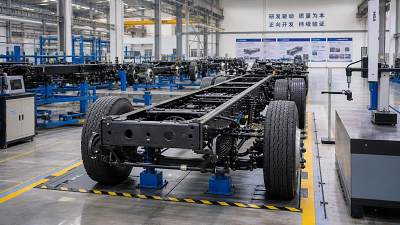
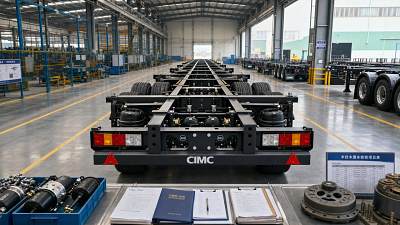
In many sourcing cases, the most attractive supplier is the one that can align chassis, cab configuration, axle design, engine performance, and cargo body options with the customer’s route conditions and duty cycle. A supplier that understands urban delivery, regional logistics, municipal distribution, and infrastructure transport can usually deliver better commercial value than one that only competes on base price.
A practical comparison framework
Which factors most strongly affect total cost of ownership in delivery trucks?
When comparing road transport equipment, total cost of ownership is often the most reliable lens. A delivery truck supplier with cost-effective solutions should be able to discuss these variables clearly instead of avoiding them during negotiations.
First, fuel efficiency has a large cumulative effect, especially in urban and regional logistics. Even a small difference in consumption per 100 kilometers can become significant across a fleet operating daily routes. Second, payload optimization matters because a well-designed truck can move more usable cargo without compromising legal compliance or drivability. Third, maintenance intervals and parts standardization influence workshop cost and vehicle uptime.
Fourth, component reliability is critical. Engines, transmissions, braking systems, suspension, electrical systems, and cooling systems all affect service continuity. Frequent small failures may not seem severe individually, but they cause route disruption, driver dissatisfaction, and cumulative repair expenses. Fifth, after-sales support and parts lead time often determine whether a truck returns to operation in one day or sits idle for a week.
Finally, compliance and documentation should not be underestimated in international procurement. Import approval, emission standards, homologation requirements, and inspection records can all create hidden costs if the supplier is inexperienced. In this sense, a delivery truck supplier with cost-effective solutions is also a supplier that helps prevent administrative and operational delays.
How can business evaluation professionals identify a reliable supplier before procurement?
A reliable supplier should be assessed beyond brochure quality and trade fair visibility. Evaluation should include manufacturing competence, export experience, communication discipline, product range, and the ability to support different transport applications. For buyers in the heavy truck and commercial vehicle sector, platform-based sourcing can be valuable because it allows side-by-side comparison of suppliers, product categories, and market information.
Start by reviewing whether the supplier can provide complete technical data, clear configuration sheets, axle and engine options, and realistic application recommendations. If a supplier cannot explain why a certain light truck, complete truck, chassis, or cargo body is appropriate for a specific route profile, its pricing advantage may hide technical weakness. A professional delivery truck supplier with cost-effective solutions should ask questions about cargo type, route terrain, annual mileage, loading frequency, and expected service environment.
Next, verify support capability. This includes warranty terms, spare parts stocking logic, training availability, and digital responsiveness. In international trade, communication speed and documentation accuracy are not minor issues; they directly affect procurement cycle time and project predictability. Suppliers that serve global buyers through structured B2B platforms often provide better transparency because buyers can review product categories, company profiles, and broader industry context more efficiently.
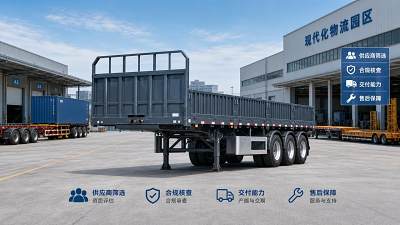
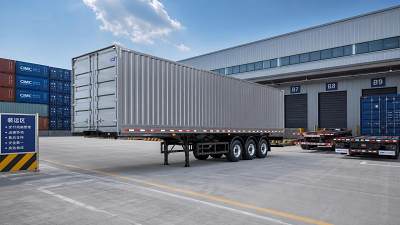
It is also wise to examine whether the supplier operates across related segments such as truck chassis and cab, complete trucks, trailers, semi-trailers, construction machinery, and spare parts. A broader industrial network can indicate stronger supply chain integration and a better ability to support future fleet expansion.
Key questions to ask before shortlisting
What are the most common mistakes when choosing a delivery truck supplier?
One common mistake is treating all delivery trucks as interchangeable. In reality, urban last-mile distribution, intercity retail replenishment, cold chain movement, municipal support, and industrial material transport each require different vehicle characteristics. Choosing the wrong body type, axle setup, or engine power can undermine utilization and shorten service life.
Another mistake is ignoring supplier depth. A low quote may come from a trading source with limited technical understanding, weak factory coordination, or uncertain parts support. That becomes especially risky when buying across borders. A delivery truck supplier with cost-effective solutions should not only sell a truck but also support specification confirmation, order execution, and after-sales continuity.
Buyers also make errors when they focus only on current needs and overlook scalability. If a fleet may expand later, standardizing certain components, dimensions, or maintenance practices can create future savings. In addition, some teams underestimate the value of market intelligence. Industry platforms that combine product discovery with supplier directories, buying guides, and market insights can help procurement teams avoid decisions based only on isolated quotations.
Finally, many evaluations fail because no one models downtime cost. Two trucks with similar purchase prices can have very different business outcomes if one suffers repeated service interruptions. Uptime is a cost factor, a revenue factor, and a customer service factor at the same time.
How does a global B2B platform help find a delivery truck supplier with cost-effective solutions?
In the commercial vehicle and heavy equipment industry, sourcing efficiency improves when buyers can compare more than just product pictures and prices. A specialized global B2B platform creates value by connecting manufacturers, suppliers, distributors, and buyers across the heavy truck supply chain in one place. For business evaluation professionals, this reduces information asymmetry and supports more disciplined supplier screening.
A platform focused on truck chassis and cab, complete trucks, light trucks, trailers, construction machinery, and spare parts can provide broader decision context. This matters because delivery truck procurement is rarely isolated from the rest of fleet strategy. Buyers often need to compare multiple transport solutions, understand regional market trends, and identify suppliers with stable international capabilities.
The Global Heavy Truck Industry Platform is especially relevant in this environment because it combines product sourcing with industry resources such as brand directories, market insights, industry news, and professional buying guides. That combination helps users evaluate whether a supplier’s offering is technically suitable, commercially competitive, and strategically reliable. In other words, it becomes easier to identify a delivery truck supplier with cost-effective solutions when the procurement process is supported by transparent market information and a larger verified supplier network.
What should you confirm before requesting a quotation or starting supplier talks?
Before asking for final pricing, clarify your own operating profile. This should include average payload, cargo dimensions, route distance, road condition, altitude or climate constraints, loading frequency, annual mileage, and service expectations. Without this information, even a qualified delivery truck supplier with cost-effective solutions may provide a quotation that looks attractive but does not fit the operation.
You should also confirm whether the supplier can provide optional configurations, recommended spare parts packages, warranty boundaries, lead times, and export documentation. Ask how the supplier handles technical claims, whether remote diagnosis is available, and how parts replenishment works after delivery. These questions reveal whether the supplier’s cost-effectiveness claim is backed by service process, not just sales language.
For decision-makers, a structured quotation request should compare not only base price but also included specification, standard equipment, after-sales commitments, and expected lifecycle implications. This allows apples-to-apples evaluation and prevents low-entry offers from distorting procurement decisions.
Final FAQ takeaway: what makes a supplier truly cost effective in this market?
A supplier becomes truly cost effective when it helps the buyer achieve reliable delivery capacity, controlled operating cost, lower downtime risk, and better long-term asset value. That means balancing truck performance, route suitability, technical transparency, and after-sales support. The right delivery truck supplier with cost-effective solutions does not simply sell a vehicle; it supports a more efficient logistics operation.
If you need to move from evaluation to action, the first topics to confirm in supplier discussions are application scenario, vehicle configuration logic, maintenance expectations, parts support, lead time, certification status, and warranty execution. For companies sourcing through international channels, it is also wise to review supplier history, export readiness, and access to broader industry information. Starting with these questions will help you compare offers more accurately and identify partners that deliver real commercial value rather than only a short-term price advantage.
Trending News
- Truck Cement Wholesale: What Determines Stable Delivery and Margin?
- Truck Trailer Bulk Order Cost Breakdown for 2026 Budget Planning
- Truck Trailer Sourcing: 7 Checks Before You Compare Suppliers
- Truck Trailer OEM vs ODM: Which Model Lowers Supply Risk?
- How to Evaluate a Heavy Truck Chassis Manufacturer With R&D Capability in 2026
Tag
Recommended News
 Buying GuideTruck Trailer Sourcing: 7 Checks Before You Compare SuppliersTruck trailer sourcing starts with the right checks. Discover 7 essential steps to verify compliance, quality, lead time, and after-sales support before comparing suppliers.
 Buying GuideTruck Trailer OEM vs ODM: Which Model Lowers Supply Risk?Truck trailer OEM vs ODM: learn which model better reduces supply risk, improves quality control, and protects long-term sourcing flexibility for global trailer buyers.
 Buying GuideHow to Evaluate a Heavy Truck Chassis Manufacturer With R&D Capability in 2026Heavy truck chassis manufacturer with R&D capability: learn how to evaluate engineering strength, validation, compliance, and long-term reliability in 2026 to choose the right supplier.
 Buying GuideHow to Compare Semi Trailer Distributors by Lead Time and SupportSemi trailer distributor comparison starts with lead time and support. Learn how to evaluate delivery reliability, technical response, and after-sales service for smarter sourcing.
 Buying GuideSemi Trailer Bulk Order Risks and Quality Checks Before SigningSemi trailer bulk order risks can quickly multiply without strict checks. Discover the key quality, compliance, and delivery points to verify before signing and protect your fleet investment.
 Buying GuideHow to Evaluate a Heavy Truck Chassis Manufacturer With R&D CapabilityHeavy truck chassis manufacturer with R&D capability: learn how to verify engineering, testing, customization, and quality control to reduce sourcing risk and choose a reliable supplier.
 Buying GuideTruck Tipper Sourcing Checklist: Specs, Lead Time, and ComplianceTruck tipper sourcing starts with the right checklist. Compare specs, lead time, and compliance requirements to reduce risk, evaluate suppliers faster, and choose equipment that fits your operation.
 Buying GuideTruck Tipper Bulk Order: 5 Cost Risks to Check Before SigningTruck tipper bulk order buyers: uncover 5 hidden cost risks before signing, from specs and landed cost to compliance, payment terms, and after-sales support.
 Buying GuideHow to Vet a Heavy Truck Chassis Manufacturer With R&D Capability in 2026Heavy truck chassis manufacturer with R&D capability: learn how to verify engineering depth, testing, customization, and reliability in 2026 to choose a lower-risk supplier.
 Buying GuideDump Truck Bulk Order Risks: What to Confirm Before SigningDump truck bulk order risks can erase savings fast. Learn what to confirm on supplier credibility, specs, delivery, compliance, payment terms, and after-sales support before you sign.
 Buying GuideTruck Cement for Sale: How to Compare Grades for Different Haul JobsTruck cement for sale guide: compare light, medium, and heavy-duty grades by route, payload, terrain, and service support to choose the right mixer truck with lower downtime.
 Buying GuideTruck Tipper Wholesale: Key Specs That Affect Jobsite EfficiencyTruck tipper wholesale guide for project managers: compare body capacity, hydraulics, axle layout, and durability to boost jobsite efficiency, uptime, and ROI.
 Buying GuideTruck Cement Supplier Checklist: Quality, Lead Time, and Delivery RiskTruck cement supplier checklist for B2B buyers: compare quality control, lead time, and delivery risk to reduce delays, improve sourcing confidence, and choose a more reliable supply partner.
 Buying GuideHow to Evaluate a Heavy Truck Chassis Manufacturer with R&D Capability in 2026Heavy truck chassis manufacturer with R&D capability: learn how to assess design strength, compliance readiness, testing, and supply reliability in 2026 for smarter sourcing.
 Buying GuideLogging Truck Manufacturer Guide: Payload, Stability, and Road ConditionsLogging truck manufacturer guide covering payload, stability, and road conditions. Compare real-world performance, safety, and lifecycle value before you buy.
 Buying GuideTruck Tipper Manufacturer Checklist for Mining and Construction FleetsTruck tipper manufacturer checklist for mining and construction fleets: compare durability, safety, payload efficiency, and support to choose the right supplier with confidence.
 Buying GuideTruck Trailer Supplier Comparison: Lead Time, Compliance, and After-Sales RisksTruck trailer supplier comparison goes beyond price. Learn how to assess lead time, compliance, and after-sales risks to choose a reliable partner and reduce sourcing uncertainty.
 Buying GuideWater Truck Manufacturer Selection: Key Tank, Pump, and Chassis ChecksWater truck manufacturer selection starts with the right checks. Learn how to verify tank quality, pump performance, and chassis fit to reduce downtime and choose a reliable supplier.
 Buying GuideHow to Evaluate a Heavy Truck Chassis Manufacturer With R&D Capability in 2026Heavy truck chassis manufacturer with R&D capability: learn how to verify engineering, testing, customization, and compliance in 2026 to choose a lower-risk supplier.
 Buying GuideHow to Compare a Logging Truck Distributor by Service CoverageLogging truck distributor comparison starts with service coverage. Learn how to assess parts access, field support, warranty response, and dealer backing for stronger uptime and growth.
 Buying GuideChoosing a Water Truck Supplier for Dust Control ProjectsWater truck supplier selection for dust control starts with reliability, spray performance, parts support, and service. Learn how to compare suppliers and choose with confidence.
 Buying GuideCrane Truck Manufacturer Checklist for Safe Lifting PerformanceCrane truck manufacturer checklist for safer lifting: compare structural strength, load safety systems, compliance, and service support to reduce risk and source with confidence.
 Buying GuideHow to Evaluate a Heavy Truck Chassis Manufacturer With R&D Capability in 2026Heavy truck chassis manufacturer with R&D capability: learn how to assess engineering depth, validation, compliance, and production consistency in 2026 to choose a reliable supplier.
 Buying GuideCab Chassis Truck for Fire Department: Key Specs Before OrderingCab chassis truck for fire department buyers: compare GVWR, axle ratings, PTO, braking, electrical capacity, and body-fit specs before ordering to reduce risk and improve fleet reliability.
 Buying GuideChoosing a Water Truck Factory for Municipal and Mining ProjectsWater truck factory selection impacts uptime, cost, and reliability. Learn how to compare suppliers for municipal and mining projects with practical buying criteria.