Truck Trailer Sourcing: 7 Checks Before You Compare Suppliers
In truck trailer sourcing, comparing suppliers too early can lead to costly mistakes in quality, compliance, delivery, and after-sales support. Before you request quotes or shortlist manufacturers, it is essential to verify a few critical factors that directly affect purchasing efficiency and long-term fleet performance. Here are seven practical checks every procurement professional should review first.
Why truck trailer sourcing often fails before quotation starts
Many procurement teams focus on unit price first. In land transport equipment, that approach is risky because trailers are operational assets, not simple commodities. A low quote can hide weak materials, poor brake system integration, incomplete documents, or limited spare parts support.
Truck trailer sourcing becomes more complex when fleets operate across borders, in heavy-load logistics, mining routes, infrastructure projects, or municipal transport. Axle loading, road regulations, chassis design, and delivery timing all affect total ownership cost.
Before supplier comparison, buyers need a structured screen. The seven checks below help procurement managers reduce rework, avoid non-compliant purchases, and improve supplier shortlisting efficiency.
- Clarify operating conditions before discussing specifications.
- Validate manufacturing capability before evaluating price.
- Check documentation, certification, and service response before placing volume orders.
Check 1: Have you defined the real application scenario?
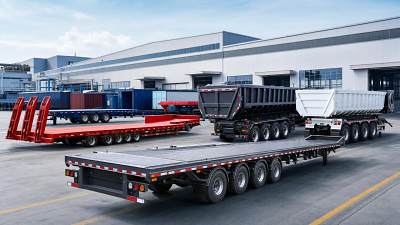
The first step in truck trailer sourcing is not asking for a catalog. It is defining payload, cargo type, road condition, climate, loading method, and local compliance requirements. A container chassis, lowbed trailer, dump trailer, or flatbed may look interchangeable in listings, but they serve very different transport tasks.
Questions procurement should answer first
- What cargo will be carried: containers, aggregates, machinery, steel coils, agricultural goods, or mixed freight?
- What is the normal and peak payload, and how often does overloading occur in actual operations?
- Will the trailer run on highways, mining roads, port yards, mountain roads, or urban delivery routes?
- Do loading and unloading require ramps, side access, tipping structure, or crane compatibility?
When this application profile is incomplete, suppliers will quote based on assumptions. That often leads to mismatched suspension, deck dimensions, axle configuration, or structural reinforcement.
Check 2: Does the trailer specification match local operating and legal limits?
In truck trailer sourcing, compliance should be checked before commercial negotiation. Buyers often compare suppliers based on body size and payload claims, but legal dimensions, axle loads, braking requirements, lighting, conspicuity markings, and coupling standards differ by market.
The table below shows common specification checkpoints procurement teams should align before requesting formal offers from trailer suppliers.
This checkpoint prevents a common mistake: comparing suppliers that are not quoting to the same specification baseline. Standardized requirement sheets make quotation comparison far more reliable.
Check 3: Can the supplier actually manufacture at the quality level promised?
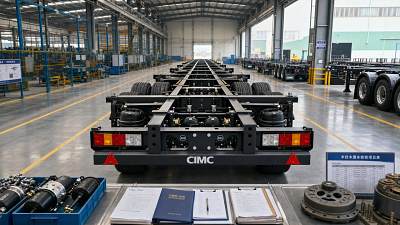
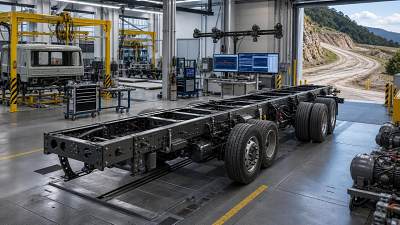
A polished brochure is not proof of production consistency. In truck trailer sourcing, procurement should evaluate whether the supplier can control welding quality, jigs and fixtures, paint process, axle installation accuracy, and final inspection routines.
What to verify in supplier capability review
- Production scope: Does the supplier build the trailer type you need regularly, or only occasionally?
- Process control: Are there visible steps for cutting, welding, alignment, blasting, coating, and final assembly?
- Quality records: Can the supplier provide inspection checklists, material records, or component traceability where needed?
- Customization ability: Can the factory adjust landing gear position, deck length, suspension, tire specification, or tool box layout?
For international buyers, digital sourcing platforms add value here. The Global Heavy Truck Industry Platform helps procurement teams identify suppliers across trailers, semi-trailers, trucks, construction machinery, and spare parts, making early-stage capability screening faster and more transparent.
Check 4: Are key components standardized, replaceable, and serviceable in your market?
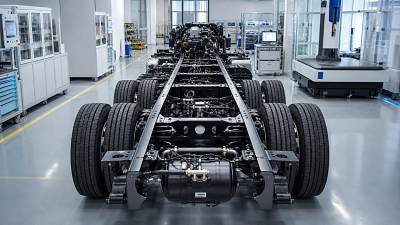
Trailer downtime is usually caused by component issues, not just main frame failure. During truck trailer sourcing, buyers should pay attention to axles, suspension, tires, brake chambers, slack adjusters, landing gear, electrical harnesses, and couplings. If replacement parts are difficult to source locally, a cheaper trailer may become costly in operation.
The table below can be used as a practical component review sheet before supplier comparison.
For procurement teams managing multiple countries, selecting components with broad aftermarket availability often reduces lifecycle risk more effectively than selecting the lowest initial quote.
Check 5: What certifications and trade documents are required for your market?
Not every trailer order requires the same documentation. However, truck trailer sourcing for export usually involves technical drawings, packing lists, invoices, serial identification, and country-specific compliance records. Depending on destination, buyers may also need evidence related to braking compliance, lighting, reflectors, or roadworthiness standards.
Typical compliance topics to discuss early
- Road legal dimensions and axle load limitations in the destination market.
- Whether ABS, reflective markings, side guards, underrun protection, or lighting standards are mandatory.
- Import clearance documents and chassis or frame identification requirements.
- Any customer-side audit documents needed for public tenders or infrastructure contracts.
This is where a specialized B2B platform is useful. The Global Heavy Truck Industry Platform supports product discovery and supplier evaluation with industry resources, buying guides, and multilingual information that help buyers prepare better documentation requests before negotiation.
Check 6: Is the lead time realistic from production to delivery?
Lead time in truck trailer sourcing is not only a factory issue. Procurement should break it into engineering confirmation, material procurement, production slot, inspection, inland transport, export handling, and ocean or land shipment. A supplier may promise fast delivery but depend on outsourced components with unstable availability.
Lead-time risk points buyers often miss
- Specification changes after order confirmation can delay drawings and material release.
- Special axle, tire, or suspension options may have longer procurement cycles than standard builds.
- Peak export seasons can affect container, Ro-Ro, or breakbulk shipment scheduling.
- Inspection or document corrections near shipment date can create avoidable port delays.
A reliable supplier should be able to explain timeline assumptions clearly. Buyers should request milestone dates rather than only a final delivery promise.
Check 7: What after-sales support will protect fleet uptime?
After-sales planning is one of the most underestimated parts of truck trailer sourcing. Procurement teams sometimes assume trailers require minimal service compared with powered equipment. In reality, brake issues, suspension wear, electrical faults, paint corrosion, and structural stress all require response mechanisms.
Before supplier comparison, ask how warranty claims are handled, what spare parts can be supplied with the order, how technical support is delivered, and whether maintenance manuals are available in a usable language.
- Confirm recommended spare parts for 6 to 12 months of operation.
- Ask for maintenance intervals for brakes, suspension, wheel ends, and electrical systems.
- Clarify response process for missing parts, damage claims, or assembly questions after arrival.
How to compare suppliers after these seven truck trailer sourcing checks
Once the seven checks are complete, supplier comparison becomes more objective. You are no longer comparing marketing language. You are comparing fit, risk, delivery confidence, serviceability, and commercial terms on the same basis.
A practical supplier scorecard for truck trailer sourcing should include technical compliance, manufacturing capability, component standardization, document readiness, lead-time clarity, after-sales process, and total landed cost.
This framework is especially useful for procurement teams handling bulk purchases, replacement cycles, or mixed fleets across logistics, construction, mining, and infrastructure transportation.
FAQ: common questions in truck trailer sourcing
How many suppliers should I compare after pre-screening?
For most procurement projects, three to five qualified suppliers are enough after technical screening. More than that often creates administrative noise without improving decision quality. The key is not quantity, but whether the suppliers are quoting to the same specification.
What matters more in truck trailer sourcing: price or component brand?
Neither should be viewed in isolation. Price matters, but only after confirming the trailer structure, legal fit, and component serviceability. A moderate price with standard replaceable parts is often safer than a lower quote with hard-to-source components.
How can I reduce risk when buying from overseas trailer suppliers?
Use a structured requirement sheet, request detailed quotations, confirm documentation needs early, and review after-sales arrangements before payment terms are finalized. Specialized global platforms also help by centralizing supplier discovery and industry information in one place.
Which trailer types require the most careful sourcing review?
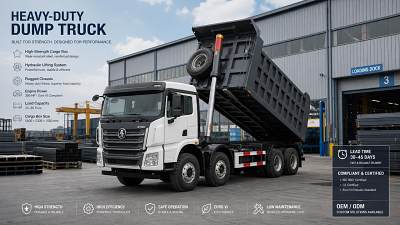
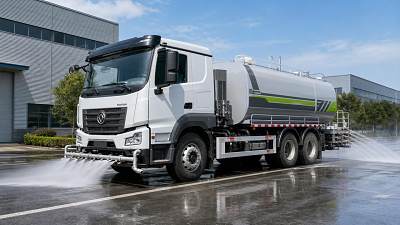
Lowbed trailers, dump trailers, tanker-related structures, and heavy-duty flatbeds usually require more detailed review because they involve higher structural stress, more specialized loading conditions, and tighter compliance or safety considerations.
Why choose us for truck trailer sourcing support
The Global Heavy Truck Industry Platform is built for professional buyers in the commercial vehicle and heavy equipment supply chain. Instead of searching fragmented sources, procurement teams can explore trailers, semi-trailers, trucks, chassis, construction machinery, and spare parts through one specialized international B2B ecosystem.
Our value is not limited to product listings. We help buyers improve truck trailer sourcing decisions with supplier discovery tools, industry insights, buying guides, global brand references, and multilingual information support. This makes early-stage supplier evaluation faster and more practical.
If you are planning a new trailer procurement project, you can contact us for specification confirmation, product selection, supplier comparison support, estimated delivery cycle discussion, customization review, certification-related questions, spare parts planning, and quotation matching based on your transport scenario.
For buyers managing fleet expansion, replacement programs, infrastructure transport demand, or cross-border equipment sourcing, a clearer sourcing process leads to better commercial outcomes. Start with the seven checks above, then use a specialized industry platform to compare the right suppliers with confidence.
Trending News
- Truck Cement Wholesale: What Determines Stable Delivery and Margin?
- Truck Trailer Bulk Order Cost Breakdown for 2026 Budget Planning
- Truck Trailer Sourcing: 7 Checks Before You Compare Suppliers
- Truck Trailer OEM vs ODM: Which Model Lowers Supply Risk?
- How to Evaluate a Heavy Truck Chassis Manufacturer With R&D Capability in 2026
Tag
Recommended News
 Buying GuideTruck Trailer Sourcing: 7 Checks Before You Compare SuppliersTruck trailer sourcing starts with the right checks. Discover 7 essential steps to verify compliance, quality, lead time, and after-sales support before comparing suppliers.
 Buying GuideTruck Trailer OEM vs ODM: Which Model Lowers Supply Risk?Truck trailer OEM vs ODM: learn which model better reduces supply risk, improves quality control, and protects long-term sourcing flexibility for global trailer buyers.
 Buying GuideHow to Evaluate a Heavy Truck Chassis Manufacturer With R&D Capability in 2026Heavy truck chassis manufacturer with R&D capability: learn how to evaluate engineering strength, validation, compliance, and long-term reliability in 2026 to choose the right supplier.
 Buying GuideHow to Compare Semi Trailer Distributors by Lead Time and SupportSemi trailer distributor comparison starts with lead time and support. Learn how to evaluate delivery reliability, technical response, and after-sales service for smarter sourcing.
 Buying GuideSemi Trailer Bulk Order Risks and Quality Checks Before SigningSemi trailer bulk order risks can quickly multiply without strict checks. Discover the key quality, compliance, and delivery points to verify before signing and protect your fleet investment.
 Buying GuideHow to Evaluate a Heavy Truck Chassis Manufacturer With R&D CapabilityHeavy truck chassis manufacturer with R&D capability: learn how to verify engineering, testing, customization, and quality control to reduce sourcing risk and choose a reliable supplier.
 Buying GuideTruck Tipper Sourcing Checklist: Specs, Lead Time, and ComplianceTruck tipper sourcing starts with the right checklist. Compare specs, lead time, and compliance requirements to reduce risk, evaluate suppliers faster, and choose equipment that fits your operation.
 Buying GuideTruck Tipper Bulk Order: 5 Cost Risks to Check Before SigningTruck tipper bulk order buyers: uncover 5 hidden cost risks before signing, from specs and landed cost to compliance, payment terms, and after-sales support.
 Buying GuideHow to Vet a Heavy Truck Chassis Manufacturer With R&D Capability in 2026Heavy truck chassis manufacturer with R&D capability: learn how to verify engineering depth, testing, customization, and reliability in 2026 to choose a lower-risk supplier.
 Buying GuideDump Truck Bulk Order Risks: What to Confirm Before SigningDump truck bulk order risks can erase savings fast. Learn what to confirm on supplier credibility, specs, delivery, compliance, payment terms, and after-sales support before you sign.
 Buying GuideTruck Cement for Sale: How to Compare Grades for Different Haul JobsTruck cement for sale guide: compare light, medium, and heavy-duty grades by route, payload, terrain, and service support to choose the right mixer truck with lower downtime.
 Buying GuideTruck Tipper Wholesale: Key Specs That Affect Jobsite EfficiencyTruck tipper wholesale guide for project managers: compare body capacity, hydraulics, axle layout, and durability to boost jobsite efficiency, uptime, and ROI.
 Buying GuideTruck Cement Supplier Checklist: Quality, Lead Time, and Delivery RiskTruck cement supplier checklist for B2B buyers: compare quality control, lead time, and delivery risk to reduce delays, improve sourcing confidence, and choose a more reliable supply partner.
 Buying GuideHow to Evaluate a Heavy Truck Chassis Manufacturer with R&D Capability in 2026Heavy truck chassis manufacturer with R&D capability: learn how to assess design strength, compliance readiness, testing, and supply reliability in 2026 for smarter sourcing.
 Buying GuideLogging Truck Manufacturer Guide: Payload, Stability, and Road ConditionsLogging truck manufacturer guide covering payload, stability, and road conditions. Compare real-world performance, safety, and lifecycle value before you buy.
 Buying GuideTruck Tipper Manufacturer Checklist for Mining and Construction FleetsTruck tipper manufacturer checklist for mining and construction fleets: compare durability, safety, payload efficiency, and support to choose the right supplier with confidence.
 Buying GuideTruck Trailer Supplier Comparison: Lead Time, Compliance, and After-Sales RisksTruck trailer supplier comparison goes beyond price. Learn how to assess lead time, compliance, and after-sales risks to choose a reliable partner and reduce sourcing uncertainty.
 Buying GuideWater Truck Manufacturer Selection: Key Tank, Pump, and Chassis ChecksWater truck manufacturer selection starts with the right checks. Learn how to verify tank quality, pump performance, and chassis fit to reduce downtime and choose a reliable supplier.
 Buying GuideHow to Evaluate a Heavy Truck Chassis Manufacturer With R&D Capability in 2026Heavy truck chassis manufacturer with R&D capability: learn how to verify engineering, testing, customization, and compliance in 2026 to choose a lower-risk supplier.
 Buying GuideHow to Compare a Logging Truck Distributor by Service CoverageLogging truck distributor comparison starts with service coverage. Learn how to assess parts access, field support, warranty response, and dealer backing for stronger uptime and growth.
 Buying GuideChoosing a Water Truck Supplier for Dust Control ProjectsWater truck supplier selection for dust control starts with reliability, spray performance, parts support, and service. Learn how to compare suppliers and choose with confidence.
 Buying GuideCrane Truck Manufacturer Checklist for Safe Lifting PerformanceCrane truck manufacturer checklist for safer lifting: compare structural strength, load safety systems, compliance, and service support to reduce risk and source with confidence.
 Buying GuideHow to Evaluate a Heavy Truck Chassis Manufacturer With R&D Capability in 2026Heavy truck chassis manufacturer with R&D capability: learn how to assess engineering depth, validation, compliance, and production consistency in 2026 to choose a reliable supplier.
 Buying GuideCab Chassis Truck for Fire Department: Key Specs Before OrderingCab chassis truck for fire department buyers: compare GVWR, axle ratings, PTO, braking, electrical capacity, and body-fit specs before ordering to reduce risk and improve fleet reliability.
 Buying GuideChoosing a Water Truck Factory for Municipal and Mining ProjectsWater truck factory selection impacts uptime, cost, and reliability. Learn how to compare suppliers for municipal and mining projects with practical buying criteria.