Logging Truck Manufacturer Guide: Payload, Stability, and Road Conditions
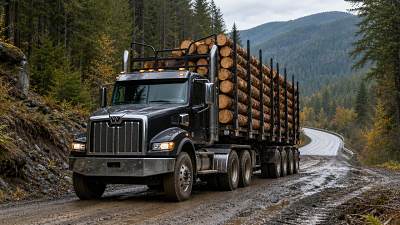
Choosing the right logging truck manufacturer affects safety, uptime, and profit more than many operators expect. Logging trucks work under extreme stress, carrying dense timber over steep grades, muddy access roads, and mixed highway routes. A truck that looks strong on paper may still perform poorly if payload balance, chassis rigidity, suspension tuning, and brake control do not match real forest conditions. This guide explains how to evaluate a logging truck manufacturer through a practical checklist focused on payload, stability, durability, and road adaptability.
Why a Checklist Matters When Comparing a Logging Truck Manufacturer
Logging transport is not a standard on-road application. Vehicle stress changes with log length, moisture content, terrain slope, axle loading, and seasonal road quality. A structured checklist helps compare products beyond brochure claims.
It also reduces selection errors. A reliable logging truck manufacturer should prove engineering strength through frame design, component matching, service support, and operating data from demanding timber routes.
Core Checklist: How to Evaluate Payload, Stability, and Road Performance
Use the following checklist when screening a logging truck manufacturer or comparing several truck platforms for forestry transport.
- Confirm rated payload under real timber density, not empty platform assumptions, and verify legal axle distribution with full loads on off-road and public road sections.
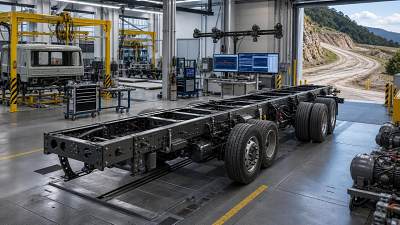
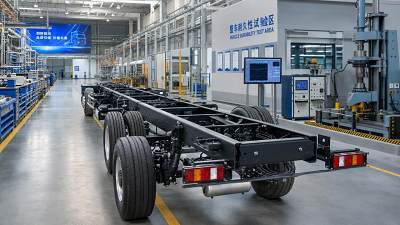
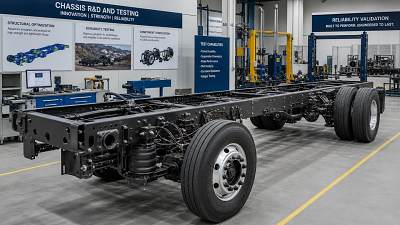
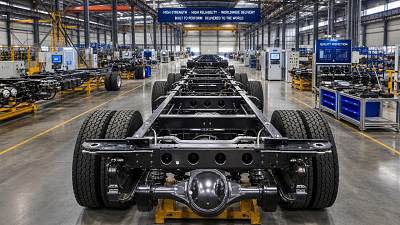
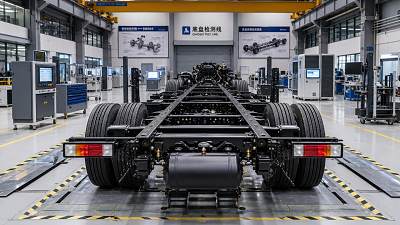
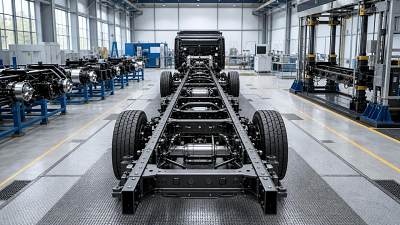
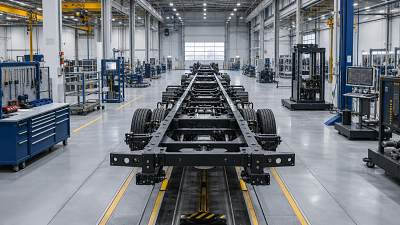
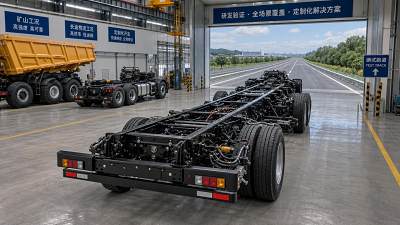
- Inspect frame strength, crossmember spacing, and torsional resistance to ensure the chassis can absorb twisting forces from rutted forest roads without fatigue cracking.
- Check suspension geometry and spring or air setup for roll control, because tall log stacks raise the center of gravity and increase overturn risk.
- Review axle specification, hub reduction options, and differential locks to maintain traction on mud, gravel, steep climbs, and uneven logging access routes.
- Measure brake performance under downhill timber loads, including engine braking, retarder compatibility, and heat resistance during repeated descent cycles.
- Verify wheelbase, turning radius, and steer angle to make sure the truck can enter loading zones, narrow forest tracks, and temporary site roads.
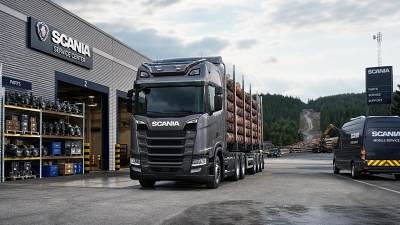
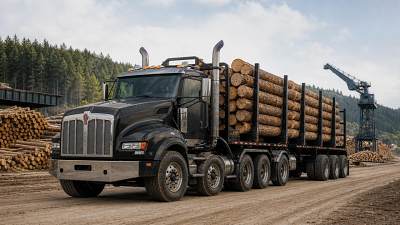
- Assess bunk design, load securing systems, and stake durability so logs remain centered and stable during cornering, braking, and rough-road vibration.
- Compare engine torque curves with transmission ratios to ensure low-speed pulling power without sacrificing highway efficiency between forest and mill destinations.
- Ask for corrosion protection, underbody shielding, and cooling system performance where trucks face wet bark debris, mud packing, and extended low-speed operation.
- Examine service access, parts availability, and remote support capacity, especially if the logging truck manufacturer serves regions with limited dealer coverage.
- Request field references from timber hauling fleets using similar terrain, payload classes, and route lengths rather than relying only on generic heavy truck applications.
- Calculate lifecycle cost through tire wear, fuel use, driveline maintenance, and structural repair history instead of comparing initial purchase price alone.
What Good Payload Design Really Looks Like
Payload capacity is more than a high gross vehicle weight rating. Timber loads are irregular, dynamic, and often wet. That means weight shifts during braking, climbing, and side-slope travel.
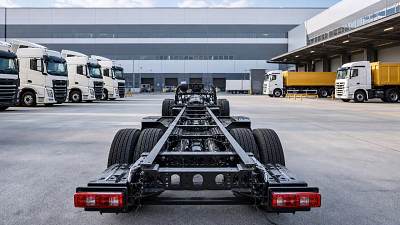
A capable logging truck manufacturer designs around load distribution, not just maximum numbers. Strong frame rails, stable bunk placement, reinforced suspension mounts, and matched axle ratings matter more than advertised capacity alone.
Look for technical data showing front-rear balance with different log lengths. If axle loading becomes uneven, steering control, tire life, and brake consistency will suffer quickly.
Key payload questions
Ask whether the truck was engineered specifically for timber haulage or adapted from a general cargo platform. Purpose-built forestry trucks usually show better frame endurance and load restraint integration.
How Stability Changes Across Real Road Conditions
Stability depends on more than a low center of gravity. In logging operations, road surfaces change within one trip. A truck may leave a paved highway, cross washboard gravel, then climb muddy switchbacks.
This is where an experienced logging truck manufacturer stands out. Proper suspension travel, anti-roll behavior, traction control, and axle articulation support safe handling without excessive frame stress.
Highway sections
At higher speed, stable steering, balanced braking, and predictable lane control become critical. Poorly matched suspension can cause sway, bounce, or uneven tire loading with tall timber stacks.
Forest access roads
On loose or damaged roads, traction and chassis compliance matter most. Locking differentials, suitable approach angles, and durable underbody protection reduce immobilization and component damage.
Steep descents and side slopes
Descending with timber loads demands continuous braking confidence. Retarders, engine brake strength, and brake cooling should be examined together, especially where long downhill runs are common.
Application Notes for Different Timber Transport Scenarios
Short-distance forest-to-yard transport
These operations usually emphasize traction, maneuverability, and structural toughness. Average speed is lower, but impact loads are higher because of rough tracks and frequent loading cycles.
In this case, a logging truck manufacturer with robust suspension, reduced maintenance access time, and strong off-road axle options is often a better fit than one focused on highway comfort.
Mixed road transport to mills or ports
Mixed routes require balance. The truck must handle rough loading zones yet still remain efficient on paved roads. Fuel economy, driveline gearing, and brake stability become more important here.
Ask the logging truck manufacturer for real fuel data under full timber load and clarification on maintenance intervals when trucks alternate between dust, mud, and highway speeds.
Mountain or rainy region operations
In wet and steep areas, braking redundancy, corrosion resistance, and tire compatibility are essential. Stability issues become more severe when wet logs shift on uneven descents.
Select a logging truck manufacturer that can document downhill control systems, sealed electrical protection, and frame coatings suitable for moisture and debris exposure.
Commonly Overlooked Risks When Selecting a Logging Truck Manufacturer
Ignoring load securement details. Strong engines do not compensate for weak stakes, poor bunk alignment, or inadequate tie-down points. These problems directly affect safety and compliance.
Focusing only on engine horsepower. Forestry haulage depends more on torque delivery, gear ratios, and traction hardware than headline power numbers.
Overlooking service reach. A quality truck still loses value if replacement parts, diagnostics, or technical support are difficult to access in remote operating regions.
Using generic road specifications. Standard heavy-duty truck data may not reflect forestry conditions. Ask for evidence from timber transport, not broad construction or logistics references.
Underestimating seasonal change. A truck that performs in dry weather may become unstable or traction-limited during rain, thaw periods, or icy descents.
Practical Execution Steps Before Final Selection
- Map the full route profile, including grade, road surface, turning limits, and legal axle restrictions.
- Define actual timber payload ranges by species, moisture, and log length.
- Shortlist each logging truck manufacturer based on forestry-specific engineering evidence.
- Request technical drawings, axle load data, brake specifications, and service network coverage.
- Compare lifecycle operating cost, not only purchase quotation or delivery schedule.
- Arrange field validation or reference checks on similar timber hauling routes.
Conclusion and Next Action
The best logging truck manufacturer is not simply the one with the largest payload claim. The right choice combines safe load distribution, high chassis stability, durable off-road performance, and dependable service support.
Use a checklist-based review to compare real engineering value under timber transport conditions. For broader supplier discovery, product comparison, and industry sourcing support, the Global Heavy Truck Industry Platform offers access to commercial vehicle resources, global suppliers, and heavy transport insights that help turn evaluation into confident action.
Trending News
- Crane Truck Exporter Options: Matching Lifting Capacity to Project Needs
- Dump Truck Exporter Costs Explained: Shipping, Duties, and Hidden Fees
- Construction Machinery Price Trends in 2026: What Is Driving Total Cost Up
- Truck Tipper Exporter Review: What to Check Before Signing an Overseas Order
- Logging Truck Manufacturer Guide: Payload, Stability, and Road Conditions
Tag
Recommended News
 Buying GuideLogging Truck Manufacturer Guide: Payload, Stability, and Road ConditionsLogging truck manufacturer guide covering payload, stability, and road conditions. Compare real-world performance, safety, and lifecycle value before you buy.
 Buying GuideTruck Tipper Manufacturer Checklist for Mining and Construction FleetsTruck tipper manufacturer checklist for mining and construction fleets: compare durability, safety, payload efficiency, and support to choose the right supplier with confidence.
 Buying GuideTruck Trailer Supplier Comparison: Lead Time, Compliance, and After-Sales RisksTruck trailer supplier comparison goes beyond price. Learn how to assess lead time, compliance, and after-sales risks to choose a reliable partner and reduce sourcing uncertainty.
 Buying GuideWater Truck Manufacturer Selection: Key Tank, Pump, and Chassis ChecksWater truck manufacturer selection starts with the right checks. Learn how to verify tank quality, pump performance, and chassis fit to reduce downtime and choose a reliable supplier.
 Buying GuideHow to Evaluate a Heavy Truck Chassis Manufacturer With R&D Capability in 2026Heavy truck chassis manufacturer with R&D capability: learn how to verify engineering, testing, customization, and compliance in 2026 to choose a lower-risk supplier.
 Buying GuideHow to Compare a Logging Truck Distributor by Service CoverageLogging truck distributor comparison starts with service coverage. Learn how to assess parts access, field support, warranty response, and dealer backing for stronger uptime and growth.
 Buying GuideChoosing a Water Truck Supplier for Dust Control ProjectsWater truck supplier selection for dust control starts with reliability, spray performance, parts support, and service. Learn how to compare suppliers and choose with confidence.
 Buying GuideCrane Truck Manufacturer Checklist for Safe Lifting PerformanceCrane truck manufacturer checklist for safer lifting: compare structural strength, load safety systems, compliance, and service support to reduce risk and source with confidence.
 Buying GuideHow to Evaluate a Heavy Truck Chassis Manufacturer With R&D Capability in 2026Heavy truck chassis manufacturer with R&D capability: learn how to assess engineering depth, validation, compliance, and production consistency in 2026 to choose a reliable supplier.
 Buying GuideCab Chassis Truck for Fire Department: Key Specs Before OrderingCab chassis truck for fire department buyers: compare GVWR, axle ratings, PTO, braking, electrical capacity, and body-fit specs before ordering to reduce risk and improve fleet reliability.
 Buying GuideChoosing a Water Truck Factory for Municipal and Mining ProjectsWater truck factory selection impacts uptime, cost, and reliability. Learn how to compare suppliers for municipal and mining projects with practical buying criteria.
 Buying GuideLogging Truck Producer Comparison: Payload, Durability, and ServiceLogging truck producer comparison for buyers focused on payload, durability, and after-sales service. Learn how to compare suppliers, reduce downtime, and source with confidence.
 Buying GuideHow to Evaluate a Heavy Truck Chassis Manufacturer With R&D CapabilityHeavy truck chassis manufacturer with R&D capability: learn how to assess engineering depth, testing, customization, and compliance to choose a reliable supplier with lower lifecycle risk.
 Buying GuideChoosing a Truck Chassis Supplier for Trailer Manufacturing NeedsTruck chassis supplier for trailer manufacturing: learn how to compare quality, compliance, lead times, and total cost to choose reliable partners and improve sourcing results.
 Buying GuideBest Light Commercial Vehicle Options for Last Mile DeliveryLight commercial vehicle for last mile delivery: compare vans, light trucks, and chassis-cab options to reduce costs, improve uptime, and choose the best fit for urban logistics.
 Buying GuideTop Factors in Choosing a Truck Chassis Supplier in EuropeTruck chassis supplier in Europe selection starts with quality, compliance, customization, and lead time. Learn how to compare suppliers and reduce sourcing risk.
 Buying GuideHow to Evaluate a Heavy Truck Chassis Manufacturer With R&D CapabilityHeavy truck chassis manufacturer with R&D capability: learn how to assess engineering strength, validation, compliance, and support to choose durable, market-ready chassis solutions.
 Buying GuideWhat to Compare in a Light Duty Truck Manufacturer in USALight duty truck manufacturer in USA: compare build quality, compliance, lead time, customization, and service support to reduce sourcing risk and improve fleet value.
 Buying GuideChoosing a Dump Truck Supplier with Quick Delivery for Tight Project TimelinesFind a dump truck supplier with quick delivery that fits tight project timelines. Compare fast lead times, reliable quality, parts support, and export-ready service.
 Buying GuideHow to Evaluate a Heavy Truck Chassis Manufacturer with R&D CapabilityHeavy truck chassis manufacturer with R&D capability: learn how to assess testing, customization, compliance, and scenario fit to choose a reliable supplier with confidence.
 Buying GuideConstruction Machinery Supplier for Municipal Engineering: What to Compare FirstConstruction machinery supplier for municipal engineering: compare integrated equipment range, spare parts support, delivery reliability, and lifecycle value before price to reduce downtime and keep urban projects on schedule.
 Buying GuideHow to Evaluate a Heavy Truck Chassis Manufacturer with R&D CapabilityHeavy truck chassis manufacturer with R&D capability: learn how to assess engineering strength, customization, testing, and lifecycle support to choose a reliable supplier.
 Buying GuideFlatbed Trailer Supplier with High Strength: What to Check FirstFlatbed trailer supplier with high strength: learn what to check first, from payload and steel grade to welding, components, and after-sales support for safer, lower-cost transport.
 Buying GuideHow to Evaluate a Heavy Truck Chassis Manufacturer with R&D CapabilityHeavy truck chassis manufacturer with R&D capability: learn how to compare engineering strength, testing, customization, and supplier fit for long-haul, mining, construction, and municipal use.
 Buying GuideBulldozer Price vs Operating Cost: What Matters Before PurchaseBulldozer price is only the starting point. Compare fuel, maintenance, uptime, parts support, and resale value to choose a dozer that delivers lower total ownership cost.