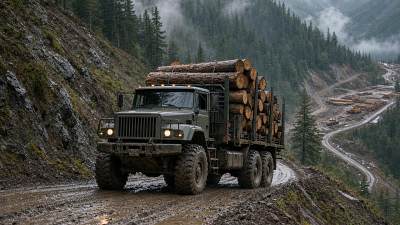
Logging Truck Producer Comparison: Payload, Durability, and Service
Choosing the right logging truck producer is critical for procurement teams focused on payload capacity, long-term durability, and dependable after-sales support. In a competitive global market, comparing manufacturers goes beyond price—it requires evaluating performance, service networks, parts availability, and total operating value. This guide helps buyers identify the key factors that matter when selecting reliable logging truck suppliers.
What should buyers compare when evaluating a logging truck producer?
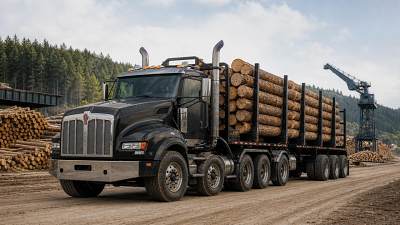
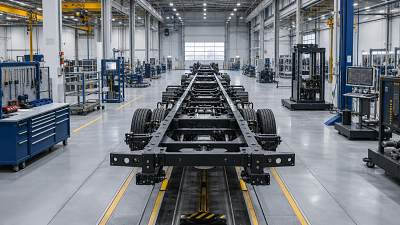
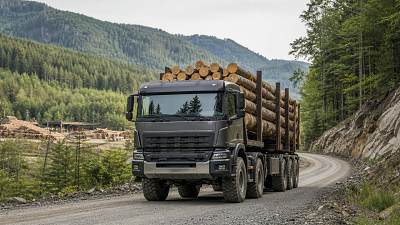
A logging truck producer serves a demanding segment of road transport equipment. These trucks operate on steep grades, unpaved forest roads, wet job sites, and remote loading areas where downtime is expensive and recovery is difficult.
For procurement teams, the core question is not simply which supplier offers the lowest acquisition cost. The real question is which manufacturer delivers the most stable payload performance, structural durability, and service responsiveness over the truck’s operating life.
A useful comparison framework usually includes the following dimensions:
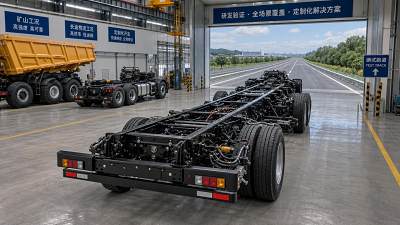
- Chassis strength, axle configuration, and suspension suitability for timber haul routes.
- Payload efficiency, including tare weight and gross vehicle weight compatibility.
- Powertrain matching for low-speed traction, climbing, and fuel economy under load.
- Crane interface, bunk design, frame reinforcement, and body integration flexibility.
- Parts support, service coverage, warranty handling, and lead-time reliability.
- Compliance with local transport rules, axle load regulations, and safety requirements.
This is where a specialized B2B sourcing platform becomes valuable. The Global Heavy Truck Industry Platform helps buyers compare manufacturers, truck configurations, spare parts resources, and supplier capabilities in one structured environment rather than across fragmented channels.
Payload matters first, but what does payload comparison really mean?
When buyers compare a logging truck producer, payload is often the first indicator discussed. Yet payload should not be treated as a single catalog number. It is affected by frame design, curb weight, axle layout, tire selection, body structure, and legal road limits in the target market.
A truck with a lower tare weight may carry more timber per trip, but only if structural integrity, stability, and braking performance remain suitable for rough transport routes. A truck optimized only for headline payload can become expensive if it suffers from fatigue cracks, suspension wear, or unstable handling.
The table below shows how procurement teams can compare payload-related factors when screening logging truck suppliers.
A strong logging truck producer will explain not only nominal payload, but also how that payload is achieved under real operating conditions. Procurement teams should ask for configuration sheets, axle load distribution data, and recommendations for intended timber density and route profile.
Why route conditions change payload decisions
Flat highway hauling and steep forestry extraction demand different priorities. In soft ground or mountain operations, traction and chassis resilience may matter more than maximizing every theoretical kilogram of payload. In long-distance paved transport, lower tare weight and fuel efficiency may carry more value.
How do buyers judge durability beyond brochure claims?
Durability is the second major filter in any logging truck producer comparison. Timber transport exposes equipment to torsional stress, uneven loading, vibration, mud contamination, and frequent stop-start cycles. These conditions accelerate wear in the frame, driveline, suspension, brakes, and hydraulic interfaces.
Instead of relying on generic statements, buyers should check whether the supplier can document design logic for severe-duty operation. The following indicators are especially useful during supplier evaluation.
- Frame design suited for repeated load concentration from log bunks and loading equipment.
- Protection for hoses, electrical lines, tanks, and underbody components exposed to debris.
- Axles, hubs, and differential specifications aligned with off-road duty cycles.
- Brake systems sized for heavy downhill movement and wet environments.
- Cab robustness and sealing quality for driver safety and operational comfort.
Durability also depends on service discipline. Even a capable logging truck producer cannot guarantee long life if the operator lacks scheduled inspections, grease intervals, and replacement parts planning. That is why sourcing decisions should connect truck selection with maintenance support from day one.
Questions procurement teams should ask suppliers
- Which components are upgraded specifically for logging or off-road timber haul applications?
- What preventive maintenance intervals are recommended under severe-duty use?
- Can the supplier support spare parts lists for the exact truck configuration ordered?
- How are chassis modifications handled when adding bunks, cranes, or trailers?
Service network and parts support: the hidden factor in logging truck producer comparison
Many procurement teams focus heavily on purchase price and technical specifications, then discover too late that the service network is weak. In remote timber operations, a delayed part or unclear warranty process can idle equipment for days and disrupt delivery contracts.
That is why after-sales support should be evaluated as a core commercial factor, not an afterthought. A reliable logging truck producer usually performs better in long-term fleet economics when parts channels, technical response, and service coordination are predictable.
The following table can be used as a practical supplier service assessment tool.
For international procurement, the Global Heavy Truck Industry Platform reduces this uncertainty by helping buyers compare supplier responsiveness, product categories, spare parts access, and cross-border sourcing options in one place. This is especially useful when buyers need to shortlist multiple logging truck suppliers quickly.
Which truck configurations fit different timber transport scenarios?
Not every logging truck producer is equally strong across all forestry applications. The best choice depends on route length, road quality, timber length, loading method, climate, and whether the truck operates as a rigid unit or with a trailer.
Buyers should match vehicle architecture to the real working environment rather than buy the most common specification in the market.
This application guide helps align sourcing decisions with field conditions.
This comparison shows why procurement teams should request scenario-based recommendations from each logging truck producer. A supplier that asks about terrain, trip distance, and load profile is usually more aligned with operational success than one that only pushes a standard model.
Common configuration variables to confirm
- Engine torque curve for steep climbs with full timber loads.
- Transmission ratios suited for low-speed off-road traction and road cruising.
- Brake retarder or auxiliary braking requirements for downhill routes.
- Compatibility with self-loading cranes, trailers, and regional body standards.
How to control total cost, not just purchase price
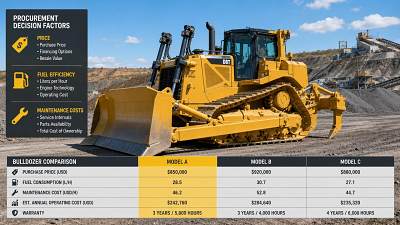
A lower initial quote from one logging truck producer may look attractive, but procurement value comes from total cost of ownership. Timber haul fleets are sensitive to downtime, tire wear, fuel consumption, drivetrain repairs, and replacement lead times.
Buyers should build a cost model that covers the full operating cycle. This approach supports more accurate supplier comparison and reduces the risk of selecting under-specified trucks.
- Acquisition cost, body integration cost, and delivery charges.
- Fuel use under typical load and road conditions.
- Scheduled maintenance cost and service interval frequency.
- Replacement parts cost for wear items and high-risk components.
- Expected downtime cost tied to parts lead time and repair complexity.
- Residual value, rebuild potential, and compatibility with fleet standards.
Procurement teams using the Global Heavy Truck Industry Platform can accelerate this analysis by comparing multiple suppliers, complete truck options, and spare parts categories alongside industry information. That supports better price benchmarking and more balanced decision-making.
What standards and compliance points should buyers confirm?
Compliance is often overlooked until late in the transaction. Yet for a logging truck producer, regulatory fit can affect import approval, registration, road use legality, and insurance acceptance. Requirements differ by country, but buyers should verify both vehicle-level and component-level conformity.
- Emission stage compatibility for the destination market.
- Axle load and dimension compliance for local timber transport rules.
- Lighting, braking, underrun, and safety equipment requirements.
- Documentation for chassis modification, body installation, or trailer linkage.
- Parts traceability and technical documents needed for customs or fleet registration.
A capable supplier should be able to discuss these items clearly and identify which elements remain the buyer’s responsibility after import or local body assembly. Early confirmation prevents delays and avoids costly rework.
FAQ for procurement teams comparing logging truck suppliers
How do I compare one logging truck producer with another if models are not identical?
Use a normalized checklist. Compare axle layout, curb weight, engine torque, frame structure, service coverage, and spare parts lead time. If body equipment differs, separate the base truck value from crane, bunk, or trailer additions so the comparison remains fair.
What is the most common buying mistake in logging truck procurement?
The most common mistake is buying on purchase price alone. A truck that is cheaper upfront may create higher cost through weak frame life, poor parts availability, or unsuitable gearing for off-road work. A good logging truck producer should help define operating conditions before quoting.
Should buyers prioritize payload or durability?
The answer depends on route severity and utilization. In harsh forestry conditions, durability usually protects profitability better than chasing the highest nominal payload. In stable road transport with consistent compliance limits, payload efficiency may carry more weight. The best supplier balance is application-specific.
How important is parts availability when selecting a logging truck producer?
It is critical. Logging operations often run far from urban service centers, so breakdown recovery is expensive. Fast-moving parts access, technical manuals, and clear service escalation paths can be as important as engine or axle specifications.
Why choose our platform for logging truck producer sourcing?
For buyers in road transport equipment, sourcing a logging truck producer through a specialized industry platform is more efficient than relying on scattered contacts. The Global Heavy Truck Industry Platform brings together manufacturers, suppliers, distributors, product categories, and industry resources across the heavy truck ecosystem.
This helps procurement teams move from broad market screening to practical supplier comparison with better speed and visibility. Instead of reviewing logging truck suppliers in isolation, buyers can evaluate complete trucks, chassis options, spare parts support, and related heavy equipment within a connected commercial environment.
What you can consult with us
- Payload and chassis parameter confirmation for your timber transport routes.
- Logging truck producer comparison based on durability, service coverage, and supply capability.
- Product selection for rigid logging trucks, tractor combinations, or compatible trailer solutions.
- Delivery cycle discussions, spare parts planning, and after-sales coordination points.
- Customization needs related to body integration, application scenarios, and destination market requirements.
- Quotation communication and supplier shortlisting for international procurement projects.
If your team is comparing a logging truck producer for upcoming fleet purchases, contact us with your target payload, route profile, service expectations, and delivery timeline. We can help you narrow options, align specifications with operating conditions, and improve sourcing efficiency across the heavy truck supply chain.
Trending News
- Cab Chassis Truck for Fire Department: Key Specs Before Ordering
- When to Use an Excavator With Long Reach Boom on Site
- Choosing a Water Truck Factory for Municipal and Mining Projects
- Truck Parts Wholesale: How to Balance Price, Quality, and Lead Time
- Crane Truck Price in 2026: What Drives Total Ownership Cost
Tag
Recommended News
 Buying GuideCab Chassis Truck for Fire Department: Key Specs Before OrderingCab chassis truck for fire department buyers: compare GVWR, axle ratings, PTO, braking, electrical capacity, and body-fit specs before ordering to reduce risk and improve fleet reliability.
 Buying GuideChoosing a Water Truck Factory for Municipal and Mining ProjectsWater truck factory selection impacts uptime, cost, and reliability. Learn how to compare suppliers for municipal and mining projects with practical buying criteria.
 Buying GuideLogging Truck Producer Comparison: Payload, Durability, and ServiceLogging truck producer comparison for buyers focused on payload, durability, and after-sales service. Learn how to compare suppliers, reduce downtime, and source with confidence.
 Buying GuideHow to Evaluate a Heavy Truck Chassis Manufacturer With R&D CapabilityHeavy truck chassis manufacturer with R&D capability: learn how to assess engineering depth, testing, customization, and compliance to choose a reliable supplier with lower lifecycle risk.
 Buying GuideChoosing a Truck Chassis Supplier for Trailer Manufacturing NeedsTruck chassis supplier for trailer manufacturing: learn how to compare quality, compliance, lead times, and total cost to choose reliable partners and improve sourcing results.
 Buying GuideBest Light Commercial Vehicle Options for Last Mile DeliveryLight commercial vehicle for last mile delivery: compare vans, light trucks, and chassis-cab options to reduce costs, improve uptime, and choose the best fit for urban logistics.
 Buying GuideTop Factors in Choosing a Truck Chassis Supplier in EuropeTruck chassis supplier in Europe selection starts with quality, compliance, customization, and lead time. Learn how to compare suppliers and reduce sourcing risk.
 Buying GuideHow to Evaluate a Heavy Truck Chassis Manufacturer With R&D CapabilityHeavy truck chassis manufacturer with R&D capability: learn how to assess engineering strength, validation, compliance, and support to choose durable, market-ready chassis solutions.
 Buying GuideWhat to Compare in a Light Duty Truck Manufacturer in USALight duty truck manufacturer in USA: compare build quality, compliance, lead time, customization, and service support to reduce sourcing risk and improve fleet value.
 Buying GuideChoosing a Dump Truck Supplier with Quick Delivery for Tight Project TimelinesFind a dump truck supplier with quick delivery that fits tight project timelines. Compare fast lead times, reliable quality, parts support, and export-ready service.
 Buying GuideHow to Evaluate a Heavy Truck Chassis Manufacturer with R&D CapabilityHeavy truck chassis manufacturer with R&D capability: learn how to assess testing, customization, compliance, and scenario fit to choose a reliable supplier with confidence.
 Buying GuideConstruction Machinery Supplier for Municipal Engineering: What to Compare FirstConstruction machinery supplier for municipal engineering: compare integrated equipment range, spare parts support, delivery reliability, and lifecycle value before price to reduce downtime and keep urban projects on schedule.
 Buying GuideHow to Evaluate a Heavy Truck Chassis Manufacturer with R&D CapabilityHeavy truck chassis manufacturer with R&D capability: learn how to assess engineering strength, customization, testing, and lifecycle support to choose a reliable supplier.
 Buying GuideFlatbed Trailer Supplier with High Strength: What to Check FirstFlatbed trailer supplier with high strength: learn what to check first, from payload and steel grade to welding, components, and after-sales support for safer, lower-cost transport.
 Buying GuideHow to Evaluate a Heavy Truck Chassis Manufacturer with R&D CapabilityHeavy truck chassis manufacturer with R&D capability: learn how to compare engineering strength, testing, customization, and supplier fit for long-haul, mining, construction, and municipal use.
 Buying GuideBulldozer Price vs Operating Cost: What Matters Before PurchaseBulldozer price is only the starting point. Compare fuel, maintenance, uptime, parts support, and resale value to choose a dozer that delivers lower total ownership cost.
 Buying GuideTruck Cement Mixer Supplier Comparison: Price, Lead Time, and ServiceTruck cement mixer supplier comparison guide covering price, lead time, service, and technical fit. Compare smarter, reduce sourcing risk, and choose a supplier that supports long-term fleet value.
 Buying GuideChoosing a Truck Cement Mixer Manufacturer for Long-Term ReliabilityTruck cement mixer manufacturer selection affects uptime, maintenance costs, and delivery reliability. Compare key specs, service support, and sourcing tips for smarter long-term procurement.
 Buying GuideTruck Cement Mixer Price: What Drives Total Cost in 2026Truck cement mixer price in 2026 depends on more than the quote. Compare chassis, drum capacity, maintenance, delivery, and supplier risk to make smarter, lower-cost buying decisions.
 Buying GuideCrane Truck for Sale: 7 Checks Before You Choose a ModelCrane truck for sale: discover 7 essential checks to compare models, reduce procurement risk, control total cost, and choose the right truck for safer, more efficient operations.
 Buying GuideHow to Compare a Truck Trailer Supplier Beyond Unit PriceTruck trailer supplier comparison should go beyond unit price. Learn how to assess quality, compliance, delivery, and after-sales support to reduce risk and secure long-term value.
 Buying GuideSemi Trailer Bulk Order Checklist for Delivery Risk and Lead TimeSemi trailer bulk order success starts with a clear checklist. Learn how to reduce delivery risk, control lead time, compare suppliers, and keep large trailer procurement on schedule.
 Buying GuideTruck Tipper OEM vs Standard Models: Which Lowers Project Costs?Truck tipper OEM vs standard models: discover which option cuts total project costs through better uptime, compliance, payload fit, and lower lifecycle expenses.
 Buying GuideLogging Truck Price Guide: Spec Choices That Change Total Ownership CostLogging truck price is more than the upfront quote. Discover how axle setup, engine sizing, durability, and service support shape total ownership cost and smarter buying decisions.
 Buying GuideLogging Truck Supplier Selection: Load Capacity, Terrain Fit, and DowntimeLogging truck supplier selection guide: compare load capacity, terrain fit, parts support, and downtime risk to choose reliable forestry trucks and cut operating costs.