Truck Parts Wholesale: How to Balance Price, Fit, and Turnover
In truck parts wholesale, distributors and dealers face a constant challenge: securing competitive prices without sacrificing fit, quality, or inventory turnover. As global demand for commercial vehicle parts grows, finding the right balance becomes essential for profitability and customer trust. This article explores practical ways to evaluate suppliers, optimize product selection, and build a smarter wholesale strategy for sustainable growth.
Why truck parts wholesale is more complex than simply buying at the lowest price
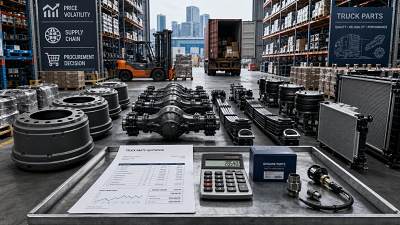
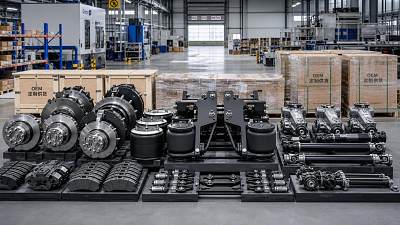
For dealers, distributors, and agents in the road transport equipment sector, truck parts wholesale is a margin game shaped by three moving targets: landed cost, technical fit, and stock velocity. A cheap part that does not match vehicle specifications can trigger returns, workshop delays, and customer complaints. A premium part with excellent durability can still become a poor investment if it sits in the warehouse for months.
The challenge becomes sharper in cross-border sourcing. Heavy-duty trucks, trailers, construction vehicles, and municipal fleets often run mixed brands, multiple axle configurations, and different emission stages. That means a distributor cannot rely on price lists alone. Fitment data, interchangeability, packaging consistency, and replenishment reliability matter just as much as the unit cost.
This is where a specialized B2B marketplace creates practical value. The Global Heavy Truck Industry Platform brings together suppliers, product categories, industry insights, and sourcing information across truck chassis and cab systems, complete trucks, construction machinery, trailers, and spare parts. For wholesale buyers, that wider visibility helps reduce sourcing blind spots and improves supplier comparison before purchase commitments are made.
- Price pressure comes from competitive downstream markets and tender-based fleet sales.
- Fitment risk increases when one SKU is expected to serve multiple truck models or regional specifications.
- Turnover risk grows when buyers overstock slow-moving parts or misjudge maintenance demand cycles.
How to balance price, fit, and turnover in truck parts wholesale purchasing
A workable purchasing model starts with categorization. Not every truck part should be evaluated using the same logic. Fast-moving maintenance parts, vehicle-off-road critical parts, and model-specific body or chassis components each require different sourcing priorities. When buyers classify their product portfolio first, they can decide where to push for lower price and where to prioritize fit accuracy or stable delivery.
A practical decision model for different product groups
The table below helps truck parts wholesale buyers align sourcing strategy with product type, customer expectations, and turnover behavior. It is especially useful for distributors serving logistics fleets, mining contractors, infrastructure projects, and mixed-brand aftermarket channels.
The key takeaway is simple: low price works best for standardized, fast-moving consumables. As the part becomes more technical, vehicle-specific, or failure-sensitive, truck parts wholesale buyers should give more weight to fitment, technical documentation, and delivery assurance.
Three questions every buyer should ask before placing an order
- Will this part fit the exact vehicle application, not just the general brand family?
- Can I turn this inventory within the planned cash cycle?
- If a problem occurs, does the supplier provide enough product data and after-sales support to resolve it quickly?
What fit really means in heavy truck spare parts
In truck parts wholesale, “fit” should never be reduced to physical dimensions only. Proper fit includes installation match, performance match, service-life expectations, and compatibility with the operating environment. A brake component may appear dimensionally correct but still fail to deliver expected performance under mountain hauling, overloaded routes, or stop-and-go municipal work.
Distributors serving road transport equipment buyers should verify fit using several layers of information. OE references, axle model data, engine platform, emission system version, and regional operating conditions all influence the correct SKU decision. This is especially important when fleets combine long-haul tractors, dump trucks, mixers, low-bed trailers, and construction support vehicles in the same procurement channel.
- Check part numbers against the exact vehicle model, production year, and subsystem version.
- Ask whether the part is intended for standard road logistics, off-road construction, or heavy-load mining use.
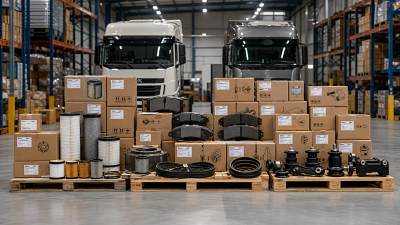
- Confirm packaging labels, markings, and documentation to reduce warehouse picking errors.
A professional sourcing platform helps here by making it easier to compare suppliers and identify those that provide structured product information rather than only price quotations. For agents and distributors, better data often translates into fewer claims and faster order decisions.
Which supplier evaluation criteria matter most in truck parts wholesale?
A reliable supplier should support your margin, your reputation, and your delivery commitments. In practice, that means buyers need a weighted evaluation system rather than a simple lowest-quotation rule. Truck parts wholesale sourcing works best when commercial and technical criteria are reviewed together.
Use the following supplier comparison table when screening new vendors or benchmarking current sources. It is especially relevant for businesses that need to serve multiple truck brands and regional aftermarket channels.
The best truck parts wholesale suppliers are not always the lowest-cost producers. They are the ones that help distributors move product with fewer errors, better stock planning, and more predictable customer outcomes. That is why professional buyer tools, market visibility, and supplier comparison features matter in wholesale sourcing.
How to improve inventory turnover without damaging service levels
Many distributors lose profit not during purchasing, but during storage. Overstocking creates hidden cost through tied-up capital, warehouse space, and slow-moving SKU complexity. Understocking creates lost sales and emergency freight. The goal in truck parts wholesale is not maximum stock. It is the right stock depth for the right vehicle parc.
A more disciplined stocking method
- Segment SKUs into A, B, and C groups by sales frequency, not by supplier catalog size.
- Build stock around local fleet composition, common axle brands, and repair patterns.
- Use smaller trial orders for new or uncertain applications before expanding inventory depth.
- Review return history to identify parts with chronic fitment or quality mismatch.
Platform-based sourcing supports this process because buyers can observe wider product ranges and compare supplier offerings more efficiently. When product discovery is easier and supplier access is broader, buyers do not need to carry every possible SKU locally. They can hold core movers and source special-demand items through trusted network partners.
Cost control: looking beyond the unit price
In truck parts wholesale, the visible quote is only one layer of cost. Real purchasing economics include packaging loss, freight efficiency, customs handling, quality claims, warranty exposure, and sales delay caused by incomplete documentation. A lower unit price can quickly become a higher total cost if the part generates rework or long complaint cycles.
Common hidden costs wholesale buyers should calculate
- Return and replacement cost, including labor, reverse logistics, and customer compensation.
- Inventory aging cost when specialized parts do not match actual demand.
- Emergency replenishment freight for missed forecast or unstable supplier output.
- Sales friction caused by weak catalog data, unclear images, or missing application details.
A disciplined wholesale buyer compares landed value, not just invoice value. This is one reason why access to supplier directories, buying guides, and market insights is so useful. It supports better cost forecasting and helps buyers identify when a slightly higher source price may reduce total ownership cost across the distribution cycle.
Standards, compliance, and documentation: what buyers should not ignore
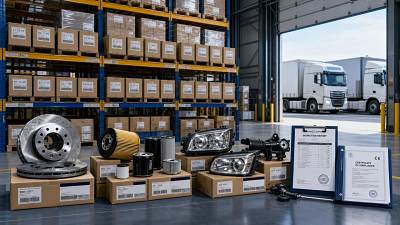
For commercial vehicle spare parts, compliance expectations vary by product type and destination market. Buyers should not assume that every part requires the same documentation, but they should always ask for clear product identification, packing details, and any relevant quality or testing records the supplier can reasonably provide. For some categories, material consistency and traceability are more important than marketing claims.
This matters because wholesale distributors often sell into workshops, fleets, public tenders, or project-based channels where documentation influences acceptance. Even when a formal certification is not mandatory, better records simplify customs, warehouse control, and after-sales investigation.
- Request application lists and OE cross references for fitment-sensitive parts.
- Check whether packaging and labeling support batch traceability.
- Confirm destination-market requirements before committing to large-volume purchases.
Common mistakes in truck parts wholesale procurement
Even experienced distributors make avoidable errors when market demand rises quickly. The most common issue is buying broad catalogs before validating local demand structure. Another is assuming that one part number can cover too many applications. In heavy truck aftermarket channels, details matter.
Mistakes that reduce profit and slow stock movement
- Choosing the lowest quote without reviewing product data completeness or claim response process.
- Overinvesting in slow-moving technical parts while understocking routine maintenance items.
- Ignoring packaging strength for fragile lamps, mirrors, and body-related components.
- Failing to align inventory with regional vehicle parc, route conditions, and repair patterns.
These mistakes are often reduced when buyers use a platform that combines supplier access with industry resources. Market insights, brand directories, and buying guides make sourcing decisions more evidence-based, especially for companies expanding into new truck brands or international trade lanes.
FAQ: practical questions from truck parts wholesale buyers
How should I choose between lower-price and higher-spec parts?
Start with the use case. For fast-moving maintenance items with stable demand and limited failure impact, competitive pricing may be the main priority. For steering, braking, engine, or transmission-related parts, fitment accuracy and supplier support should carry more weight because claim costs can quickly exceed any purchase saving.
What truck parts are usually best for regular stock in wholesale channels?
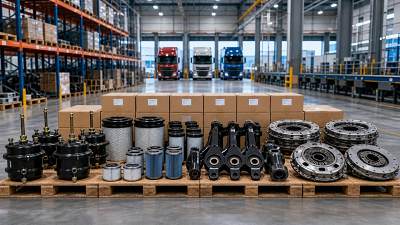
Routine service items such as filters, belts, brake wear parts, electrical consumables, and selected suspension parts often perform well in stock, provided they match the local vehicle population. Model-specific or high-ticket components are usually better managed through forecast purchasing, pre-orders, or supplier-backed replenishment plans.
How can I reduce wrong-order rates in truck parts wholesale?
Use a stricter fitment workflow. Verify OE references, model year, subsystem configuration, and application environment before placing orders. Standardize internal item coding and ask suppliers for clearer images, dimensions where relevant, and vehicle application notes. Stronger data discipline usually reduces returns more effectively than discount negotiations.
Why is a specialized heavy truck B2B platform useful for distributors?
Because it shortens the distance between demand and supplier validation. Instead of searching fragmented sources, distributors can explore product categories, compare suppliers, review market information, and identify suitable partners in one industry-focused environment. That supports quicker decisions, more targeted sourcing, and better expansion into new markets or product lines.
Why choose us for truck parts wholesale sourcing support
The Global Heavy Truck Industry Platform is built for companies operating across the commercial vehicle and heavy equipment supply chain. For distributors, dealers, and agents, its value goes beyond product listing access. It helps connect sourcing, comparison, and market intelligence in one professional B2B environment focused on road transport equipment.
If you are developing a truck parts wholesale strategy, you can use the platform to explore spare parts categories, compare supplier capabilities, review truck brand and application information, and identify potential partners for logistics transport, construction machinery support, trailers, and municipal or industrial vehicle needs.
- Ask for product parameter confirmation before placing orders for fitment-sensitive parts.
- Discuss product selection based on vehicle type, route condition, and turnover targets.
- Check estimated delivery cycles, MOQ structure, and mixed-order options for new SKU testing.
- Review documentation, packaging, and destination-market compliance requirements in advance.
- Communicate sample needs, quotation details, and supplier comparison priorities before volume sourcing.
For wholesale buyers, the right balance of price, fit, and turnover is not achieved by guesswork. It comes from better product data, better supplier screening, and better visibility across the heavy truck supply chain. If you want to refine your sourcing plan, compare suppliers more efficiently, or confirm the right truck parts wholesale options for your market, this is the right place to start the conversation.
Trending News
- Logging Truck Price in 2026: What Affects Total Ownership Cost?
- Crane Truck Cost Breakdown: Chassis, Boom, and Compliance Fees
- How to Compare a Logging Truck Distributor by Service Coverage
- Choosing a Water Truck Supplier for Dust Control Projects
- Water Truck Exporter Selection: Key Delivery and Compliance Risks
Tag
Recommended News
 Truck Parts IndustryTruck Parts Price Trends in 2026: What Is Driving Cost Changes?Truck parts price trends in 2026 are driven by steel, energy, freight, currency, and compliance costs. Discover what raises prices, which parts face the most pressure, and how buyers can source smarter.
 Truck Parts IndustryTruck Parts Wholesale: How to Balance Price, Quality, and Lead TimeTruck parts wholesale made smarter: learn how to balance price, quality, and lead time by application to cut downtime, reduce hidden costs, and source with more confidence.
 Truck Parts IndustryTruck Spare Parts Supplier with Bulk Order Discounts: Savings vs Stock RiskTruck spare parts supplier with bulk order discounts: learn when bulk buying cuts fleet costs and when stock risk hurts cash flow, uptime, and sourcing efficiency.
 Truck Parts IndustryTruck Spare Parts Supplier in Europe: Compliance Checks Before OrderingTruck spare parts supplier in Europe selection starts with compliance. Learn the key checks for safety, fitment, traceability, and import documents before you order.
 Truck Parts IndustryChoosing a Heavy Truck Parts Manufacturer with OEM Services for Stable SupplyHeavy truck parts manufacturer with OEM services: learn how to secure stable supply, consistent quality, and lower sourcing risk with practical buyer evaluation tips.
 Truck Parts IndustryHeavy Truck Parts for Construction: Durability vs Replacement CostHeavy truck parts manufacturer for construction insights: learn how to balance durability, replacement cost, and uptime across rough ground, urban projects, and severe-duty fleets.
 Truck Parts IndustryCold Storage Vehicle Parts That Reduce Failure RatesCommercial vehicle parts for cold storage that cut failure rates: explore seals, insulation, cooling, and electrical upgrades to protect cargo, reduce downtime, and improve fleet uptime.
 Truck Parts IndustryGermany Heavy Truck Parts Manufacturers: Quality and Supply RisksHeavy truck parts manufacturer in Germany: learn how to assess quality, certifications, and supply risks to secure safer sourcing, stable deliveries, and long-term fleet performance.
 Truck Parts IndustryVietnam to Enforce New Used Truck Import Rules from Q4 2026Vietnam's new used truck import rules (Q4 2026) require OEM remanufacturing certification & traceability—key for Chinese exporters, assemblers & logistics providers.
 Truck Parts IndustryChoosing a Truck Parts Exporter: Lead Time, Compliance, and Quality RisksTruck parts exporter selection affects uptime, compliance, and cost. Learn how to compare lead time, certification, and quality control to avoid delays, claims, and fleet-wide failures.
 Truck Parts IndustryGermany Heavy Truck Parts Manufacturers: Quality and Supply RisksHeavy truck parts manufacturer in Germany selection guide: compare quality systems, traceability, testing, and supply risks to secure reliable truck parts sourcing.
 Truck Parts IndustryIrkeshtam Port’s 24-Hour Freight Clearance Boosts Exports to KyrgyzstanIrkeshtam Port’s 24-hour freight clearance slashes heavy-truck component clearance to <15 mins—boosting road transport equipment exports to Kyrgyzstan.
 Truck Parts IndustryHeavy Truck Parts for Construction: Which Components Fail Most OftenHeavy truck parts manufacturer for construction insights: discover which brake, suspension, filter, and drivetrain components fail most often—and how smarter sourcing cuts downtime and repair costs.
 Truck Parts IndustryBulk Order Discounts on Truck Spare Parts: When Savings Become RiskTruck spare parts supplier with bulk order discounts: learn when lower prices increase downtime, quality, and inventory risk—and how to source smarter for reliable fleet performance.
 Truck Parts IndustryTruck Parts Wholesale: How to Balance Price, Quality, and Stock RiskTruck parts wholesale success depends on balancing price, quality, and inventory risk. Learn practical sourcing checks to protect margins, reduce dead stock, and choose reliable suppliers.
 Truck Parts IndustryHow OEM Services Reduce Downtime in Heavy Truck Parts SupplyHeavy truck parts manufacturer with OEM services helps cut downtime with accurate fit, faster lead times, and stable supply—discover smarter sourcing for fleet maintenance.
 Truck Parts IndustryErenhot-Mongolia 24-Hour Freight Clearance Boosts Trucking EfficiencyErenhot-Mongolia 24-hour freight clearance slashes truck clearance time by 40%—boosting efficiency for auto parts, cold-chain & cross-border trucking.
 Truck Parts IndustryKazakhstan Extends Zero-Tariff for Truck Parts on China-Europe Rail Routes to 2027Kazakhstan extends zero-tariff for truck parts—including ADAS controllers, ECUs & T-BOX units—on China-Europe rail routes until 2027. Boost your logistics & export strategy now!
 Truck Parts IndustryHow Low-Maintenance Truck Spare Parts Reduce Downtime Over TimeTruck spare parts supplier with low maintenance solutions help fleets cut downtime, reduce repair frequency, and improve workshop efficiency. Discover how durable parts boost long-term truck performance.
![]() Truck Parts IndustryHeavy Truck Parts Manufacturer for Construction: How to Judge Product ConsistencyHeavy truck parts manufacturer for construction selection starts with consistency. Learn how to judge batch stability, traceability, and quality control to reduce risk and improve fleet safety.
Truck Parts IndustryHeavy Truck Parts Manufacturer for Construction: How to Judge Product ConsistencyHeavy truck parts manufacturer for construction selection starts with consistency. Learn how to judge batch stability, traceability, and quality control to reduce risk and improve fleet safety.![]() Truck Parts IndustryTruck Parts Price in 2026: What Is Driving Replacement Cost HigherTruck parts price in 2026 is rising fast. Discover the key cost drivers, category risks, and sourcing tips buyers need to reduce replacement costs and make smarter purchasing decisions.
Truck Parts IndustryTruck Parts Price in 2026: What Is Driving Replacement Cost HigherTruck parts price in 2026 is rising fast. Discover the key cost drivers, category risks, and sourcing tips buyers need to reduce replacement costs and make smarter purchasing decisions. Truck Parts IndustryHow to Compare Truck Tipper Distributors by Parts Response TimeTruck tipper distributor comparison starts with parts response time. Learn how to assess stock speed, technical support, and supply reliability to cut downtime and choose the right partner.
 Truck Parts IndustryCommercial Vehicle Parts for Cold Storage: What Improves ReliabilityCommercial vehicle parts for cold storage that boost uptime, temperature stability, and fleet reliability. Learn which components reduce breakdowns and protect cargo in demanding cold-chain transport.
 Truck Parts IndustryTruck Parts Wholesale: How to Balance Price, Lead Time, and QualityTruck parts wholesale guide for distributors: learn how to balance price, lead time, and quality to reduce risk, protect margins, and choose suppliers with confidence.
 Truck Parts IndustryChoosing a Heavy Truck Parts Manufacturer in Germany for Stable SupplyHeavy truck parts manufacturer in Germany: learn how to compare suppliers by scenario, secure stable supply, reduce sourcing risk, and improve fleet uptime with smarter procurement decisions.