Heavy Truck Parts for Construction: Which Components Fail Most Often
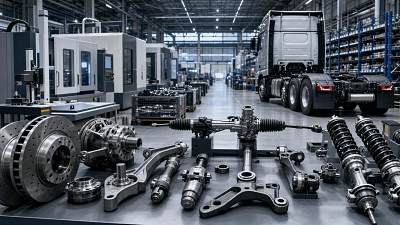
Construction fleets work under extreme loads, dust, and long operating hours, making certain components wear out faster than others. For aftermarket maintenance teams, understanding these common failure points is essential to reducing downtime and repair costs. This article explores the parts that fail most often and how a reliable heavy truck parts manufacturer for construction can help improve service efficiency and parts selection.
Which Heavy Truck Parts Fail Most Often on Construction Sites?
Construction-duty trucks operate in a harsher environment than standard road-haul vehicles. Uneven ground, overloaded cycles, repeated braking, mud, abrasive dust, and long idle periods all accelerate wear. For aftermarket maintenance personnel, the challenge is not only replacing damaged components, but also predicting which failures are most likely so inventory, lead time, and labor can be managed more effectively.
In practical field service, the most frequent failures are usually not isolated to one system. Suspension, brake, filtration, steering, drivetrain, cooling, and electrical parts often interact. A failed seal may contaminate a bearing. A clogged air filter may increase fuel consumption and stress the turbocharger. A worn brake chamber may also indicate air system leakage elsewhere. This is why choosing a heavy truck parts manufacturer for construction should involve more than price comparison alone.
The table below summarizes the high-frequency failure categories that maintenance teams typically monitor in construction transport fleets, including dump trucks, mixer trucks, tractor heads working near infrastructure projects, and heavy off-road support vehicles.
For maintenance teams, this failure map helps prioritize stock planning. Fast-moving consumables such as brake parts and filters should be managed differently from medium-cycle items such as suspension kits or drivetrain components. A capable heavy truck parts manufacturer for construction can support this by offering clearer technical matching, cross-reference data, and stable supply visibility.
Why Do Braking and Suspension Components Wear Out First?
Brake systems face both thermal and contamination stress
On construction routes, drivers often move between rough internal roads and public highways. That means repeated deceleration with varying payloads. Brake linings wear faster when trucks descend loaded ramps, queue at site entrances, or maneuver around machinery in confined spaces. Fine dust can also shorten the life of adjusters, slack mechanisms, and air components.
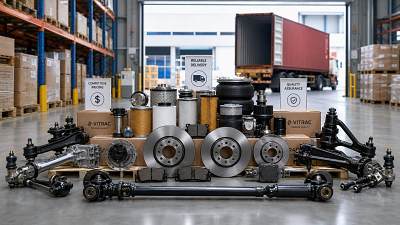
Aftermarket teams should inspect more than friction material thickness. Uneven wear may point to drum scoring, improper adjustment, sticking calipers on some platforms, or air leakage in chambers and valves. When sourcing from a heavy truck parts manufacturer for construction, it is useful to verify friction grade consistency, heat resistance, dimensional tolerance, and compatibility with axle load requirements.
Suspension damage is often load-related, not age-related
Leaf springs, center bolts, torque rod bushings, U-bolts, and shock absorbers fail quickly when trucks carry unstable loads or travel on broken haul roads. A truck may not look old, yet its suspension can already show fatigue if it has spent months carrying aggregate, soil, rebar, or demolition waste under high cycle conditions.
- Cracked leaves usually indicate repeated overload or harsh impact loading.
- Worn bushings often cause steering vagueness, tire scrub, and irregular axle geometry.
- Leaking shock absorbers reduce vehicle control and increase secondary wear on mounts and tires.
These failures matter because they are rarely isolated. If a maintenance team replaces only the broken leaf spring but ignores the surrounding fasteners, bushings, and alignment condition, the repeat failure rate stays high. That raises total repair cost more than the initial part price suggests.
How Dust, Heat, and Load Cycles Damage Engine-Related Parts
Filters are low-cost items with high downstream influence
Filters are among the most overlooked parts in heavy construction transport. Maintenance teams may delay replacement to save immediate cost, but in dusty applications that decision often increases long-term expense. Air filters saturated with fine particles reduce combustion efficiency. Oil filters with insufficient capacity may accelerate engine wear. Fuel filters exposed to inconsistent fuel quality can trigger injector issues and unstable power delivery.
A dependable heavy truck parts manufacturer for construction should provide filter media specifications, service interval guidance by operating environment, and cross-match support for common truck platforms. This is particularly helpful when fleets include mixed brands or imported units with limited local reference data.
Cooling and sealing parts fail quietly before major breakdowns
Radiator hoses, clamps, water pumps, fan belts, seals, and gaskets may seem minor compared with core engine assemblies, but they are common sources of downtime. Construction vehicles often idle for long periods before moving under sudden load. This pattern creates temperature fluctuation, pressure cycling, and vibration stress. A coolant leak or belt slip may start small and become a roadside failure within days.
For service planners, these parts belong in preventive replacement programs. If site conditions include high ambient heat, frequent low-speed hauling, or long stationary engine running, cooling system checks should be more frequent than highway service schedules normally require.
What Should Aftermarket Maintenance Teams Stock First?
Not every part should be stocked in the same way. The right inventory model depends on failure frequency, truck criticality, lead time, and interchangeability. The selection table below can help maintenance teams classify parts for fast response while avoiding unnecessary capital tie-up.
This approach helps maintenance personnel align stock with actual field risk. A global sourcing platform becomes especially valuable when fleets contain multiple truck origins, because cross-border part identification and supplier comparison can reduce purchasing errors and improve fulfillment planning.
A simple prioritization method for workshops
- Review breakdown records from the last 6 to 12 months by system, not only by part number.
- Separate consumables from root-cause parts such as bushings, seals, connectors, or valves.
- Map parts to vehicle utilization: quarry haul, road construction, concrete transport, or municipal engineering.
- Check lead times from each heavy truck parts manufacturer for construction before setting minimum stock levels.
How to Compare Suppliers Beyond Unit Price
For aftermarket maintenance teams, low purchase price does not always mean low operating cost. A cheaper part with poor fit, unstable material quality, or inconsistent packaging can create rework, vehicle delay, and extra labor. The better question is whether the supplier reduces total maintenance friction across sourcing, technical confirmation, logistics, and replacement reliability.
The comparison matrix below is useful when evaluating a heavy truck parts manufacturer for construction or screening suppliers through a specialized B2B industry platform.
A specialized global heavy truck platform adds value here because it allows buyers to compare suppliers across categories such as chassis parts, complete truck components, construction machinery parts, and aftermarket consumables in one procurement environment. This shortens the search cycle and helps maintenance managers build a more resilient supplier pool.
What Standards and Technical Checks Matter Before Purchase?
Not every construction fleet needs the same specification level, but maintenance teams should still verify a few practical technical points before placing orders. This matters even more when parts are sourced internationally or from a new heavy truck parts manufacturer for construction.
- Confirm exact model matching by part number, dimensions, and application position. Left and right side variations are easy to miss.
- Check whether rubber, seal, or hose materials are suitable for heat, oil exposure, and abrasive working conditions.
- For brake and steering parts, request clear specification sheets and, where applicable, ask about conformity to common transport safety expectations in your market.
- For export orders, verify packing method, labeling, and documentation so warehouse and customs handling do not create avoidable delays.
Where fleets serve municipal engineering, mining access roads, and public infrastructure projects at the same time, a one-size-fits-all spare parts policy often fails. Technical checks should reflect actual application intensity, environmental exposure, and required service interval. That is why supplier comparison tools and industry buying guides are useful support resources rather than optional extras.
Common Purchasing Mistakes Maintenance Teams Should Avoid
Mistake 1: Buying only by lowest price
A lower unit price may be outweighed by early wear, fitment problems, or repeat labor. This is especially damaging for construction vehicles because downtime often interrupts project schedules and equipment coordination.
Mistake 2: Ignoring site-specific wear patterns
A truck working on paved roads and a truck moving crushed stone inside a quarry should not use the same replenishment assumptions. Maintenance records must be linked to route and payload reality.
Mistake 3: Stocking major parts but missing small linked items
A repair can stall because a low-cost clamp, gasket, bolt kit, or seal is missing. Good sourcing practice considers the full repair package, not only the headline component.
Mistake 4: Working without cross-supplier visibility
When teams rely on a narrow supplier base, shortages become harder to manage. A global B2B platform focused on heavy trucks and equipment helps identify alternatives faster, compare product scope, and reduce sourcing risk during urgent maintenance periods.
FAQ for Aftermarket Maintenance Personnel
How do I identify the right heavy truck parts manufacturer for construction?
Start with application fit, not branding alone. Ask whether the supplier can confirm part numbers, dimensions, and operating conditions for construction use. Also evaluate response speed, packaging quality, documentation, and whether they support mixed fleet applications. A good supplier helps reduce ordering mistakes and workshop delays.
Which parts should be inspected most frequently in dusty construction operations?
Air filters, brake components, bushings, seals, and cooling hoses deserve close attention. Dust affects both wear and heat management. If trucks work near excavation, cement, aggregate, or demolition material, shorten inspection intervals and look for signs of clogging, leakage, cracking, and uneven wear.
Is it better to use one supplier or several suppliers?
For fast-moving consumables, one stable supplier can simplify planning if quality is consistent. For broader categories such as drivetrain, suspension, and special construction applications, having access to multiple qualified suppliers improves resilience. The ideal model is controlled diversification with clear technical approval standards.
What information should I prepare before requesting a quotation?
Prepare vehicle make, model, production year if available, axle or engine details, part number references, photos, dimensions, expected quantity, and urgency. Also specify whether the truck works in road logistics, municipal projects, mines, or infrastructure construction. This helps the heavy truck parts manufacturer for construction recommend a more suitable option and provide a realistic delivery schedule.
Why Choose Us for Construction Heavy Truck Parts Sourcing?
The Global Heavy Truck Industry Platform is built for professional buyers and maintenance teams that need more than a simple parts listing. It connects manufacturers, suppliers, distributors, and buyers across the commercial vehicle and heavy equipment supply chain, making it easier to source parts for construction fleets with higher speed and better comparison transparency.
If you are evaluating a heavy truck parts manufacturer for construction, we can support practical sourcing tasks such as parameter confirmation, product selection, supplier comparison, delivery cycle review, export documentation checks, sample support inquiries, and quotation communication across multiple product categories. This is especially useful for fleets handling mixed applications in logistics transport, mining support, infrastructure development, and municipal engineering.
You can also use the platform to compare spare parts coverage across truck chassis and cab systems, complete trucks, construction machinery, trailers, semi-trailers, and aftermarket replacement parts. Combined with market insights, brand directories, and buying guides, this helps maintenance personnel make better decisions under budget pressure and urgent repair timelines.
If your team needs support with part matching, application-based replacement planning, urgent sourcing, or supplier screening for construction-duty truck components, contact us with your vehicle details, target parts list, quantity, and delivery location. We can help you narrow options faster and improve the efficiency of your aftermarket maintenance workflow.
Trending News
- Water Truck Factory Checklist: What to Confirm Before Factory Audit
- High-Strength Flatbed Trailers: Where Stronger Steel Pays Off
- Excavator Manufacturer in China: How to Compare Quality Across Factories
- Heavy Equipment Export to Africa: Market Openings and Compliance Challenges
- Quick Installation Excavators: Do They Reduce Setup Time on Real Sites?
Tag
Recommended News
 Truck Parts IndustryHeavy Truck Parts for Construction: Which Components Fail Most OftenHeavy truck parts manufacturer for construction insights: discover which brake, suspension, filter, and drivetrain components fail most often—and how smarter sourcing cuts downtime and repair costs.
 Truck Parts IndustryBulk Order Discounts on Truck Spare Parts: When Savings Become RiskTruck spare parts supplier with bulk order discounts: learn when lower prices increase downtime, quality, and inventory risk—and how to source smarter for reliable fleet performance.
 Truck Parts IndustryTruck Parts Wholesale: How to Balance Price, Quality, and Stock RiskTruck parts wholesale success depends on balancing price, quality, and inventory risk. Learn practical sourcing checks to protect margins, reduce dead stock, and choose reliable suppliers.
 Truck Parts IndustryHow OEM Services Reduce Downtime in Heavy Truck Parts SupplyHeavy truck parts manufacturer with OEM services helps cut downtime with accurate fit, faster lead times, and stable supply—discover smarter sourcing for fleet maintenance.
 Truck Parts IndustryErenhot-Mongolia 24-Hour Freight Clearance Boosts Trucking EfficiencyErenhot-Mongolia 24-hour freight clearance slashes truck clearance time by 40%—boosting efficiency for auto parts, cold-chain & cross-border trucking.
 Truck Parts IndustryKazakhstan Extends Zero-Tariff for Truck Parts on China-Europe Rail Routes to 2027Kazakhstan extends zero-tariff for truck parts—including ADAS controllers, ECUs & T-BOX units—on China-Europe rail routes until 2027. Boost your logistics & export strategy now!
 Truck Parts IndustryHow Low-Maintenance Truck Spare Parts Reduce Downtime Over TimeTruck spare parts supplier with low maintenance solutions help fleets cut downtime, reduce repair frequency, and improve workshop efficiency. Discover how durable parts boost long-term truck performance.
![]() Truck Parts IndustryHeavy Truck Parts Manufacturer for Construction: How to Judge Product ConsistencyHeavy truck parts manufacturer for construction selection starts with consistency. Learn how to judge batch stability, traceability, and quality control to reduce risk and improve fleet safety.
Truck Parts IndustryHeavy Truck Parts Manufacturer for Construction: How to Judge Product ConsistencyHeavy truck parts manufacturer for construction selection starts with consistency. Learn how to judge batch stability, traceability, and quality control to reduce risk and improve fleet safety.![]() Truck Parts IndustryTruck Parts Price in 2026: What Is Driving Replacement Cost HigherTruck parts price in 2026 is rising fast. Discover the key cost drivers, category risks, and sourcing tips buyers need to reduce replacement costs and make smarter purchasing decisions.
Truck Parts IndustryTruck Parts Price in 2026: What Is Driving Replacement Cost HigherTruck parts price in 2026 is rising fast. Discover the key cost drivers, category risks, and sourcing tips buyers need to reduce replacement costs and make smarter purchasing decisions. Truck Parts IndustryHow to Compare Truck Tipper Distributors by Parts Response TimeTruck tipper distributor comparison starts with parts response time. Learn how to assess stock speed, technical support, and supply reliability to cut downtime and choose the right partner.
![]() Truck Parts IndustryTruck Parts Price in 2026: What Is Driving Replacement Cost HigherTruck parts price in 2026 is rising fast. Discover the key cost drivers, category risks, and sourcing tips buyers need to reduce replacement costs and make smarter purchasing decisions.
Truck Parts IndustryTruck Parts Price in 2026: What Is Driving Replacement Cost HigherTruck parts price in 2026 is rising fast. Discover the key cost drivers, category risks, and sourcing tips buyers need to reduce replacement costs and make smarter purchasing decisions. Truck Parts IndustryHow to Compare Truck Tipper Distributors by Parts Response TimeTruck tipper distributor comparison starts with parts response time. Learn how to assess stock speed, technical support, and supply reliability to cut downtime and choose the right partner.
![]() Truck Parts IndustryTruck Parts Price in 2026: What Is Driving Replacement Cost HigherTruck parts price in 2026 is rising fast. Discover the key cost drivers, category risks, and sourcing tips buyers need to reduce replacement costs and make smarter purchasing decisions.
Truck Parts IndustryTruck Parts Price in 2026: What Is Driving Replacement Cost HigherTruck parts price in 2026 is rising fast. Discover the key cost drivers, category risks, and sourcing tips buyers need to reduce replacement costs and make smarter purchasing decisions. Truck Parts IndustryHow to Compare Truck Tipper Distributors by Parts Response TimeTruck tipper distributor comparison starts with parts response time. Learn how to assess stock speed, technical support, and supply reliability to cut downtime and choose the right partner.
 Truck Parts IndustryCommercial Vehicle Parts for Cold Storage: What Improves ReliabilityCommercial vehicle parts for cold storage that boost uptime, temperature stability, and fleet reliability. Learn which components reduce breakdowns and protect cargo in demanding cold-chain transport.
 Truck Parts IndustryTruck Parts Wholesale: How to Balance Price, Lead Time, and QualityTruck parts wholesale guide for distributors: learn how to balance price, lead time, and quality to reduce risk, protect margins, and choose suppliers with confidence.
 Truck Parts IndustryWhen OEM Services Matter in Heavy Truck Parts ManufacturingHeavy truck parts manufacturer with OEM services: learn when OEM capability improves quality, fit, branding, and supply reliability for global B2B buyers.
 Truck Parts IndustryChoosing a Heavy Truck Parts Manufacturer in Germany for Stable SupplyHeavy truck parts manufacturer in Germany: learn how to compare suppliers by scenario, secure stable supply, reduce sourcing risk, and improve fleet uptime with smarter procurement decisions.
 Truck Parts IndustryAre Low-Maintenance Truck Spare Parts Suppliers Worth Switching ToIs a truck spare parts supplier with low maintenance worth the switch? Learn how better fitment, fewer failures, and reliable delivery can cut downtime and lower fleet service costs.
 Truck Parts IndustryTruck Parts Wholesale: How to Balance Price, Stock, and ReliabilityTruck parts wholesale success depends on balancing price, stock, and reliability. Learn how to compare suppliers, reduce risk, protect margins, and make smarter buying decisions.
 Truck Parts IndustryWhen OEM Services Matter in Heavy Truck Parts ManufacturingLearn why a heavy truck parts manufacturer with OEM services helps buyers improve quality consistency, customization, and supply stability for stronger long-term market performance.
 Truck Parts IndustryWhat Sets a Heavy Truck Parts Manufacturer in Germany ApartHeavy truck parts manufacturer in Germany insights: discover how German engineering, strict quality control, and reliable supply help buyers reduce risk, improve uptime, and choose stronger long-term partners.
 Truck Parts IndustryNew Railway Cargo Transport Rules Take Effect May 1, 2026New Railway Cargo Transport Rules (2026): 72-hour certified load-securing plans required for oversized rail freight—key for wind, tunneling & crane transport equipment.
 Truck Parts IndustryYerkeshkan Port 24-Hour Freight: +87.4% Truck Parts Export to KyrgyzstanYerkeshkan Port 24-hour freight boosts truck parts exports to Kyrgyzstan by +87.4% — optimize JIT logistics, customs compliance & aftermarket supply chains now.
 Truck Parts IndustryBulk Order Discounts on Truck Spare Parts: Savings vs Supply RiskTruck spare parts supplier with bulk order discounts: learn how to cut procurement costs without raising supply risk, downtime, or inventory pressure in road transport operations.