What Sets a Heavy Truck Parts Manufacturer in Germany Apart
Choosing a heavy truck parts manufacturer in Germany is often about more than product origin. For business evaluators, the real difference lies in engineering precision, quality control, supply chain reliability, and long-term partnership value. This article explores the key factors that distinguish German manufacturers and why they remain important players in the global heavy truck parts market.
Understanding the role of a heavy truck parts manufacturer in Germany
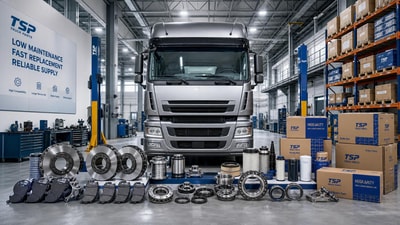
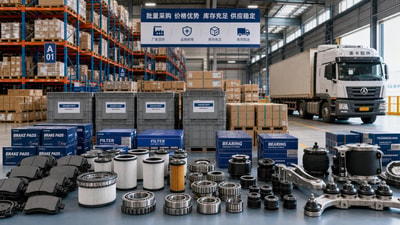
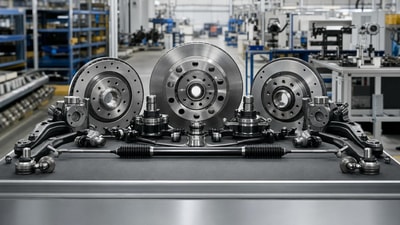
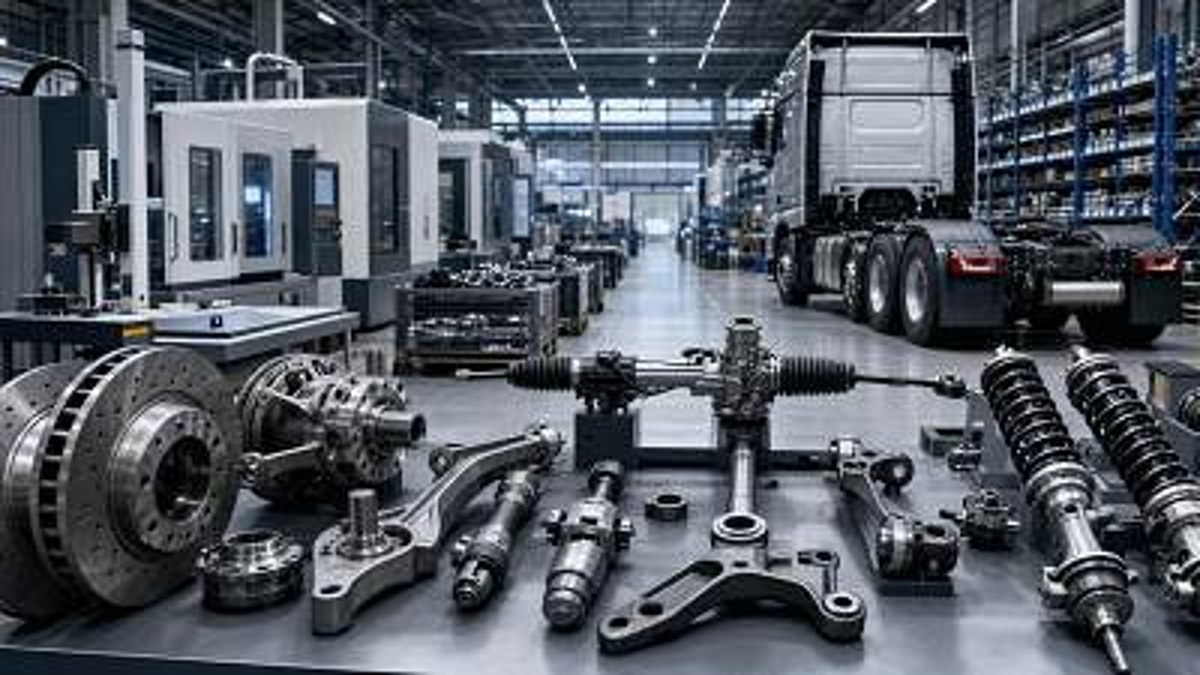
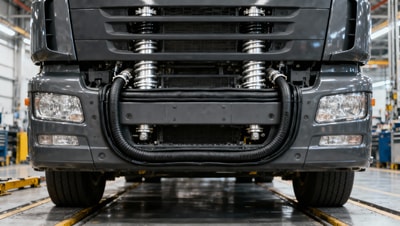
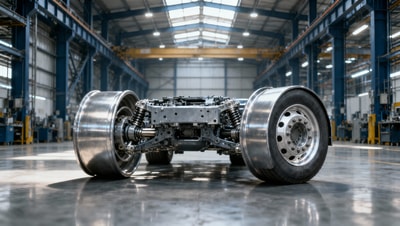
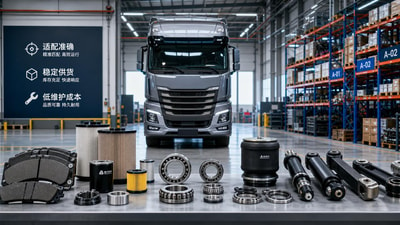
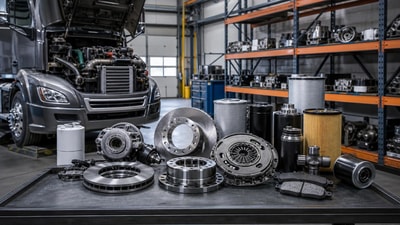
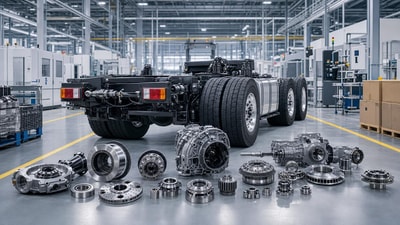
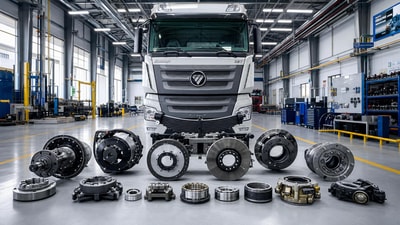
A heavy truck parts manufacturer in Germany typically operates within one of the world’s most mature industrial ecosystems. In the road transport equipment sector, these companies are known for producing components that support commercial vehicles used in long-haul logistics, mining support, municipal fleets, infrastructure projects, and cross-border freight operations. Their product range may include engine parts, braking systems, suspension components, transmission elements, steering assemblies, electrical modules, chassis fittings, cab accessories, and replacement wear parts.
What makes this category important is not simply that the products are made in Germany. The market pays attention because German manufacturing has long been associated with process discipline, documented tolerances, testing rigor, and compatibility with demanding vehicle platforms. For business evaluation teams, this means supplier assessment goes beyond price and catalog breadth. It includes production systems, certification standards, traceability, aftermarket support, export capability, and the supplier’s ability to perform under long-term contracts.
Why the industry continues to focus on German truck parts suppliers
Global freight demand, infrastructure expansion, and higher expectations for uptime have changed how buyers evaluate truck components. Fleet operators and distributors no longer look only for replacement parts; they look for parts that reduce lifecycle cost, improve safety, and support stable maintenance schedules. This is why a heavy truck parts manufacturer in Germany often attracts interest from importers, OEM-related channels, and international B2B sourcing teams.
Germany also sits within a broader European industrial framework where technical compliance, environmental regulation, and product documentation are taken seriously. For heavy truck parts, that can translate into better consistency in metallurgy, machining, material treatment, dimensional control, and packaging standards. In practical terms, buyers may see lower return rates, clearer specification sheets, and more reliable interchangeability across defined models and applications.
For evaluators working on supplier shortlists, these characteristics matter because truck downtime is expensive. A low-cost part that fails early can create repair delays, safety risks, warranty disputes, and reputational damage across distribution channels. By contrast, a qualified heavy truck parts manufacturer in Germany may support a more predictable operating model, especially in markets where end users value technical assurance and service continuity.
Core characteristics that set German manufacturers apart
The most visible difference is engineering depth. German manufacturers often design and produce parts with close attention to load conditions, vibration behavior, thermal stress, corrosion resistance, and expected duty cycles. This is especially relevant in heavy trucks, where components must operate under continuous pressure in transport, construction, and industrial haulage environments.
Another distinguishing factor is quality management. A heavy truck parts manufacturer in Germany is more likely to build its reputation around documented production controls rather than informal inspection alone. That can include incoming material validation, in-process measurement, batch coding, final testing, and corrective action procedures. Buyers evaluating long-term supply risk often see this as a strong advantage.
Supply chain transparency is also a major differentiator. In complex cross-border trade, procurement teams need confidence in lead times, product origin, and replacement support. German suppliers that provide clear technical drawings, test reports, certification references, and stable export communication tend to perform better in international sourcing environments. This is particularly valuable for B2B platforms that connect global buyers with verified manufacturers and component specialists.
Finally, there is the partnership mindset. Many buyers do not just want a catalog supplier; they want a manufacturer that can support product matching, technical clarification, packaging customization, market development, and recurring orders. In that context, the value of a heavy truck parts manufacturer in Germany often includes responsiveness, engineering support, and a structured approach to account development.
Industry overview: what business evaluators usually examine
When reviewing suppliers in the heavy truck component market, business evaluators typically balance technical quality with commercial fit. The table below summarizes common review areas and why they matter.
Application value across the heavy truck ecosystem
The value of a heavy truck parts manufacturer in Germany is not limited to one buyer type. Different organizations benefit in different ways depending on their role in the supply chain. For example, importers may prioritize certification clarity and stable packaging. Distributors may focus on model coverage and repeat order consistency. Fleet service providers may value wear life, installation accuracy, and warranty confidence.
Digital industry platforms play a growing role here. A professional B2B marketplace in the global heavy truck sector helps buyers compare suppliers, review product categories, and identify qualified partners more efficiently. For business evaluators, this means supplier discovery can be paired with market insight, brand research, and application matching. Instead of approaching sourcing as a one-time transaction, companies can build a broader view of the heavy truck parts landscape and benchmark manufacturers across product quality, industry reputation, and export competence.
Typical buyer groups and their priorities
Common product areas where differentiation is visible
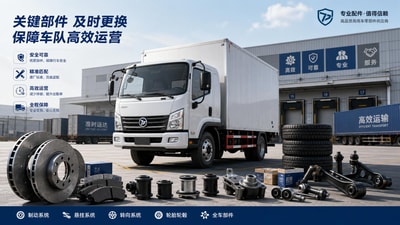
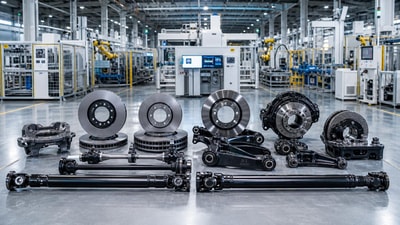
Not all component categories show the same level of supplier differentiation. In heavy-duty applications, the impact is often clearer in safety-critical or high-wear systems. Brake components, steering parts, suspension assemblies, driveline elements, and engine-related parts tend to reveal differences in material quality and process control more quickly than cosmetic accessories. This is where a heavy truck parts manufacturer in Germany may stand out through tighter dimensional accuracy, stronger fatigue resistance, and better consistency between batches.
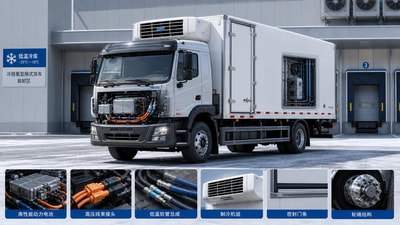
There is also growing importance in electrical and electronic parts. As trucks become more advanced, sensors, wiring components, control interfaces, and vehicle monitoring systems require dependable integration. Suppliers able to combine mechanical reliability with modern electrical compatibility can offer stronger long-term value to buyers serving newer truck fleets.
Practical considerations when evaluating a supplier
For business evaluators, selecting a heavy truck parts manufacturer in Germany should involve a structured review process. First, confirm whether the manufacturer is a true producer, an assembler, or a trading company with outsourced production. This affects quality control visibility and long-term supply accountability. Second, request evidence of manufacturing standards, testing routines, and product traceability. Reliable suppliers should be able to explain how they control defects, verify materials, and manage changes in production.
Third, examine product-market fit. A technically strong supplier may still be a poor match if its part range does not align with your target truck brands, regional demand, or service expectations. Fourth, evaluate communication quality. International trade requires fast response, clear documentation, and accurate quotation handling. A supplier that struggles with technical clarification during the evaluation stage may create larger problems later.
Fifth, look at lifecycle economics rather than initial purchase cost alone. A slightly higher-priced part can still deliver a better commercial outcome if it improves service intervals, lowers warranty claims, and reduces emergency replacement frequency. This is particularly true in fleets and aftermarket channels where downtime carries high indirect costs.
How digital platforms improve decision quality
In a fragmented global market, identifying the right heavy truck parts manufacturer in Germany can be time-consuming. A specialized B2B platform for the global heavy truck industry helps solve this by bringing together manufacturers, suppliers, distributors, and buyers in one searchable environment. Instead of relying only on fragmented contacts, buyers can compare product categories, review supplier backgrounds, and access broader industry information that supports smarter decisions.
This matters because supplier evaluation is increasingly strategic. Companies need more than a product list; they need insight into market trends, brand ecosystems, and the practical differences between parts providers. Platforms that combine sourcing access with market intelligence, buying guides, and product discovery tools make it easier to validate whether a supplier’s strengths align with real operational needs.
Frequently asked questions
Is every heavy truck parts manufacturer in Germany positioned as a premium supplier?
No. Quality levels, production depth, and export readiness vary by company. Germany offers a strong industrial environment, but buyers still need to verify actual capability, certifications, and consistency.
Why do business evaluators pay attention to traceability?
Traceability helps identify batch issues, validate material control, and support warranty management. In heavy truck applications, this reduces operational and reputational risk.
Are German manufacturers relevant only for OEM-level buyers?
No. Aftermarket distributors, service centers, and fleet maintenance teams also benefit, especially when they need stable fitment, lower failure rates, and dependable documentation.
Final perspective for business evaluators
What sets a heavy truck parts manufacturer in Germany apart is usually the combination of engineering precision, disciplined quality systems, dependable supply practices, and long-term commercial credibility. These strengths matter in an industry where vehicle uptime, safety, and replacement consistency directly affect business performance. For evaluators in the road transport equipment sector, the key is not to assume quality by origin alone, but to assess how each manufacturer translates industrial capability into real supply value.
When supported by a professional global B2B platform, this evaluation becomes more efficient and better informed. Buyers can explore product categories, compare suppliers, and identify partners that match both technical requirements and market strategy. If your organization is building or refining its heavy truck sourcing network, taking a closer look at a qualified heavy truck parts manufacturer in Germany can be a practical step toward stronger supply resilience and better long-term results.
Trending News
- What Makes a Delivery Truck Supplier Truly Cost Effective
- Do Energy-Saving Features Really Matter in an Excavator Manufacturer
- Heavy Equipment Export for Mining Operations: Planning Around Lead Time
- Can Fireproof Materials Improve Semi Trailer Safety in Logistics
- Inside a Water Truck Factory: What Affects Build Quality
Tag
Recommended News
 Truck Parts IndustryAre Low-Maintenance Truck Spare Parts Suppliers Worth Switching ToIs a truck spare parts supplier with low maintenance worth the switch? Learn how better fitment, fewer failures, and reliable delivery can cut downtime and lower fleet service costs.
 Truck Parts IndustryTruck Parts Wholesale: How to Balance Price, Stock, and ReliabilityTruck parts wholesale success depends on balancing price, stock, and reliability. Learn how to compare suppliers, reduce risk, protect margins, and make smarter buying decisions.
 Truck Parts IndustryWhen OEM Services Matter in Heavy Truck Parts ManufacturingLearn why a heavy truck parts manufacturer with OEM services helps buyers improve quality consistency, customization, and supply stability for stronger long-term market performance.
 Truck Parts IndustryWhat Sets a Heavy Truck Parts Manufacturer in Germany ApartHeavy truck parts manufacturer in Germany insights: discover how German engineering, strict quality control, and reliable supply help buyers reduce risk, improve uptime, and choose stronger long-term partners.
 Truck Parts IndustryNew Railway Cargo Transport Rules Take Effect May 1, 2026New Railway Cargo Transport Rules (2026): 72-hour certified load-securing plans required for oversized rail freight—key for wind, tunneling & crane transport equipment.
 Truck Parts IndustryYerkeshkan Port 24-Hour Freight: +87.4% Truck Parts Export to KyrgyzstanYerkeshkan Port 24-hour freight boosts truck parts exports to Kyrgyzstan by +87.4% — optimize JIT logistics, customs compliance & aftermarket supply chains now.
 Truck Parts IndustryBulk Order Discounts on Truck Spare Parts: Savings vs Supply RiskTruck spare parts supplier with bulk order discounts: learn how to cut procurement costs without raising supply risk, downtime, or inventory pressure in road transport operations.
 Truck Parts IndustryHow to Assess a Heavy Truck Parts Manufacturer for Construction FleetsHeavy truck parts manufacturer for construction: learn how to assess quality, fitment, supply speed, and technical support to reduce downtime and choose a supplier your fleet can trust.
 Truck Parts IndustryANVISA Brazil: Rubber Seals for Trucks Require REACH SVHC 233 ReportRubber seals for trucks entering Brazil must now comply with ANVISA’s REACH SVHC 233 reporting requirement — learn how to avoid customs delays and ensure seamless import.
 Truck Parts IndustryRCEP Upgrade Takes Effect: Lower Tariffs on China-Made Truck PartsRCEP Upgrade lowers tariffs on China-made truck parts—steering knuckles, axle housings & wheel hubs—for Philippines, Cambodia, Myanmar. Save costs now.
![]() Truck Parts IndustryKazakhstan Extends Zero-Tariff for China-Made Truck Parts to 2027Kazakhstan extends zero-tariff for China-made truck parts until 2027—boosting cost efficiency & clearance speed for brake discs, air suspension, LED headlights.
Truck Parts IndustryKazakhstan Extends Zero-Tariff for China-Made Truck Parts to 2027Kazakhstan extends zero-tariff for China-made truck parts until 2027—boosting cost efficiency & clearance speed for brake discs, air suspension, LED headlights. Truck Parts IndustryHow to Choose a Truck Spare Parts Supplier With Low Maintenance BenefitsTruck spare parts supplier with low maintenance benefits: learn how to compare quality, fit, delivery, and support to cut downtime, reduce repeat repairs, and keep fleets running efficiently.
 Truck Parts IndustryTruck Parts Price Guide for Budgeting Repairs and Routine ServiceTruck parts price guide for heavy-duty repairs and routine service. Learn key cost factors, compare parts smarter, control maintenance budgets, and reduce fleet downtime.
 Truck Parts IndustryTruck Parts Wholesale: How to Balance Price, Stock, and QualityTruck parts wholesale made smarter: learn how to balance price, stock, and quality to cut downtime, protect margins, and choose reliable suppliers with confidence.
 Truck Parts IndustryWhat Sets a Heavy Truck Parts Manufacturer in Germany ApartHeavy truck parts manufacturer in Germany: learn how to assess engineering precision, traceability, supply reliability, and global service to choose a trusted long-term partner.
 Truck Parts IndustryIrkeshtam Port 24-Hour Freight Clearance Accelerates Truck Parts Exports to KyrgyzstanIrkeshtam Port’s 24-hour freight clearance slashes truck parts export time to Kyrgyzstan—boosting speed, cutting costs, and scaling Central Asian logistics efficiency.
 Truck Parts IndustryTruck Spare Parts Supplier in Europe: How to Judge Stock Depth and Response SpeedTruck spare parts supplier in Europe: learn how to verify real stock depth, quotation speed, and dispatch reliability to reduce sourcing risk and choose a supplier that keeps your business moving.
 Truck Parts IndustryHeavy Truck Parts for Construction: The Quality Checks That Prevent Costly StopsHeavy truck parts manufacturer for construction: learn the quality checks that prevent downtime, improve safety, and keep demanding construction fleets running on schedule.
 Truck Parts IndustryCommercial Vehicle Parts for Cold Storage: How to Reduce Failure in Low TemperaturesCommercial vehicle parts for cold storage: learn how to reduce low-temperature failures, improve fleet uptime, and choose durable parts for refrigerated trucks and cold-chain operations.
 Truck Parts IndustryCommercial Vehicle Parts for Warehouse: Common Failures and Better Replacement TimingCommercial vehicle parts for warehouse fleets fail faster under stop-start duty. Learn common failure points and how better replacement timing reduces downtime, cost, and safety risk.
 Truck Parts IndustryHow OEM Services Change the Value of a Heavy Truck Parts ManufacturerHeavy truck parts manufacturer with OEM services: discover how OEM support boosts quality consistency, private labeling, customization, and long-term channel growth.
 Truck Parts IndustryWhy Truck Parts Price Swings Matter More Than You ThinkTruck parts price swings affect fleet uptime, repair timing, and sourcing costs more than most teams expect. Learn the key drivers, reduce downtime risk, and buy smarter.
 Truck Parts IndustryTruck Parts Wholesale: How to Balance Price, Fit, and TurnoverTruck parts wholesale made smarter: learn how to balance price, fit, and inventory turnover to reduce returns, improve margins, and choose suppliers with confidence.
 Truck Parts Industry2026 China Old Freight Truck Scrappage Program LaunchesChina's 2026 Old Freight Truck Scrappage Program drives urgent demand for battery, motor control & hydrogen fuel cell modules — act now to secure supply.
 Truck Parts IndustryHeavy Truck Parts for Construction: Which Specs Matter MostHeavy truck parts manufacturer for construction: discover the specs that matter most—load capacity, wear resistance, compatibility, and service life—to reduce downtime and source with confidence.