Are Low-Maintenance Truck Spare Parts Suppliers Worth Switching To
For aftermarket maintenance teams, choosing a truck spare parts supplier with low maintenance can mean fewer breakdowns, faster repairs, and lower lifecycle costs. But is switching suppliers truly worth the risk? This article explores how reliable parts sourcing affects service efficiency, fleet uptime, and long-term value, helping you evaluate whether a new supplier can deliver measurable advantages.
In heavy truck operations, the answer is rarely as simple as comparing unit prices. A supplier change can influence repair frequency, parts compatibility, stock planning, warranty exposure, and technician productivity across dozens or even hundreds of vehicles. For aftermarket maintenance personnel, the real question is whether a truck spare parts supplier with low maintenance can reduce service interruptions without creating new procurement and fitment risks.
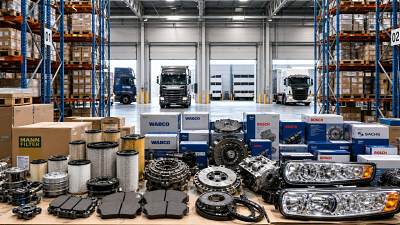
This matters even more in cross-border sourcing, where lead times may range from 7 to 30 days and a single mismatch on filters, brake components, seals, or electrical assemblies can delay a truck return-to-service window by 24 to 72 hours. Platforms such as the Global Heavy Truck Industry Platform help maintenance teams compare suppliers, review product categories, and identify sourcing partners across chassis, cabs, complete trucks, construction machinery, trailers, and spare parts in one place.
Why Maintenance Teams Consider Switching Suppliers
Maintenance departments usually consider supplier replacement after repeated operational friction. The issue is not only part failure. In many fleets, the trigger comes from a pattern: 2 or 3 repeat repairs within one service cycle, delivery delays beyond the planned maintenance window, or inconsistent quality between batches. Over a 12-month period, these issues can raise labor hours and reduce fleet availability more than a modest increase in part price.
Common pain points in heavy truck aftermarket service
- Frequent replacement of wear parts such as brake linings, bearings, bushings, belts, and seals
- Inconsistent dimensions or materials causing installation delays of 30 to 90 minutes per repair job
- Incomplete documentation for axle, engine, transmission, and suspension components
- Long replenishment cycles that force maintenance teams to hold 15% to 25% more safety stock
- Poor communication on model compatibility across mixed fleets and regional truck variants
A truck spare parts supplier with low maintenance is attractive because the value extends beyond the part itself. Better material consistency, stable tolerances, and clearer product matching can reduce rework, cut diagnostic time, and support preventive maintenance planning. In practical terms, if a maintenance team handles 40 service jobs per week, saving even 20 minutes per job can return more than 13 labor hours every week.
Where low-maintenance parts create measurable impact
The biggest gains usually appear in high-frequency service categories. These include filtration systems, clutch components, brake systems, steering linkages, rubber-metal parts, cooling system elements, and selected electrical parts exposed to vibration, dust, water, or heat. In logistics, municipal engineering, mining support, and infrastructure projects, trucks often operate under long daily duty cycles, so every reduction in replacement frequency matters.
The table below shows how maintenance teams typically compare a current source with a potential truck spare parts supplier with low maintenance when evaluating change risk.
The key takeaway is that supplier switching is often justified when maintenance inefficiency is caused by quality inconsistency and poor supply support together. A lower quote alone is not enough. The strongest case for change appears when a better supplier improves both service reliability and procurement control.
What “Low Maintenance” Should Mean in Truck Spare Parts
In the road transport equipment sector, low maintenance should not be interpreted as “no maintenance.” Heavy trucks work under load, vibration, heat cycles, and dust exposure, so every part has a service life. A more realistic definition is that the part supports longer, more predictable intervals, needs fewer corrective interventions, and performs consistently under normal commercial operating conditions.
Four technical signs of a low-maintenance supplier
- Stable batch consistency across repeated orders over 3 to 6 months
- Clear compatibility data for truck brand, axle configuration, engine family, or trailer application
- Materials and processing suited to heavy-duty duty cycles, including heat, abrasion, and vibration resistance
- After-sales responsiveness within practical maintenance timelines, ideally within 24 to 48 hours for technical confirmation
For example, a wheel-end seal that installs correctly but fails early in dusty or high-temperature environments is not low maintenance. The same applies to suspension bushings that appear acceptable on arrival yet deform quickly under repeated load, or electrical connectors that loosen after vibration exposure. Maintenance teams should therefore evaluate performance in context, not only by visual inspection or invoice cost.
Component categories where the definition matters most
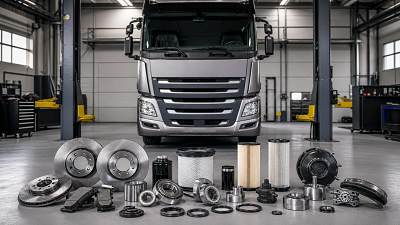
The most sensitive categories usually include braking, steering, clutch, cooling, filtration, driveline, and suspension. In these systems, minor defects can create larger repair chains. A low-grade bearing can damage a hub. A poor gasket can trigger oil loss and secondary contamination. A weak sensor can create false diagnostics and unnecessary workshop time. This is why a truck spare parts supplier with low maintenance should be judged on system impact, not single-part price.
How to Evaluate Whether Switching Is Worth It
Switching suppliers should be handled as a controlled maintenance improvement project, not a one-time purchasing decision. For most fleets and service organizations, a 5-step review process is more effective than replacing all categories at once. It limits risk while giving maintenance personnel enough field data to compare outcomes.
A practical 5-step assessment process
- Identify the top 10 to 20 high-failure or high-frequency SKUs in your workshop.
- Compare service history from the last 6 to 12 months, including replacement intervals and repeat repairs.
- Request technical specifications, application lists, and packing details from the new supplier.
- Run a pilot order on 1 to 3 categories before broad adoption.
- Track fitment time, failure feedback, and replenishment lead time for at least one service cycle.
This phased approach is especially useful for companies managing multiple truck brands or operating mixed fleets across logistics, construction, and municipal projects. The wider the equipment mix, the more important it becomes to test supplier capability in documentation, communication, and model matching.
The next table can help maintenance teams decide whether the business case for a truck spare parts supplier with low maintenance is strong enough to justify a pilot program.
If your current supply situation crosses 2 or more of these thresholds, switching may provide operational value even if purchase prices are slightly higher. In maintenance, avoiding a single unplanned truck stop can offset the premium on several routine parts orders.
Questions to ask before approving a new supplier
- Can the supplier support multiple heavy truck brands and regional configurations?
- Are product photos, drawings, dimensions, and cross-reference details available before ordering?
- What is the standard response time for technical issues: 12 hours, 24 hours, or 48 hours?
- Can the supplier consolidate mixed spare parts orders to reduce shipping complexity?
- Is there a practical process for handling wrong parts, field claims, or urgent replenishment?
Risk Control During Supplier Transition
Even when a truck spare parts supplier with low maintenance looks promising, the transition must be controlled carefully. The main risks are not dramatic failures; they are small process gaps that accumulate, such as poor SKU mapping, inconsistent packaging labels, or uncertainty about superseded part numbers. These problems can disrupt workshops just as much as poor quality.
Three risk areas maintenance teams should manage
1. Fitment and compatibility risk
Before rollout, verify dimensions, thread types, electrical interfaces, and mounting geometry for pilot items. For mixed fleets, confirm compatibility by truck model, year range, axle rating, and engine or gearbox variant. A 2 mm dimensional difference can be enough to stop installation on certain assemblies.
2. Inventory risk
Do not replace existing stock immediately. Maintain a 30 to 60 day overlap for critical fast-moving items such as filters, brake service kits, belts, and common seals. This buffer reduces exposure if a pilot batch reveals unexpected fitment or performance issues.
3. Service communication risk
Assign one responsible contact on both sides for technical and order coordination. In cross-border sourcing, response delays of even 8 to 12 hours can slow workshop decisions, especially when trucks are waiting for verification before reassembly. Clear escalation paths are essential.
The Global Heavy Truck Industry Platform can support this process by helping buyers compare supplier portfolios, discover spare parts categories, and review broader industry resources such as truck brand directories, market information, and buying guides. For maintenance teams, this reduces search time and creates a more transparent shortlisting process before direct supplier engagement begins.
When Switching Delivers the Best Return
Not every organization benefits equally from changing suppliers. The strongest return usually appears in operations with high vehicle utilization, frequent service cycles, or international procurement complexity. If trucks run long routes, construction shifts, mining support loops, or municipal duty cycles with limited downtime windows, supplier reliability becomes a maintenance performance lever rather than a purchasing detail.
Best-fit scenarios for supplier change
- Fleets with 20 or more vehicles and recurring demand for routine spare parts
- Maintenance teams struggling with downtime tied to supply delays rather than technician capacity
- Distributors and workshops serving multiple truck makes across different export markets
- Buyers needing a broader sourcing channel for chassis, trailers, construction machinery, and replacement components
In these situations, a truck spare parts supplier with low maintenance can improve not only repair outcomes but also forecasting, procurement coordination, and customer satisfaction. Reduced repeat failures mean fewer comeback jobs. Better documentation means faster workshop throughput. More dependable replenishment means less capital tied up in defensive stock.
When switching may not be urgent
If your current supplier already offers stable batch quality, acceptable lead times, and responsive technical support, a full change may not be necessary. In that case, a selective strategy is often better: switch only the categories causing high failure cost or frequent service disruption. This can deliver 60% to 80% of the benefit with lower transition risk.
Final Recommendation for Aftermarket Maintenance Teams
A supplier switch is worth considering when maintenance teams can link current sourcing issues to real operational loss: more breakdowns, slower repairs, repeated fitment problems, or unpredictable stock pressure. In those cases, moving to a truck spare parts supplier with low maintenance is not simply a procurement change. It is a practical way to improve uptime, workshop efficiency, and lifecycle cost control.
The most successful transitions are data-led, phased, and category-specific. Start with the parts that create the highest maintenance burden, verify technical details carefully, and monitor pilot performance over one full service cycle. If the new supplier proves stronger in consistency, compatibility, and support, broader adoption becomes far less risky.
If you are sourcing for heavy trucks, trailers, construction machinery, or related spare parts, the Global Heavy Truck Industry Platform offers a practical way to compare suppliers, explore product ranges, and identify reliable partners across the international commercial vehicle supply chain. Contact us today to get a tailored sourcing plan, discuss product details, or learn more about solutions that support faster maintenance and better fleet uptime.
Trending News
- Truck Cement Wholesale: What Determines Stable Delivery and Margin?
- Truck Trailer Bulk Order Cost Breakdown for 2026 Budget Planning
- Truck Trailer Sourcing: 7 Checks Before You Compare Suppliers
- Truck Trailer OEM vs ODM: Which Model Lowers Supply Risk?
- How to Evaluate a Heavy Truck Chassis Manufacturer With R&D Capability in 2026
Tag
Recommended News
 Truck Parts IndustryHow a Truck Cement Manufacturer Ensures Consistent Load QualityTruck cement manufacturer standards directly affect load consistency, safety, and efficiency. Learn how top suppliers control design, sealing, batching, and testing for reliable transport.
 Truck Parts IndustryTruck Parts Price Trends in 2026: What Is Driving Cost Changes?Truck parts price trends in 2026 are driven by steel, energy, freight, currency, and compliance costs. Discover what raises prices, which parts face the most pressure, and how buyers can source smarter.
 Truck Parts IndustryTruck Parts Wholesale: How to Balance Price, Quality, and Lead TimeTruck parts wholesale made smarter: learn how to balance price, quality, and lead time by application to cut downtime, reduce hidden costs, and source with more confidence.
 Truck Parts IndustryTruck Spare Parts Supplier with Bulk Order Discounts: Savings vs Stock RiskTruck spare parts supplier with bulk order discounts: learn when bulk buying cuts fleet costs and when stock risk hurts cash flow, uptime, and sourcing efficiency.
 Truck Parts IndustryTruck Spare Parts Supplier in Europe: Compliance Checks Before OrderingTruck spare parts supplier in Europe selection starts with compliance. Learn the key checks for safety, fitment, traceability, and import documents before you order.
 Truck Parts IndustryChoosing a Heavy Truck Parts Manufacturer with OEM Services for Stable SupplyHeavy truck parts manufacturer with OEM services: learn how to secure stable supply, consistent quality, and lower sourcing risk with practical buyer evaluation tips.
 Truck Parts IndustryHeavy Truck Parts for Construction: Durability vs Replacement CostHeavy truck parts manufacturer for construction insights: learn how to balance durability, replacement cost, and uptime across rough ground, urban projects, and severe-duty fleets.
 Truck Parts IndustryCold Storage Vehicle Parts That Reduce Failure RatesCommercial vehicle parts for cold storage that cut failure rates: explore seals, insulation, cooling, and electrical upgrades to protect cargo, reduce downtime, and improve fleet uptime.
 Truck Parts IndustryGermany Heavy Truck Parts Manufacturers: Quality and Supply RisksHeavy truck parts manufacturer in Germany: learn how to assess quality, certifications, and supply risks to secure safer sourcing, stable deliveries, and long-term fleet performance.
 Truck Parts IndustryVietnam to Enforce New Used Truck Import Rules from Q4 2026Vietnam's new used truck import rules (Q4 2026) require OEM remanufacturing certification & traceability—key for Chinese exporters, assemblers & logistics providers.
 Truck Parts IndustryChoosing a Truck Parts Exporter: Lead Time, Compliance, and Quality RisksTruck parts exporter selection affects uptime, compliance, and cost. Learn how to compare lead time, certification, and quality control to avoid delays, claims, and fleet-wide failures.
 Truck Parts IndustryGermany Heavy Truck Parts Manufacturers: Quality and Supply RisksHeavy truck parts manufacturer in Germany selection guide: compare quality systems, traceability, testing, and supply risks to secure reliable truck parts sourcing.
 Truck Parts IndustryIrkeshtam Port’s 24-Hour Freight Clearance Boosts Exports to KyrgyzstanIrkeshtam Port’s 24-hour freight clearance slashes heavy-truck component clearance to <15 mins—boosting road transport equipment exports to Kyrgyzstan.
 Truck Parts IndustryHeavy Truck Parts for Construction: Which Components Fail Most OftenHeavy truck parts manufacturer for construction insights: discover which brake, suspension, filter, and drivetrain components fail most often—and how smarter sourcing cuts downtime and repair costs.
 Truck Parts IndustryBulk Order Discounts on Truck Spare Parts: When Savings Become RiskTruck spare parts supplier with bulk order discounts: learn when lower prices increase downtime, quality, and inventory risk—and how to source smarter for reliable fleet performance.
 Truck Parts IndustryTruck Parts Wholesale: How to Balance Price, Quality, and Stock RiskTruck parts wholesale success depends on balancing price, quality, and inventory risk. Learn practical sourcing checks to protect margins, reduce dead stock, and choose reliable suppliers.
 Truck Parts IndustryHow OEM Services Reduce Downtime in Heavy Truck Parts SupplyHeavy truck parts manufacturer with OEM services helps cut downtime with accurate fit, faster lead times, and stable supply—discover smarter sourcing for fleet maintenance.
 Truck Parts IndustryErenhot-Mongolia 24-Hour Freight Clearance Boosts Trucking EfficiencyErenhot-Mongolia 24-hour freight clearance slashes truck clearance time by 40%—boosting efficiency for auto parts, cold-chain & cross-border trucking.
 Truck Parts IndustryKazakhstan Extends Zero-Tariff for Truck Parts on China-Europe Rail Routes to 2027Kazakhstan extends zero-tariff for truck parts—including ADAS controllers, ECUs & T-BOX units—on China-Europe rail routes until 2027. Boost your logistics & export strategy now!
 Truck Parts IndustryHow Low-Maintenance Truck Spare Parts Reduce Downtime Over TimeTruck spare parts supplier with low maintenance solutions help fleets cut downtime, reduce repair frequency, and improve workshop efficiency. Discover how durable parts boost long-term truck performance.
![]() Truck Parts IndustryHeavy Truck Parts Manufacturer for Construction: How to Judge Product ConsistencyHeavy truck parts manufacturer for construction selection starts with consistency. Learn how to judge batch stability, traceability, and quality control to reduce risk and improve fleet safety.
Truck Parts IndustryHeavy Truck Parts Manufacturer for Construction: How to Judge Product ConsistencyHeavy truck parts manufacturer for construction selection starts with consistency. Learn how to judge batch stability, traceability, and quality control to reduce risk and improve fleet safety.![]() Truck Parts IndustryTruck Parts Price in 2026: What Is Driving Replacement Cost HigherTruck parts price in 2026 is rising fast. Discover the key cost drivers, category risks, and sourcing tips buyers need to reduce replacement costs and make smarter purchasing decisions.
Truck Parts IndustryTruck Parts Price in 2026: What Is Driving Replacement Cost HigherTruck parts price in 2026 is rising fast. Discover the key cost drivers, category risks, and sourcing tips buyers need to reduce replacement costs and make smarter purchasing decisions. Truck Parts IndustryHow to Compare Truck Tipper Distributors by Parts Response TimeTruck tipper distributor comparison starts with parts response time. Learn how to assess stock speed, technical support, and supply reliability to cut downtime and choose the right partner.
 Truck Parts IndustryCommercial Vehicle Parts for Cold Storage: What Improves ReliabilityCommercial vehicle parts for cold storage that boost uptime, temperature stability, and fleet reliability. Learn which components reduce breakdowns and protect cargo in demanding cold-chain transport.
 Truck Parts IndustryTruck Parts Wholesale: How to Balance Price, Lead Time, and QualityTruck parts wholesale guide for distributors: learn how to balance price, lead time, and quality to reduce risk, protect margins, and choose suppliers with confidence.