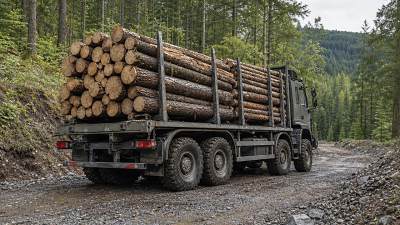
Logging Truck Producer Comparison: Durability Issues That Affect Uptime
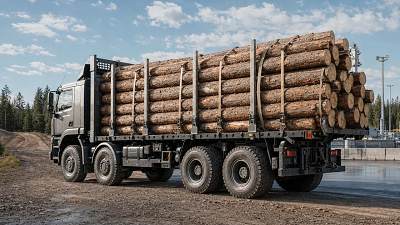
Choosing the right logging truck producer can directly affect uptime, safety, repair frequency, and total lifecycle cost. In forestry transport, trucks face uneven haul roads, high torsional stress, overloaded rear sections, mud intrusion, repeated shock loads, and constant exposure to moisture. Under these conditions, durability is not a marketing claim but a measurable factor that determines whether a truck keeps moving or sits in the yard waiting for parts. A useful comparison of any logging truck producer should therefore focus on the structural and mechanical issues that most often reduce service availability in timber operations.
This article examines the main durability issues that affect uptime when comparing a logging truck producer. It also provides a practical set of evaluation points covering frame integrity, suspension performance, powertrain reliability, corrosion resistance, brake life, and support quality. For operations that need dependable road transport equipment in harsh woodland environments, these checks can help separate durable truck designs from models that appear competitive on paper but fail under sustained load.
Why a structured comparison matters before selecting a logging truck producer
A standard truck comparison often emphasizes engine power, payload, purchase price, and cab comfort. Those factors matter, but they do not reveal how a truck will perform after thousands of cycles on rough forestry roads. The better approach is to compare each logging truck producer through the lens of durability-related downtime: what breaks first, what wears too quickly, how easily it can be repaired, and whether the truck remains stable and productive under repeated stress.
This matters because uptime losses in logging transport are rarely caused by one major failure alone. More often, performance declines through a chain of smaller weaknesses such as cracked brackets, bushing wear, leaking seals, loose electrical connections, or frame distortion around mounting points. When evaluating a logging truck producer, a checklist-based review reduces the risk of missing these details and makes supplier comparison more objective.
Key durability checks when comparing a logging truck producer
- Check frame rail thickness, crossmember design, and reinforcement around suspension and body mounting areas to confirm the truck can resist twisting and concentrated log load stress.
- Review axle, hub, and differential specifications to ensure the driveline is matched to off-road haul cycles, steep grades, and repeated starts under heavy timber payloads.
- Inspect suspension bushing quality, walking beam durability, and shock absorption layout because poor suspension reliability quickly leads to tire wear, instability, and unplanned downtime.
- Compare engine cooling protection, radiator placement, and air intake sealing so mud, bark dust, and debris do not accelerate overheating or reduce engine service life.
- Assess gearbox, transfer case, and PTO integration where applicable, especially if the truck works with hydraulic loading equipment or frequent low-speed traction demands.
- Look at brake line routing, drum or disc protection, and retarder options because downhill forestry routes can expose weak brake systems very quickly.
- Verify corrosion protection on frame, fasteners, electrical connectors, and exposed hydraulic points since moisture and road chemicals can shorten useful service life.
- Examine cab mount durability, seat support, and interior vibration control because operator fatigue and loose mounting hardware often indicate broader chassis stress problems.
- Ask each logging truck producer for maintenance intervals, field service access, and common wear-part replacement times rather than relying only on brochure specifications.
- Study parts availability, technical documentation, and dealer support coverage because a durable truck still loses value if repair turnaround is slow in remote timber regions.
The durability issues that most often affect uptime
1. Frame fatigue and chassis cracking
The frame is one of the first areas to evaluate in any logging truck producer comparison. Logging trucks operate with uneven weight distribution, shifting log bundles, and repeated torsional loads on unpaved surfaces. If frame rails are underbuilt or crossmembers are poorly positioned, fatigue cracks can develop around suspension hangers, body mounts, and rear overhang sections. These failures are expensive because they often require welding, reinforcement, alignment checks, and long downtime windows.
A stronger design usually includes high-tensile steel where appropriate, effective crossmember spacing, reinforced stress zones, and mounting systems that spread concentrated loads. Ask the logging truck producer whether the chassis was designed specifically for timber haul applications or adapted from a general-purpose heavy truck platform.
2. Suspension wear under severe off-road cycles
Suspension issues are among the most common uptime killers in forestry fleets. Walking beams, torque rods, bushings, leaf spring packs, U-bolts, and dampers all face continuous shock loading. A weak suspension setup may not fail immediately, but it causes progressive problems: vibration damage, wheel misalignment, broken mounts, axle shift, and uneven tire wear. These are warning signs that a logging truck producer may have prioritized payload ratings over true off-road durability.
The better producers typically offer heavy-duty suspension geometry tailored to rough haul roads, with serviceable bushings and proven wear-life records. It is also worth checking whether critical components are protected from impact damage caused by rocks, stumps, and debris.
3. Drivetrain stress and premature component failure
Another major comparison point for a logging truck producer is how well the drivetrain handles low-speed torque demand, repeated hill climbing, and traction loss. In forestry conditions, heavy starts and stop-go cycles create heat and shock through the clutch, gearbox, prop shaft, differential, and axle shafts. If ratios are poorly selected or components are undersized, uptime suffers through seal leaks, gear wear, universal joint failure, and overheating.
A durable solution is not only about higher horsepower. It requires balanced driveline matching, correct axle ratios, reliable lubrication systems, and robust housings. Comparing warranty claim trends and field performance data from each logging truck producer can reveal more than catalog numbers alone.
4. Cooling system exposure and contamination
Forestry work exposes the cooling system to bark dust, mud, insects, and branch debris. Radiators and charge air coolers can clog quickly, while fan systems may pull contaminants into sensitive areas. If a logging truck producer does not provide adequate screening, cleaning access, or sealed intake routing, engine temperature control becomes less stable, especially on long uphill hauls.
Look for layouts that simplify inspection and cleaning. A well-protected cooling package reduces overheating events, improves engine efficiency, and supports longer service intervals.
5. Electrical and corrosion-related downtime
Electrical reliability is often underestimated when selecting a logging truck producer. Water ingress, connector corrosion, exposed harness routing, and vibration-related terminal loosening can disable lighting, engine sensors, ABS systems, or hydraulic controls. The truck may be mechanically sound but still unavailable for service because of recurring electrical faults.
Corrosion protection is equally important. Wet timber environments, snow regions, and chemical road treatment can attack subframes, brackets, brake pipes, and fasteners. Producers that apply stronger anti-corrosion coatings and better sealing usually deliver higher long-term uptime.
How durability priorities change by operating scenario
Short-haul forest extraction routes
On short, rough extraction routes, suspension articulation, low-speed traction, and frame twist resistance become the top priorities. A logging truck producer serving this application should show proven axle durability, strong underbody protection, and easy inspection access for high-wear points. In these conditions, tire damage and bushing wear often appear before engine-related issues.
Mixed forest-road and highway transport
Where trucks move between off-road loading zones and paved roads, the balance changes. The ideal logging truck producer must offer both durability and road stability. Brake performance, steering precision, cab comfort, and fuel efficiency matter more here, but not at the expense of off-road strength. This is where weak chassis tuning often becomes visible through uneven wear patterns and handling complaints.
Mountainous timber transport
In mountainous areas, brake thermal load and drivetrain stress rise sharply. A logging truck producer should be compared on retarder options, engine braking capability, cooling reserve, and axle ratio suitability for long gradients. Weak downhill control increases maintenance cost and safety risk at the same time.
Frequently overlooked warning signs in a logging truck producer comparison
Generic platform adaptation: Some models are marketed for timber use but are actually standard heavy trucks with limited reinforcement. If the logging truck producer cannot explain application-specific structural upgrades, durability claims should be treated carefully.
Inadequate service accessibility: A truck may have strong components but poor access to filters, lubrication points, cooling packs, or electrical junctions. Difficult maintenance directly reduces uptime by extending every repair or inspection cycle.
Unclear wear-part data: If a logging truck producer cannot provide expected life ranges for bushings, brake components, clutch systems, and suspension hardware under forestry use, comparison becomes speculative rather than evidence-based.
Weak aftersales footprint: Even durable trucks need parts, software support, and occasional field service. Long delays in remote regions can turn a minor issue into several days of lost transport capacity.
Practical steps to evaluate a logging truck producer before purchase
- Request detailed chassis drawings, axle load data, and reinforcement information instead of relying only on summary brochures.
- Match the truck specification to actual terrain, road quality, load cycle, and average trip distance.
- Ask for documented field references from similar forestry applications and similar climate conditions.
- Review standard versus optional durability features, especially protection packages, cooling upgrades, and corrosion treatment.
- Compare parts lead times, maintenance training resources, and service network depth across regions where the truck will operate.
- Calculate downtime risk cost, not only purchase cost, when comparing one logging truck producer against another.
Final thoughts and next steps
A strong logging truck producer should demonstrate more than payload capacity and engine output. The real comparison should center on frame durability, suspension life, drivetrain matching, cooling protection, corrosion resistance, and support response. These are the factors that most directly shape uptime in forestry transport and determine whether a truck remains productive over years of hard use.
Before making a final decision, build a side-by-side durability review for each logging truck producer under consideration. Use the checklist above, compare known failure points, and verify aftersales capability with the same rigor as technical performance. For broader supplier discovery, product comparison, and heavy truck industry insights, the Global Heavy Truck Industry Platform offers a practical way to explore qualified sources across the commercial vehicle supply chain and identify solutions aligned with demanding logging transport conditions.
Trending News
- Water Truck Factory Checklist: What to Confirm Before Factory Audit
- High-Strength Flatbed Trailers: Where Stronger Steel Pays Off
- Excavator Manufacturer in China: How to Compare Quality Across Factories
- Heavy Equipment Export to Africa: Market Openings and Compliance Challenges
- Quick Installation Excavators: Do They Reduce Setup Time on Real Sites?
Tag
Recommended News
 Truck ReviewsLogging Truck Producer Comparison: Durability Issues That Affect UptimeLogging truck producer comparison guide: discover the durability issues that impact uptime, repair costs, and safety, and learn how to choose a truck built for harsh forestry transport.
 Truck ReviewsTruck Tipper for Construction: When Payload Matters More Than PriceTruck tipper for construction buying guide: learn why payload, durability, and cycle efficiency matter more than price to cut costs, boost uptime, and improve site productivity.
 Truck ReviewsCrane Truck Manufacturer Comparison for Urban Lifting and Narrow SitesCrane truck manufacturer comparison for urban lifting: discover how to choose compact, safe, high-efficiency models for narrow sites, faster setup, and reliable support.
 Truck ReviewsTruck Cement Mixer Manufacturer Comparison: Drum Design, Output, and ServiceTruck cement mixer manufacturer comparison guide covering drum design, real output, and after-sales service. Help your team compare suppliers, reduce sourcing risk, and choose with confidence.
 Truck ReviewsTruck Tipper Manufacturer Comparison: Build Quality Points That MatterTruck tipper manufacturer comparison guide: discover the build quality points that truly affect durability, payload stability, maintenance, and long-term operating cost.
 Truck ReviewsTruck Cement for Sale: How to Judge Value From Photos and Spec SheetsTruck cement for sale buyers can learn to judge true value from photos and spec sheets. Spot wear, compare capacity, and avoid costly mistakes before you contact sellers.
 Truck ReviewsTruck Tipper Manufacturer Comparison: Build Quality Points That MatterTruck tipper manufacturer comparison guide: discover the build quality points that truly affect durability, payload stability, maintenance, and long-term operating cost.
 Truck ReviewsTruck Cement for Sale: How to Judge Value From Photos and Spec SheetsTruck cement for sale buyers can learn to judge true value from photos and spec sheets. Spot wear, compare capacity, and avoid costly mistakes before you contact sellers.
 Truck ReviewsTruck Tipper Manufacturer Comparison: Build Quality Points That MatterTruck tipper manufacturer comparison guide: discover the build quality points that truly affect durability, payload stability, maintenance, and long-term operating cost.
 Truck ReviewsTruck Cement for Sale: How to Judge Value From Photos and Spec SheetsTruck cement for sale buyers can learn to judge true value from photos and spec sheets. Spot wear, compare capacity, and avoid costly mistakes before you contact sellers.
 Truck ReviewsLogging Truck Producer Comparison: Features That Matter in Tough TerrainLogging truck producer comparison for tough terrain: discover the features that impact traction, stability, durability, and uptime to choose the right forestry truck with confidence.
 Truck ReviewsLogging Truck Producer Comparison: Capacity, Durability, and ServiceLogging truck producer comparison guide covering capacity, durability, and service. Compare real-world fit, reduce fleet risk, and choose reliable suppliers for forestry transport.
 Truck ReviewsFlatbed Trailer Supplier With High Strength: What Really MattersFlatbed trailer supplier with high strength: learn how to assess materials, structure, compliance, and lifecycle value to choose reliable trailer partners with confidence.
 Truck ReviewsDoes Quick Installation Really Matter When Choosing an Excavator ManufacturerExcavator manufacturer with quick installation: learn why fast setup only matters when paired with reliable performance, lower downtime, operator support, and long-term jobsite efficiency.
 Truck ReviewsWhat Makes a Truck Tipper for Construction Easier to Maintain On SiteTruck tipper for construction models with easy hydraulic access, modular parts, and clear service points cut downtime, lower repair costs, and keep demanding jobsites running.
 Truck ReviewsWhat Makes a Truck Tipper Manufacturer Reliable in Heavy-Duty UseTruck tipper manufacturer selection starts with reliability. Learn how to compare steel quality, hydraulics, stability, and service support for safer heavy-duty performance.
 Truck ReviewsLogging Truck Manufacturer Comparison for Harsh Terrain WorkLogging truck manufacturer comparison for harsh terrain: evaluate durability, traction, load control, and service support to choose safer, more efficient forestry transport solutions.
 Truck ReviewsQuick Installation Excavators: Do They Really Save Time on SiteExcavator manufacturer with quick installation: learn if these machines truly cut setup delays, improve workflow, and lower site costs before you buy.
 Truck ReviewsWhat Makes a Truck Tipper for Construction Easier to Run on Busy SitesTruck tipper for construction buying guide: discover the features that make busy job sites safer, faster, and easier to manage, from stable tipping to better visibility and lower downtime.
 Truck ReviewsTruck Tipper OEM for Harsh Job Sites: What Really MattersTruck tipper OEM selection for harsh job sites starts with what matters most: durability, hydraulic reliability, safety, and support. Discover how to choose a tipper built for uptime and lower operating costs.
 Truck ReviewsHow to Judge a Logging Truck Producer by Frame and Load DesignLogging truck producer evaluation starts with frame strength and load design. Learn how to compare suppliers for safer timber transport, higher durability, and lower lifecycle costs.
 Truck ReviewsDo Quick-Installation Excavators Really Save Time on SiteExcavator manufacturer with quick installation: discover whether fast-setup excavators truly cut downtime, speed relocations, and boost jobsite productivity before you buy.
 Truck ReviewsIs a Lightweight Semi Trailer Worth It for Daily Freight Usesemi trailer manufacturer with lightweight design: learn if a lightweight semi trailer can boost payload, fuel savings, and daily freight efficiency before you buy.
 Truck ReviewsDelivery truck supplier lead times spiked in Q1 2026—not because of demand, but component traceability gapsDelivery truck supplier lead times spiked in Q1 2026—blame component traceability gaps, not demand. Discover how SHACMAN L3000, X5000, F2000, bulldozer & excavator manufacturers, and flatbed/semi trailer suppliers are restoring reliability.