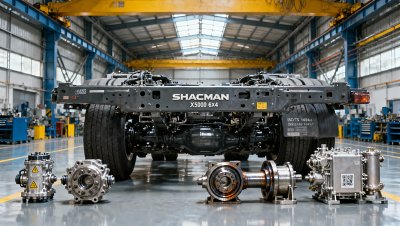
Logging Truck Producer Comparison: Features That Matter in Tough Terrain
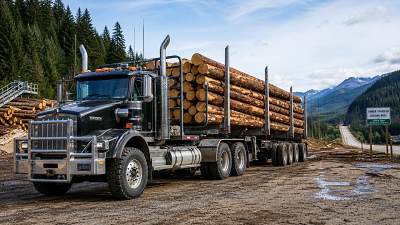
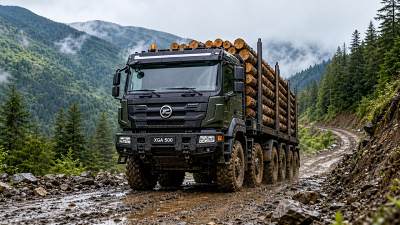
Choosing the right logging truck producer can make a major difference when operators face steep grades, muddy forest roads, and heavy timber loads. In tough terrain, key features like traction, frame strength, load stability, and driver-focused controls directly affect safety, uptime, and productivity. This comparison highlights what really matters so users can evaluate models with greater confidence and select equipment built for demanding off-road work.
Understanding what a logging truck producer delivers
In the land transport equipment sector, a logging truck producer is more than a vehicle manufacturer. The best producers combine chassis engineering, axle configuration, powertrain selection, hydraulic integration, load-handling systems, and operator safety features into a complete working platform. For users and machine operators, this matters because logging work is rarely performed on ideal roads. Vehicles must travel between paved routes, gravel access roads, forest tracks, wet slopes, and loading zones filled with stumps, ruts, and uneven ground.
That is why comparing one logging truck producer to another should not focus only on rated horsepower or payload on paper. Real value appears in how the truck behaves under strain: whether the driveline keeps moving in deep mud, whether the frame resists twisting on uneven terrain, whether the crane or loader setup keeps loads balanced, and whether the cab helps the operator stay alert through long shifts. A truck that looks similar in a brochure may perform very differently in a forestry environment.
For global buyers using B2B sourcing platforms, it is also important to understand that producers vary in specialization. Some build heavy off-road trucks for forest extraction, while others adapt general heavy-duty truck platforms for logging transport. Knowing this distinction helps operators, fleet managers, and dealers ask better questions when evaluating models.
Why tough-terrain performance matters in the logging truck market
The logging industry places unusually high demands on commercial vehicles. Timber is heavy, often irregular in shape, and frequently transported from remote harvest areas where road maintenance is limited. In many regions, seasonal rain, snow, or freeze-thaw cycles further reduce traction and increase rollover risk. As a result, the reputation of a logging truck producer depends heavily on durability and terrain adaptability rather than only transport efficiency.
Industry attention has also increased because forestry operators now expect trucks to do more with fewer interruptions. Fuel costs, maintenance downtime, labor shortages, and stricter safety standards all push users toward machines that can maintain output in difficult conditions. A reliable logging truck producer supports this need by offering strong service documentation, spare parts availability, and model configurations suited to regional forestry conditions.
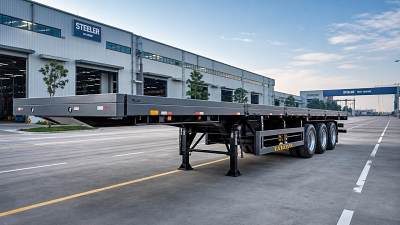
This is where digital industry platforms add value. Instead of relying on limited local information, buyers and operators can compare global suppliers, review product categories, and examine technical specifications across complete trucks, chassis, trailers, and spare parts. That broader visibility helps users move beyond brand familiarity and focus on function.
Core features that separate one logging truck producer from another
When comparing manufacturers, operators should organize the review around features that directly affect field performance. The most important categories are traction, structural strength, load security, power delivery, braking control, visibility, and serviceability. Each one influences daily productivity in a different way.
Traction and drivetrain layout
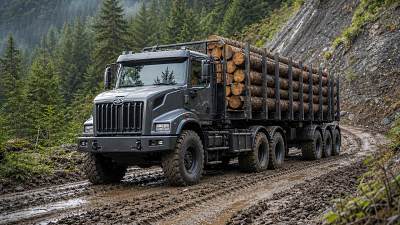
A serious logging truck producer usually offers multiple axle layouts such as 6x4, 6x6, 8x4, or 8x8 depending on route conditions and payload requirements. In soft or steep terrain, locking differentials, transfer cases, proper axle ratios, and tire compatibility are often more valuable than headline engine output. Operators should look for configurations that maintain torque at low speed without forcing excessive wheel spin.
Frame and chassis durability
Forestry roads twist the chassis constantly. A high-quality logging truck producer reinforces frame rails, crossmembers, suspension mounts, and articulation points so the truck can handle uneven terrain and shifting timber loads. Weak frame design leads to cracks, poor alignment, and reduced service life. Users should also check ground clearance, approach angle, and underbody protection.
Load stability and body configuration
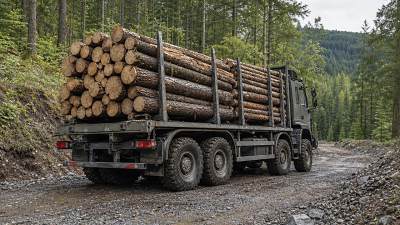
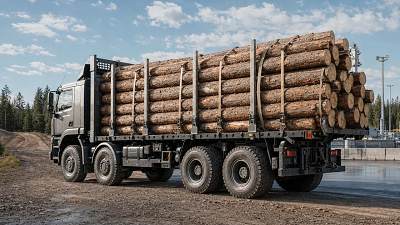
Timber load security is essential in off-road operation. Stakes, bunks, bolsters, and load-distribution design should work with the truck’s center of gravity rather than against it. A dependable logging truck producer considers how logs move during braking, turning, and climbing. Stability is not only a safety issue; it also affects cycle time because a balanced truck can travel with more confidence over rough terrain.
Operator environment and control systems
For users in remote forestry work, cab design is a functional issue, not a luxury. Good seating, low vibration, wide visibility, intuitive controls, and camera support reduce fatigue and improve maneuvering in tight spaces. Some logging truck producer brands also integrate telematics, load monitoring, and maintenance alerts that help operators detect problems before they become expensive failures.
Industry overview table for practical comparison
The table below summarizes how users can compare a logging truck producer in a practical, field-oriented way rather than relying only on catalog claims.
Where different producer strengths create real operating value
Not every logging operation needs the same truck profile. A logging truck producer may be strong in one operating environment and less competitive in another. Users should match producer strengths to actual terrain, haul distance, and timber handling methods.
How operators should evaluate a logging truck producer before selection
A smart evaluation process starts with operating reality. First, define the most difficult route conditions the truck will face, not the easiest. Measure slope, road softness, turning radius, average log length, and weather-related downtime. These details shape the correct truck specification.
Next, compare whether each logging truck producer offers purpose-built forestry solutions or only modified general transport trucks. Purpose-built designs often include better frame protection, specialized load supports, and more durable off-road suspension geometry. For users, this can mean fewer breakdowns and more stable handling over time.
Operators should also inspect maintenance access. Remote jobsites make repairs difficult, so service points, filter placement, lubrication intervals, and spare-parts compatibility deserve close attention. A truck with excellent terrain performance can still become a poor investment if basic servicing is slow or parts are hard to source.
Another practical step is to request references tied to similar forestry conditions. A logging truck producer that performs well in dry plantation roads may not show the same results in steep, wet, natural forest extraction. Real-world operator feedback often reveals details missing from technical sheets, such as cab noise, loader stability, steering effort, or brake feel on loose surfaces.
Common mistakes when comparing logging truck options
One common mistake is focusing too heavily on engine power alone. More horsepower does not automatically mean better forestry performance if the transmission, axle ratio, and traction systems are poorly matched. Another mistake is ignoring payload balance. Overloading or using an unsuitable bunk arrangement can reduce stability and shorten component life.
Users also sometimes underestimate operator comfort. In logging, fatigue affects safety, reaction time, and productivity. A better-designed cab may produce measurable gains in daily output. Finally, many buyers compare purchase price without fully evaluating uptime support. A lower-cost truck from a weaker logging truck producer can become more expensive if parts delays stop production during peak season.
FAQ for users comparing logging truck producers
What is the first feature to check in a logging truck producer comparison?
Start with drivetrain suitability for your terrain. If traction is wrong, other strengths will not compensate in steep, wet, or unstable ground conditions.
Is a general heavy truck suitable for logging work?
Sometimes, but only if the configuration truly matches forestry demands. A specialized logging truck producer usually offers better frame protection, load stability, and off-road durability.
Why does after-sales support matter so much?
Logging sites are often remote. Fast access to spare parts, manuals, and technical support directly affects uptime, repair speed, and production continuity.
Should operators care about telematics and monitoring systems?
Yes. These tools help track maintenance, fuel use, fault codes, and operating behavior, making the truck easier to manage under demanding conditions.
Final practical guidance for selecting the right producer
A dependable logging truck producer is defined by how well its equipment performs under real forestry pressure, not just by brochure specifications. For operators, the most important comparison points are traction, frame strength, load stability, braking control, cab usability, and service support. When these factors align with the actual route and payload profile, the result is safer transport, less downtime, and better long-term productivity.
If you are reviewing global options, use a trusted heavy truck industry platform to compare suppliers, explore product categories, and examine technical details across complete trucks, chassis, trailers, and spare parts. A more informed comparison helps users move from general interest to confident equipment selection. In a demanding forestry environment, the right logging truck producer is the one that proves its value where terrain is toughest and uptime matters most.
Trending News
- Truck Cement Wholesale: What Determines Stable Delivery and Margin?
- Truck Trailer Bulk Order Cost Breakdown for 2026 Budget Planning
- Truck Trailer Sourcing: 7 Checks Before You Compare Suppliers
- Truck Trailer OEM vs ODM: Which Model Lowers Supply Risk?
- How to Evaluate a Heavy Truck Chassis Manufacturer With R&D Capability in 2026
Tag
Recommended News
 Truck ReviewsLight Duty Truck With Durable Engine: What Matters MostLight duty truck with durable engine: discover the key checks for uptime, lower fuel costs, smarter maintenance, and reliable performance before you buy.
 Truck ReviewsWhat Makes a Truck Tipper for Construction Perform Better On-Site?Truck tipper for construction performance depends on site conditions, body strength, hydraulics, and traction. Learn how to choose the right model for safer, faster, more efficient jobs.
 Truck ReviewsLogging Truck Producer Comparison: Durability Issues That Affect UptimeLogging truck producer comparison guide: discover the durability issues that impact uptime, repair costs, and safety, and learn how to choose a truck built for harsh forestry transport.
 Truck ReviewsTruck Tipper for Construction: When Payload Matters More Than PriceTruck tipper for construction buying guide: learn why payload, durability, and cycle efficiency matter more than price to cut costs, boost uptime, and improve site productivity.
 Truck ReviewsCrane Truck Manufacturer Comparison for Urban Lifting and Narrow SitesCrane truck manufacturer comparison for urban lifting: discover how to choose compact, safe, high-efficiency models for narrow sites, faster setup, and reliable support.
 Truck ReviewsTruck Cement Mixer Manufacturer Comparison: Drum Design, Output, and ServiceTruck cement mixer manufacturer comparison guide covering drum design, real output, and after-sales service. Help your team compare suppliers, reduce sourcing risk, and choose with confidence.
 Truck ReviewsTruck Tipper Manufacturer Comparison: Build Quality Points That MatterTruck tipper manufacturer comparison guide: discover the build quality points that truly affect durability, payload stability, maintenance, and long-term operating cost.
 Truck ReviewsTruck Cement for Sale: How to Judge Value From Photos and Spec SheetsTruck cement for sale buyers can learn to judge true value from photos and spec sheets. Spot wear, compare capacity, and avoid costly mistakes before you contact sellers.
 Truck ReviewsLogging Truck Producer Comparison: Features That Matter in Tough TerrainLogging truck producer comparison for tough terrain: discover the features that impact traction, stability, durability, and uptime to choose the right forestry truck with confidence.
 Truck ReviewsLogging Truck Producer Comparison: Capacity, Durability, and ServiceLogging truck producer comparison guide covering capacity, durability, and service. Compare real-world fit, reduce fleet risk, and choose reliable suppliers for forestry transport.
 Truck ReviewsFlatbed Trailer Supplier With High Strength: What Really MattersFlatbed trailer supplier with high strength: learn how to assess materials, structure, compliance, and lifecycle value to choose reliable trailer partners with confidence.
 Truck ReviewsDoes Quick Installation Really Matter When Choosing an Excavator ManufacturerExcavator manufacturer with quick installation: learn why fast setup only matters when paired with reliable performance, lower downtime, operator support, and long-term jobsite efficiency.
 Truck ReviewsWhat Makes a Truck Tipper for Construction Easier to Maintain On SiteTruck tipper for construction models with easy hydraulic access, modular parts, and clear service points cut downtime, lower repair costs, and keep demanding jobsites running.
 Truck ReviewsWhat Makes a Truck Tipper Manufacturer Reliable in Heavy-Duty UseTruck tipper manufacturer selection starts with reliability. Learn how to compare steel quality, hydraulics, stability, and service support for safer heavy-duty performance.
 Truck ReviewsLogging Truck Manufacturer Comparison for Harsh Terrain WorkLogging truck manufacturer comparison for harsh terrain: evaluate durability, traction, load control, and service support to choose safer, more efficient forestry transport solutions.
 Truck ReviewsQuick Installation Excavators: Do They Really Save Time on SiteExcavator manufacturer with quick installation: learn if these machines truly cut setup delays, improve workflow, and lower site costs before you buy.
 Truck ReviewsWhat Makes a Truck Tipper for Construction Easier to Run on Busy SitesTruck tipper for construction buying guide: discover the features that make busy job sites safer, faster, and easier to manage, from stable tipping to better visibility and lower downtime.
 Truck ReviewsTruck Tipper OEM for Harsh Job Sites: What Really MattersTruck tipper OEM selection for harsh job sites starts with what matters most: durability, hydraulic reliability, safety, and support. Discover how to choose a tipper built for uptime and lower operating costs.
 Truck ReviewsHow to Judge a Logging Truck Producer by Frame and Load DesignLogging truck producer evaluation starts with frame strength and load design. Learn how to compare suppliers for safer timber transport, higher durability, and lower lifecycle costs.
 Truck ReviewsDo Quick-Installation Excavators Really Save Time on SiteExcavator manufacturer with quick installation: discover whether fast-setup excavators truly cut downtime, speed relocations, and boost jobsite productivity before you buy.
 Truck ReviewsIs a Lightweight Semi Trailer Worth It for Daily Freight Usesemi trailer manufacturer with lightweight design: learn if a lightweight semi trailer can boost payload, fuel savings, and daily freight efficiency before you buy.
 Truck ReviewsDelivery truck supplier lead times spiked in Q1 2026—not because of demand, but component traceability gapsDelivery truck supplier lead times spiked in Q1 2026—blame component traceability gaps, not demand. Discover how SHACMAN L3000, X5000, F2000, bulldozer & excavator manufacturers, and flatbed/semi trailer suppliers are restoring reliability.