Finding a Construction Machinery Supplier for Infrastructure Without Delays
Delays in infrastructure projects often start with the wrong sourcing decision. Choosing a reliable construction machinery supplier for infrastructure is critical for keeping schedules on track, controlling costs, and ensuring equipment performance in demanding conditions. This guide helps project managers identify dependable suppliers, compare capabilities, and make faster procurement decisions with greater confidence in global heavy equipment markets.
For project managers and engineering leads, machinery procurement is rarely a simple price comparison. Road building, bridge construction, municipal works, mining access roads, and logistics yard development all depend on equipment arriving on time, matching the required specifications, and remaining serviceable over 12 to 36 months of intensive use. A weak supplier can create delays at three critical points: quotation, delivery, and after-sales support.
This is why many buyers now look for a construction machinery supplier for infrastructure through specialized B2B platforms rather than fragmented local channels. In the heavy truck and land transport equipment sector, buyers often need coordinated sourcing across construction machinery, truck chassis, trailers, spare parts, and maintenance support. A platform-based approach improves supplier visibility, shortens comparison time, and reduces procurement risk in cross-border projects.
Why Supplier Selection Directly Affects Infrastructure Timelines
Infrastructure schedules are sensitive to equipment readiness. If a crawler excavator arrives 3 weeks late, or a wheel loader is delivered without the correct bucket configuration, downstream activities such as grading, hauling, compaction, and concrete handling can slow immediately. On projects with 4 to 6 interdependent work phases, one delayed machine may disrupt labor planning, truck dispatching, and subcontractor availability.
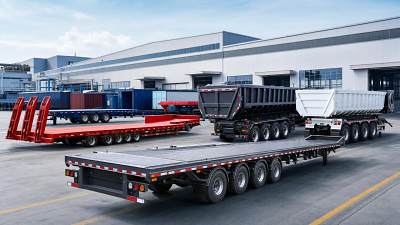
A capable construction machinery supplier for infrastructure should not only sell machines. The supplier must understand site duty cycles, spare parts turnover, operator training needs, and transport coordination. In road transport equipment ecosystems, machine uptime also depends on related assets such as dump trucks, tractor heads, low-bed trailers, and service vehicles. Procurement decisions therefore need a broader supply chain view.
The Most Common Causes of Procurement-Driven Delays
Project delays linked to machinery sourcing usually come from 5 recurring issues: incomplete technical confirmation, unrealistic delivery promises, weak export packaging, missing compliance documents, and poor parts availability. Even when the equipment itself is acceptable, slow response times beyond 24 to 48 hours can create unnecessary downtime during installation or commissioning.
- Specification mismatch between tender requirement and delivered unit
- Lead time variation of 2 to 8 weeks due to production scheduling
- Insufficient pre-shipment inspection records
- No local or regional parts support for wear items
- Weak communication across supplier, freight forwarder, and site team
What Project Managers Should Check First
Before comparing quotations, define the operating window for each machine category. For example, compactors may be needed in phase 2, while truck-mounted cranes may only become critical in phase 4. If site mobilization begins in 30 days, a supplier offering shipment in 45 days may already be unsuitable, even with a lower unit price. Time-to-readiness is often more important than headline cost.
The table below shows how supplier performance can influence core infrastructure milestones across a typical heavy equipment procurement cycle.
For infrastructure procurement, the safest supplier is often the one that can document each milestone clearly rather than the one that simply offers the lowest initial figure. Buyers should ask for milestone dates, inspection records, packing details, and spare parts support before final approval.
How to Evaluate a Construction Machinery Supplier for Infrastructure
Choosing a construction machinery supplier for infrastructure requires a structured review process. Project managers should assess at least 4 dimensions: product fit, delivery capability, support capacity, and communication discipline. In international sourcing, a supplier that responds consistently within 12 to 24 hours and provides complete technical sheets often creates more value than one with broader but poorly managed inventory.
1. Match Equipment to Site Conditions
Not every machine marketed for infrastructure is suitable for your duty environment. Earthmoving on soft ground may require different undercarriage and traction characteristics than hard-rock municipal trenching. Haul road preparation, embankment compaction, and aggregate loading each place different loads on hydraulics, bucket size, axle strength, and cycle times.
Key technical questions to confirm
- Required operating weight range, such as 6 to 8 tons, 20 to 25 tons, or 30 tons plus
- Attachment compatibility for breaker, grapple, standard bucket, or quick coupler
- Expected shift pattern, such as 8-hour single shift or 16-hour double shift
- Climate and terrain factors including high dust, mud, slope, or heat above 40°C
- Transport method to site, including flatbed, low-bed trailer, or containerized parts shipment
2. Verify Supply Capacity Beyond the First Order
Large infrastructure projects rarely stop at a single purchase order. The first order may include 2 excavators and 3 wheel loaders, but phase expansion can quickly require additional dump trucks, rollers, truck cranes, or spare assemblies. A supplier should demonstrate whether it can support repeat orders over a 6 to 18 month project timeline without major lead time instability.
This is where a specialized marketplace such as the Global Heavy Truck Industry Platform provides practical value. Buyers can compare suppliers across construction machinery, complete trucks, chassis systems, trailers, and spare parts in one sourcing environment. For project teams handling road transport equipment and heavy machinery together, this reduces vendor fragmentation and improves procurement coordination.
3. Review Service and Parts Support
A construction machinery supplier for infrastructure should specify what happens after delivery. Wear parts such as filters, hoses, cutting edges, seals, brake components, and hydraulic fittings often need replenishment within the first 250 to 500 operating hours. If the supplier cannot provide a recommended spare kit list or expected replenishment cycle, the buyer is exposed to preventable downtime.
The following table can be used as a practical evaluation tool during supplier screening.
Using a scorecard like this helps procurement teams compare suppliers on operational readiness, not just on unit cost. It is especially effective when 3 to 5 shortlisted vendors appear similar on paper but differ in documentation quality and support discipline.
A Practical Procurement Workflow for Faster Decisions
Project managers can shorten sourcing cycles by using a 5-step procurement workflow. This method is useful when multiple equipment categories must be coordinated, such as excavators, loaders, dump trucks, and semi-trailers for site support. It also reduces internal delays between engineering, procurement, logistics, and finance teams.
Step 1: Build a Site-Based Equipment List
Start with operating tasks, not product catalogs. Identify the machinery needed for earthmoving, hauling, lifting, compaction, and maintenance access. Separate essential equipment from optional capacity additions. For example, phase-one mobilization may require 8 units, while full production may need 12 to 15 units after the first 60 days.
Step 2: Issue a Standardized Inquiry Package
Send the same inquiry set to each supplier. Include target quantity, preferred specification, work environment, delivery location, expected schedule, and spare parts request. Standardized inquiries make it easier to compare offers from any construction machinery supplier for infrastructure and reduce confusion caused by incomplete replies.
Step 3: Compare Total Readiness, Not Unit Price Alone
A cheaper machine may cost more if it arrives later, lacks pre-delivery inspection, or requires longer service interruptions. Review at least 6 factors together: machine specification, lead time, freight arrangement, parts package, warranty terms, and communication speed. In many B2B purchases, the difference between the lowest and second-lowest offer may be only 3% to 8%, while the delivery reliability gap is much larger.
Step 4: Confirm Documents Before Shipment
Before dispatch, request packing photos, serial number records where applicable, accessory checklists, and shipping documentation. This is particularly important for cross-border heavy equipment and land transport equipment shipments where customs or site acceptance may depend on complete paperwork. A 1-day document delay can become a 7-day clearance delay if not addressed early.
Step 5: Plan the First 90 Days of Operation
The procurement cycle does not end at delivery. Establish an operating support plan covering commissioning, operator familiarization, maintenance intervals, and parts reorder triggers. For machines working 200 to 250 hours per month, the first quarter of operation is where supplier responsiveness becomes visible.
How Digital B2B Platforms Improve Global Sourcing Efficiency
For international buyers, one of the biggest challenges is fragmented information. It takes time to verify whether a supplier covers only one machine line or can also support related transport equipment, chassis products, and replacement parts. A professional B2B marketplace dedicated to heavy trucks and equipment helps centralize sourcing decisions and reduce the number of disconnected supplier conversations.
The Global Heavy Truck Industry Platform is designed for this kind of procurement environment. It connects manufacturers, suppliers, distributors, and buyers across the commercial vehicle and heavy equipment chain. For infrastructure-focused project teams, this means access to construction machinery, complete trucks, truck chassis and cab products, trailers and semi-trailers, and spare parts in one digital sourcing ecosystem.
Where the Platform Adds Value
- Faster supplier discovery across multiple equipment categories
- Clearer comparison between technical offers and product lines
- Better visibility into global industry resources and market information
- Stronger support for cross-border sourcing and partner identification
- More efficient coordination when truck fleets and construction machinery are purchased together
This integrated model is especially useful for infrastructure projects where machinery and transport assets are operationally linked. A road contractor may need not only excavators and loaders, but also dump trucks for haulage, semi-trailers for machine relocation, and spare parts support for continuous site service. Evaluating all of these through one professional channel improves procurement consistency.
What Buyers Should Still Verify Independently
Even with a strong platform, buyers should still verify supplier responsiveness, product documentation, delivery feasibility, and support commitment. Digital visibility should accelerate decision-making, not replace due diligence. A good platform helps narrow the field quickly; a disciplined evaluation process ensures the final supplier can perform under project conditions.
Common Mistakes When Choosing Infrastructure Equipment Suppliers
Many project teams repeat the same sourcing mistakes under schedule pressure. The most common error is selecting a supplier before the equipment list is fully defined. Another is focusing only on purchase price while overlooking freight timing, spare support, and attachment compatibility. These mistakes often appear small at the purchasing stage but become expensive once work begins on site.
Mistake 1: Treating All Suppliers as Traders of Equal Capability
Some suppliers can support technical clarification, shipment coordination, and repeat parts orders efficiently. Others only pass through quotations. For projects lasting 9 to 24 months, the difference is substantial. Buyers should ask who handles technical confirmation, who manages export documentation, and how service inquiries are processed after delivery.
Mistake 2: Ordering Without a Spare Parts Starter Plan
A machine delivered without filters, belts, seal kits, hoses, and common wear items may operate well for the first few weeks, then stop for lack of minor components. For remote or demanding locations, keeping 3 months of planned consumables and high-turnover wear parts is often more practical than emergency ordering after failure occurs.
Mistake 3: Ignoring Logistics Fit
Some equipment can be shipped quickly, but site access may still limit unloading or movement. Confirm transport dimensions, offloading method, and whether low-bed trailers or lifting equipment are needed upon arrival. In land transport equipment procurement, the interface between machine size and road transport planning is often overlooked until the last minute.
Final Buying Priorities for Project Managers
When selecting a construction machinery supplier for infrastructure, focus on readiness, reliability, and support continuity. A strong supplier should be able to explain what will be delivered, when it will arrive, how it will be packed, which spare parts should be ordered first, and how issues will be handled during operation. These practical details matter far more than broad sales claims.
For project managers sourcing across heavy trucks, trailers, construction machinery, and related parts, a specialized B2B marketplace can simplify decision-making and reduce sourcing friction. The Global Heavy Truck Industry Platform gives buyers a more efficient way to explore products, compare suppliers, and identify suitable global partners across the heavy equipment and commercial vehicle chain.
If you need a faster way to evaluate suppliers, align equipment choices with infrastructure timelines, and build a more dependable procurement pipeline, now is the right time to review qualified options. Contact us today to get a tailored sourcing plan, consult product details, or explore more solutions for your next infrastructure equipment purchase.
Trending News
- Truck Cement Wholesale: What Determines Stable Delivery and Margin?
- Truck Trailer Bulk Order Cost Breakdown for 2026 Budget Planning
- Truck Trailer Sourcing: 7 Checks Before You Compare Suppliers
- Truck Trailer OEM vs ODM: Which Model Lowers Supply Risk?
- How to Evaluate a Heavy Truck Chassis Manufacturer With R&D Capability in 2026
Tag
Recommended News
 Buying GuideTruck Trailer Sourcing: 7 Checks Before You Compare SuppliersTruck trailer sourcing starts with the right checks. Discover 7 essential steps to verify compliance, quality, lead time, and after-sales support before comparing suppliers.
 Buying GuideTruck Trailer OEM vs ODM: Which Model Lowers Supply Risk?Truck trailer OEM vs ODM: learn which model better reduces supply risk, improves quality control, and protects long-term sourcing flexibility for global trailer buyers.
 Buying GuideHow to Evaluate a Heavy Truck Chassis Manufacturer With R&D Capability in 2026Heavy truck chassis manufacturer with R&D capability: learn how to evaluate engineering strength, validation, compliance, and long-term reliability in 2026 to choose the right supplier.
 Buying GuideHow to Compare Semi Trailer Distributors by Lead Time and SupportSemi trailer distributor comparison starts with lead time and support. Learn how to evaluate delivery reliability, technical response, and after-sales service for smarter sourcing.
 Buying GuideSemi Trailer Bulk Order Risks and Quality Checks Before SigningSemi trailer bulk order risks can quickly multiply without strict checks. Discover the key quality, compliance, and delivery points to verify before signing and protect your fleet investment.
 Buying GuideHow to Evaluate a Heavy Truck Chassis Manufacturer With R&D CapabilityHeavy truck chassis manufacturer with R&D capability: learn how to verify engineering, testing, customization, and quality control to reduce sourcing risk and choose a reliable supplier.
 Buying GuideTruck Tipper Sourcing Checklist: Specs, Lead Time, and ComplianceTruck tipper sourcing starts with the right checklist. Compare specs, lead time, and compliance requirements to reduce risk, evaluate suppliers faster, and choose equipment that fits your operation.
 Buying GuideTruck Tipper Bulk Order: 5 Cost Risks to Check Before SigningTruck tipper bulk order buyers: uncover 5 hidden cost risks before signing, from specs and landed cost to compliance, payment terms, and after-sales support.
 Buying GuideHow to Vet a Heavy Truck Chassis Manufacturer With R&D Capability in 2026Heavy truck chassis manufacturer with R&D capability: learn how to verify engineering depth, testing, customization, and reliability in 2026 to choose a lower-risk supplier.
 Buying GuideDump Truck Bulk Order Risks: What to Confirm Before SigningDump truck bulk order risks can erase savings fast. Learn what to confirm on supplier credibility, specs, delivery, compliance, payment terms, and after-sales support before you sign.
 Buying GuideTruck Cement for Sale: How to Compare Grades for Different Haul JobsTruck cement for sale guide: compare light, medium, and heavy-duty grades by route, payload, terrain, and service support to choose the right mixer truck with lower downtime.
 Buying GuideTruck Tipper Wholesale: Key Specs That Affect Jobsite EfficiencyTruck tipper wholesale guide for project managers: compare body capacity, hydraulics, axle layout, and durability to boost jobsite efficiency, uptime, and ROI.
 Buying GuideTruck Cement Supplier Checklist: Quality, Lead Time, and Delivery RiskTruck cement supplier checklist for B2B buyers: compare quality control, lead time, and delivery risk to reduce delays, improve sourcing confidence, and choose a more reliable supply partner.
 Buying GuideHow to Evaluate a Heavy Truck Chassis Manufacturer with R&D Capability in 2026Heavy truck chassis manufacturer with R&D capability: learn how to assess design strength, compliance readiness, testing, and supply reliability in 2026 for smarter sourcing.
 Buying GuideLogging Truck Manufacturer Guide: Payload, Stability, and Road ConditionsLogging truck manufacturer guide covering payload, stability, and road conditions. Compare real-world performance, safety, and lifecycle value before you buy.
 Buying GuideTruck Tipper Manufacturer Checklist for Mining and Construction FleetsTruck tipper manufacturer checklist for mining and construction fleets: compare durability, safety, payload efficiency, and support to choose the right supplier with confidence.
 Buying GuideTruck Trailer Supplier Comparison: Lead Time, Compliance, and After-Sales RisksTruck trailer supplier comparison goes beyond price. Learn how to assess lead time, compliance, and after-sales risks to choose a reliable partner and reduce sourcing uncertainty.
 Buying GuideWater Truck Manufacturer Selection: Key Tank, Pump, and Chassis ChecksWater truck manufacturer selection starts with the right checks. Learn how to verify tank quality, pump performance, and chassis fit to reduce downtime and choose a reliable supplier.
 Buying GuideHow to Evaluate a Heavy Truck Chassis Manufacturer With R&D Capability in 2026Heavy truck chassis manufacturer with R&D capability: learn how to verify engineering, testing, customization, and compliance in 2026 to choose a lower-risk supplier.
 Buying GuideHow to Compare a Logging Truck Distributor by Service CoverageLogging truck distributor comparison starts with service coverage. Learn how to assess parts access, field support, warranty response, and dealer backing for stronger uptime and growth.
 Buying GuideChoosing a Water Truck Supplier for Dust Control ProjectsWater truck supplier selection for dust control starts with reliability, spray performance, parts support, and service. Learn how to compare suppliers and choose with confidence.
 Buying GuideCrane Truck Manufacturer Checklist for Safe Lifting PerformanceCrane truck manufacturer checklist for safer lifting: compare structural strength, load safety systems, compliance, and service support to reduce risk and source with confidence.
 Buying GuideHow to Evaluate a Heavy Truck Chassis Manufacturer With R&D Capability in 2026Heavy truck chassis manufacturer with R&D capability: learn how to assess engineering depth, validation, compliance, and production consistency in 2026 to choose a reliable supplier.
 Buying GuideCab Chassis Truck for Fire Department: Key Specs Before OrderingCab chassis truck for fire department buyers: compare GVWR, axle ratings, PTO, braking, electrical capacity, and body-fit specs before ordering to reduce risk and improve fleet reliability.
 Buying GuideChoosing a Water Truck Factory for Municipal and Mining ProjectsWater truck factory selection impacts uptime, cost, and reliability. Learn how to compare suppliers for municipal and mining projects with practical buying criteria.