Logging Truck Producer Comparison: Capacity, Durability, and Service
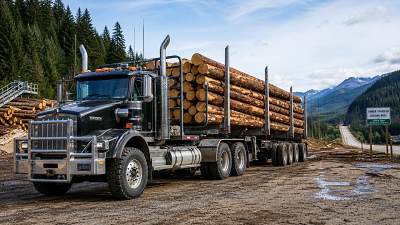
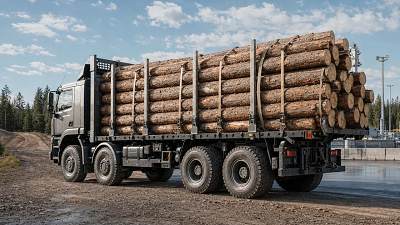
Choosing the right logging truck producer is critical for business evaluators balancing payload needs, long-term durability, and after-sales support. This comparison highlights the key factors that influence purchasing decisions, helping buyers assess manufacturer strengths, reduce operational risk, and identify reliable partners in a competitive global market.
Why scenario-based evaluation matters in a logging truck producer comparison
A useful logging truck producer comparison should never start with brochures alone. For business evaluators in road transport equipment, the real question is not simply which manufacturer offers the biggest truck, but which producer fits the operating scene. A forestry contractor hauling short logs from rough mountain tracks will judge a supplier differently from a timber exporter moving high-volume loads on paved regional highways. The same truck specification can perform well in one setting and create avoidable cost in another.
This is why scenario-based assessment is essential. Capacity, durability, and service quality change in importance depending on terrain, trip distance, loading frequency, climate, fleet size, and local maintenance access. A logging truck producer with strong payload efficiency may not be the best option if frame fatigue appears early under repeated off-road torsion. Likewise, a producer known for rugged construction may still be a weak choice if spare parts lead times disrupt harvesting schedules.
For procurement teams, project evaluators, and distributor partners, the best approach is to compare producers through the lens of application: forest extraction, mixed-road timber transport, export-oriented long-haul movement, and specialized regional use. This reduces the risk of overbuying, under-specifying, or selecting a supplier that cannot support equipment over its full working life.
Common business scenarios where logging truck producer selection differs
The term logging truck producer covers a wide range of manufacturers, from heavy-duty off-road focused builders to multi-purpose commercial truck brands with forestry configurations. Evaluators should begin by identifying which operating scenario most closely matches their business model.
Scenario 1: Harsh forest access and short-distance extraction
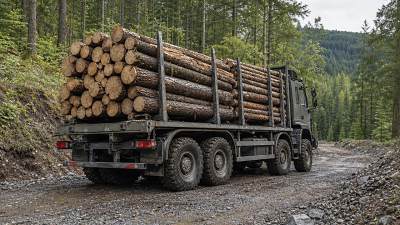
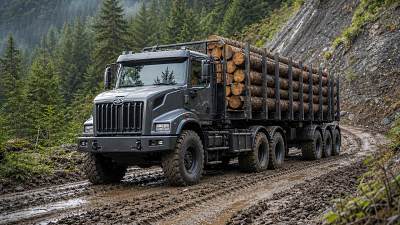
In this scenario, trucks operate on steep grades, muddy tracks, loose gravel, and tight turns. Daily mileage may be modest, but stress per kilometer is extremely high. Here, the right logging truck producer is usually one with proven chassis reinforcement, strong suspension travel, axle durability, differential protection, and stable traction systems. Buyers should prioritize structural endurance over top-speed efficiency.
Scenario 2: Mixed forest-to-mill transportation
Many fleets run a combination of rough access roads and public highways. These operators need a balance between durability and transport productivity. The best producer in this scene is often the one that delivers acceptable off-road resilience without sacrificing road comfort, fuel economy, and payload consistency. Cab ergonomics and braking performance become more important because trip time and driver retention directly affect cost.
Scenario 3: High-volume regional haulage
Where logs are transported over longer paved or semi-improved roads, capacity utilization and uptime dominate decision-making. The preferred logging truck producer should offer efficient powertrains, reliable trailer integration, predictable service intervals, and telematics support. In this case, every additional percentage of fuel savings or every hour of reduced downtime has measurable fleet value.
Scenario 4: Remote international projects or emerging markets
In remote markets, access to service infrastructure may be limited. Buyers should favor a logging truck producer with broad spare parts channels, simpler mechanical architecture where necessary, and distributor support that can handle cross-border operations. Even an excellent truck can become a poor investment if parts are hard to source or technicians are not trained locally.
Comparing producers by application: what matters most
Below is a practical comparison framework that business evaluators can use when conducting a logging truck producer review across typical operating scenes.
Capacity comparison: not just payload, but usable payload in real conditions
In any logging truck producer comparison, capacity is usually the first headline metric. However, evaluators should distinguish between nominal payload and usable payload under actual forestry conditions. A truck that appears strong on paper may lose efficiency if its tare weight is too high, if body design limits log arrangement, or if axle distribution reduces legal loading flexibility.
For short-haul forest use, a slightly lower theoretical payload may still create better net productivity if the truck can load faster, maneuver better, and complete more safe cycles each day. For longer-distance road applications, by contrast, payload optimization has a more direct impact on transport economics. In these cases, the logging truck producer should be evaluated for body configuration options, lightweight but durable materials, load securing systems, and compatibility with regional axle rules.
Business evaluators should ask producers for data beyond the brochure: curb weight by configuration, payload under local legal limits, loading deck dimensions, crane integration where relevant, and expected performance on mixed terrain. This kind of detail shows whether a producer understands commercial reality rather than simply advertising peak figures.
Durability comparison by use case: where producers reveal their true value
Durability is often the deciding factor when selecting a logging truck producer, especially for fleets operating under severe vibration, load shift, moisture exposure, and irregular road surfaces. Yet durability should be assessed in layers. It is not enough to ask whether the truck is “heavy-duty.” Buyers need to know which components are reinforced, how the frame handles torsion, how corrosion protection is managed, and whether recurring failures are documented in comparable working environments.
In mountain logging scenes, frame twist resistance, bogie durability, steering protection, and underbody toughness matter more than cabin cosmetics. In warmer but dusty markets, filtration systems and cooling performance become key. In cold forestry regions, starting reliability, hydraulic resilience, and material behavior under freezing conditions are critical. A capable logging truck producer will be able to explain how its design adapts to these realities, not just present a generic commercial truck platform.
Evaluators should also investigate lifecycle indicators such as average overhaul timing, typical suspension service life, weld integrity history, and the availability of upgraded parts kits. Producers that are transparent about wear points and preventive maintenance usually offer lower long-term risk than those relying only on branding claims.
Service capability: the most underestimated factor in logging truck producer selection
After-sales support often becomes the hidden cost driver in timber transport projects. A logging truck producer with decent product quality but weak service response can quickly become more expensive than a premium-priced competitor with faster parts fulfillment and stronger technical backing. This is especially true where fleet schedules are linked to harvest windows, mill contracts, or export deadlines.
Service should be compared in practical terms:
- Availability of high-turn parts such as filters, brake components, bushings, and suspension items
- Response time for major failures affecting driveline or hydraulic systems
- Distributor competence in forestry-specific applications
- Remote diagnostics, multilingual technical support, and training resources
- Warranty clarity for severe-duty operations
For international buyers, the strongest logging truck producer is often the one supported by a reliable cross-border supply chain and documented service processes. This is where a professional B2B industry platform adds value: buyers can compare suppliers, review product categories, examine market presence, and identify producers with service depth rather than just aggressive pricing.
How different buyer types should judge producer fit
Common misjudgments in logging truck producer comparison
One common mistake is choosing solely on engine power. In logging, traction management, axle matching, and structural integrity often matter more than headline horsepower. Another error is assuming a general heavy truck producer automatically performs well in forestry applications. Unless the brand has real logging configurations or proven timber transport references, adaptation costs can rise quickly.
Buyers also frequently underestimate service geography. A producer may look competitive at quotation stage but become problematic once trucks operate far from urban dealer centers. Finally, some evaluators compare initial purchase prices without modeling downtime, fuel burn, tire wear, and resale value. For severe-duty fleets, total cost of ownership is a far better benchmark than invoice cost alone.
FAQ for business evaluators
What is the first question to ask a logging truck producer?
Ask for reference applications that closely match your terrain, haul distance, and load pattern. Real operating similarity is more valuable than generic product claims.
How should I compare durability between producers?
Review chassis design, axle specification, corrosion protection, maintenance records, and replacement part history. Durability should be measured by component life in comparable scenarios.
When does service outweigh payload in the decision?
In remote regions, project-based contracts, or harvest seasons with narrow delivery windows, dependable service can be more valuable than a small payload advantage.
Final evaluation approach for selecting the right producer
The most effective logging truck producer comparison is built around operating reality: where the truck runs, how often it loads, what roads it crosses, and how quickly support must arrive when problems occur. Capacity should be judged as usable payload, durability should be tied to actual stress conditions, and service should be tested against your geographic and commercial constraints.
For business evaluators seeking qualified global suppliers, a specialized industry platform can simplify this process by connecting buyers with manufacturers, distributors, and product categories across the heavy truck ecosystem. By comparing producer capabilities, support resources, and application fit in one place, buyers can make more confident decisions and identify partners aligned with long-term forestry transport performance.
Before moving to quotation or supplier negotiation, define your main logging scenario, list the non-negotiable operating conditions, and request evidence that each logging truck producer can meet them. That discipline leads to better procurement outcomes, lower lifecycle risk, and stronger fleet productivity.
Trending News
- Truck Cement Wholesale: What Determines Stable Delivery and Margin?
- Truck Trailer Bulk Order Cost Breakdown for 2026 Budget Planning
- Truck Trailer Sourcing: 7 Checks Before You Compare Suppliers
- Truck Trailer OEM vs ODM: Which Model Lowers Supply Risk?
- How to Evaluate a Heavy Truck Chassis Manufacturer With R&D Capability in 2026
Tag
Recommended News
 Truck ReviewsLight Duty Truck With Durable Engine: What Matters MostLight duty truck with durable engine: discover the key checks for uptime, lower fuel costs, smarter maintenance, and reliable performance before you buy.
 Truck ReviewsWhat Makes a Truck Tipper for Construction Perform Better On-Site?Truck tipper for construction performance depends on site conditions, body strength, hydraulics, and traction. Learn how to choose the right model for safer, faster, more efficient jobs.
 Truck ReviewsLogging Truck Producer Comparison: Durability Issues That Affect UptimeLogging truck producer comparison guide: discover the durability issues that impact uptime, repair costs, and safety, and learn how to choose a truck built for harsh forestry transport.
 Truck ReviewsTruck Tipper for Construction: When Payload Matters More Than PriceTruck tipper for construction buying guide: learn why payload, durability, and cycle efficiency matter more than price to cut costs, boost uptime, and improve site productivity.
 Truck ReviewsCrane Truck Manufacturer Comparison for Urban Lifting and Narrow SitesCrane truck manufacturer comparison for urban lifting: discover how to choose compact, safe, high-efficiency models for narrow sites, faster setup, and reliable support.
 Truck ReviewsTruck Cement Mixer Manufacturer Comparison: Drum Design, Output, and ServiceTruck cement mixer manufacturer comparison guide covering drum design, real output, and after-sales service. Help your team compare suppliers, reduce sourcing risk, and choose with confidence.
 Truck ReviewsTruck Tipper Manufacturer Comparison: Build Quality Points That MatterTruck tipper manufacturer comparison guide: discover the build quality points that truly affect durability, payload stability, maintenance, and long-term operating cost.
 Truck ReviewsTruck Cement for Sale: How to Judge Value From Photos and Spec SheetsTruck cement for sale buyers can learn to judge true value from photos and spec sheets. Spot wear, compare capacity, and avoid costly mistakes before you contact sellers.
 Truck ReviewsLogging Truck Producer Comparison: Features That Matter in Tough TerrainLogging truck producer comparison for tough terrain: discover the features that impact traction, stability, durability, and uptime to choose the right forestry truck with confidence.
 Truck ReviewsLogging Truck Producer Comparison: Capacity, Durability, and ServiceLogging truck producer comparison guide covering capacity, durability, and service. Compare real-world fit, reduce fleet risk, and choose reliable suppliers for forestry transport.
 Truck ReviewsFlatbed Trailer Supplier With High Strength: What Really MattersFlatbed trailer supplier with high strength: learn how to assess materials, structure, compliance, and lifecycle value to choose reliable trailer partners with confidence.
 Truck ReviewsDoes Quick Installation Really Matter When Choosing an Excavator ManufacturerExcavator manufacturer with quick installation: learn why fast setup only matters when paired with reliable performance, lower downtime, operator support, and long-term jobsite efficiency.
 Truck ReviewsWhat Makes a Truck Tipper for Construction Easier to Maintain On SiteTruck tipper for construction models with easy hydraulic access, modular parts, and clear service points cut downtime, lower repair costs, and keep demanding jobsites running.
 Truck ReviewsWhat Makes a Truck Tipper Manufacturer Reliable in Heavy-Duty UseTruck tipper manufacturer selection starts with reliability. Learn how to compare steel quality, hydraulics, stability, and service support for safer heavy-duty performance.
 Truck ReviewsLogging Truck Manufacturer Comparison for Harsh Terrain WorkLogging truck manufacturer comparison for harsh terrain: evaluate durability, traction, load control, and service support to choose safer, more efficient forestry transport solutions.
 Truck ReviewsQuick Installation Excavators: Do They Really Save Time on SiteExcavator manufacturer with quick installation: learn if these machines truly cut setup delays, improve workflow, and lower site costs before you buy.
 Truck ReviewsWhat Makes a Truck Tipper for Construction Easier to Run on Busy SitesTruck tipper for construction buying guide: discover the features that make busy job sites safer, faster, and easier to manage, from stable tipping to better visibility and lower downtime.
 Truck ReviewsTruck Tipper OEM for Harsh Job Sites: What Really MattersTruck tipper OEM selection for harsh job sites starts with what matters most: durability, hydraulic reliability, safety, and support. Discover how to choose a tipper built for uptime and lower operating costs.
 Truck ReviewsHow to Judge a Logging Truck Producer by Frame and Load DesignLogging truck producer evaluation starts with frame strength and load design. Learn how to compare suppliers for safer timber transport, higher durability, and lower lifecycle costs.
 Truck ReviewsDo Quick-Installation Excavators Really Save Time on SiteExcavator manufacturer with quick installation: discover whether fast-setup excavators truly cut downtime, speed relocations, and boost jobsite productivity before you buy.
 Truck ReviewsIs a Lightweight Semi Trailer Worth It for Daily Freight Usesemi trailer manufacturer with lightweight design: learn if a lightweight semi trailer can boost payload, fuel savings, and daily freight efficiency before you buy.
 Truck ReviewsDelivery truck supplier lead times spiked in Q1 2026—not because of demand, but component traceability gapsDelivery truck supplier lead times spiked in Q1 2026—blame component traceability gaps, not demand. Discover how SHACMAN L3000, X5000, F2000, bulldozer & excavator manufacturers, and flatbed/semi trailer suppliers are restoring reliability.