Flatbed Trailer Supplier With High Strength: What Really Matters
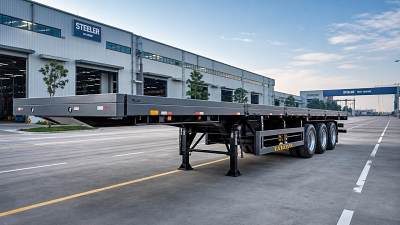
Choosing a flatbed trailer supplier with high strength is not only about load capacity, but also about material quality, structural design, compliance, and long-term operating reliability. For technical evaluators in road transport equipment, understanding these core factors helps reduce procurement risk, improve fleet performance, and identify suppliers that can truly support demanding logistics and industrial applications.
Why does a flatbed trailer supplier with high strength matter beyond payload numbers?
In road transport equipment procurement, many buyers begin with deck length, axle count, and rated load. Those are important, but they do not tell the full story. A flatbed trailer supplier with high strength should be evaluated on how the trailer performs under repeated stress, uneven loading, road vibration, and cross-border operating conditions.
For technical assessment teams, the real question is not simply whether a trailer can carry a load once. The question is whether the structure can maintain stability, dimensional consistency, and service life over years of logistics work, heavy cargo handling, and varying road quality. In sectors such as industrial transport, steel delivery, machinery movement, and infrastructure supply, this difference has a direct cost impact.
- Higher structural strength can reduce frame deformation caused by concentrated loads or dynamic impacts during braking and turning.
- Better material selection improves fatigue resistance, which is critical for long-haul and multi-cycle fleet operations.
- A qualified supplier usually provides stronger process control, clearer drawings, and more consistent manufacturing tolerances.
- Reliable high-strength designs often lead to lower maintenance frequency, less downtime, and more predictable lifecycle cost.
This is why the phrase flatbed trailer supplier with high strength should be interpreted as a supplier capability issue, not only a product marketing phrase. Engineering depth, fabrication discipline, and application understanding are what separate a viable sourcing decision from an expensive correction later.
What should technical evaluators check first when screening suppliers?
When comparing suppliers in the trailers and semi-trailers segment, technical evaluators need a structured screening method. Early-stage filtering saves time and prevents commercial discussions with suppliers that cannot meet durability, compliance, or customization needs.
The table below summarizes practical evaluation dimensions for selecting a flatbed trailer supplier with high strength in global road transport equipment sourcing.
This matrix helps technical buyers move beyond generic catalog claims. A supplier that cannot clearly explain beam design, fabrication control, and component matching will usually create uncertainty later in testing, registration, or field operation.
A fast screening checklist
- Request a detailed trailer specification sheet, not only a brochure.
- Ask for sectional drawings of the main beam and cross-member arrangement.
- Confirm whether the supplier supports market-specific brake, lighting, and dimension requirements.
- Check whether optional configurations are engineered properly or simply added commercially.
How do high-strength materials and structural design affect real operating performance?
A flatbed trailer supplier with high strength should be able to discuss both material science and structural mechanics in practical terms. High-strength steel alone does not guarantee a stronger trailer. If beam geometry, welding quality, and cross-member spacing are not matched to the intended duty cycle, the trailer may still suffer twisting, local buckling, or abnormal deck wear.
Key design factors that deserve attention
- Main beam configuration: The beam carries the majority of the bending load. Its section shape and reinforcement pattern influence stiffness under concentrated cargo.
- Cross-member layout: Proper spacing supports the deck, distributes cargo loads, and reduces localized stress.
- Gooseneck and kingpin area: These zones often experience severe stress transfer during turning and braking, so design detail is critical.
- Suspension mounting structure: Reinforcement around hangers and brackets affects tracking stability and chassis durability.
Technical evaluators should also consider the operating environment. A trailer used for packaged cargo on smooth highways faces a very different stress profile from a trailer carrying steel coils, stone blocks, or construction equipment on mixed roads. The best supplier is the one that aligns structure with duty, not the one that offers the most aggressive rating on paper.
Which flatbed trailer configurations fit different transport scenarios?
Application matching is one of the most overlooked parts of trailer procurement. Technical teams often compare suppliers before defining the real cargo and route profile. That can result in over-specification, under-specification, or avoidable maintenance costs.
The following table links common road transport scenarios to configuration priorities when working with a flatbed trailer supplier with high strength.
This comparison shows why scenario-based evaluation is essential. The most suitable flatbed trailer supplier with high strength is often the supplier that asks detailed application questions early, because those questions shape the correct structural and component selection.
What compliance and certification issues should not be ignored?
Compliance is a practical engineering issue, not only a legal one. In international trailer sourcing, technical evaluators must confirm whether the supplier understands the destination market’s operating requirements. These may include axle load distribution, braking system interfaces, lighting arrangements, reflective markings, dimensions, and documentation needed for customs or local registration.
Key compliance points to review
- Applicable regional regulations for trailer dimensions, gross vehicle mass, and axle spacing.
- Brake and electrical interface compatibility with the tractor units in the target fleet.
- Material traceability and inspection documentation where required by project or buyer policy.
- Conformity of safety accessories such as side protection, underrun protection, and load securing points where relevant.
A supplier that only provides a standard export trailer without discussing target market specifics may create hidden costs. Modifying a finished trailer after delivery is usually more expensive and more disruptive than validating compliance during the engineering stage.
How can buyers compare supplier capability instead of just comparing price?
Price comparison is necessary, but technical evaluators should break the quotation into performance drivers. A lower initial cost can hide thinner steel sections, weaker deck support, lower coating quality, or limited spare parts planning. In heavy-duty road transport equipment, those trade-offs often appear later as downtime, tire wear, frame repair, or shorter replacement cycles.
Useful comparison questions for procurement teams
- What is included in the standard configuration, and what is optional?
- Are the structural reinforcements application-specific or generic across all models?
- How does the supplier support spare parts, service documentation, and replacement components?
- Can the supplier provide pre-shipment inspection support or third-party inspection coordination?
- How are delivery lead times affected by custom axle placement, deck options, or compliance modifications?
This is where a specialized global B2B industry platform becomes valuable. The Global Heavy Truck Industry Platform connects buyers with suppliers across truck chassis, complete trucks, trailers, semi-trailers, construction machinery, and spare parts. For technical evaluators, that means easier supplier comparison, better visibility into product categories, and faster access to supporting industry information for decision-making.
Instead of sourcing in isolation, buyers can compare multiple trailer suppliers, review related component ecosystems, and better understand market positioning. This reduces the risk of choosing a supplier that looks competitive on a single quote but lacks depth in engineering support or export coordination.
What are the most common mistakes when selecting a flatbed trailer supplier with high strength?
Even experienced teams can make avoidable mistakes when timeline pressure is high. In trailer procurement, these mistakes usually come from evaluating the visible product but not the full use cycle.
Frequent evaluation errors
- Assuming high-strength steel automatically means higher durability, without checking structural layout and weld quality.
- Using rated payload as the main decision factor while ignoring cargo concentration and dynamic load conditions.
- Failing to verify compatibility with existing tractor heads, maintenance practices, and spare part sourcing channels.
- Not defining route conditions, loading methods, and unloading equipment before requesting quotations.
- Overlooking documentation quality, which later delays import procedures, fleet approval, or internal sign-off.
A disciplined technical evaluation process should connect product design, route reality, compliance needs, and maintenance capability. That is especially important for buyers managing multi-country sourcing or mixed-application fleets.
FAQ: practical questions technical evaluators often ask
How do I verify whether a flatbed trailer supplier with high strength is technically reliable?
Start with engineering documentation. Ask for beam section details, material specifications, cross-member design, axle and suspension configuration, and inspection procedures. Then confirm whether the supplier can discuss your actual cargo type, road condition, and target regulatory environment. A reliable supplier usually answers with application-specific recommendations rather than only sales language.
Which cargo types most urgently require high-strength flatbed trailer design?
Dense and concentrated loads usually create the greatest need. Examples include steel products, stone materials, heavy machinery, and industrial equipment components. These loads can create localized stress and repeated structural fatigue, so the trailer needs stronger beam design, deck support, and reinforcement around critical mounting zones.
Is lighter always better in flatbed trailer selection?
Not always. Reducing tare weight can improve payload efficiency, but excessive weight reduction may compromise stiffness, fatigue resistance, or repair life if the application is severe. Technical evaluators should balance tare weight against structural reserve, route quality, and load concentration. The best solution is application-specific optimization, not the lightest specification available.
How long should lead time planning take for customized flatbed trailers?
Lead time depends on customization depth, component sourcing, and inspection requirements. Technical teams should clarify drawings, compliance options, and component preferences early. Delays often occur not in fabrication itself, but in late-stage changes to deck arrangement, axle placement, braking interfaces, or export documentation. Early alignment with the supplier reduces schedule risk significantly.
Why choose us for flatbed trailer sourcing and technical comparison?
For buyers looking for a flatbed trailer supplier with high strength, the challenge is rarely just finding products. The challenge is filtering suppliers efficiently, comparing technical options clearly, and reducing cross-border sourcing uncertainty. The Global Heavy Truck Industry Platform is built for that process.
How our platform supports technical evaluators
- Access to a broad commercial vehicle and heavy equipment supply network covering trailers, semi-trailers, trucks, chassis, and spare parts.
- Faster comparison of supplier capabilities, product categories, and industry resources in one professional B2B environment.
- Support for informed selection through buying guides, market insights, and structured product discovery.
- Better coordination for buyers who need to assess not only trailers, but also related components and complete transport solutions.
If you are evaluating a flatbed trailer supplier with high strength, you can use our platform to discuss parameter confirmation, trailer configuration selection, application matching, delivery cycle expectations, customization direction, target-market compliance concerns, spare parts planning, and quotation comparison. This approach helps technical teams make decisions with stronger market visibility and fewer blind spots.
Contact us to start a more structured sourcing process for flatbed trailers and related road transport equipment. You can inquire about deck size options, beam and axle matching, cargo-specific reinforcement ideas, documentation requirements, supplier comparison support, and export-oriented procurement planning.
Trending News
- Truck Cement Wholesale: What Determines Stable Delivery and Margin?
- Truck Trailer Bulk Order Cost Breakdown for 2026 Budget Planning
- Truck Trailer Sourcing: 7 Checks Before You Compare Suppliers
- Truck Trailer OEM vs ODM: Which Model Lowers Supply Risk?
- How to Evaluate a Heavy Truck Chassis Manufacturer With R&D Capability in 2026
Tag
Recommended News
 Truck ReviewsLight Duty Truck With Durable Engine: What Matters MostLight duty truck with durable engine: discover the key checks for uptime, lower fuel costs, smarter maintenance, and reliable performance before you buy.
 Truck ReviewsWhat Makes a Truck Tipper for Construction Perform Better On-Site?Truck tipper for construction performance depends on site conditions, body strength, hydraulics, and traction. Learn how to choose the right model for safer, faster, more efficient jobs.
 Truck ReviewsLogging Truck Producer Comparison: Durability Issues That Affect UptimeLogging truck producer comparison guide: discover the durability issues that impact uptime, repair costs, and safety, and learn how to choose a truck built for harsh forestry transport.
 Truck ReviewsTruck Tipper for Construction: When Payload Matters More Than PriceTruck tipper for construction buying guide: learn why payload, durability, and cycle efficiency matter more than price to cut costs, boost uptime, and improve site productivity.
 Truck ReviewsCrane Truck Manufacturer Comparison for Urban Lifting and Narrow SitesCrane truck manufacturer comparison for urban lifting: discover how to choose compact, safe, high-efficiency models for narrow sites, faster setup, and reliable support.
 Truck ReviewsTruck Cement Mixer Manufacturer Comparison: Drum Design, Output, and ServiceTruck cement mixer manufacturer comparison guide covering drum design, real output, and after-sales service. Help your team compare suppliers, reduce sourcing risk, and choose with confidence.
 Truck ReviewsTruck Tipper Manufacturer Comparison: Build Quality Points That MatterTruck tipper manufacturer comparison guide: discover the build quality points that truly affect durability, payload stability, maintenance, and long-term operating cost.
 Truck ReviewsTruck Cement for Sale: How to Judge Value From Photos and Spec SheetsTruck cement for sale buyers can learn to judge true value from photos and spec sheets. Spot wear, compare capacity, and avoid costly mistakes before you contact sellers.
 Truck ReviewsLogging Truck Producer Comparison: Features That Matter in Tough TerrainLogging truck producer comparison for tough terrain: discover the features that impact traction, stability, durability, and uptime to choose the right forestry truck with confidence.
 Truck ReviewsLogging Truck Producer Comparison: Capacity, Durability, and ServiceLogging truck producer comparison guide covering capacity, durability, and service. Compare real-world fit, reduce fleet risk, and choose reliable suppliers for forestry transport.
 Truck ReviewsFlatbed Trailer Supplier With High Strength: What Really MattersFlatbed trailer supplier with high strength: learn how to assess materials, structure, compliance, and lifecycle value to choose reliable trailer partners with confidence.
 Truck ReviewsDoes Quick Installation Really Matter When Choosing an Excavator ManufacturerExcavator manufacturer with quick installation: learn why fast setup only matters when paired with reliable performance, lower downtime, operator support, and long-term jobsite efficiency.
 Truck ReviewsWhat Makes a Truck Tipper for Construction Easier to Maintain On SiteTruck tipper for construction models with easy hydraulic access, modular parts, and clear service points cut downtime, lower repair costs, and keep demanding jobsites running.
 Truck ReviewsWhat Makes a Truck Tipper Manufacturer Reliable in Heavy-Duty UseTruck tipper manufacturer selection starts with reliability. Learn how to compare steel quality, hydraulics, stability, and service support for safer heavy-duty performance.
 Truck ReviewsLogging Truck Manufacturer Comparison for Harsh Terrain WorkLogging truck manufacturer comparison for harsh terrain: evaluate durability, traction, load control, and service support to choose safer, more efficient forestry transport solutions.
 Truck ReviewsQuick Installation Excavators: Do They Really Save Time on SiteExcavator manufacturer with quick installation: learn if these machines truly cut setup delays, improve workflow, and lower site costs before you buy.
 Truck ReviewsWhat Makes a Truck Tipper for Construction Easier to Run on Busy SitesTruck tipper for construction buying guide: discover the features that make busy job sites safer, faster, and easier to manage, from stable tipping to better visibility and lower downtime.
 Truck ReviewsTruck Tipper OEM for Harsh Job Sites: What Really MattersTruck tipper OEM selection for harsh job sites starts with what matters most: durability, hydraulic reliability, safety, and support. Discover how to choose a tipper built for uptime and lower operating costs.
 Truck ReviewsHow to Judge a Logging Truck Producer by Frame and Load DesignLogging truck producer evaluation starts with frame strength and load design. Learn how to compare suppliers for safer timber transport, higher durability, and lower lifecycle costs.
 Truck ReviewsDo Quick-Installation Excavators Really Save Time on SiteExcavator manufacturer with quick installation: discover whether fast-setup excavators truly cut downtime, speed relocations, and boost jobsite productivity before you buy.
 Truck ReviewsIs a Lightweight Semi Trailer Worth It for Daily Freight Usesemi trailer manufacturer with lightweight design: learn if a lightweight semi trailer can boost payload, fuel savings, and daily freight efficiency before you buy.
 Truck ReviewsDelivery truck supplier lead times spiked in Q1 2026—not because of demand, but component traceability gapsDelivery truck supplier lead times spiked in Q1 2026—blame component traceability gaps, not demand. Discover how SHACMAN L3000, X5000, F2000, bulldozer & excavator manufacturers, and flatbed/semi trailer suppliers are restoring reliability.