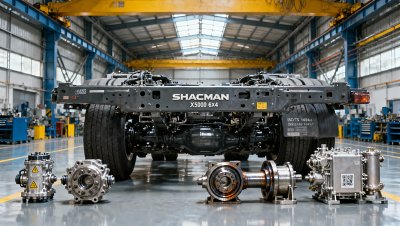
Logging Truck Manufacturer Comparison for Harsh Terrain Work
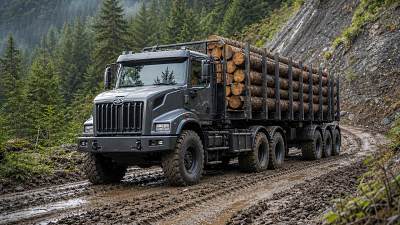
Choosing the right logging truck manufacturer is critical when your work involves steep grades, muddy access roads, and heavy timber loads. For operators working in harsh terrain, truck durability, traction, load capacity, and service support can directly affect safety, uptime, and long-term operating cost.
What a Logging Truck Manufacturer Delivers in Real-World Forestry Work
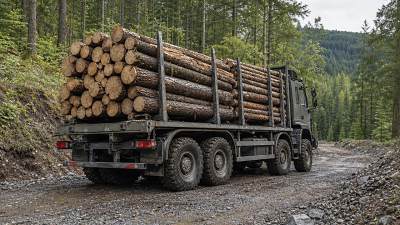
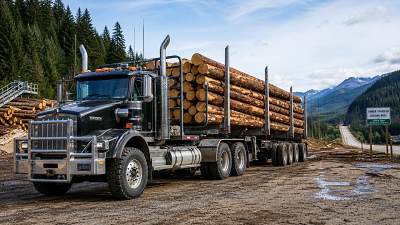
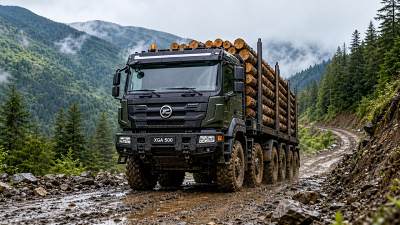
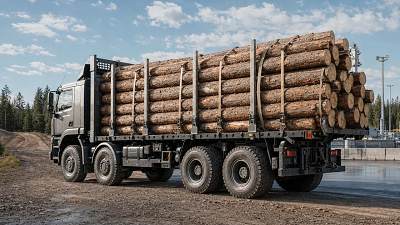
A logging truck manufacturer does far more than build a vehicle that can carry timber from forest to mill. In demanding land transport applications, the manufacturer shapes the entire operating experience through chassis design, drivetrain configuration, suspension strength, load handling stability, cab protection, and after-sales support. For operators, these factors matter most when roads are uneven, turning space is limited, weather changes quickly, and every trip places heavy stress on the truck.
In harsh terrain work, logging trucks are expected to combine off-road mobility with legal road performance, because many routes include both rough extraction tracks and public highways. That is why comparing a logging truck manufacturer should not focus only on headline specifications such as engine horsepower. A truck that looks powerful on paper may still perform poorly if frame rigidity, axle ratios, tire compatibility, or braking balance are not suited to forestry operations.
For the global heavy truck market, this category sits at the intersection of commercial vehicles, vocational trucks, and specialized transport equipment. Buyers and operators increasingly use digital B2B platforms to compare manufacturers, study product ranges, review truck configurations, and identify suppliers that understand regional forestry conditions. This is especially useful when fleets operate across mountains, plantations, cold regions, or remote timber zones where support access is limited.
Why Harsh Terrain Makes Manufacturer Comparison More Important
In general highway freight, many truck brands can perform acceptably if maintenance is good. Forestry transport is different. The combination of high center-of-gravity loads, soft ground, side slopes, frequent stop-start cycles, and exposure to debris creates a much narrower margin for error. That is why a logging truck manufacturer comparison becomes an operational decision, not just a purchasing exercise.
Operators in difficult terrain usually care about five questions first. Can the truck climb without wheelspin? Can it descend safely with a loaded trailer? Will the suspension and frame survive constant twisting? How easy is it to service in the field? And will replacement parts arrive quickly during peak logging season? These practical questions often reveal bigger differences between manufacturers than brochures do.
Another reason comparison matters is lifecycle cost. A lower purchase price may be attractive at first, but repeated downtime, cracked components, poor fuel efficiency on grades, or slow parts supply can increase the true cost per cubic meter of timber moved. A capable logging truck manufacturer typically designs for durability under repetitive heavy loading, making the truck more predictable over several seasons.
Core Comparison Areas for a Logging Truck Manufacturer
When evaluating a logging truck manufacturer, operators should compare the machine as a working system. The most useful review usually includes the following dimensions rather than a simple brand ranking.
- Chassis strength and torsional resistance for uneven ground
- Axle layout such as 6x4, 6x6, 8x4, or 8x8 based on route severity
- Engine torque delivery at low speed rather than peak horsepower alone
- Transmission matching for climbs, starts, and heavy haul conditions
- Brake system reliability, engine braking, and downhill control
- Cab durability, visibility, and operator comfort during long shifts
- Parts availability, technical documentation, and service network coverage
A strong logging truck manufacturer will also offer configuration flexibility. Forestry fleets often need options for bunk length, loader integration, trailer compatibility, tire packages, fuel tank protection, guarding, and climate suitability. A truck that can be adapted to local timber type and road condition often delivers better value than a standard heavy-duty truck repurposed for logging.
Industry Overview Table for Harsh Terrain Logging Trucks
The table below summarizes the main areas operators should review when comparing a logging truck manufacturer for severe forestry duty.
Typical Operating Scenarios and Truck Priorities
Not every forestry environment demands the same truck specification. A logging truck manufacturer that performs well in one region may need a different setup for another. Operators should compare manufacturers against actual job conditions rather than general brand reputation.
How Operators Can Evaluate Manufacturers Beyond Brochures
The best logging truck manufacturer comparison often starts with field evidence. Operators should ask for real fleet references in conditions similar to their own. A truck proven in flat commercial haulage is not the same as one proven in steep forestry extraction. Service records, fuel consumption in loaded uphill runs, brake wear, suspension repairs, and tire life all reveal whether a manufacturer truly understands logging duty.
It is also helpful to review the manufacturer’s product depth. Some companies offer a broad heavy truck range with only limited forestry adaptation, while others develop vocational chassis with stronger protection and better upfit compatibility. For a harsh terrain operator, practical design details are often decisive: guarded lighting, protected air lines, stronger bumper design, easier ladder access, better mirror placement, and reliable coupling components.
Another strong evaluation method is to compare support readiness. Even an excellent truck can become a poor choice if parts lead times are long or diagnostics are difficult in remote regions. A capable logging truck manufacturer should provide spare parts planning, maintenance manuals, dealer coordination, and operator training. On an international B2B platform, these support factors can often be compared alongside product data and supplier profiles, helping fleets narrow down options faster.
Application Value for Operators, Fleet Managers, and Forestry Transport Businesses
For operators, the right truck means more control, less fatigue, and fewer risky situations on difficult routes. Better steering feel, stable load behavior, and predictable braking can improve confidence during long shifts. Cab design also matters in forestry, where drivers face vibration, debris, frequent loading stops, and changing weather. A well-designed truck helps reduce strain and supports safer daily operation.
For fleet managers, manufacturer choice affects uptime, maintenance scheduling, driver acceptance, and resale value. A logging truck manufacturer with a proven service ecosystem can help standardize maintenance practices across multiple units, reducing training complexity and avoiding preventable failures. That matters in an industry where lost operating days during harvest windows can quickly damage profitability.
For forestry transport businesses and procurement teams, manufacturer comparison also supports better long-term planning. As global demand for heavy truck equipment grows across logistics, mining, infrastructure, and timber transport, businesses need trusted channels to compare suppliers efficiently. Industry platforms focused on commercial vehicles make it easier to discover logging truck options, assess supplier credibility, and access buying guides that turn technical data into more informed decisions.
Practical Selection Tips for Harsh Terrain Work
Before choosing a logging truck manufacturer, define the job clearly. Record road gradients, annual rainfall, average haul distance, timber type, legal payload limits, and whether the truck will run with a trailer or onboard loader. This prevents overbuying for road work or under-specifying for severe off-road extraction.
- Match axle configuration to terrain severity, not just payload target.
- Check low-speed torque and braking support for hill work.
- Ask about frame warranty, common failure points, and parts stocking policy.
- Review service access for filters, brakes, suspension parts, and driveline components.
- Compare total operating cost, not purchase price alone.
If possible, include operator feedback in the final decision. Drivers often notice traction behavior, visibility blind spots, gear spacing, and ride stability before management sees them in repair reports. Their experience can highlight the difference between a truck that is merely heavy-duty and one that is truly suited to forestry transport.
Conclusion and Next Step
A reliable logging truck manufacturer should be judged by how well the truck performs under load, on bad surfaces, and across long working seasons. In harsh terrain, durability, traction, powertrain matching, and service support are the foundations of safe and efficient timber transport. A careful comparison gives operators and fleet teams a clearer view of which manufacturers can support real forestry conditions rather than ideal test environments.
If you are reviewing global supplier options, a professional heavy truck industry platform can help you compare products, explore manufacturer capabilities, and identify partners with relevant experience in vocational transport. That makes the search for the right logging truck manufacturer more transparent, more efficient, and more aligned with the realities of land transport equipment in difficult working environments.
Trending News
- Truck Trailer Exporter Comparison: Pricing, Certification, and After-Sales
- Truck Cement Exporter Selection: Compliance Points for Cross-Border Deals
- Dump Truck Distributor Trends in 2026: Margin, Stock, and Service
- How a Truck Cement Manufacturer Ensures Consistent Load Quality
- Dump Truck Bulk Order Risks: What to Confirm Before Signing
Tag
Recommended News
 Truck ReviewsLight Duty Truck With Durable Engine: What Matters MostLight duty truck with durable engine: discover the key checks for uptime, lower fuel costs, smarter maintenance, and reliable performance before you buy.
 Truck ReviewsWhat Makes a Truck Tipper for Construction Perform Better On-Site?Truck tipper for construction performance depends on site conditions, body strength, hydraulics, and traction. Learn how to choose the right model for safer, faster, more efficient jobs.
 Truck ReviewsLogging Truck Producer Comparison: Durability Issues That Affect UptimeLogging truck producer comparison guide: discover the durability issues that impact uptime, repair costs, and safety, and learn how to choose a truck built for harsh forestry transport.
 Truck ReviewsTruck Tipper for Construction: When Payload Matters More Than PriceTruck tipper for construction buying guide: learn why payload, durability, and cycle efficiency matter more than price to cut costs, boost uptime, and improve site productivity.
 Truck ReviewsCrane Truck Manufacturer Comparison for Urban Lifting and Narrow SitesCrane truck manufacturer comparison for urban lifting: discover how to choose compact, safe, high-efficiency models for narrow sites, faster setup, and reliable support.
 Truck ReviewsTruck Cement Mixer Manufacturer Comparison: Drum Design, Output, and ServiceTruck cement mixer manufacturer comparison guide covering drum design, real output, and after-sales service. Help your team compare suppliers, reduce sourcing risk, and choose with confidence.
 Truck ReviewsTruck Tipper Manufacturer Comparison: Build Quality Points That MatterTruck tipper manufacturer comparison guide: discover the build quality points that truly affect durability, payload stability, maintenance, and long-term operating cost.
 Truck ReviewsTruck Cement for Sale: How to Judge Value From Photos and Spec SheetsTruck cement for sale buyers can learn to judge true value from photos and spec sheets. Spot wear, compare capacity, and avoid costly mistakes before you contact sellers.
 Truck ReviewsLogging Truck Producer Comparison: Features That Matter in Tough TerrainLogging truck producer comparison for tough terrain: discover the features that impact traction, stability, durability, and uptime to choose the right forestry truck with confidence.
 Truck ReviewsLogging Truck Producer Comparison: Capacity, Durability, and ServiceLogging truck producer comparison guide covering capacity, durability, and service. Compare real-world fit, reduce fleet risk, and choose reliable suppliers for forestry transport.
 Truck ReviewsFlatbed Trailer Supplier With High Strength: What Really MattersFlatbed trailer supplier with high strength: learn how to assess materials, structure, compliance, and lifecycle value to choose reliable trailer partners with confidence.
 Truck ReviewsDoes Quick Installation Really Matter When Choosing an Excavator ManufacturerExcavator manufacturer with quick installation: learn why fast setup only matters when paired with reliable performance, lower downtime, operator support, and long-term jobsite efficiency.
 Truck ReviewsWhat Makes a Truck Tipper for Construction Easier to Maintain On SiteTruck tipper for construction models with easy hydraulic access, modular parts, and clear service points cut downtime, lower repair costs, and keep demanding jobsites running.
 Truck ReviewsWhat Makes a Truck Tipper Manufacturer Reliable in Heavy-Duty UseTruck tipper manufacturer selection starts with reliability. Learn how to compare steel quality, hydraulics, stability, and service support for safer heavy-duty performance.
 Truck ReviewsLogging Truck Manufacturer Comparison for Harsh Terrain WorkLogging truck manufacturer comparison for harsh terrain: evaluate durability, traction, load control, and service support to choose safer, more efficient forestry transport solutions.
 Truck ReviewsQuick Installation Excavators: Do They Really Save Time on SiteExcavator manufacturer with quick installation: learn if these machines truly cut setup delays, improve workflow, and lower site costs before you buy.
 Truck ReviewsWhat Makes a Truck Tipper for Construction Easier to Run on Busy SitesTruck tipper for construction buying guide: discover the features that make busy job sites safer, faster, and easier to manage, from stable tipping to better visibility and lower downtime.
 Truck ReviewsTruck Tipper OEM for Harsh Job Sites: What Really MattersTruck tipper OEM selection for harsh job sites starts with what matters most: durability, hydraulic reliability, safety, and support. Discover how to choose a tipper built for uptime and lower operating costs.
 Truck ReviewsHow to Judge a Logging Truck Producer by Frame and Load DesignLogging truck producer evaluation starts with frame strength and load design. Learn how to compare suppliers for safer timber transport, higher durability, and lower lifecycle costs.
 Truck ReviewsDo Quick-Installation Excavators Really Save Time on SiteExcavator manufacturer with quick installation: discover whether fast-setup excavators truly cut downtime, speed relocations, and boost jobsite productivity before you buy.
 Truck ReviewsIs a Lightweight Semi Trailer Worth It for Daily Freight Usesemi trailer manufacturer with lightweight design: learn if a lightweight semi trailer can boost payload, fuel savings, and daily freight efficiency before you buy.
 Truck ReviewsDelivery truck supplier lead times spiked in Q1 2026—not because of demand, but component traceability gapsDelivery truck supplier lead times spiked in Q1 2026—blame component traceability gaps, not demand. Discover how SHACMAN L3000, X5000, F2000, bulldozer & excavator manufacturers, and flatbed/semi trailer suppliers are restoring reliability.