New vs Used Excavator for Sale in 2026
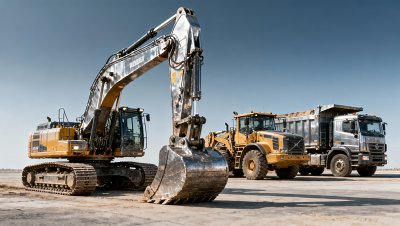
Choosing between a new and used excavator for sale in 2026 requires balancing budget, uptime, and project needs. Whether you compare an excavator for construction with excavator rental options, review excavator bucket compatibility, or assess long-term excavator parts costs, smart sourcing matters. For buyers also exploring dump truck for sale opportunities, this guide helps procurement teams and distributors evaluate value, risk, and supplier options with confidence.
In the land transportation equipment sector, excavators are often purchased alongside trucks, trailers, and support equipment as part of a broader fleet investment plan. That means the decision is rarely about sticker price alone. Buyers need to compare capital cost, operating hours, attachment compatibility, spare parts access, delivery lead time, resale value, and supplier reliability across multiple markets.
For information researchers, procurement teams, commercial evaluators, and distributors, the most practical question is not simply whether new is better than used. The real question is which option delivers stronger lifecycle value under your project schedule, financing conditions, maintenance capability, and regional service network. In 2026, that decision is even more important as global infrastructure activity, mining demand, and municipal construction continue to affect machine availability and total ownership cost.
How the 2026 Excavator Market Shapes Buying Decisions
The 2026 market for an excavator for sale is expected to remain active across infrastructure construction, quarry work, road development, and utility installation. In many regions, buyers are comparing 20-ton, 30-ton, and 40-ton classes because these sizes cover a wide range of earthmoving and loading tasks while matching common low-bed transport arrangements. As a result, supply tension may continue in popular configurations with standard boom lengths and general-purpose excavator bucket setups.
New machines typically offer predictable delivery from factory schedules, but lead times can still range from 30 to 120 days depending on specification, emission requirement, cab options, and attachment packages. Used excavators, by contrast, can sometimes be sourced within 7 to 21 days if inventory is local or already at a bonded warehouse. For urgent projects, this shorter acquisition cycle can be a deciding factor.
Another 2026 trend is broader cross-category procurement. Contractors and distributors are no longer sourcing excavators in isolation. They may bundle purchases with dump truck for sale listings, spare parts, hydraulic breakers, or transport support equipment. This makes supplier transparency more valuable, because a buyer may want one platform to compare machine condition, logistics options, and after-sales responsiveness in one workflow.
Used inventory is also becoming more segmented. A 3,000-hour used unit with complete service records sits in a very different value bracket than an 8,000-hour machine with unknown maintenance history. Procurement teams should avoid treating all used equipment as one category. In practice, there are at least 3 useful bands: under 4,000 hours, 4,000 to 8,000 hours, and above 8,000 hours, each with different pricing logic and risk exposure.
Key market drivers buyers should track
- Project urgency: machines needed within 2 to 4 weeks often favor available used inventory.
- Capital budget cycle: annual procurement plans may support new equipment with staged payment terms.
- Service reach: regions with weak excavator parts distribution increase the risk of older units.
- Fleet standardization: companies running 5 to 20 similar units usually benefit from common controls and shared parts.
The table below shows how market conditions commonly influence the new-versus-used decision in 2026.
The main takeaway is that 2026 buying conditions reward structured comparison. A buyer who needs consistency, predictable uptime, and long service support often leans toward new equipment. A buyer who needs immediate capacity or lower entry cost may find more value in selected used machines, provided inspection and supplier screening are done carefully.
New vs Used Excavator for Sale: Cost, Uptime, and Lifecycle Value
When evaluating a new or used excavator for sale, purchase price is only the first layer. The more useful comparison is total cost over 24 to 60 months. That includes financing, preventive maintenance, fuel efficiency, undercarriage wear, hydraulic system condition, operator productivity, and downtime exposure. For commercial buyers, a machine that is 18% cheaper upfront can still become more expensive if it causes repeated stoppages or parts delays.
A new excavator usually delivers the strongest uptime predictability in the first 2,000 to 4,000 operating hours. It may also include warranty coverage, cleaner emissions compliance where required, and improved operator comfort features that support longer shifts. These benefits matter on high-utilization projects where the machine runs 150 to 220 hours per month and any idle day directly affects contract performance.
A used excavator can be the smarter commercial choice when utilization is moderate, job duration is limited, or the machine will be deployed in a secondary fleet. If a company expects 60 to 120 operating hours per month, the lower upfront cost may outweigh the shorter remaining life. This is especially true when the machine has documented maintenance history, recent hydraulic pump servicing, and measurable excavator bucket and linkage wear within acceptable limits.
The hidden variable is downtime cost. In roadwork, quarry loading, or municipal trenching, one unexpected stoppage can trigger transport delays, labor inefficiency, and missed project windows. Buyers comparing an excavator for construction with excavator rental alternatives should calculate not only monthly cost but also replacement availability within 24 to 72 hours if the unit fails.
Lifecycle comparison points
A practical way to compare both options is to score them across five dimensions: acquisition cost, expected uptime, parts availability, maintenance intensity, and resale outlook after 3 years. New machines often score higher in uptime and resale consistency. Used machines often score higher in capital efficiency, especially in price-sensitive markets.
The following table summarizes the most relevant commercial differences for procurement teams and distributors.
For many B2B buyers, the best decision is not ideological but situational. New equipment fits long-term, high-hour, brand-sensitive fleet strategies. Used equipment fits budget-controlled expansion, temporary projects, and markets where speed of deployment matters more than full-life ownership.
When new often makes more sense
- Projects run for 24 months or longer with utilization above 150 hours per month.
- The buyer needs standardized operator controls and service intervals across multiple sites.
- Warranty support and predictable parts supply are critical to contract delivery.
When used often creates better value
- The budget cap is fixed and the business needs faster payback within 12 to 18 months.
- The machine will support seasonal, backup, or lower-hour applications.
- The buyer has technical staff capable of evaluating wear, hydraulics, and structural condition before purchase.
Technical Checks That Matter Before You Buy
Whether you source new or used, technical review should go beyond the sales listing. In excavator procurement, poor checking creates avoidable costs in transport, attachment mismatch, and post-delivery repair. Buyers should inspect structural integrity, hydraulic performance, slew bearing condition, undercarriage wear, engine smoke behavior, and control response. For used machines, hour meter reading alone is not enough because meter replacement or inconsistent maintenance can distort the real picture.
Excavator bucket compatibility is one of the most overlooked issues. A machine may be listed at a good price, but if the coupler standard, pin diameter, arm width, and hydraulic line setup do not match your existing attachments, conversion costs rise quickly. In many practical cases, attachment adaptation adds 3% to 8% to the delivered cost, especially when a buyer needs trench buckets, rock buckets, breakers, or quick-coupler modifications.
Undercarriage condition is another major checkpoint because it directly affects repair exposure. Track shoes, rollers, idlers, sprockets, and chain wear can represent a large deferred expense. On medium-size excavators, a heavily worn undercarriage may justify a major negotiation or complete rejection of the unit. Procurement teams should request recent photos, inspection videos, and where possible, pressure or performance test data for the hydraulic system.
For buyers active in cross-border sourcing, document verification matters as much as mechanical condition. Serial numbers, export paperwork, packing details, and loading method should be verified before deposit release. This is particularly important if the excavator is purchased together with a dump truck for sale or other heavy equipment in one shipment, because customs and logistics coordination become more complex.
A practical 6-point inspection checklist
- Check operating hours against service logs, wear condition, and cabin use signs.
- Inspect boom, arm, and frame weld areas for cracks, rework, or reinforcement marks.
- Test hydraulic response during lifting, swing, travel, and combined movement.
- Measure or visually assess undercarriage wear and estimate replacement timing.
- Confirm excavator bucket, coupler, and auxiliary hydraulic compatibility.
- Review spare parts availability in the target market within 48 to 96 hours.
The table below highlights the checkpoints that most directly affect ownership risk.
The strongest buyers are not those who negotiate the lowest number first. They are the ones who identify condition risk before shipment, define attachment needs clearly, and align technical review with project productivity targets.
Procurement Strategy for Buyers, Distributors, and Cross-Border Sourcing Teams
For procurement departments and distributors, the buying process should be treated as a controlled workflow rather than a one-time transaction. This matters even more when sourcing through an international B2B platform that connects manufacturers, suppliers, distributors, and buyers across heavy trucks, construction machinery, trailers, and spare parts. A good platform does not just display listings; it helps reduce decision friction through supplier comparison, category visibility, and market information.
If your company is evaluating both an excavator for sale and a dump truck for sale in the same purchasing cycle, there are clear efficiencies in supplier screening, freight consolidation, and after-sales planning. The same procurement framework can be used across categories: compare delivery terms, inspect documentation standards, confirm parts support, and estimate the first 12 months of operating cost. This is especially useful for distributors managing mixed inventory across construction and transport equipment.
Commercial evaluation should include four layers: supplier reliability, machine condition or specification, logistics execution, and post-sale support. Even when a used excavator price looks attractive, a weak supplier communication process can introduce 2 to 6 weeks of avoidable delay through incomplete documents, poor inspection visibility, or uncertain loading schedules. The same applies to new units with factory lead times that are not clearly confirmed.
For distributors and agents, stock turnover is another deciding factor. A competitively priced used machine may sell faster in cost-sensitive markets, while new machines may support stronger branding and repeat fleet business. The right mix depends on your customer profile, financing environment, and spare parts network. A distributor serving contractors with frequent short-term projects may prefer selected used units, while a dealer focused on government or mining contracts may prioritize new inventory with clearer service commitments.
Suggested B2B procurement workflow
- Define machine class, working condition, attachment need, and monthly utilization target.
- Shortlist 3 to 5 suppliers based on product fit, response quality, and documentation clarity.
- Compare new and used options on landed cost, lead time, and 12-month maintenance outlook.
- Conduct inspection review, verify serial data, and confirm parts support before deposit.
- Finalize shipment, customs documents, spare parts package, and after-sales contact points.
What procurement teams should ask suppliers
- What is the actual delivery window: 7 days, 30 days, or 90 days?
- Can the supplier provide walk-around videos, operating tests, and serial confirmation?
- Which excavator parts are included, recommended, or available as a first-year spare package?
- Are bucket, coupler, and hydraulic lines ready for the target application?
A platform that combines equipment sourcing with industry resources can shorten the evaluation cycle. Buyers can compare suppliers, review product categories, and access practical market insight in one place instead of relying on fragmented communication. That is particularly valuable in global land transportation equipment procurement, where the same buyer may need construction machinery today and commercial vehicle support equipment tomorrow.
Maintenance, Parts Planning, and Common Buyer Questions
Long-term value depends heavily on excavator parts planning. A lower-cost machine can quickly lose its advantage if critical filters, seals, hoses, undercarriage items, or hydraulic components are hard to source locally. For new and used units alike, procurement teams should plan the first 250, 500, and 1,000 operating hours in advance. That means identifying preventive service items, expected wear parts, and supplier response time for urgent replacements.
In many fleets, the most effective practice is to purchase a starter spare package with the machine. This may include service filters, belts, selected seals, track-related wear parts, and common hydraulic hoses. The goal is not to overstock, but to reduce downtime exposure during the first operating cycle. For remote projects, keeping 30 to 60 days of essential service stock can be more economical than waiting for emergency shipment.
Buyers should also compare owning versus renting. Excavator rental may be suitable for a short job lasting 1 to 3 months, especially if utilization is irregular. However, if the machine will operate steadily for more than 9 to 12 months, purchasing often offers better control over availability, operator familiarity, and attachment setup. The right answer depends on transport cost, rental terms, and local replacement support.
Below are common questions that frequently come up in 2026 excavator sourcing discussions.
How many operating hours are acceptable for a used excavator?
There is no single threshold, but many buyers view under 4,000 hours as a stronger premium category, 4,000 to 8,000 hours as a mid-life range that requires careful inspection, and over 8,000 hours as a value-driven purchase that must be priced with repair risk in mind. The key is whether the machine shows maintenance consistency, not just the meter number.
What should be checked for excavator bucket compatibility?
Confirm bucket capacity, pin diameter, center spacing, arm width, coupler type, and whether auxiliary hydraulics are installed for powered attachments. Even a small mismatch can create extra fabrication cost or reduce digging efficiency on site.
How much should buyers budget for first-year maintenance?
For a new unit, budgeting for scheduled service intervals and consumables is usually more predictable. For a used unit, many buyers reserve an additional 5% to 15% of purchase value for initial service, hoses, seals, undercarriage work, or hydraulic adjustments, depending on age and condition.
When is a used excavator better than rental?
Used ownership can make more sense when projects are repeated across 6 to 18 months, when transport routes are known, and when the buyer wants control over machine scheduling. Rental remains attractive for very short jobs, unusual attachment needs, or situations where the local rental provider guarantees rapid replacement service.
In 2026, the best excavator buying decision is rarely the cheapest listing or the newest machine by default. It is the option that matches your workload, project timeline, parts access, and supplier confidence level. For procurement teams, distributors, and commercial evaluators working across land transportation equipment and construction machinery categories, structured comparison is the fastest path to lower risk and better asset performance.
If you are comparing a new or used excavator for sale, evaluating excavator parts support, or sourcing related equipment such as a dump truck for sale, a specialized global B2B platform can help you review suppliers, compare options, and move from research to decision with greater clarity. Contact us to get tailored sourcing support, discuss product details, or explore more equipment solutions for your market.
Trending News
- Are Energy-Saving Excavators Worth It for Long-Term Operations?
- Dump Truck Supplier With Quick Delivery: What to Verify First
- Choosing Commercial Vehicle Parts for Cold Storage Reliability
- How ISO Certification Reduces Supplier Risk in Heavy Truck Chassis
- Cab Chassis Truck for Fire Department: Key Fitment Points
Tag
Recommended News
 Used Truck MarketSemi Trailer Wholesale: Which Specs Matter Most for Resale ValueSemi trailer wholesale buyers: learn which specs most influence resale value, from axle layout to payload, materials, and parts compatibility—make smarter, higher-margin sourcing decisions.
 Used Truck MarketTruck Tipper for Sale: New or Used for Heavy-Duty Work?Truck tipper for sale guide: compare new or used options, dump truck price, heavy-duty specs, and trusted suppliers for construction, mining, and fleet sourcing.
 Used Truck MarketTruck Military Auctions Look Cheaper Until Refit Costs AppearTruck military auction deals can hide high refit costs. Compare hydraulic pump, truck battery, truck trailer, truck tipper, off road truck and truck leasing options before you buy.
 Used Truck MarketUsed Wheel Loader Inspection Points That Matter MostHydraulic pump and wheel loader inspection tips that matter most for used equipment buyers. Compare off road truck, truck trailer, and truck tipper options to reduce risk and source smarter.
 Used Truck MarketUsed Truck Skeleton Trailers: What Usually Wears Out First?Truck skeleton buyers: learn what wears out first on used trailers, from truck steel fatigue and truck air system leaks to truck lighting system faults, and inspect smarter before you buy.
 Used Truck MarketWhat to Check Before Buying a Used Truck VanUsed truck van buying guide: inspect service history, load capacity, body wear, and supplier reliability. Compare truck van, lowbed trailer, refrigerated truck, mixer truck, and construction truck options with confidence.
 Used Truck MarketRebuilt or New Truck Piston? The Cost Difference Is Not the Whole StoryTruck piston buying guide: compare rebuilt vs new on lifecycle cost, downtime risk, and supplier quality. See how truck gasket, truck pump, and truck export decisions affect fleet value.
 Used Truck MarketNew vs Remanufactured Engine Assembly: Which Holds Value Better?Engine assembly value guide: compare new vs reman options for industrial transportation, with insights on truck turbocharger, truck gearbox, and fleet ROI.
 Used Truck MarketUsed Tipper Trailer Checks That Prevent Expensive RepairsTipper trailer buyers: learn used inspection checks that prevent costly repairs. Verify truck lighting, construction truck, mining truck, and off road truck compatibility before you buy.
 Used Truck MarketDump Truck for Sale: New or Used in 2026?Dump truck for sale in 2026: compare new or used options, review dump truck price trends, and source excavator for sale, truck cement mixer, and excavator parts with confidence.
 Used Truck MarketNew vs Used Excavator for Sale in 2026Excavator for sale in 2026: compare new vs used options, excavator rental, excavator parts, and dump truck for sale insights to cut risk, control cost, and buy with confidence.
 Used Truck MarketWhat to Inspect Before Choosing a Used Truck Trailer for SaleTruck trailer for sale guide: inspect frame, axles, brakes, and records before comparing truck trailer price or choosing a semi trailer supplier for safer, smarter sourcing.
 Used Truck MarketWhat ‘truck trailer for sale’ listings won’t tell you about frame fatigue historyDiscover hidden frame fatigue history in 'dump truck for sale', 'truck trailer for sale', and 'semi trailer for sale'—get verified structural data, NDT reports & fatigue risk scores before buying.
 Used Truck MarketDump truck for sale: Red flags in used unit listings you should never ignoreDump truck for sale? Avoid costly mistakes—spot red flags in used listings, compare dump truck price & truck tipper for sale options with expert guidance.
 Used Truck MarketHeavy Duty Trucks for Sale: Which Specs Hold Resale Value?Heavy duty trucks for sale: learn which engine, cab chassis truck and truck brake system specs protect resale value, reduce downtime, and improve fleet ROI with stronger parts support.
 Used Truck MarketLinquan Court Auctions HOWO Tractor + Dump Semi-trailer Combo, Highlighting Potential Supply for Used Trailer ExportsExplore Linquan Court's HOWO tractor & dump semi-trailer auction - a rare opportunity for used commercial vehicle exporters targeting Middle East, Africa & Latin America markets. Starting bid 86,500 RMB with full documentation.
 Used Truck MarketHow bulldozer factory certifications affect resale value in AustraliaBulldozer manufacturer certifications boost resale value in Australia—key for bulldozer supplier, distributor & heavy duty trucks for sale. Learn how ISO, AS/NZS & OEM standards drive premiums.
 Used Truck MarketExcavator for sale online: Why certified pre-owned listings often skip hydraulic flow testing recordsExcavator for sale online? Discover why certified pre-owned units often lack hydraulic flow testing—critical for accurate excavator price, attachment performance & demolition readiness.
 Used Truck MarketTruck mounted crane resale values fell faster than expected after hybrid powertrain adoption — why?Truck mounted crane resale values plummeted—outpacing forecasts. See why garbage truck, water truck, logging truck, low bed trailer & refrigerated truck fleets are rethinking hybrid adoption.
 Used Truck MarketCement tanker residual value drops faster than other heavy trucks—what drives depreciation?Cement tanker depreciation outpaces other heavy trucks—explore truck parts, mixer truck specs & residual value drivers for smarter procurement.
 Used Truck MarketHeavy duty truck resale value drops faster after 3 years—if it’s not Euro VI compliantDump truck, semi trailer, concrete pump truck & more: Euro VI compliance slashes heavy duty truck depreciation—boost resale value, financing approval & LEZ access. Source verified inventory now.
 Used Truck MarketSHACMAN X5000 6×4 Dump truck resale value trends: How axle configuration impacts 3-year depreciation in Southeast AsiaTruck spare parts supplier & dump truck supplier insights: SHACMAN X5000 6×4 Dump truck holds 54.3% 3-year resale value in SEA—key for heavy equipment export & fleet ROI.
") Used Truck MarketSHACMAN L3000 4×2 Dump Truck Resale Value Trends in Southeast Asia (2024–2026)SHACMAN L3000 4×2 Dump Truck resale trends in SEA (2024–2026). Backed by truck spare parts supplier networks, flatbed & low bed trailer export data, and heavy truck parts manufacturer insights.
Used Truck MarketSHACMAN L3000 4×2 Dump Truck Resale Value Trends in Southeast Asia (2024–2026)SHACMAN L3000 4×2 Dump Truck resale trends in SEA (2024–2026). Backed by truck spare parts supplier networks, flatbed & low bed trailer export data, and heavy truck parts manufacturer insights. Used Truck MarketExcavator for sale listings with ‘low hours’ — what that really means when maintenance logs are missingExcavator for sale with 'low hours'? Discover what it really means—no maintenance logs? Avoid hidden risks. Compare excavator rental, price & supplier transparency now.
 Used Truck MarketHeavy duty trucks for sale in Australia: Are ‘ex-demo’ units worth the discount?Heavy duty trucks for sale in Australia: Discover certified ex-demo units with full warranty, GPS-tracked bulldozers, electric models & OEM custom chassis—save up to 22%.