Used Wheel Loader Inspection Points That Matter Most
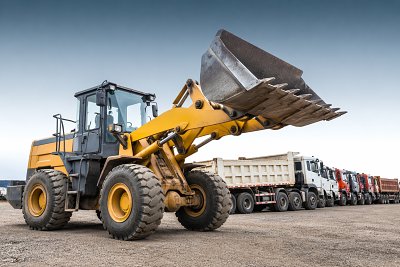
Buying a used wheel loader requires more than a quick visual check. From the hydraulic pump and transmission to tires, frame, and service records, every inspection point affects long-term performance and cost. For buyers comparing construction machinery with options like off road truck, truck trailer, or truck tipper fleets, understanding what matters most helps reduce risk and supports smarter sourcing decisions.
Why used wheel loader inspection matters in B2B sourcing
In the road transport equipment and heavy machinery market, a used wheel loader is often purchased for mixed-duty work: yard handling, aggregate loading, municipal projects, quarry support, and logistics hub operations. For procurement teams, the machine is not just an asset purchase. It is a productivity decision tied to uptime, spare parts access, and total operating cost over the next 12–36 months.
A wheel loader that looks acceptable on the surface may still hide expensive wear in the articulation joint, hydraulic cylinders, torque converter, transmission, or axle assemblies. These faults can turn a lower purchase price into a higher lifecycle cost within the first 3–6 months. That is why a structured used wheel loader inspection is essential for buyers, distributors, and commercial evaluators.
This is especially relevant when buyers are comparing used construction machinery against other fleet investments such as an off road truck, truck trailer, or truck tipper. Unlike standardized transport units, a used wheel loader often shows highly variable wear depending on operator habits, maintenance discipline, and worksite conditions such as dust, shock load, slope work, and idle time.
What buyers usually want to confirm first
- Whether the machine can work reliably for at least one operating season or one project cycle without major overhaul.
- Whether the stated operating hours match visible wear on the cab, pedals, bucket, and linkage pins.
- Whether replacement parts for the engine, hydraulics, tires, and electrical system remain available within 7–15 days.
- Whether the machine suits the intended application, from stockyard loading to roadwork support or quarry transfer.
The Global Heavy Truck Industry Platform helps buyers approach this process more systematically. Instead of relying on isolated listings, users can compare heavy equipment categories, review supplier backgrounds, explore related spare parts sources, and evaluate whether a used wheel loader fits better than another land transport equipment solution for the same budget and job profile.
Which used wheel loader inspection points matter most?
A practical inspection should cover at least 6 core systems: engine, transmission, hydraulics, frame and articulation, tires and brakes, and service history. Skipping any one of these can distort the commercial evaluation. In many transactions, the most costly surprises do not come from cosmetic wear. They come from hidden fatigue, leakage, heat issues, or inconsistent maintenance records.
Before inspection begins, it is useful to separate visible defects from functional defects. Faded paint, minor panel dents, and seat wear may influence resale appeal, but hydraulic weakness, delayed shifting, axle noise, or cracked loader arms affect actual production capability. Buyers should also inspect the machine both cold and warm, because some faults only appear after 20–40 minutes of operation.
The table below summarizes the most important used wheel loader inspection points and why each one matters in procurement decisions.
For procurement teams, this table helps distinguish repairable wear from deal-breaking issues. Surface reconditioning is manageable, but weak hydraulics combined with structural fatigue often signal a machine that will consume both budget and maintenance capacity after purchase.
Engine and cooling system checks
Start with a cold engine whenever possible. A seller who has already warmed the machine before inspection may be masking hard-start issues. Listen for uneven idle, top-end ticking, deep knocking, or excessive vibration. Check for blue, black, or white smoke on startup and under throttle. Brief smoke can be acceptable in older units, but persistent smoke points to fuel, oil, or compression problems.
Inspect the radiator, coolant reservoir, fan area, and hoses. In heavy loading conditions, wheel loaders often operate for long intervals at low speed and high hydraulic demand, so cooling performance matters. Look for signs of overheating, coolant residue, oil in coolant, or bent radiator fins. If possible, run the machine for 30 minutes and monitor whether temperature remains stable.
Also check fluid condition. Engine oil with metallic particles or coolant contamination is a serious warning sign. Maintenance stickers, oil filter dates, and service logs can help confirm whether routine intervals were followed every 250–500 hours, which is a common service reference range for many heavy-duty machines.
Hydraulic performance and work cycle response
The hydraulic system determines whether the used wheel loader can still deliver efficient loading cycles. Raise the boom, curl the bucket, hold under load, and watch for drift. Slow lifting, jerky response, foaming hydraulic oil, or loud pump whine can indicate wear in the pump, valve block, or cylinders. Small leaks around rod seals may be repairable, but widespread seepage often suggests neglected maintenance.
Cycle speed should be evaluated in a realistic pattern rather than by one isolated movement. Test lift, dump, lower, and rollback over several repeated cycles. A useful field approach is to observe 5–10 consecutive cycles after the machine is warm. Inconsistent performance may reveal internal leakage or thermal weakness that is not obvious during a quick inspection.
Hoses, couplings, and fittings deserve close attention. For distributors and agents planning resale, visible hydraulic neglect also affects buyer confidence. A machine that already shows hose cracking, hose rubbing, or improvised fittings may trigger additional due diligence across the entire unit.
Transmission, axles, and articulation frame
Drive the loader forward and reverse at low and moderate speed. Shifts should engage without long delay, harsh impact, or slipping under load. Transmission problems are expensive because they often involve not only internal repair but also downtime, freight for parts, and specialist labor. A machine that hesitates in direction changes may not suit high-cycle loading work.
Inspect the front and rear axles for leakage around hubs and differential areas. During travel, listen for humming, grinding, or clicking sounds. These noises may become more obvious during turning or under bucket load. In rough work environments such as quarry yards or mine support, axle stress is significant, so wear in this area can shorten remaining service life fast.
At the center articulation joint, inspect for excessive side play, poor grease condition, damaged pins, or visible repair welding. This is one of the most critical used wheel loader inspection points because frame fatigue is difficult to correct economically. If cracks appear around the loader arm base, steering cylinder mounts, or articulation area, buyers should escalate technical review before moving forward.
How to evaluate condition against price, application, and alternatives
A good used wheel loader is not simply the cheapest unit with acceptable appearance. It is the machine whose remaining service life, application fit, and spare parts support align with the buyer’s job plan. Procurement teams should compare at least 3 dimensions: purchase price, expected repair input in the first 90 days, and suitability for the intended operating environment.
This matters because some buyers are deciding between a used wheel loader and other equipment investments. In a logistics or construction fleet, budget may also be allocated to an off road truck, truck trailer, truck tipper, or spare parts package. The right decision depends on whether material handling, transport, or earthmoving is the real bottleneck in operations.
The following comparison helps procurement managers frame the decision more commercially.
This comparison is useful because it connects equipment inspection with capital allocation. If loading delay is the biggest site problem, a used wheel loader may create faster payback than another transport unit. If haul capacity is the real issue, the inspection decision should be made in the context of wider fleet productivity rather than machine price alone.
A simple 4-step procurement review
- Confirm application: define bucket work, daily hours, terrain, material density, and required cycle speed.
- Screen technical condition: inspect 6 core systems and request maintenance evidence.
- Estimate near-term cost: include tires, seals, filters, hoses, fluid replacement, and transport.
- Compare alternatives: review whether another machine type or a different supplier offer creates lower operational risk.
For many buyers, the most reliable approach is to treat the first 30–90 days after delivery as a controlled stabilization period. If the machine needs immediate hose replacement, oil service, bushing repair, or tire planning, those costs should be part of the procurement model before purchase approval, not after the unit arrives on site.
What documents, compliance details, and supplier signals should you review?
In used machinery sourcing, physical inspection is only half the process. Documentation quality often determines whether the deal is commercially sound. Buyers should request machine identification details, service records if available, export documentation requirements, and any parts manuals or maintenance references that help future servicing. Missing paperwork does not always mean the machine is poor, but it raises transaction risk.
For cross-border procurement, the practical question is not only whether the machine works today. It is whether the unit can be shipped, received, registered if needed, serviced locally, and supported with spare parts over time. In many markets, import review, inland transport, and pre-delivery preparation can add 2–4 weeks beyond the initial commercial agreement.
Documents and verification points
- Machine serial or identification number that matches the unit and seller documentation.
- Maintenance history, even if partial, including fluid changes, repairs, and major component replacement.
- Photographs or videos showing startup, walking, steering, lifting, dumping, and undercarriage or frame areas.
- Spare parts availability information for filters, seals, hoses, bucket teeth, brake components, and common wear items.
Where a specific certification is required, buyers should verify the exact destination market needs rather than assuming every used wheel loader must meet the same documentation standard as a road-going truck. Requirements can differ by country, usage, and whether the machine is for internal industrial use, infrastructure work, or dealer resale.
How supplier evaluation affects machine risk
A credible supplier should be able to explain the machine’s source, provide consistent visual evidence, respond to technical questions, and discuss wear honestly. For distributors and agents, supplier transparency is often as important as the inspection report itself. A seller who cannot explain repair history, operating hours logic, or current deficiencies increases negotiation friction and post-sale dispute risk.
The Global Heavy Truck Industry Platform supports this stage by connecting buyers with broader supplier information, related product categories, and sourcing resources across commercial vehicles, construction machinery, trailers, and spare parts. That ecosystem is helpful when buyers need not only one used wheel loader, but also replacement components, transport coordination, or comparisons with other heavy equipment solutions.
Common mistakes, buyer questions, and practical answers
Many procurement failures happen because the inspection is too narrow. Buyers may focus on engine startup and bucket appearance while ignoring articulation wear, tire replacement cost, or hydraulic heat performance. Others compare only the purchase price and fail to model the first service cycle. In B2B machinery sourcing, that short-term view often creates avoidable cost exposure.
A stronger approach is to combine machine inspection with usage planning, supplier review, and parts support assessment. This is particularly important for dealers and project buyers who cannot afford long idle periods once the machine reaches site.
How many operating hours are too many for a used wheel loader?
There is no universal hour limit that automatically makes a used wheel loader unsuitable. Operating hours must be read together with maintenance quality, application type, and wear consistency. A well-maintained machine with higher hours can be a better purchase than a lower-hour unit with poor hydraulic condition or structural repairs. Buyers should compare hours with pedal wear, seat wear, linkage slack, tire condition, and service records for consistency.
What are the most expensive hidden issues?
The costliest hidden issues are usually transmission faults, severe hydraulic pump wear, articulation frame cracking, and axle damage. These can trigger not only parts replacement but also extended downtime, labor cost, and delayed project schedules. That is why a 1-hour walkaround is rarely enough. A functional test of 20–40 minutes and a targeted check of key joints and systems are far more informative.
Should buyers prioritize appearance or service history?
Service history is usually more valuable than cosmetic appearance. Repainted panels can improve presentation, but they do not prove reliability. In fact, fresh paint near welded areas should prompt closer examination. For procurement staff and commercial evaluators, a machine with honest wear and clearer maintenance evidence is often a safer decision than one with strong visual appeal but weak documentation.
How long does a used equipment sourcing process usually take?
For cross-border B2B purchases, the practical sourcing cycle often includes 3 stages: supplier screening, technical verification, and shipping preparation. Depending on responsiveness and destination requirements, this can take from 1–2 weeks for straightforward deals to several weeks when documentation, inspection coordination, inland logistics, or parts bundling are involved.
Why choose us for used wheel loader sourcing and fleet comparison
When buyers evaluate a used wheel loader, they rarely do so in isolation. They may also be reviewing off road truck options, truck trailer configurations, truck tipper supply, or spare parts planning for a wider fleet. The Global Heavy Truck Industry Platform is built for that broader decision environment. It connects product discovery, supplier comparison, industry insight, and cross-border trade collaboration across the heavy truck and heavy equipment supply chain.
For information researchers, the platform helps narrow choices faster through category visibility and market-oriented sourcing references. For procurement personnel and business evaluators, it supports more efficient comparison between machinery types, suppliers, and support resources. For distributors and agents, it offers a practical channel to identify products, build supplier relationships, and expand commercial reach in global markets.
What you can contact us about
- Used wheel loader inspection priorities for your target application, operating hours, and budget range.
- Comparison between used construction machinery and alternatives such as off road truck, truck trailer, or truck tipper solutions.
- Supplier matching, product screening, and quote communication for global B2B sourcing.
- Spare parts support, delivery cycle expectations, and coordination for multi-category procurement.
- Guidance on configuration review, documentation confirmation, and practical cross-border buying steps.
If you are comparing used wheel loader options and want a clearer decision path, contact us with your required machine type, expected workload, destination market, and preferred delivery timeline. We can help you evaluate inspection points, shortlist suitable suppliers, discuss replacement parts support, and align the purchase with your wider commercial vehicle or heavy equipment sourcing plan.
Trending News
- Low Bed Trailer Export to Southeast Asia: Specs That Avoid Clearance Delays
- Flatbed Trailer Supplier with Modular Design: Flexibility vs Maintenance Cost
- Construction Machinery Supplier for Municipal Engineering: What to Compare First
- Best Commercial Vehicle Parts for Warehouse Fleets with High Stop-Start Use
- What Fireproof Materials Mean for Semi Trailer Safety and Lifecycle Cost
Tag
Recommended News
 Used Truck MarketVietnam to Enforce Used Truck Import Rules from Q4 2026Used truck import rules in Vietnam: OEM-certified remanufactured trucks required from Q4 2026 — key implications for Chinese exporters & logistics providers.
 Used Truck MarketSemi Trailer Wholesale: Which Specs Matter Most for Resale ValueSemi trailer wholesale buyers: learn which specs most influence resale value, from axle layout to payload, materials, and parts compatibility—make smarter, higher-margin sourcing decisions.
 Used Truck MarketTruck Tipper for Sale: New or Used for Heavy-Duty Work?Truck tipper for sale guide: compare new or used options, dump truck price, heavy-duty specs, and trusted suppliers for construction, mining, and fleet sourcing.
 Used Truck MarketTruck Military Auctions Look Cheaper Until Refit Costs AppearTruck military auction deals can hide high refit costs. Compare hydraulic pump, truck battery, truck trailer, truck tipper, off road truck and truck leasing options before you buy.
 Used Truck MarketUsed Wheel Loader Inspection Points That Matter MostHydraulic pump and wheel loader inspection tips that matter most for used equipment buyers. Compare off road truck, truck trailer, and truck tipper options to reduce risk and source smarter.
 Used Truck MarketUsed Truck Skeleton Trailers: What Usually Wears Out First?Truck skeleton buyers: learn what wears out first on used trailers, from truck steel fatigue and truck air system leaks to truck lighting system faults, and inspect smarter before you buy.
 Used Truck MarketWhat to Check Before Buying a Used Truck VanUsed truck van buying guide: inspect service history, load capacity, body wear, and supplier reliability. Compare truck van, lowbed trailer, refrigerated truck, mixer truck, and construction truck options with confidence.
 Used Truck MarketRebuilt or New Truck Piston? The Cost Difference Is Not the Whole StoryTruck piston buying guide: compare rebuilt vs new on lifecycle cost, downtime risk, and supplier quality. See how truck gasket, truck pump, and truck export decisions affect fleet value.
 Used Truck MarketNew vs Remanufactured Engine Assembly: Which Holds Value Better?Engine assembly value guide: compare new vs reman options for industrial transportation, with insights on truck turbocharger, truck gearbox, and fleet ROI.
 Used Truck MarketUsed Tipper Trailer Checks That Prevent Expensive RepairsTipper trailer buyers: learn used inspection checks that prevent costly repairs. Verify truck lighting, construction truck, mining truck, and off road truck compatibility before you buy.
 Used Truck MarketDump Truck for Sale: New or Used in 2026?Dump truck for sale in 2026: compare new or used options, review dump truck price trends, and source excavator for sale, truck cement mixer, and excavator parts with confidence.
 Used Truck MarketNew vs Used Excavator for Sale in 2026Excavator for sale in 2026: compare new vs used options, excavator rental, excavator parts, and dump truck for sale insights to cut risk, control cost, and buy with confidence.
 Used Truck MarketWhat to Inspect Before Choosing a Used Truck Trailer for SaleTruck trailer for sale guide: inspect frame, axles, brakes, and records before comparing truck trailer price or choosing a semi trailer supplier for safer, smarter sourcing.
 Used Truck MarketWhat ‘truck trailer for sale’ listings won’t tell you about frame fatigue historyDiscover hidden frame fatigue history in 'dump truck for sale', 'truck trailer for sale', and 'semi trailer for sale'—get verified structural data, NDT reports & fatigue risk scores before buying.
 Used Truck MarketDump truck for sale: Red flags in used unit listings you should never ignoreDump truck for sale? Avoid costly mistakes—spot red flags in used listings, compare dump truck price & truck tipper for sale options with expert guidance.
 Used Truck MarketHeavy Duty Trucks for Sale: Which Specs Hold Resale Value?Heavy duty trucks for sale: learn which engine, cab chassis truck and truck brake system specs protect resale value, reduce downtime, and improve fleet ROI with stronger parts support.
 Used Truck MarketLinquan Court Auctions HOWO Tractor + Dump Semi-trailer Combo, Highlighting Potential Supply for Used Trailer ExportsExplore Linquan Court's HOWO tractor & dump semi-trailer auction - a rare opportunity for used commercial vehicle exporters targeting Middle East, Africa & Latin America markets. Starting bid 86,500 RMB with full documentation.
 Used Truck MarketHow bulldozer factory certifications affect resale value in AustraliaBulldozer manufacturer certifications boost resale value in Australia—key for bulldozer supplier, distributor & heavy duty trucks for sale. Learn how ISO, AS/NZS & OEM standards drive premiums.
 Used Truck MarketExcavator for sale online: Why certified pre-owned listings often skip hydraulic flow testing recordsExcavator for sale online? Discover why certified pre-owned units often lack hydraulic flow testing—critical for accurate excavator price, attachment performance & demolition readiness.
 Used Truck MarketTruck mounted crane resale values fell faster than expected after hybrid powertrain adoption — why?Truck mounted crane resale values plummeted—outpacing forecasts. See why garbage truck, water truck, logging truck, low bed trailer & refrigerated truck fleets are rethinking hybrid adoption.
 Used Truck MarketCement tanker residual value drops faster than other heavy trucks—what drives depreciation?Cement tanker depreciation outpaces other heavy trucks—explore truck parts, mixer truck specs & residual value drivers for smarter procurement.
 Used Truck MarketHeavy duty truck resale value drops faster after 3 years—if it’s not Euro VI compliantDump truck, semi trailer, concrete pump truck & more: Euro VI compliance slashes heavy duty truck depreciation—boost resale value, financing approval & LEZ access. Source verified inventory now.
 Used Truck MarketSHACMAN X5000 6×4 Dump truck resale value trends: How axle configuration impacts 3-year depreciation in Southeast AsiaTruck spare parts supplier & dump truck supplier insights: SHACMAN X5000 6×4 Dump truck holds 54.3% 3-year resale value in SEA—key for heavy equipment export & fleet ROI.
") Used Truck MarketSHACMAN L3000 4×2 Dump Truck Resale Value Trends in Southeast Asia (2024–2026)SHACMAN L3000 4×2 Dump Truck resale trends in SEA (2024–2026). Backed by truck spare parts supplier networks, flatbed & low bed trailer export data, and heavy truck parts manufacturer insights.
Used Truck MarketSHACMAN L3000 4×2 Dump Truck Resale Value Trends in Southeast Asia (2024–2026)SHACMAN L3000 4×2 Dump Truck resale trends in SEA (2024–2026). Backed by truck spare parts supplier networks, flatbed & low bed trailer export data, and heavy truck parts manufacturer insights. Used Truck MarketExcavator for sale listings with ‘low hours’ — what that really means when maintenance logs are missingExcavator for sale with 'low hours'? Discover what it really means—no maintenance logs? Avoid hidden risks. Compare excavator rental, price & supplier transparency now.