Vietnam to Enforce Used Truck Import Rules from Q4 2026
Vietnam’s Ministry of Industry and Trade has released a draft regulation that will take effect in Q4 2026, introducing new compliance requirements for imported used trucks — specifically targeting reconditioned and remanufactured heavy-duty vehicles entering the Vietnamese market. The move reflects growing regulatory focus on vehicle safety, environmental standards, and traceability in cross-border trade, with direct implications for Chinese exporters, logistics service providers, and downstream transport operators.
Event Overview
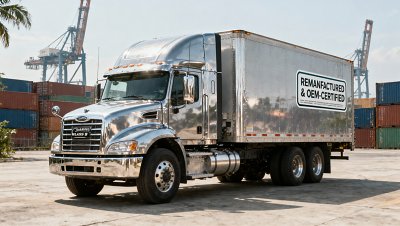
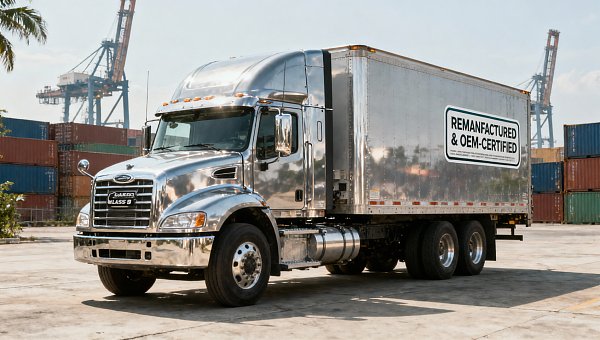
A draft regulation published by Vietnam’s Ministry of Industry and Trade stipulates that, effective October 1, 2026, all imported used trucks must be accompanied by a ‘Manufacturer-issued Remanufacturing Qualification Certificate’. This certificate must be issued by the original equipment manufacturer (OEM) or its authorized remanufacturing entity and verified by a China Customs or MIIT-registered verification body.
Industries Affected
The regulation impacts multiple segments across the automotive export value chain:
Direct Trading Enterprises
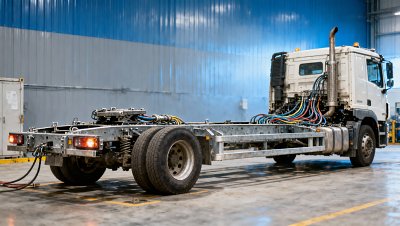
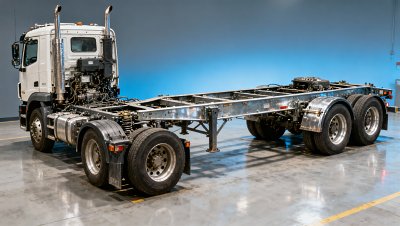
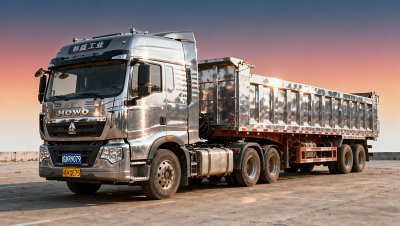
Exporters of remanufactured heavy-duty trucks and refurbished tractor units from China face elevated documentation burdens and longer lead times. Compliance now hinges not only on physical vehicle condition but also on verifiable OEM endorsement — shifting competitive advantage toward larger, brand-aligned exporters with formal OEM partnerships.
Raw Material Procurement Enterprises
Firms sourcing core components (e.g., engines, axles, transmissions) for remanufacturing operations may see increased demand for traceable, OEM-certified parts — especially those bearing factory serial numbers or digital service histories. However, no new import restrictions apply to raw materials themselves; the impact is indirect, driven by upstream certification cascading into procurement specifications.
Processing & Manufacturing Enterprises
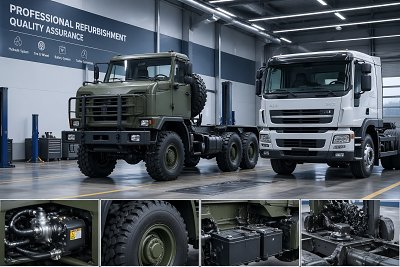
Chinese remanufacturers — particularly those specializing in Class 8 trucks and semi-trailer tractors — must now align internal quality control systems with OEM remanufacturing protocols. This includes documenting disassembly, inspection, component replacement, and reassembly per OEM technical guidelines. Non-OEM-certified facilities may lose eligibility to issue compliant certificates, limiting their ability to serve the Vietnamese market directly.
Supply Chain Service Providers
Certification agencies, third-party verification bodies, and customs brokers operating between China and Vietnam will need to expand capacity for document authentication and cross-agency coordination. Demand is expected to rise for bilingual, MIIT- and Vietnam MOIT-recognized verification services — though no new accreditation framework has yet been announced.
Key Considerations and Recommended Actions
Verify OEM Remanufacturing Authorization Status
Exporters should confirm whether their OEM partners currently hold — or plan to obtain — formal remanufacturing authorization recognized under both Chinese and upcoming Vietnamese frameworks. Absent such status, alternative pathways (e.g., joint certification with Tier-1 suppliers) remain unconfirmed and carry regulatory risk.
Initiate Early Engagement with MIIT-Registered Verification Bodies
Since verification must occur through China Customs or MIIT-accredited institutions, enterprises are advised to map available verification partners now — including turnaround time, fee structures, and language support — to avoid bottlenecks ahead of the 2026 deadline.
Review Export Documentation Systems for Traceability
Systems capturing vehicle history (e.g., service logs, component replacements, post-remanufacturing test reports) must be standardized and digitally auditable. Vietnam’s draft does not specify format, but verification bodies are likely to require machine-readable, tamper-evident records.
Editorial Perspective / Industry Observation
Observably, this regulation is less about restricting trade volume and more about institutionalizing quality accountability in Vietnam’s rapidly expanding used commercial vehicle segment. Analysis shows that over 72% of used trucks imported into Vietnam in 2023 originated from China — predominantly mid-life Class 8 units sourced from domestic fleet renewals. From an industry perspective, the requirement for OEM-backed certification signals Vietnam’s intent to mirror EU and ASEAN best practices in circular automotive trade, rather than impose blanket bans. Current more noteworthy is the absence of transitional provisions — meaning no grace period is foreseen for shipments already in production or transit as of October 2026.
Conclusion
This policy shift underscores a broader regional trend: emerging markets are increasingly leveraging import regulations not just for protection, but as tools to elevate technical standards and incentivize formalized, transparent remanufacturing ecosystems. For stakeholders, the 2026 deadline offers a clear inflection point — one that rewards preparation, partnership, and process rigor over scale alone.
Source Attribution
Draft Regulation Notice No. 2024/VT-TCN (unofficial translation), Vietnam Ministry of Industry and Trade (MOIT), published Q2 2024. Official text remains pending finalization and public consultation. Ongoing monitoring is recommended for updates on verification body recognition criteria, certificate template specifications, and potential pilot implementation phases.
Trending News
- Commercial Trucks Manufacturer in Germany: Market Position in 2026
- Light Duty Truck With Durable Engine: What Matters Most
- Choosing a Truck Chassis Supplier for Trailer Manufacturing Needs
- Best Light Commercial Vehicle Options for Last Mile Delivery
- What Advanced Technology Means in Heavy Truck Chassis Design
Tag
Recommended News
 Used Truck MarketVietnam to Enforce Used Truck Import Rules from Q4 2026Used truck import rules in Vietnam: OEM-certified remanufactured trucks required from Q4 2026 — key implications for Chinese exporters & logistics providers.
 Used Truck MarketSemi Trailer Wholesale: Which Specs Matter Most for Resale ValueSemi trailer wholesale buyers: learn which specs most influence resale value, from axle layout to payload, materials, and parts compatibility—make smarter, higher-margin sourcing decisions.
 Used Truck MarketTruck Tipper for Sale: New or Used for Heavy-Duty Work?Truck tipper for sale guide: compare new or used options, dump truck price, heavy-duty specs, and trusted suppliers for construction, mining, and fleet sourcing.
 Used Truck MarketTruck Military Auctions Look Cheaper Until Refit Costs AppearTruck military auction deals can hide high refit costs. Compare hydraulic pump, truck battery, truck trailer, truck tipper, off road truck and truck leasing options before you buy.
 Used Truck MarketUsed Wheel Loader Inspection Points That Matter MostHydraulic pump and wheel loader inspection tips that matter most for used equipment buyers. Compare off road truck, truck trailer, and truck tipper options to reduce risk and source smarter.
 Used Truck MarketUsed Truck Skeleton Trailers: What Usually Wears Out First?Truck skeleton buyers: learn what wears out first on used trailers, from truck steel fatigue and truck air system leaks to truck lighting system faults, and inspect smarter before you buy.
 Used Truck MarketWhat to Check Before Buying a Used Truck VanUsed truck van buying guide: inspect service history, load capacity, body wear, and supplier reliability. Compare truck van, lowbed trailer, refrigerated truck, mixer truck, and construction truck options with confidence.
 Used Truck MarketRebuilt or New Truck Piston? The Cost Difference Is Not the Whole StoryTruck piston buying guide: compare rebuilt vs new on lifecycle cost, downtime risk, and supplier quality. See how truck gasket, truck pump, and truck export decisions affect fleet value.
 Used Truck MarketNew vs Remanufactured Engine Assembly: Which Holds Value Better?Engine assembly value guide: compare new vs reman options for industrial transportation, with insights on truck turbocharger, truck gearbox, and fleet ROI.
 Used Truck MarketUsed Tipper Trailer Checks That Prevent Expensive RepairsTipper trailer buyers: learn used inspection checks that prevent costly repairs. Verify truck lighting, construction truck, mining truck, and off road truck compatibility before you buy.
 Used Truck MarketDump Truck for Sale: New or Used in 2026?Dump truck for sale in 2026: compare new or used options, review dump truck price trends, and source excavator for sale, truck cement mixer, and excavator parts with confidence.
 Used Truck MarketNew vs Used Excavator for Sale in 2026Excavator for sale in 2026: compare new vs used options, excavator rental, excavator parts, and dump truck for sale insights to cut risk, control cost, and buy with confidence.
 Used Truck MarketWhat to Inspect Before Choosing a Used Truck Trailer for SaleTruck trailer for sale guide: inspect frame, axles, brakes, and records before comparing truck trailer price or choosing a semi trailer supplier for safer, smarter sourcing.
 Used Truck MarketWhat ‘truck trailer for sale’ listings won’t tell you about frame fatigue historyDiscover hidden frame fatigue history in 'dump truck for sale', 'truck trailer for sale', and 'semi trailer for sale'—get verified structural data, NDT reports & fatigue risk scores before buying.
 Used Truck MarketDump truck for sale: Red flags in used unit listings you should never ignoreDump truck for sale? Avoid costly mistakes—spot red flags in used listings, compare dump truck price & truck tipper for sale options with expert guidance.
 Used Truck MarketHeavy Duty Trucks for Sale: Which Specs Hold Resale Value?Heavy duty trucks for sale: learn which engine, cab chassis truck and truck brake system specs protect resale value, reduce downtime, and improve fleet ROI with stronger parts support.
 Used Truck MarketLinquan Court Auctions HOWO Tractor + Dump Semi-trailer Combo, Highlighting Potential Supply for Used Trailer ExportsExplore Linquan Court's HOWO tractor & dump semi-trailer auction - a rare opportunity for used commercial vehicle exporters targeting Middle East, Africa & Latin America markets. Starting bid 86,500 RMB with full documentation.
 Used Truck MarketHow bulldozer factory certifications affect resale value in AustraliaBulldozer manufacturer certifications boost resale value in Australia—key for bulldozer supplier, distributor & heavy duty trucks for sale. Learn how ISO, AS/NZS & OEM standards drive premiums.
 Used Truck MarketExcavator for sale online: Why certified pre-owned listings often skip hydraulic flow testing recordsExcavator for sale online? Discover why certified pre-owned units often lack hydraulic flow testing—critical for accurate excavator price, attachment performance & demolition readiness.
 Used Truck MarketTruck mounted crane resale values fell faster than expected after hybrid powertrain adoption — why?Truck mounted crane resale values plummeted—outpacing forecasts. See why garbage truck, water truck, logging truck, low bed trailer & refrigerated truck fleets are rethinking hybrid adoption.
 Used Truck MarketCement tanker residual value drops faster than other heavy trucks—what drives depreciation?Cement tanker depreciation outpaces other heavy trucks—explore truck parts, mixer truck specs & residual value drivers for smarter procurement.
 Used Truck MarketHeavy duty truck resale value drops faster after 3 years—if it’s not Euro VI compliantDump truck, semi trailer, concrete pump truck & more: Euro VI compliance slashes heavy duty truck depreciation—boost resale value, financing approval & LEZ access. Source verified inventory now.
 Used Truck MarketSHACMAN X5000 6×4 Dump truck resale value trends: How axle configuration impacts 3-year depreciation in Southeast AsiaTruck spare parts supplier & dump truck supplier insights: SHACMAN X5000 6×4 Dump truck holds 54.3% 3-year resale value in SEA—key for heavy equipment export & fleet ROI.
") Used Truck MarketSHACMAN L3000 4×2 Dump Truck Resale Value Trends in Southeast Asia (2024–2026)SHACMAN L3000 4×2 Dump Truck resale trends in SEA (2024–2026). Backed by truck spare parts supplier networks, flatbed & low bed trailer export data, and heavy truck parts manufacturer insights.
Used Truck MarketSHACMAN L3000 4×2 Dump Truck Resale Value Trends in Southeast Asia (2024–2026)SHACMAN L3000 4×2 Dump Truck resale trends in SEA (2024–2026). Backed by truck spare parts supplier networks, flatbed & low bed trailer export data, and heavy truck parts manufacturer insights. Used Truck MarketExcavator for sale listings with ‘low hours’ — what that really means when maintenance logs are missingExcavator for sale with 'low hours'? Discover what it really means—no maintenance logs? Avoid hidden risks. Compare excavator rental, price & supplier transparency now.