China-Mongolia-Russia E-Waybill Mutual Recognition Upgraded
On May 11, 2026, the China–Mongolia–Russia Economic Corridor advanced a critical regulatory milestone with the signing of the Supplementary Agreement on Cross-Border Electronic Waybill Mutual Recognition. This development directly impacts cold-chain logistics operators, vehicle manufacturers, and cross-border trade enterprises across all three countries—driven by newly mandated real-time temperature data interoperability and standardized onboard monitoring requirements.
Event Overview
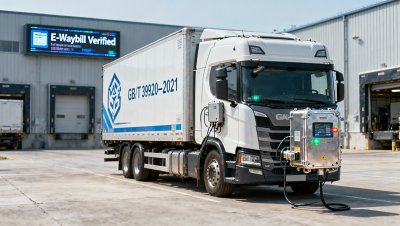
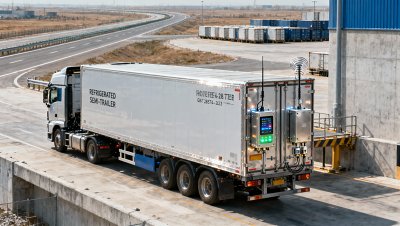
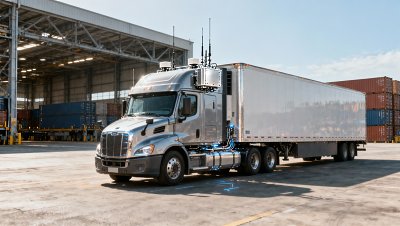
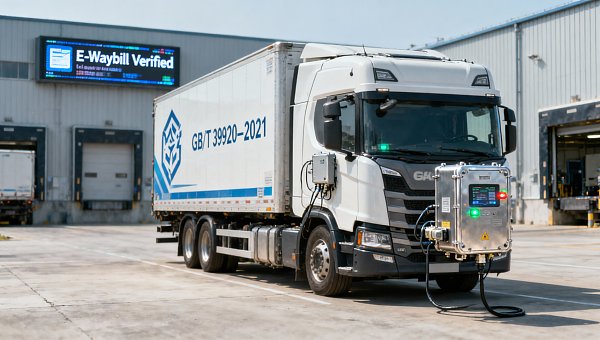
On May 11, 2026, China, Mongolia, and Russia signed the Supplementary Agreement on Cross-Border Electronic Waybill Mutual Recognition, stipulating that all tractors engaged in cross-border cold-chain transport must be equipped with an onboard temperature control data acquisition and upload module compliant with GB/T 39920–2021. This standard has been formally adopted by the Mongolian Technical Supervision Agency (MTS) and Russia’s GOST-R system, making it a mandatory vehicle准入 condition for cold-chain operations across the corridor.
Industries Affected
Direct Trading Enterprises
Exporters and importers handling perishable goods—including dairy, meat, pharmaceuticals, and horticultural products—now face stricter pre-departure compliance checks. Non-compliant vehicles risk cargo rejection at border checkpoints or delayed customs clearance. The requirement effectively shifts part of traceability accountability from shippers to transport providers, altering contractual risk allocation in cold-chain service agreements.
Raw Material Procurement Enterprises
Firms sourcing raw agricultural or marine inputs from one corridor country for processing in another must now verify carrier certification status prior to booking. Delays in verifying onboard module functionality—or retrofitting older fleets—may constrain procurement lead times, especially during peak harvest or seasonal demand windows. Procurement teams are advised to update supplier qualification checklists to include hardware certification under GB/T 39920–2021.
Processing & Manufacturing Enterprises
Food processors, biopharma producers, and frozen seafood packagers relying on just-in-time inbound logistics may experience increased variability in arrival temperature logs. While real-time data sharing improves visibility, inconsistencies in module calibration or intermittent connectivity could trigger false non-conformance alerts—requiring internal SOP updates to distinguish technical anomalies from actual temperature excursions.
Supply Chain Service Providers
Third-party logistics (3PL) providers, freight forwarders, and fleet management platforms must integrate GB/T 39920–2021 module data feeds into their TMS and cold-chain dashboards. Those lacking API-ready interfaces for real-time temperature telemetry will face operational friction—especially when reconciling electronic waybills with live sensor outputs across jurisdictional systems (e.g., China’s E-Customs platform, Mongolia’s e-Logistics Portal, Russia’s ASU “Mercury”).
Key Focus Areas & Recommended Actions
Verify Vehicle Certification Status Before Booking
Confirm that contracted carriers hold valid GB/T 39920–2021 module certification recognized by MTS and GOST-R—not just domestic Chinese approval. Cross-check certification numbers against national registries where publicly accessible; request attestation letters otherwise.
Update Cold-Chain SLAs to Include Data Integrity Clauses
Revise service-level agreements to specify minimum uptime thresholds for temperature telemetry (e.g., ≥99.5% transmission availability), acceptable latency (<30 seconds), and responsibilities for data gap resolution. Define consequences for repeated failures—such as automatic reassignment or cost-sharing for retesting.
Conduct Interoperability Testing with All Three National Platforms
Before full deployment, test end-to-end data flow: from onboard module → carrier TMS → national e-waybill gateway (China’s “Single Window”, Mongolia’s e-Customs, Russia’s Mercury). Pay particular attention to timestamp synchronization, unit conversion (°C vs. °F), and certificate chain validation across PKI infrastructures.
Editorial Perspective / Industry Observation
Observably, this agreement marks less a technical upgrade than a sovereignty-aligned harmonization effort: rather than adopting ISO or IATA standards, the three nations jointly elevated a Chinese national standard—GB/T 39920–2021—to transnational regulatory force. Analysis shows this reflects growing preference for interoperable but nationally anchored frameworks in Belt and Road infrastructure governance. From an industry perspective, the emphasis on *real-time* data sharing—not just post-hoc reporting—signals a shift toward predictive compliance enforcement, where anomalies trigger automated interventions rather than manual audits.
Conclusion
This mutual recognition framework does not merely digitize paperwork—it redefines accountability boundaries in cross-border cold-chain logistics. The mandatory integration of certified hardware into traction units transforms temperature integrity from a contractual assurance into a measurable, enforceable, and jurisdictionally synchronized performance metric. For stakeholders, adaptation is not optional; it is the new baseline for corridor access.
Source Attribution
Official texts published by: General Administration of Customs of the People’s Republic of China (GACC); Mongolian Technical Supervision Agency (MTS); Federal Agency for Technical Regulation and Metrology of the Russian Federation (Rosstandart). Note: Implementation timelines for legacy fleet grandfathering clauses, module certification renewal procedures, and dispute resolution mechanisms remain pending official guidance—and are subject to ongoing observation.
Trending News
Tag
Recommended News
 Truck TechnologyQuick Installation Excavators: Downtime vs PerformanceExcavator manufacturer with quick installation solutions help cut downtime, speed site startup, and protect performance. Compare smarter options for faster, more reliable project delivery.
 Truck TechnologyChina-Mongolia-Russia E-Waybill Mutual Recognition UpgradedChina-Mongolia-Russia E-Waybill mutual recognition upgraded: Real-time cold-chain temperature compliance now mandatory for all cross-border road transport vehicles under GB/T 39920–2021.
 Truck TechnologyMulti-Dept Initiative Adds V2X & BeiDou Modules to Cross-Border Trucking Subsidy ListV2X & BeiDou modules now subsidy-eligible for cross-border trucks—boosting smart logistics, safety, and BRI corridor compliance. Act now to align.
 Truck TechnologyL4 Autonomous Truck Chassis Emerges as Tech Export VehicleL4 Autonomous Truck Chassis: Now licensable globally for port drayage & mine transport—modular, multi-powertrain, backed by DP World & Chilean ports.
 Truck TechnologyMulti-Dept Action Adds V2X & BeiDou HD Positioning to Cross-Border Freight Subsidy ListV2X & BeiDou HD positioning now subsidized for cross-border freight trucks—key opportunity for intelligent transport equipment suppliers and OEMs.
 Truck TechnologyChina-Mongolia-Russia Corridor Upgrades to E-CMR with Real-Time Cold Chain MonitoringChina-Mongolia-Russia Corridor now mandates e-CMR + real-time cold chain monitoring for all refrigerated trailers — ensure compliance to avoid border delays and win tenders.
 Truck TechnologyBulldozer for Construction: Key Specs That Affect Earthmoving EfficiencyBulldozer for construction buying guide: compare weight, blade capacity, torque, and undercarriage specs to improve earthmoving efficiency and choose the right machine for your jobsite.
 Truck TechnologyL4 Autonomous Container Trucks Enter Trial on Tianjin-Xiongan RouteL4 autonomous container trucks begin trial on Tianjin-Xiongan route—pioneering China’s smart land transport revolution with dual-energy, licensable chassis platform.
 Truck TechnologyMulti-Dept Initiative to Upgrade Freight Hubs with V2X & BeiDouV2X & BeiDou: China’s 7-dept initiative offers up to 30% subsidies for intelligent retrofitting of cross-border road transport equipment—key for freight hubs, smart chassis, and trailer manufacturers.
 Truck TechnologyMulti-Dept Launch Freight Hub Upgrading InitiativeMulti-Dept Launch Freight Hub Upgrading Initiative boosts intelligent land transport equipment—smart loading, battery-swap stations & ETC-V2X modules for seamless, low-carbon cross-border logistics.
 Truck TechnologyWhat Advanced Technology Means in Heavy Truck Chassis PerformanceHeavy truck chassis manufacturer with advanced technology: discover how smarter frame design, suspension tuning, and braking integration improve stability, uptime, and long-term operating value.
 Truck TechnologyHigh-Strength Flatbed Trailers: Where Stronger Steel Pays OffFlatbed trailer supplier with high strength expertise helps fleets cut tare weight, improve durability, and lower lifecycle cost. See what specs matter most before you buy.
 Truck TechnologyBulldozer for Construction: Matching Blade Type to Ground ConditionsBulldozer for construction guide: learn how to match S, U, and SU blades to soil, clay, rock, and mixed ground for better productivity, lower fuel use, and smarter equipment selection.
 Truck TechnologyWhen Fireproof Materials Add Real Value in Semi Trailer ManufacturingSemi trailer manufacturer with fireproof materials: discover how fire-resistant designs improve cargo safety, reduce risk, and support smarter sourcing decisions.
 Truck TechnologyWhat a Durable Engine Really Means in a Light Duty TruckLight duty truck with durable engine: learn how real engine durability improves uptime, fuel savings, and lower maintenance across delivery, construction, rural, and municipal work.
 Truck TechnologySemi Trailer Manufacturer With Lightweight Design: Pros, Trade-Offs, and Use CasesSemi trailer manufacturer with lightweight design: explore key benefits, trade-offs, and best-fit use cases to improve payload efficiency, durability, and lifecycle ROI.
 Truck TechnologyTruck Tipper for Construction: Key Specs That Affect Daily ProductivityTruck tipper for construction buying guide: learn which specs most affect payload, fuel use, unloading speed, and uptime to choose a safer, more productive model.
 Truck TechnologyWhy Logging Truck Manufacturer Design Matters in Tough TerrainLogging truck manufacturer design shapes safety, traction, and uptime in tough terrain. Learn what features matter most for forestry hauling and choose trucks built for real-world performance.
 Truck TechnologyAre Fireproof Materials Worth It in a Semi Trailer ManufacturerSemi trailer manufacturer with fireproof materials: discover if the added cost delivers real safety, lower risk, and better cargo protection with a practical supplier evaluation checklist.
 Truck TechnologyWhy High-Strength Design Matters in a Flatbed Trailer SupplierFlatbed trailer supplier with high strength: learn why structural design, material quality, and fatigue resistance matter for safer transport, longer service life, and lower operating costs.
 Truck TechnologyAdvanced Technology in Heavy Truck Chassis Manufacturing: What to Look ForHeavy truck chassis manufacturer with advanced technology: learn how to assess welding, materials, precision, and validation for long-haul, construction, mining, and special-purpose fleets.
 Truck TechnologyCan Fireproof Materials Improve Semi Trailer Safety in Logisticssemi trailer manufacturer with fireproof materials solutions can reduce cargo loss, improve fleet safety, and support reliable logistics. Discover how to choose the right fire-resistant trailer design.
 Truck TechnologyWhy Advanced Technology Matters in Heavy Truck Chassis ManufacturingHeavy truck chassis manufacturer with advanced technology: learn how digital design, precision welding, and rigorous testing improve durability, safety, and sourcing confidence.
 Truck TechnologyKazakhstan Extends Zero-Tariff List for China-Europe Rail Truck Parts to 2027Kazakhstan extends zero-tariff status for China-Europe rail truck parts to 2027—boosting ADAS, CAN-FD, and EBS component exports. Act now to optimize logistics & compliance.
 Truck TechnologyKazakhstan Extends Zero-Tariff for China’s Truck Parts to 2027Kazakhstan extends zero-tariff for China’s truck parts to 2027—now covering 12 intelligent vehicle control components. Boost exports, cut costs, and accelerate rail freight along the China-Europe corridor.