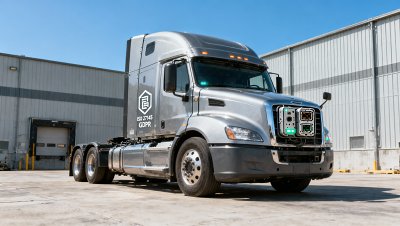
L4 Autonomous Container Trucks Enter Trial on Tianjin-Xiongan Route
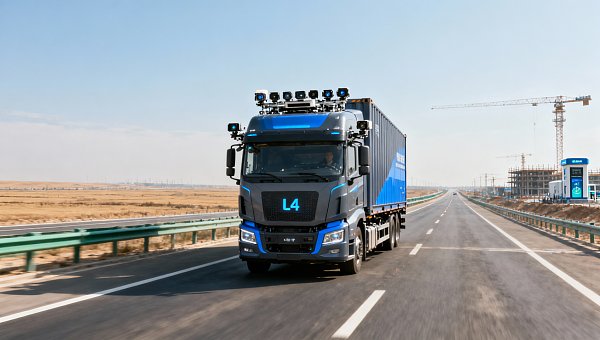
On May 11, 2026, China’s Ministry of Transport disclosed the commencement of常态化 testing of L4-level autonomous container trucks along the Tianjin Port–Xiong’an New Area logistics corridor—a direct operational outcome of the Smart Shipping 2030 Action Plan. This milestone signals accelerating spillover effects from maritime digitalization into overland freight systems, with implications spanning intelligent vehicle manufacturing, cross-border technology licensing, and regional logistics infrastructure modernization.
Event Overview
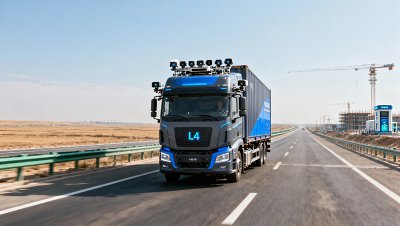
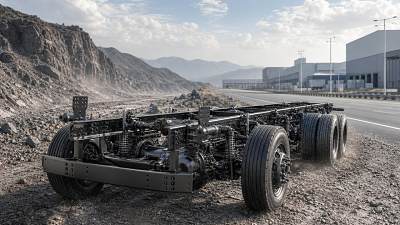
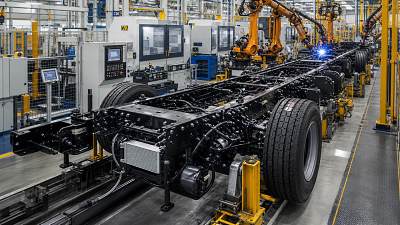
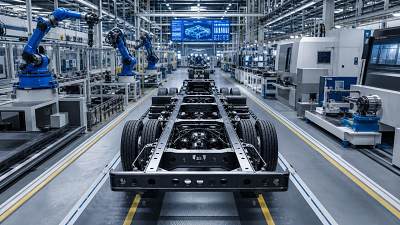
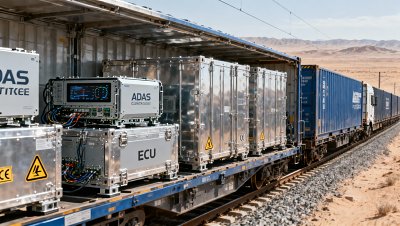
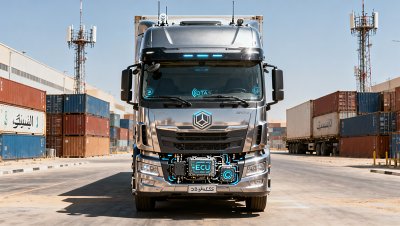
On May 11, 2026, the Ministry of Transport confirmed that L4-level autonomous container trucks are undergoing regular testing on the Tianjin Port–Xiong’an New Area logistics trunk line. The vehicles utilize a domestically developed heavy-duty steer-by-wire chassis platform, compatible with both battery-swap and hydrogen fuel cell power architectures. Technology licensing for this chassis platform is now open to partners in the United Arab Emirates and Saudi Arabia, marking a shift toward integrated hardware-software export models for Chinese land transport equipment.
Impact on Key Industry Segments
Direct Trading Enterprises
Trading firms engaged in bulk commodities or high-value manufactured goods between North China and the Xiong’an New Area face reduced transit time variability and lower labor-dependent handling costs. However, they must now assess compatibility of their existing container tracking, customs declaration, and insurance protocols with fully autonomous fleet operations—especially regarding liability attribution during unattended movement phases.
Raw Material Procurement Enterprises
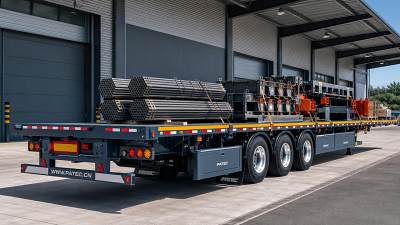
Enterprises sourcing raw materials (e.g., steel, construction aggregates) for Xiong’an’s infrastructure build-out may benefit from improved delivery predictability and lower per-kilometer haulage tariffs. Yet, procurement teams need to monitor whether chassis-level standardization—particularly around energy architecture (swap vs. H₂)—introduces new supply chain dependencies or vendor lock-in risks when selecting logistics service providers.
Manufacturing Enterprises
Automotive OEMs and Tier-1 suppliers involved in commercial vehicle electrification or autonomy stacks may see accelerated validation demand for components certified on this chassis platform. Conversely, manufacturers relying on legacy diesel-powered terminal tractors face compressed upgrade timelines—not due to regulation, but competitive pressure from logistics operators adopting this standardized, licensable platform.
Supply Chain Service Providers
Fleet operators, third-party logistics (3PL) providers, and maintenance-as-a-service vendors must adapt service models to support dual-energy operation (battery swap + hydrogen), remote diagnostics, and over-the-air software updates. Notably, the platform’s openness to international licensing implies emerging opportunities—and complexities—in cross-border technical support certification and spare-parts logistics harmonization.
Key Considerations and Recommended Actions
Evaluate Chassis Platform Interoperability
Companies integrating autonomous trucks should verify compatibility of their telematics, cargo management, and safety monitoring systems with the standardized chassis API framework—not just the vehicle OEM’s proprietary stack.
Assess Energy Infrastructure Alignment
Given the dual-energy design (swap-capable batteries + hydrogen readiness), logistics planners must audit local refueling/recharging node density, especially near Xiong’an’s industrial zones and Tianjin Port terminals, before committing to volume deployment.
Review Export Licensing and IP Exposure
Chinese component suppliers considering joint ventures or tech transfer with Middle Eastern partners should conduct early-stage IP audits—particularly on control algorithms, sensor fusion logic, and functional safety certification documentation—given the platform’s licensing pathway.
Editorial Perspective / Industry Observation
Observably, this trial is less about proving L4 autonomy in isolation and more about validating a modular, licensable mobility platform as a new unit of industrial policy export. Analysis shows that the emphasis on the chassis—not the full vehicle—as the primary technology carrier reflects a strategic pivot: it lowers entry barriers for foreign adopters while retaining Chinese control over core motion control and safety-critical layers. From an industry standpoint, this model better aligns with global port automation trends where infrastructure owners (e.g., port authorities) prefer standardized, interoperable hardware layers over vertically integrated black-box solutions.
Conclusion
This initiative marks a structural inflection point—not merely a technological upgrade. It signifies the formal decoupling of intelligent driving capability from vehicle branding, shifting value capture upstream to platform-level engineering and system integration. A rational interpretation is that regulatory momentum under the Smart Shipping 2030 Action Plan is increasingly catalyzing convergence across maritime, road, and energy infrastructure domains—making cross-sectoral capability mapping essential for long-term competitiveness.
Source Attribution
Official disclosure by the Ministry of Transport of the People’s Republic of China, May 11, 2026. Technical specifications sourced from publicly released white papers on the heavy-duty line-control chassis platform (2026 Q1). Continued observation is warranted on: (1) certification progress for national Type Approval of the chassis platform; (2) first commercial licensing agreements with Gulf Cooperation Council (GCC) entities; (3) evolution of insurance frameworks covering mixed-autonomy freight corridors.
Trending News
- Truck Tipper Exporter Compliance Risks in Cross-Border Deliveries
- Truck Trailer Distributor Trends Shaping Regional Market Growth in 2026
- Crane Truck for Sale: 7 Checks Before You Choose a Model
- How to Compare a Truck Trailer Supplier Beyond Unit Price
- Bulldozer for Construction: Key Specs That Affect Earthmoving Efficiency
Tag
Recommended News
 Truck TechnologyBulldozer for Construction: Key Specs That Affect Earthmoving EfficiencyBulldozer for construction buying guide: compare weight, blade capacity, torque, and undercarriage specs to improve earthmoving efficiency and choose the right machine for your jobsite.
 Truck TechnologyL4 Autonomous Container Trucks Enter Trial on Tianjin-Xiongan RouteL4 autonomous container trucks begin trial on Tianjin-Xiongan route—pioneering China’s smart land transport revolution with dual-energy, licensable chassis platform.
 Truck TechnologyMulti-Dept Initiative to Upgrade Freight Hubs with V2X & BeiDouV2X & BeiDou: China’s 7-dept initiative offers up to 30% subsidies for intelligent retrofitting of cross-border road transport equipment—key for freight hubs, smart chassis, and trailer manufacturers.
 Truck TechnologyMulti-Dept Launch Freight Hub Upgrading InitiativeMulti-Dept Launch Freight Hub Upgrading Initiative boosts intelligent land transport equipment—smart loading, battery-swap stations & ETC-V2X modules for seamless, low-carbon cross-border logistics.
 Truck TechnologyWhat Advanced Technology Means in Heavy Truck Chassis PerformanceHeavy truck chassis manufacturer with advanced technology: discover how smarter frame design, suspension tuning, and braking integration improve stability, uptime, and long-term operating value.
 Truck TechnologyHigh-Strength Flatbed Trailers: Where Stronger Steel Pays OffFlatbed trailer supplier with high strength expertise helps fleets cut tare weight, improve durability, and lower lifecycle cost. See what specs matter most before you buy.
 Truck TechnologyBulldozer for Construction: Matching Blade Type to Ground ConditionsBulldozer for construction guide: learn how to match S, U, and SU blades to soil, clay, rock, and mixed ground for better productivity, lower fuel use, and smarter equipment selection.
 Truck TechnologyWhen Fireproof Materials Add Real Value in Semi Trailer ManufacturingSemi trailer manufacturer with fireproof materials: discover how fire-resistant designs improve cargo safety, reduce risk, and support smarter sourcing decisions.
 Truck TechnologyWhat a Durable Engine Really Means in a Light Duty TruckLight duty truck with durable engine: learn how real engine durability improves uptime, fuel savings, and lower maintenance across delivery, construction, rural, and municipal work.
 Truck TechnologySemi Trailer Manufacturer With Lightweight Design: Pros, Trade-Offs, and Use CasesSemi trailer manufacturer with lightweight design: explore key benefits, trade-offs, and best-fit use cases to improve payload efficiency, durability, and lifecycle ROI.
 Truck TechnologyTruck Tipper for Construction: Key Specs That Affect Daily ProductivityTruck tipper for construction buying guide: learn which specs most affect payload, fuel use, unloading speed, and uptime to choose a safer, more productive model.
 Truck TechnologyWhy Logging Truck Manufacturer Design Matters in Tough TerrainLogging truck manufacturer design shapes safety, traction, and uptime in tough terrain. Learn what features matter most for forestry hauling and choose trucks built for real-world performance.
 Truck TechnologyAre Fireproof Materials Worth It in a Semi Trailer ManufacturerSemi trailer manufacturer with fireproof materials: discover if the added cost delivers real safety, lower risk, and better cargo protection with a practical supplier evaluation checklist.
 Truck TechnologyWhy High-Strength Design Matters in a Flatbed Trailer SupplierFlatbed trailer supplier with high strength: learn why structural design, material quality, and fatigue resistance matter for safer transport, longer service life, and lower operating costs.
 Truck TechnologyAdvanced Technology in Heavy Truck Chassis Manufacturing: What to Look ForHeavy truck chassis manufacturer with advanced technology: learn how to assess welding, materials, precision, and validation for long-haul, construction, mining, and special-purpose fleets.
 Truck TechnologyCan Fireproof Materials Improve Semi Trailer Safety in Logisticssemi trailer manufacturer with fireproof materials solutions can reduce cargo loss, improve fleet safety, and support reliable logistics. Discover how to choose the right fire-resistant trailer design.
 Truck TechnologyWhy Advanced Technology Matters in Heavy Truck Chassis ManufacturingHeavy truck chassis manufacturer with advanced technology: learn how digital design, precision welding, and rigorous testing improve durability, safety, and sourcing confidence.
 Truck TechnologyKazakhstan Extends Zero-Tariff List for China-Europe Rail Truck Parts to 2027Kazakhstan extends zero-tariff status for China-Europe rail truck parts to 2027—boosting ADAS, CAN-FD, and EBS component exports. Act now to optimize logistics & compliance.
 Truck TechnologyKazakhstan Extends Zero-Tariff for China’s Truck Parts to 2027Kazakhstan extends zero-tariff for China’s truck parts to 2027—now covering 12 intelligent vehicle control components. Boost exports, cut costs, and accelerate rail freight along the China-Europe corridor.
 Truck TechnologyWhy Lightweight Semi Trailer Design Matters More in Long-Haul OperationsSemi trailer manufacturer with lightweight design expertise helps long-haul fleets boost payload, cut fuel costs, and improve ROI with durable, compliant trailer solutions.
 Truck TechnologyTruck Trailer OEM Selection: Key Specs That Affect Service LifeTruck trailer OEM selection starts with the specs that define service life. Compare steel, axles, welding, suspension, and corrosion protection to reduce risk and choose smarter.
 Truck TechnologyTruck Tipper OEM Options Compared by Body Design and Payload NeedsTruck tipper OEM options compared by body design and payload needs. Discover the best-fit tipper for construction, mining, and transport with expert selection insights.
 Truck TechnologySASO Releases New Cybersecurity Standard for Commercial Trucks in Saudi ArabiaSASO IEC 62443-3-3:2026 mandates OTA firmware auditing for connected commercial trucks in Saudi Arabia — critical for exporters, cybersecurity providers & telematics integrators. Act now to meet Q3 2026 compliance.
 Truck TechnologyTC521 Advances Smart Heavy-Duty Truck Remote Diagnostics StandardTC521 advances smart heavy-duty truck remote diagnostics standard—aligning with ISO 27145 & EU GDPR. Critical for OEMs, telematics providers, and exporters targeting EU, ME & AU markets.
 Truck TechnologyFireproof Semi Trailers: Where the Materials Matter Most in Daily TransportSemi trailer manufacturer with fireproof materials: discover how safer flooring, wall panels, cable protection, and heat shielding reduce risk, protect cargo, and improve daily transport reliability.