Multi-Dept Initiative to Upgrade Freight Hubs with V2X & BeiDou
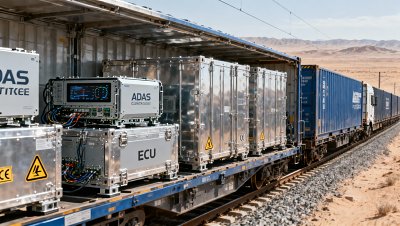
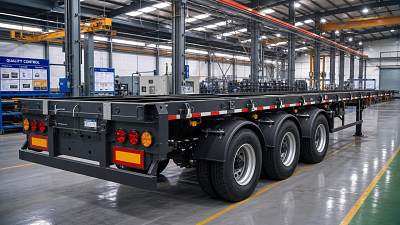
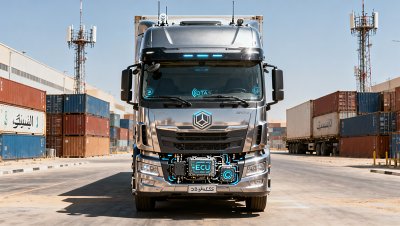
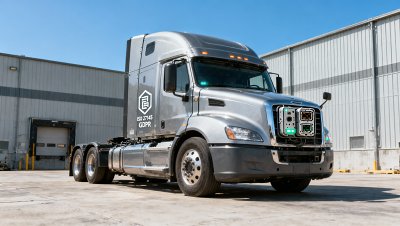
On May 10, 2026, seven Chinese government departments—including the Ministry of Transport and the National Development and Reform Commission—jointly launched a new national comprehensive freight hub “supply chain reinforcement” action. The initiative prioritizes intelligent retrofitting of cross-border road transport equipment featuring V2X vehicle-to-everything communication and BeiDou三代 (third-generation) high-precision positioning modules. This development is particularly relevant for enterprises in intelligent commercial vehicle systems, logistics hardware integration, export-oriented smart chassis and semi-trailer manufacturing, and cross-border land transport service providers—because it signals a formalized, subsidy-backed shift toward standardized, interoperable intelligent infrastructure at key freight nodes.
Event Overview
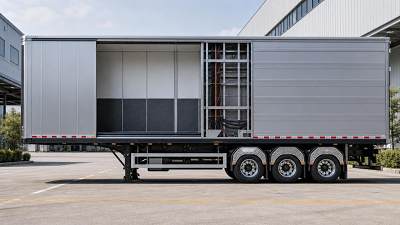
On May 10, 2026, the Ministry of Transport, the National Development and Reform Commission, and five other departments jointly issued an official notice launching the latest round of the National Comprehensive Freight Hub Supply Chain Reinforcement Action. The notice explicitly identifies two technical capabilities as priority support targets for intelligent retrofitting of cross-border road transport equipment: (1) V2X vehicle-to-everything communication capability, and (2) integration of BeiDou third-generation high-precision positioning modules. Subsidies for eligible retrofits may reach up to 30% of project costs. The policy is stated to accelerate standardization of export-ready intelligent chassis and intelligent trailer technologies.
Industries Affected
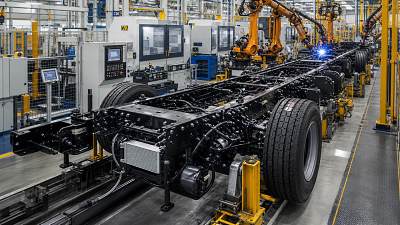
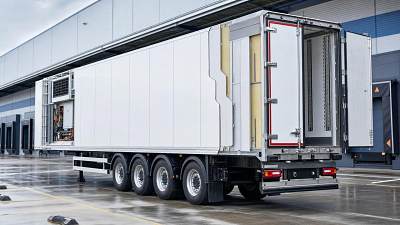
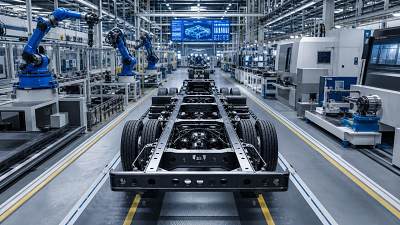
Intelligent Chassis & Trailer Manufacturers
These manufacturers are directly affected because the policy establishes V2X communication and BeiDou三代 high-precision positioning as qualifying criteria for subsidy eligibility. Impact manifests in product design requirements: newly developed or exported units must embed certified V2X onboard units (OBU) and BeiDou三代 positioning modules meeting defined performance thresholds (e.g., horizontal accuracy ≤ 10 cm under open-sky conditions). Certification alignment—not just functional implementation—will become a prerequisite for subsidy access and, by extension, competitive bidding in government-supported freight corridors.
Logistics Hardware Integrators & Tier-2 Suppliers
Suppliers providing V2X communication stacks, GNSS module assemblies, or edge computing gateways for heavy-duty vehicles face increased demand—but only if their solutions comply with the interoperability specifications referenced in the notice (e.g., GB/T 31024 series for V2X message sets, and BD-4/BD-5 signal compatibility per BeiDou Navigation Satellite System Open Service Performance Standards). Non-compliant modules—even if technically functional—may be excluded from subsidized projects, narrowing the viable supplier pool.
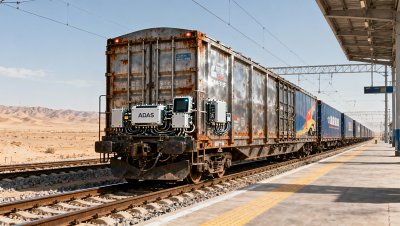
Cross-Border Road Transport Operators (e.g., China–Central Asia, China–ASEAN Corridors)
Operators managing fleets on designated international land routes will experience phased operational impact. While no mandatory retrofit timeline is announced, eligibility for future public co-funding (e.g., for smart corridor pilot zones or green freight incentives) will likely require documented V2X/BeiDou capability. Fleet renewal cycles—especially for trailers operating beyond 2028—must now factor in integrated intelligent hardware as a cost-of-ownership variable, not merely an optional upgrade.
What Enterprises and Practitioners Should Monitor and Do Now
Track official technical implementation guidelines
The notice confirms intent but does not yet publish detailed technical eligibility criteria—for example, minimum V2X message frequency, latency tolerance, or BeiDou positioning integrity monitoring requirements. Stakeholders should monitor announcements from the Ministry of Transport’s Science and Technology Department and the China Academy of Transportation Sciences for forthcoming supporting documents, expected before Q4 2026.
Verify module certification status before procurement
Not all commercially available V2X OBUs or BeiDou三代 modules meet the interoperability and performance benchmarks implied by the policy. Companies planning hardware upgrades should request formal conformity statements referencing GB/T 31024.3–2023 (for V2X) and BDS-SIS-ICD-4.0 (for BeiDou三代 signal interface), rather than relying solely on vendor marketing claims.
Distinguish between policy signal and near-term deployment scope
This action targets “comprehensive freight hubs”—defined in prior guidance as Class I intermodal terminals handling ≥5 million tons/year and serving ≥2 international corridors. It does not apply broadly to domestic-only fleets or small regional terminals. Enterprises outside this scope should treat the policy as a forward-looking benchmark, not an immediate compliance mandate.
Prepare documentation for subsidy application readiness
Eligible entities will need to submit technical verification reports, equipment procurement contracts, and installation records. Early alignment with qualified third-party testing institutions (e.g., those accredited by CNAS for GNSS receiver testing or V2X protocol conformance) can reduce lead time when formal application windows open.
Editorial Perspective / Industry Observation
Observably, this initiative functions primarily as a coordinated demand signal—not an immediate regulatory requirement. Its significance lies in institutionalizing two specific technologies as non-negotiable components of next-generation freight infrastructure investment. Analysis shows the 30% subsidy cap targets capital-intensive retrofits (e.g., trailer-level V2X+BeiDou integration), suggesting the government intends to de-risk early adoption rather than enforce universal compliance. From an industry perspective, the move consolidates technical direction across previously fragmented pilot programs—making it a stronger indicator of long-term export standard alignment than a short-term procurement trigger. Continued attention is warranted because subsequent implementation rules will determine whether this becomes a de facto export gatekeeper for intelligent commercial vehicles entering Belt and Road partner markets.
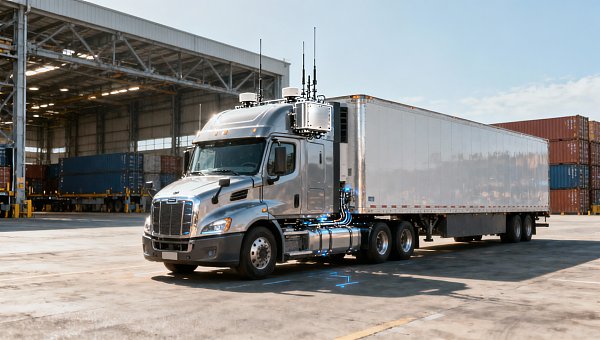
In summary, this policy marks a formal step toward embedding V2X and BeiDou三代 positioning into the physical layer of China’s strategic land freight network. It does not impose new operational mandates today, but it redefines the baseline for publicly supported intelligent transport hardware—particularly for cross-border applications. Currently, it is more accurately understood as a targeted infrastructure modernization signal with cascading implications for product development, supply chain qualification, and export market preparation—not a broad-based regulatory shift.
Source: Joint notice issued by the Ministry of Transport of the People’s Republic of China, the National Development and Reform Commission, and five other departments on May 10, 2026. Technical implementation guidelines and subsidy application procedures remain pending publication and are subject to further official clarification.
Trending News
- Truck Tipper Exporter Compliance Risks in Cross-Border Deliveries
- Truck Trailer Distributor Trends Shaping Regional Market Growth in 2026
- Crane Truck for Sale: 7 Checks Before You Choose a Model
- How to Compare a Truck Trailer Supplier Beyond Unit Price
- Bulldozer for Construction: Key Specs That Affect Earthmoving Efficiency
Tag
Recommended News
 Truck TechnologyBulldozer for Construction: Key Specs That Affect Earthmoving EfficiencyBulldozer for construction buying guide: compare weight, blade capacity, torque, and undercarriage specs to improve earthmoving efficiency and choose the right machine for your jobsite.
 Truck TechnologyL4 Autonomous Container Trucks Enter Trial on Tianjin-Xiongan RouteL4 autonomous container trucks begin trial on Tianjin-Xiongan route—pioneering China’s smart land transport revolution with dual-energy, licensable chassis platform.
 Truck TechnologyMulti-Dept Initiative to Upgrade Freight Hubs with V2X & BeiDouV2X & BeiDou: China’s 7-dept initiative offers up to 30% subsidies for intelligent retrofitting of cross-border road transport equipment—key for freight hubs, smart chassis, and trailer manufacturers.
 Truck TechnologyMulti-Dept Launch Freight Hub Upgrading InitiativeMulti-Dept Launch Freight Hub Upgrading Initiative boosts intelligent land transport equipment—smart loading, battery-swap stations & ETC-V2X modules for seamless, low-carbon cross-border logistics.
 Truck TechnologyWhat Advanced Technology Means in Heavy Truck Chassis PerformanceHeavy truck chassis manufacturer with advanced technology: discover how smarter frame design, suspension tuning, and braking integration improve stability, uptime, and long-term operating value.
 Truck TechnologyHigh-Strength Flatbed Trailers: Where Stronger Steel Pays OffFlatbed trailer supplier with high strength expertise helps fleets cut tare weight, improve durability, and lower lifecycle cost. See what specs matter most before you buy.
 Truck TechnologyBulldozer for Construction: Matching Blade Type to Ground ConditionsBulldozer for construction guide: learn how to match S, U, and SU blades to soil, clay, rock, and mixed ground for better productivity, lower fuel use, and smarter equipment selection.
 Truck TechnologyWhen Fireproof Materials Add Real Value in Semi Trailer ManufacturingSemi trailer manufacturer with fireproof materials: discover how fire-resistant designs improve cargo safety, reduce risk, and support smarter sourcing decisions.
 Truck TechnologyWhat a Durable Engine Really Means in a Light Duty TruckLight duty truck with durable engine: learn how real engine durability improves uptime, fuel savings, and lower maintenance across delivery, construction, rural, and municipal work.
 Truck TechnologySemi Trailer Manufacturer With Lightweight Design: Pros, Trade-Offs, and Use CasesSemi trailer manufacturer with lightweight design: explore key benefits, trade-offs, and best-fit use cases to improve payload efficiency, durability, and lifecycle ROI.
 Truck TechnologyTruck Tipper for Construction: Key Specs That Affect Daily ProductivityTruck tipper for construction buying guide: learn which specs most affect payload, fuel use, unloading speed, and uptime to choose a safer, more productive model.
 Truck TechnologyWhy Logging Truck Manufacturer Design Matters in Tough TerrainLogging truck manufacturer design shapes safety, traction, and uptime in tough terrain. Learn what features matter most for forestry hauling and choose trucks built for real-world performance.
 Truck TechnologyAre Fireproof Materials Worth It in a Semi Trailer ManufacturerSemi trailer manufacturer with fireproof materials: discover if the added cost delivers real safety, lower risk, and better cargo protection with a practical supplier evaluation checklist.
 Truck TechnologyWhy High-Strength Design Matters in a Flatbed Trailer SupplierFlatbed trailer supplier with high strength: learn why structural design, material quality, and fatigue resistance matter for safer transport, longer service life, and lower operating costs.
 Truck TechnologyAdvanced Technology in Heavy Truck Chassis Manufacturing: What to Look ForHeavy truck chassis manufacturer with advanced technology: learn how to assess welding, materials, precision, and validation for long-haul, construction, mining, and special-purpose fleets.
 Truck TechnologyCan Fireproof Materials Improve Semi Trailer Safety in Logisticssemi trailer manufacturer with fireproof materials solutions can reduce cargo loss, improve fleet safety, and support reliable logistics. Discover how to choose the right fire-resistant trailer design.
 Truck TechnologyWhy Advanced Technology Matters in Heavy Truck Chassis ManufacturingHeavy truck chassis manufacturer with advanced technology: learn how digital design, precision welding, and rigorous testing improve durability, safety, and sourcing confidence.
 Truck TechnologyKazakhstan Extends Zero-Tariff List for China-Europe Rail Truck Parts to 2027Kazakhstan extends zero-tariff status for China-Europe rail truck parts to 2027—boosting ADAS, CAN-FD, and EBS component exports. Act now to optimize logistics & compliance.
 Truck TechnologyKazakhstan Extends Zero-Tariff for China’s Truck Parts to 2027Kazakhstan extends zero-tariff for China’s truck parts to 2027—now covering 12 intelligent vehicle control components. Boost exports, cut costs, and accelerate rail freight along the China-Europe corridor.
 Truck TechnologyWhy Lightweight Semi Trailer Design Matters More in Long-Haul OperationsSemi trailer manufacturer with lightweight design expertise helps long-haul fleets boost payload, cut fuel costs, and improve ROI with durable, compliant trailer solutions.
 Truck TechnologyTruck Trailer OEM Selection: Key Specs That Affect Service LifeTruck trailer OEM selection starts with the specs that define service life. Compare steel, axles, welding, suspension, and corrosion protection to reduce risk and choose smarter.
 Truck TechnologyTruck Tipper OEM Options Compared by Body Design and Payload NeedsTruck tipper OEM options compared by body design and payload needs. Discover the best-fit tipper for construction, mining, and transport with expert selection insights.
 Truck TechnologySASO Releases New Cybersecurity Standard for Commercial Trucks in Saudi ArabiaSASO IEC 62443-3-3:2026 mandates OTA firmware auditing for connected commercial trucks in Saudi Arabia — critical for exporters, cybersecurity providers & telematics integrators. Act now to meet Q3 2026 compliance.
 Truck TechnologyTC521 Advances Smart Heavy-Duty Truck Remote Diagnostics StandardTC521 advances smart heavy-duty truck remote diagnostics standard—aligning with ISO 27145 & EU GDPR. Critical for OEMs, telematics providers, and exporters targeting EU, ME & AU markets.
 Truck TechnologyFireproof Semi Trailers: Where the Materials Matter Most in Daily TransportSemi trailer manufacturer with fireproof materials: discover how safer flooring, wall panels, cable protection, and heat shielding reduce risk, protect cargo, and improve daily transport reliability.