Are Fireproof Materials Worth It in a Semi Trailer Manufacturer
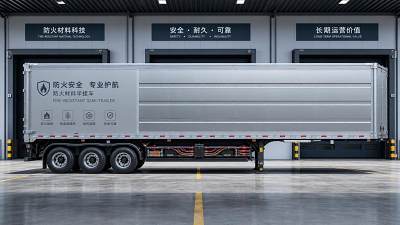
For quality control and safety managers, choosing a semi trailer manufacturer with fireproof materials is more than a compliance decision—it is a long-term investment in cargo protection, operational safety, and brand reliability. But are fireproof materials truly worth the added cost? This article explores their practical value, key performance factors, and how they influence risk control in modern semi-trailer manufacturing.
Why a checklist-based evaluation matters before you compare suppliers
For safety teams and quality control personnel, the real question is not simply whether fireproof materials are “good” or “bad.” The practical question is whether a semi trailer manufacturer with fireproof materials can deliver measurable safety value in your transport scenario, under your regulatory environment, and within your lifecycle cost targets. A checklist approach works better than a broad discussion because fire resistance in trailers is never determined by one material alone. It depends on design integration, testing evidence, cargo type, thermal exposure points, electrical routing, insulation choices, floor systems, and maintenance quality.
In road transport equipment, a small specification difference can create a large safety gap. Fire-retardant wall panels, insulated lining, cable sleeves, floor coatings, sealants, and compartment materials may all contribute to slowing flame spread. However, they do not create equal value in every semi-trailer application. A refrigerated trailer, tanker support trailer, curtain-side trailer, and dry freight semi-trailer all face different ignition sources and operational risks. That is why a structured review helps teams avoid paying extra for features that sound impressive but are not verified in practice.
First decision point: when are fireproof materials actually worth the investment?
The answer is usually yes when the trailer operates in high-risk environments, carries sensitive cargo, or must meet stricter safety expectations from customers, insurers, or regulators. In these cases, selecting a semi trailer manufacturer with fireproof materials can reduce loss severity, improve emergency response time, and strengthen audit confidence. The value becomes especially clear when a fire incident would cause not only equipment damage, but also cargo claims, route disruption, environmental exposure, and reputational harm.
That said, “worth it” should be judged by operational fit. For low-risk cargo on short routes with limited thermal exposure, a full fire-resistant upgrade may not provide the same return as targeted fire-protection improvements in key zones. Safety managers should therefore compare total risk reduction, not just material cost.
Core evaluation checklist for a semi trailer manufacturer with fireproof materials
Before approving a supplier or model, prioritize the following inspection points. These items help separate real fire-performance capability from basic marketing claims.
- Confirm which components use fireproof or fire-retardant materials. Do not accept vague statements. Ask whether the floor, sidewall, front wall, roof, insulation layer, cable conduit, seals, and interior lining are included.
- Request material test reports. A reliable semi trailer manufacturer with fireproof materials should provide recognized test data for flame spread, smoke generation, heat release, and resistance to ignition.
- Check the applicable standards. Verify whether materials or assemblies align with transport equipment, building material, or industrial fire-resistance standards relevant to your market.
- Review assembly design, not just raw material specification. Poor joint sealing, exposed wiring, adhesive failure, and unprotected penetrations can weaken otherwise strong fire-resistant materials.
- Examine electrical system routing. Many trailer fires start from electrical faults, so cable protection, connector quality, harness routing, and overload prevention deserve special attention.
- Assess compatibility with cargo type. Chemical products, batteries, temperature-sensitive goods, packaged consumer products, and combustible bulk cargo all create different hazard profiles.
- Ask about post-fire structural behavior. Some materials resist ignition but lose mechanical strength quickly under heat. A quality review must include structural stability and repairability.
- Evaluate maintenance requirements. Fire-resistant systems that are difficult to inspect, clean, or repair may underperform over time.
- Check traceability and batch consistency. Safety performance depends on stable sourcing and production control, not one successful prototype.
- Review total cost of ownership. Include insurance implications, downtime reduction, replacement intervals, and potential claim avoidance.
Practical judgment standards: what safety managers should verify first
If time is limited, start with the highest-impact verification points. First, identify the likely ignition sources in your operating environment. In semi-trailer applications, common sources include wheel-end overheating, brake system issues, tire blowouts, electrical shorts, reefer unit faults, welding or repair sparks, and improperly handled cargo. Second, identify where fire growth would spread fastest. In many trailers, insulation, interior panel systems, adhesives, and cargo packaging create the most important spread pathways.
Third, compare response time against material performance. Fireproof materials are most valuable when they delay spread long enough for detection, driver action, roadside response, or depot intervention. If a material only adds nominal resistance but does not change the likely loss outcome, the investment may be weaker. A capable semi trailer manufacturer with fireproof materials should therefore explain the real safety objective: delaying ignition, slowing spread, limiting smoke, protecting structure, or preserving evacuation time.
Scenario-based checklist: where fireproof materials create the most value
Refrigerated and insulated semi-trailers
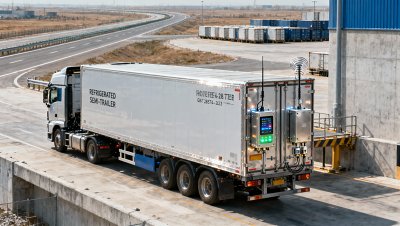
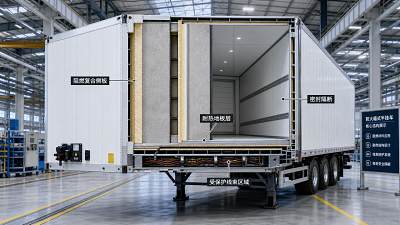
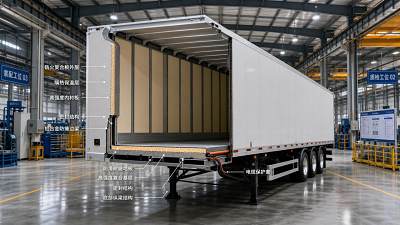
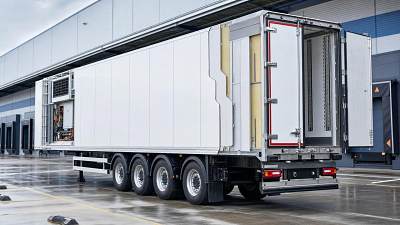
These units often justify stronger fire-resistant material specifications because insulation cores, panel bonding systems, and auxiliary power components can increase fire complexity. In this case, QC teams should review panel core composition, adhesive thermal behavior, insulation smoke characteristics, and reefer electrical integration. For cold-chain operations carrying pharmaceuticals or food products, cargo loss can exceed the trailer replacement cost, making improved fire performance more valuable.
Trailers serving chemical, industrial, or hazardous supply chains
Here, a semi trailer manufacturer with fireproof materials may support broader safety planning even if the trailer itself is not transporting classified dangerous goods at all times. Focus on compartment separation, corrosion-resistant fire barriers, seal compatibility, and resistance to secondary thermal exposure from nearby incidents. Fireproof material use should be integrated with hazard labeling, emergency access design, and operator procedures.
Long-haul general cargo fleets
For dry freight or curtain-side fleets, the value depends more on route risk, cargo variability, and customer requirement. Fleets running long distances through remote corridors may benefit from materials that slow fire spread because emergency response can be delayed. In contrast, urban short-haul fleets may gain more from electrical quality and preventive maintenance than from a full material upgrade.
Commonly overlooked risks that can weaken the benefit
Many buyers focus on panel material labels and forget the surrounding system. This is one of the biggest mistakes in fire-risk evaluation. Even when selecting a semi trailer manufacturer with fireproof materials, the expected protection can be reduced by design and process gaps that are easy to miss during procurement.
- Adhesives and sealants are not verified. These can contribute significantly to flame spread and smoke.
- Cable openings and joints are left unprotected. Fire can move rapidly through gaps and penetrations.
- Repair parts are substituted after delivery. Non-original panels or coatings may not match the original fire rating.
- Wheel-end heat management is ignored. Material upgrades cannot compensate for poor brake or bearing maintenance.
- Cleaning chemicals and cargo residues are overlooked. Residue can increase ignition risk even in a well-designed trailer.
- No distinction is made between fire-resistant, fire-retardant, and non-combustible materials. These terms are related but not interchangeable.
How to compare supplier claims with evidence
A high-quality purchasing review should convert supplier language into verifiable documents and physical checkpoints. Ask each semi trailer manufacturer with fireproof materials to provide a component list, bill of materials, testing references, quality inspection records, and examples of similar delivered units. If possible, request cross-sections or sample pieces of panels and floor systems so that your team can inspect layer composition directly.
It is also useful to ask whether the supplier offers the same fireproof specification across all production batches or only as a project option. Consistency matters. If sourcing changes frequently or alternative materials are introduced without formal revalidation, your safety performance can drift over time. For global buyers using a B2B sourcing platform, this is where digital supplier comparison becomes valuable: it helps teams review multiple manufacturers, compare certifications, and identify who can support transparent documentation and stable export supply.
Execution advice for QC and safety managers before approval
If your company is actively sourcing trailers, use the following action sequence. First, define your fire-risk scenario by cargo, route, climate, and service pattern. Second, identify the trailer zones where fire protection matters most. Third, create a minimum acceptance list covering materials, electrical layout, joints, maintenance access, and test evidence. Fourth, score suppliers on both fire performance and manufacturing control. A semi trailer manufacturer with fireproof materials should not only offer safer components but also demonstrate process discipline, traceability, and export communication capability.
Fifth, involve after-sales and maintenance teams before final purchase. They often know which materials become difficult to repair, which seals fail early, and which floor systems trap hidden damage. Finally, align procurement decisions with insurance, customer audits, and internal incident reporting goals. In many cases, the strongest business case for fireproof materials is not avoiding every fire, but reducing the severity of rare but expensive events.
FAQ for evaluating a semi trailer manufacturer with fireproof materials
Do fireproof materials make a trailer completely fire-safe?
No. They reduce risk, delay ignition, slow spread, or improve containment, but they do not eliminate fire hazards from mechanical failure, electrical faults, cargo behavior, or maintenance errors.
Is the higher initial price usually justified?
It is often justified for high-value cargo, long-haul operations, insulated units, or fleets facing strict customer and insurance requirements. The return is less about material resale value and more about loss prevention and operational resilience.
What documents should buyers request first?
Start with material specifications, fire test reports, assembly drawings for protected zones, electrical layout details, quality inspection records, and evidence of similar export projects.
Final recommendation and next-step questions for supplier discussions
So, are fireproof materials worth it in semi-trailer manufacturing? For many transport operators, the answer is yes—provided the decision is made with a risk-based checklist and not with assumptions. The best results come from choosing a semi trailer manufacturer with fireproof materials that can prove where the materials are used, how they are tested, how they are assembled, and how performance is maintained over the trailer’s service life.
If you are moving forward with supplier selection, prioritize these discussion points: which components are upgraded, what standards apply, what test evidence is available, how the design addresses electrical and thermal hotspots, what maintenance rules are required, how replacement parts are controlled, what lead time and budget impact should be expected, and whether the solution fits your actual cargo and route profile. For quality control and safety managers, these are the questions that turn fireproof materials from a marketing feature into a practical risk-control tool.
Trending News
- Truck Cement Wholesale: What Determines Stable Delivery and Margin?
- Truck Trailer Bulk Order Cost Breakdown for 2026 Budget Planning
- Truck Trailer Sourcing: 7 Checks Before You Compare Suppliers
- Truck Trailer OEM vs ODM: Which Model Lowers Supply Risk?
- How to Evaluate a Heavy Truck Chassis Manufacturer With R&D Capability in 2026
Tag
Recommended News
 Truck TechnologyChinese Manufacturer Tops Global AWP Rankings with $780M RevenueChinese AWP manufacturer tops global rankings with $780M revenue—discover how its heavy-duty chassis innovation is reshaping陆路运输设备 supply chains worldwide.
 Truck TechnologyWhat Fireproof Materials Mean for Semi Trailer Safety and Lifecycle CostSemi trailer manufacturer with fireproof materials solutions help cut downtime, reduce repair risk, and improve resale value. Learn how smarter trailer specs lower total lifecycle cost.
 Truck TechnologyQuick Installation Excavators: Downtime vs PerformanceExcavator manufacturer with quick installation solutions help cut downtime, speed site startup, and protect performance. Compare smarter options for faster, more reliable project delivery.
 Truck TechnologyChina-Mongolia-Russia E-Waybill Mutual Recognition UpgradedChina-Mongolia-Russia E-Waybill mutual recognition upgraded: Real-time cold-chain temperature compliance now mandatory for all cross-border road transport vehicles under GB/T 39920–2021.
 Truck TechnologyMulti-Dept Initiative Adds V2X & BeiDou Modules to Cross-Border Trucking Subsidy ListV2X & BeiDou modules now subsidy-eligible for cross-border trucks—boosting smart logistics, safety, and BRI corridor compliance. Act now to align.
 Truck TechnologyL4 Autonomous Truck Chassis Emerges as Tech Export VehicleL4 Autonomous Truck Chassis: Now licensable globally for port drayage & mine transport—modular, multi-powertrain, backed by DP World & Chilean ports.
 Truck TechnologyMulti-Dept Action Adds V2X & BeiDou HD Positioning to Cross-Border Freight Subsidy ListV2X & BeiDou HD positioning now subsidized for cross-border freight trucks—key opportunity for intelligent transport equipment suppliers and OEMs.
 Truck TechnologyChina-Mongolia-Russia Corridor Upgrades to E-CMR with Real-Time Cold Chain MonitoringChina-Mongolia-Russia Corridor now mandates e-CMR + real-time cold chain monitoring for all refrigerated trailers — ensure compliance to avoid border delays and win tenders.
 Truck TechnologyBulldozer for Construction: Key Specs That Affect Earthmoving EfficiencyBulldozer for construction buying guide: compare weight, blade capacity, torque, and undercarriage specs to improve earthmoving efficiency and choose the right machine for your jobsite.
 Truck TechnologyL4 Autonomous Container Trucks Enter Trial on Tianjin-Xiongan RouteL4 autonomous container trucks begin trial on Tianjin-Xiongan route—pioneering China’s smart land transport revolution with dual-energy, licensable chassis platform.
 Truck TechnologyMulti-Dept Initiative to Upgrade Freight Hubs with V2X & BeiDouV2X & BeiDou: China’s 7-dept initiative offers up to 30% subsidies for intelligent retrofitting of cross-border road transport equipment—key for freight hubs, smart chassis, and trailer manufacturers.
 Truck TechnologyMulti-Dept Launch Freight Hub Upgrading InitiativeMulti-Dept Launch Freight Hub Upgrading Initiative boosts intelligent land transport equipment—smart loading, battery-swap stations & ETC-V2X modules for seamless, low-carbon cross-border logistics.
 Truck TechnologyWhat Advanced Technology Means in Heavy Truck Chassis PerformanceHeavy truck chassis manufacturer with advanced technology: discover how smarter frame design, suspension tuning, and braking integration improve stability, uptime, and long-term operating value.
 Truck TechnologyHigh-Strength Flatbed Trailers: Where Stronger Steel Pays OffFlatbed trailer supplier with high strength expertise helps fleets cut tare weight, improve durability, and lower lifecycle cost. See what specs matter most before you buy.
 Truck TechnologyBulldozer for Construction: Matching Blade Type to Ground ConditionsBulldozer for construction guide: learn how to match S, U, and SU blades to soil, clay, rock, and mixed ground for better productivity, lower fuel use, and smarter equipment selection.
 Truck TechnologyWhen Fireproof Materials Add Real Value in Semi Trailer ManufacturingSemi trailer manufacturer with fireproof materials: discover how fire-resistant designs improve cargo safety, reduce risk, and support smarter sourcing decisions.
 Truck TechnologyWhat a Durable Engine Really Means in a Light Duty TruckLight duty truck with durable engine: learn how real engine durability improves uptime, fuel savings, and lower maintenance across delivery, construction, rural, and municipal work.
 Truck TechnologySemi Trailer Manufacturer With Lightweight Design: Pros, Trade-Offs, and Use CasesSemi trailer manufacturer with lightweight design: explore key benefits, trade-offs, and best-fit use cases to improve payload efficiency, durability, and lifecycle ROI.
 Truck TechnologyTruck Tipper for Construction: Key Specs That Affect Daily ProductivityTruck tipper for construction buying guide: learn which specs most affect payload, fuel use, unloading speed, and uptime to choose a safer, more productive model.
 Truck TechnologyWhy Logging Truck Manufacturer Design Matters in Tough TerrainLogging truck manufacturer design shapes safety, traction, and uptime in tough terrain. Learn what features matter most for forestry hauling and choose trucks built for real-world performance.
 Truck TechnologyAre Fireproof Materials Worth It in a Semi Trailer ManufacturerSemi trailer manufacturer with fireproof materials: discover if the added cost delivers real safety, lower risk, and better cargo protection with a practical supplier evaluation checklist.
 Truck TechnologyWhy High-Strength Design Matters in a Flatbed Trailer SupplierFlatbed trailer supplier with high strength: learn why structural design, material quality, and fatigue resistance matter for safer transport, longer service life, and lower operating costs.
 Truck TechnologyAdvanced Technology in Heavy Truck Chassis Manufacturing: What to Look ForHeavy truck chassis manufacturer with advanced technology: learn how to assess welding, materials, precision, and validation for long-haul, construction, mining, and special-purpose fleets.
 Truck TechnologyCan Fireproof Materials Improve Semi Trailer Safety in Logisticssemi trailer manufacturer with fireproof materials solutions can reduce cargo loss, improve fleet safety, and support reliable logistics. Discover how to choose the right fire-resistant trailer design.
 Truck TechnologyWhy Advanced Technology Matters in Heavy Truck Chassis ManufacturingHeavy truck chassis manufacturer with advanced technology: learn how digital design, precision welding, and rigorous testing improve durability, safety, and sourcing confidence.