What Advanced Technology Means in Heavy Truck Chassis Performance
Advanced technology is reshaping how heavy truck chassis perform in real working conditions, from load stability to fuel efficiency and driver control. For operators who depend on durability and predictable handling, choosing a heavy truck chassis manufacturer with advanced technology can make a measurable difference in safety, uptime, and long-term operating value.
Why does advanced chassis technology matter so much in daily operation?
For operators, chassis performance is not an abstract engineering topic. It affects steering feel on uneven roads, braking confidence under full load, rollover resistance in curves, and fatigue during long shifts.
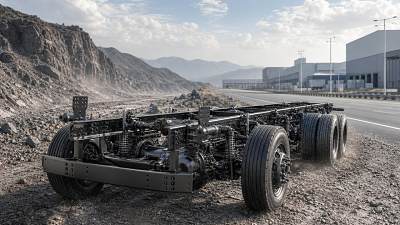
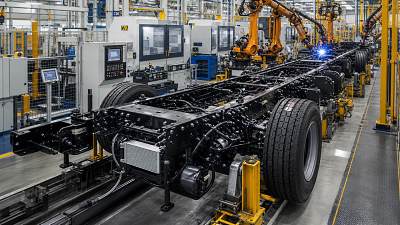
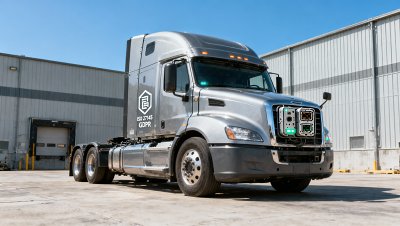
In road transport equipment, the chassis is the structural and dynamic foundation of the truck. It supports the cab, drivetrain, axles, suspension, frame, and load body while also absorbing road shock.
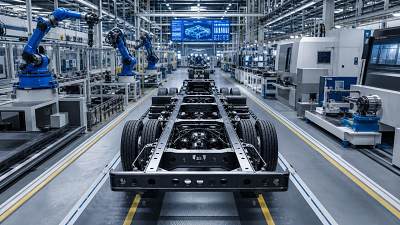
A heavy truck chassis manufacturer with advanced technology usually improves not only material strength, but also frame geometry, suspension matching, crossmember design, axle load distribution, and electronic system integration.
These factors matter in logistics transport, mining haulage, municipal engineering, and infrastructure projects where trucks face overload risk, frequent stops, mixed road quality, and pressure to reduce downtime.
- Better torsional rigidity helps keep the vehicle stable when driving on rough surfaces or entering job sites with uneven ground.
- Optimized suspension and axle coordination reduce body sway, improving steering confidence and load protection.
- Weight reduction through stronger materials can increase payload efficiency without sacrificing durability.
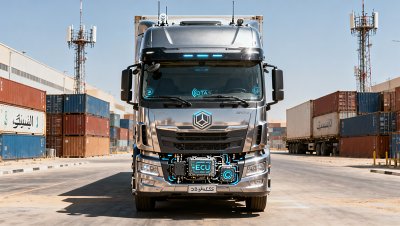
- Integrated electronic control systems support braking balance, traction control, and fault diagnosis, all of which influence uptime.
What operators feel first
Operators usually notice three things first: smoother response, more predictable handling, and reduced vibration. These are practical signs that the chassis is engineered for real load conditions rather than only brochure specifications.
Which advanced technologies improve heavy truck chassis performance?
When evaluating a heavy truck chassis manufacturer with advanced technology, buyers and operators should look beyond marketing terms. The most valuable technologies show up in measurable structural, dynamic, and maintenance-related improvements.
Core technology areas to check
- High-strength frame materials: Advanced steel grades and optimized section design can improve frame strength while controlling overall vehicle weight.
- Finite element structural optimization: Better simulation helps reduce stress concentration near suspension mounts, crossmembers, and load-bearing points.
- Suspension matching: Steel spring, air suspension, and mixed configurations can be tuned to the actual road profile, axle load, and ride requirement.
- Electronic braking and stability support: Systems such as ABS and ESC-related configurations contribute to safer stopping and directional control under load.
- Corrosion protection: Coatings, surface treatment, and sealing design matter for trucks operating in humid ports, mining zones, or winter road environments.
- Modular service design: Easier access to wear parts and standard connection points can shorten maintenance time.
The table below helps operators and procurement teams connect technology features with field-level benefits. This is where a heavy truck chassis manufacturer with advanced technology should prove value in operational terms.
A useful rule is simple: if a technical feature cannot be linked to handling, safety, maintenance, or total operating cost, it should not drive the buying decision on its own.
Which chassis setup fits different work scenarios?
Not every truck works on smooth highways. Operators in different sectors need different chassis priorities. A heavy truck chassis manufacturer with advanced technology should be able to match product architecture to route, payload, and environment.
Scenario-based selection logic
The table below compares common application scenarios and highlights what operators should emphasize before placing an order or requesting a custom configuration.
This comparison shows why one universal specification often fails in practice. The right chassis is the one that matches route complexity, loading pattern, maintenance conditions, and operator skill level.
Common mismatch problems
- Selecting a highway-oriented lightweight chassis for severe off-road hauling can shorten component life.
- Choosing maximum frame strength without considering tare weight may reduce revenue per trip in regulated logistics transport.
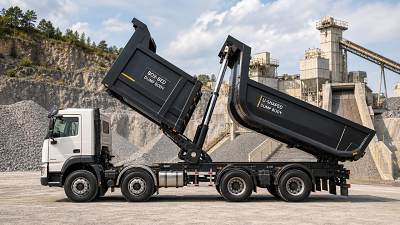
- Ignoring body-builder compatibility can delay deployment when the truck needs tipping, tank, mixer, or municipal equipment integration.
How to compare suppliers without getting lost in specifications?
Operators and fleet buyers often receive many quotations that look similar on paper. The challenge is separating visible specifications from actual operating value. This is where supplier comparison should become structured.
A practical supplier evaluation checklist
- Ask how the frame and suspension were matched for your target application rather than accepting a generic base configuration.
- Request axle load distribution details, wheelbase options, and body-mounting provisions if the truck will support specialized upper structures.
- Confirm service access for routine wear points such as bushings, brake components, and electrical connection areas.
- Check whether the supplier can support documentation, spare parts sourcing, and multilingual communication for export or cross-border projects.
- Compare lead time, customization flexibility, and after-sales coordination, not only unit price.
A heavy truck chassis manufacturer with advanced technology should also explain why a certain design choice fits your route profile. If the answer stays generic, the technical support may not be strong enough for demanding operations.
Why platform-based sourcing helps
The Global Heavy Truck Industry Platform is valuable because it connects buyers with manufacturers, suppliers, and distributors across the heavy truck supply chain in one digital marketplace. That reduces information gaps during early-stage selection.
Instead of relying on a single source, buyers can compare truck chassis and cab solutions, complete trucks, trailers, construction machinery, and spare parts while also reviewing industry insights and buying guides relevant to commercial vehicle sourcing.
For operators and procurement teams, this means faster supplier discovery, clearer product comparison, and better alignment between technical requirements and available global supply options.
What should you check before ordering from a heavy truck chassis manufacturer with advanced technology?
Ordering the right chassis requires more than reviewing a catalog. The most successful purchases happen when operators, maintenance teams, and sourcing staff confirm usage details before final quotation.
Pre-order information to prepare
- Expected payload range, including whether the truck will regularly run near maximum legal load.
- Typical road condition, such as paved highway, broken asphalt, unsealed road, quarry track, or mixed conditions.
- Body type and installation method, including tipper body, tank, cargo box, mixer, or special municipal equipment.
- Climate and corrosion exposure, especially in coastal regions, rainy zones, or high-dust industrial sites.
- Maintenance capability, parts availability, and whether in-house mechanics can support advanced systems.
The more specific the information, the more useful the supplier’s recommendation becomes. This is especially important when working with a heavy truck chassis manufacturer with advanced technology because advanced design benefits depend on correct configuration.
Standards and compliance to discuss
While requirements vary by market, it is reasonable to discuss axle rating, braking system configuration, lighting compliance, emission-related integration at the vehicle level, and any transport regulations that affect chassis dimensions or gross combination weight.
For export projects, buyers should also verify documentation support, serial traceability, and whether the supplier understands destination-country inspection or registration requirements. These issues can affect delivery schedules as much as production capacity.
Cost, uptime, and replacement: what is the smarter long-term decision?
A lower purchase price can become expensive if the chassis causes tire wear, frame cracking, unstable braking, or repeated suspension repairs. Operators should look at lifecycle cost, not just initial cost.
The table below shows a practical cost comparison framework that buyers can use when discussing options with a heavy truck chassis manufacturer with advanced technology.
This does not mean every advanced option is necessary. The smarter choice is to invest in the technologies that solve your real operating constraints, especially route harshness, payload variation, and maintenance downtime.
FAQ: what do operators and buyers ask most often?
How do I know if a chassis is truly suitable for heavy-duty work?
Look for application matching, not only rated load. Check frame construction, suspension type, axle layout, service access, and whether the supplier can explain performance under your specific route and loading cycle.
Is a heavy truck chassis manufacturer with advanced technology always more expensive?
The purchase price may be higher, but the value depends on lower downtime, better durability, safer control, and reduced wear. For trucks running continuously or in difficult conditions, lifecycle savings may justify the difference.
Which operators benefit most from advanced chassis technology?
Long-haul fleets, quarry and mining operators, construction transport companies, and municipal project contractors all benefit when uptime, stability, and body integration matter. The harsher the route, the more visible the benefit usually becomes.
What are the most common purchasing mistakes?
The biggest mistakes are buying only on price, ignoring body compatibility, underestimating service access, and choosing a chassis specification based on one sample route instead of the full duty cycle.
Why choose us for heavy truck chassis sourcing and comparison?
The Global Heavy Truck Industry Platform supports buyers across the commercial vehicle and heavy equipment supply chain with product discovery, supplier comparison, industry insight, and cross-border sourcing efficiency.
If you are looking for a heavy truck chassis manufacturer with advanced technology, we help you compare suitable suppliers across truck chassis and cab systems, complete trucks, trailers, construction machinery, and related spare parts in one place.
You can contact us to discuss specific needs such as parameter confirmation, axle and suspension selection, body adaptation, delivery lead time, export documentation, certification considerations, spare parts coordination, sample support, and quotation comparison.
For operators and sourcing teams facing tight deadlines or complex route demands, this shortens the path from requirement definition to supplier evaluation and practical purchasing decisions.
Trending News
- Are Energy-Saving Excavators Worth It for Long-Term Operations?
- Dump Truck Supplier With Quick Delivery: What to Verify First
- Choosing Commercial Vehicle Parts for Cold Storage Reliability
- How ISO Certification Reduces Supplier Risk in Heavy Truck Chassis
- Cab Chassis Truck for Fire Department: Key Fitment Points
Tag
Recommended News
 Truck TechnologyWhat Advanced Technology Means in Heavy Truck Chassis PerformanceHeavy truck chassis manufacturer with advanced technology: discover how smarter frame design, suspension tuning, and braking integration improve stability, uptime, and long-term operating value.
 Truck TechnologyHigh-Strength Flatbed Trailers: Where Stronger Steel Pays OffFlatbed trailer supplier with high strength expertise helps fleets cut tare weight, improve durability, and lower lifecycle cost. See what specs matter most before you buy.
 Truck TechnologyBulldozer for Construction: Matching Blade Type to Ground ConditionsBulldozer for construction guide: learn how to match S, U, and SU blades to soil, clay, rock, and mixed ground for better productivity, lower fuel use, and smarter equipment selection.
 Truck TechnologyWhen Fireproof Materials Add Real Value in Semi Trailer ManufacturingSemi trailer manufacturer with fireproof materials: discover how fire-resistant designs improve cargo safety, reduce risk, and support smarter sourcing decisions.
 Truck TechnologyWhat a Durable Engine Really Means in a Light Duty TruckLight duty truck with durable engine: learn how real engine durability improves uptime, fuel savings, and lower maintenance across delivery, construction, rural, and municipal work.
 Truck TechnologySemi Trailer Manufacturer With Lightweight Design: Pros, Trade-Offs, and Use CasesSemi trailer manufacturer with lightweight design: explore key benefits, trade-offs, and best-fit use cases to improve payload efficiency, durability, and lifecycle ROI.
 Truck TechnologyTruck Tipper for Construction: Key Specs That Affect Daily ProductivityTruck tipper for construction buying guide: learn which specs most affect payload, fuel use, unloading speed, and uptime to choose a safer, more productive model.
 Truck TechnologyWhy Logging Truck Manufacturer Design Matters in Tough TerrainLogging truck manufacturer design shapes safety, traction, and uptime in tough terrain. Learn what features matter most for forestry hauling and choose trucks built for real-world performance.
 Truck TechnologyAre Fireproof Materials Worth It in a Semi Trailer ManufacturerSemi trailer manufacturer with fireproof materials: discover if the added cost delivers real safety, lower risk, and better cargo protection with a practical supplier evaluation checklist.
 Truck TechnologyWhy High-Strength Design Matters in a Flatbed Trailer SupplierFlatbed trailer supplier with high strength: learn why structural design, material quality, and fatigue resistance matter for safer transport, longer service life, and lower operating costs.
 Truck TechnologyAdvanced Technology in Heavy Truck Chassis Manufacturing: What to Look ForHeavy truck chassis manufacturer with advanced technology: learn how to assess welding, materials, precision, and validation for long-haul, construction, mining, and special-purpose fleets.
 Truck TechnologyCan Fireproof Materials Improve Semi Trailer Safety in Logisticssemi trailer manufacturer with fireproof materials solutions can reduce cargo loss, improve fleet safety, and support reliable logistics. Discover how to choose the right fire-resistant trailer design.
 Truck TechnologyWhy Advanced Technology Matters in Heavy Truck Chassis ManufacturingHeavy truck chassis manufacturer with advanced technology: learn how digital design, precision welding, and rigorous testing improve durability, safety, and sourcing confidence.
 Truck TechnologyKazakhstan Extends Zero-Tariff List for China-Europe Rail Truck Parts to 2027Kazakhstan extends zero-tariff status for China-Europe rail truck parts to 2027—boosting ADAS, CAN-FD, and EBS component exports. Act now to optimize logistics & compliance.
 Truck TechnologyKazakhstan Extends Zero-Tariff for China’s Truck Parts to 2027Kazakhstan extends zero-tariff for China’s truck parts to 2027—now covering 12 intelligent vehicle control components. Boost exports, cut costs, and accelerate rail freight along the China-Europe corridor.
 Truck TechnologyWhy Lightweight Semi Trailer Design Matters More in Long-Haul OperationsSemi trailer manufacturer with lightweight design expertise helps long-haul fleets boost payload, cut fuel costs, and improve ROI with durable, compliant trailer solutions.
 Truck TechnologyTruck Trailer OEM Selection: Key Specs That Affect Service LifeTruck trailer OEM selection starts with the specs that define service life. Compare steel, axles, welding, suspension, and corrosion protection to reduce risk and choose smarter.
 Truck TechnologyTruck Tipper OEM Options Compared by Body Design and Payload NeedsTruck tipper OEM options compared by body design and payload needs. Discover the best-fit tipper for construction, mining, and transport with expert selection insights.
 Truck TechnologySASO Releases New Cybersecurity Standard for Commercial Trucks in Saudi ArabiaSASO IEC 62443-3-3:2026 mandates OTA firmware auditing for connected commercial trucks in Saudi Arabia — critical for exporters, cybersecurity providers & telematics integrators. Act now to meet Q3 2026 compliance.
 Truck TechnologyTC521 Advances Smart Heavy-Duty Truck Remote Diagnostics StandardTC521 advances smart heavy-duty truck remote diagnostics standard—aligning with ISO 27145 & EU GDPR. Critical for OEMs, telematics providers, and exporters targeting EU, ME & AU markets.
 Truck TechnologyFireproof Semi Trailers: Where the Materials Matter Most in Daily TransportSemi trailer manufacturer with fireproof materials: discover how safer flooring, wall panels, cable protection, and heat shielding reduce risk, protect cargo, and improve daily transport reliability.
 Truck TechnologyHow High-Strength Flatbed Trailers Reduce Repair Risk in Heavy Cargo TransportFlatbed trailer supplier with high strength solutions help reduce repair risk in heavy cargo transport through better durability, safer load support, and lower downtime.
 Truck TechnologyKey Build Features to Compare in a Logging Truck ManufacturerLogging truck manufacturer comparison guide: explore chassis strength, payload, drivetrain, hydraulics, durability, and service support to choose a truck built for harsh forestry work.
 Truck TechnologyChina Advances Smart Heavy-Duty Truck Remote Diagnostics Standard for EU ComplianceSmart heavy-duty truck remote diagnostics standard advances for EU compliance—key for exporters, OEMs & Tier 1 suppliers. Act now to align with Uptime Consortium 2.0.
 Truck TechnologyWhy Modular Flatbed Trailer Design Matters for Mixed CargoFlatbed trailer supplier with modular design: learn how modular flatbed architecture improves mixed cargo safety, flexibility, maintenance efficiency, and long-term transport value.