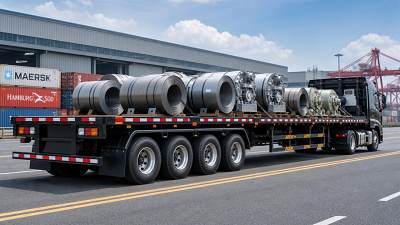
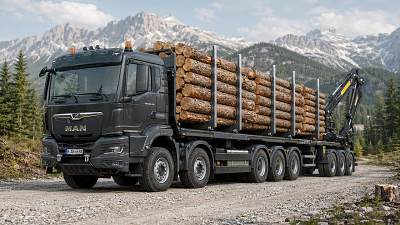
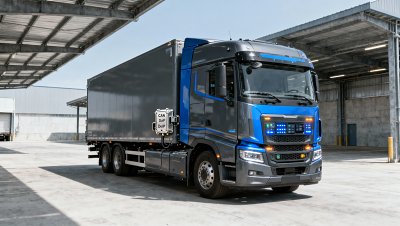
Multi-Dept Launch Freight Hub Upgrading Initiative
On May 8, 2026, China’s Ministry of Transport, Ministry of Industry and Information Technology, and Ministry of Finance jointly launched a new national integrated freight hub resilience-and-linkage enhancement initiative. Focused on intelligent upgrades of cross-border land transport equipment, the policy directly impacts logistics infrastructure operators, vehicle manufacturers, and international trade service providers—driven by growing demand for seamless, low-carbon, and interoperable cross-border freight operations at land border ports.
Event Overview
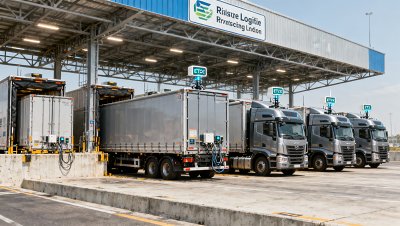
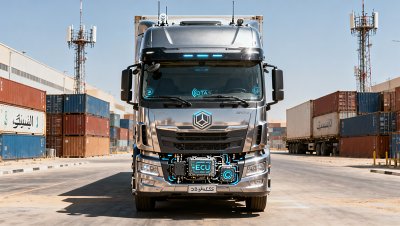
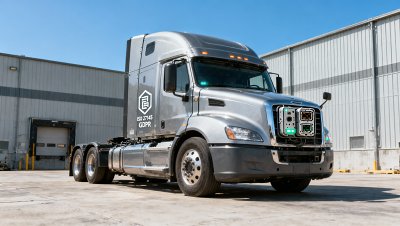
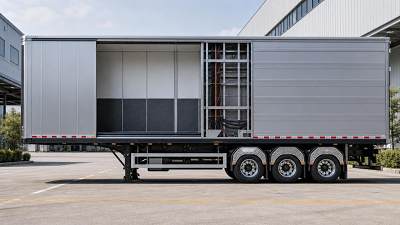
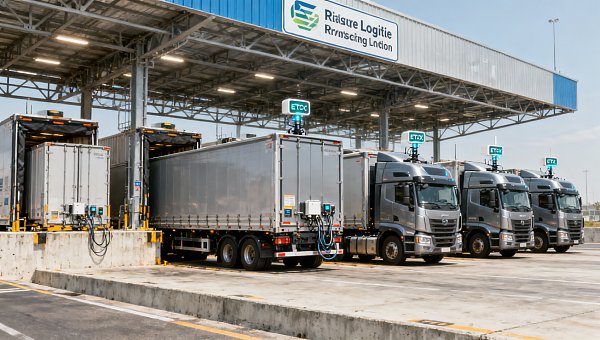
On May 8, 2026, the Ministry of Transport, the Ministry of Industry and Information Technology, and the Ministry of Finance jointly issued a notice establishing a special subsidy program to support intelligent upgrading of freight handling systems at key border口岸 (ports of entry). Eligible equipment includes smart loading/unloading systems, battery-swap stations for new-energy tractor units, and cross-border ETC-V2X communication modules. The initiative covers 12 major land border ports—including Erenhot, Manzhouli, and Khorgos—and aims to enhance plug-and-play compatibility of Chinese-made export tractors and intelligent semi-trailers in transnational operational environments.
Industries Affected
Direct Trade Enterprises
Export-oriented trading firms relying on land-based routes—especially those shipping bulk commodities or time-sensitive goods to Central Asia, Russia, and Mongolia—face both opportunity and pressure. Improved terminal throughput and reduced dwell times at border hubs may lower demurrage costs and improve shipment predictability. However, compliance with newly mandated V2X-enabled identification and real-time data reporting requirements could necessitate fleet-level telematics integration, increasing upfront operational complexity.
Raw Material Procurement Enterprises
Firms sourcing raw materials (e.g., ores, timber, agricultural inputs) from neighboring countries via land corridors will likely benefit from more stable transit windows and tighter customs-clearance synchronization. Yet, procurement planning may need recalibration: enhanced automation at hubs raises the bar for documentation accuracy and digital readiness—errors in cargo manifests or vehicle registration data now risk automated rejection at intelligent checkpoints.
Manufacturing Enterprises
Domestic OEMs producing heavy-duty tractors, modular trailers, and aftermarket telematics hardware are positioned to gain direct order traction—particularly those already certified to GB/T 31024 (V2X message sets) or GB/T 40725 (swap-station interfaces). Still, scale-up depends on timely alignment with port-specific integration protocols; early-mover advantage is real, but fragmentation across 12 pilot ports means no single standard yet dominates.
Supply Chain Service Providers
Third-party logistics (3PL) operators, freight forwarders, and cross-border customs brokers must adapt service architecture to accommodate real-time vehicle status feeds, dynamic slot booking via hub platforms, and interoperable electronic consignment notes. Those lacking API-ready TMS or EDI capabilities may see margin compression as clients shift toward tech-integrated partners offering end-to-end visibility across border transitions.
Key Focus Areas and Response Measures
Verify Equipment Eligibility Against Subsidy Catalog
Enterprises planning capital expenditure on intelligent loading systems or swap stations should cross-check technical specifications against the official subsidy eligibility list—released separately by the Ministry of Transport—before procurement. Not all commercially available V2X modules or battery-swap designs meet the required communication latency (<100ms) or cybersecurity certification (GB/T 39786–2021).
Engage Early with Local Port Management Authorities
Each of the 12 designated ports will issue implementation guidelines reflecting local terrain, traffic volume, and existing IT infrastructure. Proactive dialogue with port authorities—especially on data-sharing scope, identity authentication methods, and fallback procedures during system outages—is critical to avoid operational disruption during rollout phases.
Assess Interoperability Gaps in Existing Fleet Telematics
Carriers operating older-generation telematics units should conduct gap analysis against the mandated ETC-V2X message set (e.g., vehicle ID, cargo type, estimated border arrival time). Retrofitting may be more cost-effective than full replacement—but only if legacy hardware supports firmware-upgradable secure boot and TLS 1.3 encryption.
Editorial Insight / Industry Observation
Observably, this initiative is less about subsidizing hardware and more about accelerating institutional coordination across transport, industry, and fiscal domains—a structural prerequisite for China’s ‘land-based Silk Road’ logistics competitiveness. Analysis shows that the emphasis on *interoperability*—not just automation—signals a pivot from isolated smart-port pilots toward systemic connectivity. Current more noteworthy is the absence of explicit support for software platform development: subsidies target physical equipment, leaving integration middleware and data governance frameworks to market-led solutions. That gap may widen vendor lock-in risks unless open API standards emerge through subsequent guidance.
Conclusion
This action marks a deliberate step toward reducing friction—not just time—in overland trade. Its long-term significance lies not in immediate subsidy disbursement, but in setting technical baselines that shape procurement cycles for the next 5–7 years. A rational assessment suggests the policy’s success hinges less on funding volume and more on harmonizing implementation timelines across jurisdictions and maintaining backward compatibility for non-subsidized legacy assets still active in cross-border lanes.
Source Attribution
Official notice jointly issued by the Ministry of Transport, Ministry of Industry and Information Technology, and Ministry of Finance on May 8, 2026 (Document No.: JYFZ [2026] No. 12). Full text published on www.mot.gov.cn, www.miit.gov.cn, and www.mof.gov.cn. Implementation details—including subsidy rates, application windows, and technical annexes—are pending release by provincial transport bureaus; these remain under observation.
Trending News
- Construction Machinery Cost Control: 7 Hidden Expenses in Project Planning
- Logging Truck Price Guide: Spec Choices That Change Total Ownership Cost
- Crane Truck Cost Breakdown: Chassis, Crane Unit, and Compliance Fees
- How to Vet a Logging Truck Distributor Before Entering a New Market
- Logging Truck Supplier Selection: Load Capacity, Terrain Fit, and Downtime
Tag
Recommended News
 Truck TechnologyMulti-Dept Launch Freight Hub Upgrading InitiativeMulti-Dept Launch Freight Hub Upgrading Initiative boosts intelligent land transport equipment—smart loading, battery-swap stations & ETC-V2X modules for seamless, low-carbon cross-border logistics.
 Truck TechnologyWhat Advanced Technology Means in Heavy Truck Chassis PerformanceHeavy truck chassis manufacturer with advanced technology: discover how smarter frame design, suspension tuning, and braking integration improve stability, uptime, and long-term operating value.
 Truck TechnologyHigh-Strength Flatbed Trailers: Where Stronger Steel Pays OffFlatbed trailer supplier with high strength expertise helps fleets cut tare weight, improve durability, and lower lifecycle cost. See what specs matter most before you buy.
 Truck TechnologyBulldozer for Construction: Matching Blade Type to Ground ConditionsBulldozer for construction guide: learn how to match S, U, and SU blades to soil, clay, rock, and mixed ground for better productivity, lower fuel use, and smarter equipment selection.
 Truck TechnologyWhen Fireproof Materials Add Real Value in Semi Trailer ManufacturingSemi trailer manufacturer with fireproof materials: discover how fire-resistant designs improve cargo safety, reduce risk, and support smarter sourcing decisions.
 Truck TechnologyWhat a Durable Engine Really Means in a Light Duty TruckLight duty truck with durable engine: learn how real engine durability improves uptime, fuel savings, and lower maintenance across delivery, construction, rural, and municipal work.
 Truck TechnologySemi Trailer Manufacturer With Lightweight Design: Pros, Trade-Offs, and Use CasesSemi trailer manufacturer with lightweight design: explore key benefits, trade-offs, and best-fit use cases to improve payload efficiency, durability, and lifecycle ROI.
 Truck TechnologyTruck Tipper for Construction: Key Specs That Affect Daily ProductivityTruck tipper for construction buying guide: learn which specs most affect payload, fuel use, unloading speed, and uptime to choose a safer, more productive model.
 Truck TechnologyWhy Logging Truck Manufacturer Design Matters in Tough TerrainLogging truck manufacturer design shapes safety, traction, and uptime in tough terrain. Learn what features matter most for forestry hauling and choose trucks built for real-world performance.
 Truck TechnologyAre Fireproof Materials Worth It in a Semi Trailer ManufacturerSemi trailer manufacturer with fireproof materials: discover if the added cost delivers real safety, lower risk, and better cargo protection with a practical supplier evaluation checklist.
 Truck TechnologyWhy High-Strength Design Matters in a Flatbed Trailer SupplierFlatbed trailer supplier with high strength: learn why structural design, material quality, and fatigue resistance matter for safer transport, longer service life, and lower operating costs.
 Truck TechnologyAdvanced Technology in Heavy Truck Chassis Manufacturing: What to Look ForHeavy truck chassis manufacturer with advanced technology: learn how to assess welding, materials, precision, and validation for long-haul, construction, mining, and special-purpose fleets.
 Truck TechnologyCan Fireproof Materials Improve Semi Trailer Safety in Logisticssemi trailer manufacturer with fireproof materials solutions can reduce cargo loss, improve fleet safety, and support reliable logistics. Discover how to choose the right fire-resistant trailer design.
 Truck TechnologyWhy Advanced Technology Matters in Heavy Truck Chassis ManufacturingHeavy truck chassis manufacturer with advanced technology: learn how digital design, precision welding, and rigorous testing improve durability, safety, and sourcing confidence.
 Truck TechnologyKazakhstan Extends Zero-Tariff List for China-Europe Rail Truck Parts to 2027Kazakhstan extends zero-tariff status for China-Europe rail truck parts to 2027—boosting ADAS, CAN-FD, and EBS component exports. Act now to optimize logistics & compliance.
 Truck TechnologyKazakhstan Extends Zero-Tariff for China’s Truck Parts to 2027Kazakhstan extends zero-tariff for China’s truck parts to 2027—now covering 12 intelligent vehicle control components. Boost exports, cut costs, and accelerate rail freight along the China-Europe corridor.
 Truck TechnologyWhy Lightweight Semi Trailer Design Matters More in Long-Haul OperationsSemi trailer manufacturer with lightweight design expertise helps long-haul fleets boost payload, cut fuel costs, and improve ROI with durable, compliant trailer solutions.
 Truck TechnologyTruck Trailer OEM Selection: Key Specs That Affect Service LifeTruck trailer OEM selection starts with the specs that define service life. Compare steel, axles, welding, suspension, and corrosion protection to reduce risk and choose smarter.
 Truck TechnologyTruck Tipper OEM Options Compared by Body Design and Payload NeedsTruck tipper OEM options compared by body design and payload needs. Discover the best-fit tipper for construction, mining, and transport with expert selection insights.
 Truck TechnologySASO Releases New Cybersecurity Standard for Commercial Trucks in Saudi ArabiaSASO IEC 62443-3-3:2026 mandates OTA firmware auditing for connected commercial trucks in Saudi Arabia — critical for exporters, cybersecurity providers & telematics integrators. Act now to meet Q3 2026 compliance.
 Truck TechnologyTC521 Advances Smart Heavy-Duty Truck Remote Diagnostics StandardTC521 advances smart heavy-duty truck remote diagnostics standard—aligning with ISO 27145 & EU GDPR. Critical for OEMs, telematics providers, and exporters targeting EU, ME & AU markets.
 Truck TechnologyFireproof Semi Trailers: Where the Materials Matter Most in Daily TransportSemi trailer manufacturer with fireproof materials: discover how safer flooring, wall panels, cable protection, and heat shielding reduce risk, protect cargo, and improve daily transport reliability.
 Truck TechnologyHow High-Strength Flatbed Trailers Reduce Repair Risk in Heavy Cargo TransportFlatbed trailer supplier with high strength solutions help reduce repair risk in heavy cargo transport through better durability, safer load support, and lower downtime.
 Truck TechnologyKey Build Features to Compare in a Logging Truck ManufacturerLogging truck manufacturer comparison guide: explore chassis strength, payload, drivetrain, hydraulics, durability, and service support to choose a truck built for harsh forestry work.
 Truck TechnologyChina Advances Smart Heavy-Duty Truck Remote Diagnostics Standard for EU ComplianceSmart heavy-duty truck remote diagnostics standard advances for EU compliance—key for exporters, OEMs & Tier 1 suppliers. Act now to align with Uptime Consortium 2.0.