Used Truck Skeleton Trailers: What Usually Wears Out First?
When buying used truck skeleton trailers, knowing what usually wears out first can save time, cost, and operational risk. From truck steel fatigue and truck air system leaks to issues affecting truck lighting system performance, early wear often reveals the true condition of transport equipment. This guide helps buyers, dealers, and evaluators identify key inspection points and make smarter sourcing decisions in the commercial trailer market.
What usually wears out first on a used truck skeleton trailer?
In the road transport equipment sector, a used truck skeleton trailer is often judged too quickly by paint condition or visible rust. In practice, the first wear points are usually structural stress areas, running gear components, air lines, electrical circuits, and locking-related parts. These trailers operate under repeated loading, road vibration, port handling, and frequent coupling cycles, so early wear is more about fatigue and operational abuse than age alone.
For procurement teams and commercial evaluators, the most useful approach is to divide inspection into 5 core zones: main frame, twist locks and cross members, axle and suspension system, braking and air system, and lighting and wiring. In many fleets, visible cosmetic defects appear later than mechanical deterioration. A trailer that has worked 3–5 years in port, logistics yard, or rough-road intermodal service may show hidden wear long before its outer panels suggest a problem.
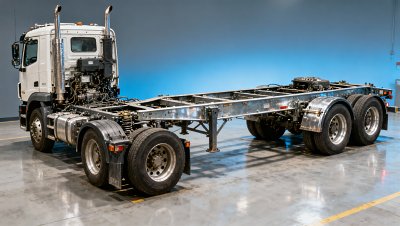
Skeleton trailers carry concentrated container loads, which means steel stress is rarely distributed evenly. Repeated 20ft and 40ft container handling can create fatigue at weld toes, gooseneck transitions, landing gear mounts, and rear bolster areas. If a trailer has been overloaded, poorly repaired, or used on uneven routes for long duty cycles, these locations often deteriorate first.
Buyers searching for used truck skeleton trailers should also understand that “first wear” is not always the highest-cost failure. A low-cost air leak, damaged lamp circuit, or worn bushing can signal weak maintenance culture. For distributors and agents, these signs matter because they affect resale confidence, after-sales cost forecasting, and whether the unit is suitable for local compliance checks before delivery.
Typical first-wear areas buyers should inspect
The list below summarizes the most common early wear points seen in used skeleton trailers across logistics transportation, port transfer, and container haulage operations. It is especially helpful when comparing multiple units in a short evaluation window of 30–60 minutes per trailer.
- Main frame stress zones: inspect weld seams, flange edges, cross-member junctions, and gooseneck transitions for hairline cracks, local distortion, or repair marks.
- Suspension wear parts: check leaf springs, equalizers, torque rods, bushings, U-bolts, and hanger brackets for looseness, corrosion, or uneven geometry.
- Air brake system leakage: review hoses, couplings, valves, and chambers for pressure drop, brittle rubber, and non-original patch repairs.
- Lighting and electrical faults: confirm lamp response, cable routing, connector sealing, and grounding quality, especially on trailers used in rainy or coastal environments.
- Container lock mechanisms and landing gear: examine wear on locking points, crank operation, leg stability, and signs of impact from yard handling equipment.
A buyer who identifies these wear points early can often avoid a chain of hidden expenses. In used road transport equipment, the first failed component is rarely isolated. One damaged area often points to broader maintenance neglect, overload history, or route conditions that reduced service life faster than standard highway use.
How to judge wear by component, not by appearance
For sourcing teams, component-based assessment is more reliable than visual impression. A trailer with faded paint but healthy structural geometry may be a better purchase than a recently repainted unit hiding fatigue damage. In practical procurement, 3 evaluation layers are recommended: structural integrity, functional system condition, and documentation consistency. These layers help separate cosmetic refurbishment from real residual value.
The table below gives a practical inspection framework for used truck skeleton trailers. It is designed for buyers, dealers, and business assessment teams that need to screen units quickly and compare likely repair exposure before price negotiation.
This comparison shows why appearance alone is misleading. Structural defects and suspension issues usually carry heavier commercial consequences than lighting faults, even though electrical problems are easier to notice during a walkaround. In a 2–4 week post-purchase period, hidden alignment or frame damage often costs more than obvious cosmetic repair.
What frame fatigue looks like in real inspections
Steel fatigue in used truck skeleton trailers does not always begin as a dramatic crack. It often starts as a fine line at a weld edge, paint separation around a bracket, or abnormal rust around a previously stressed joint. Buyers should inspect front gooseneck sections, rear extension areas, and support leg mounts because these zones absorb repeated dynamic load transfer during braking, turning, and uneven loading.
A good field method is to compare left-right symmetry and look for non-uniform gaps, fresh weld discoloration, or mismatched plate thickness. If one side shows newer repair steel or additional reinforcement not seen on the other side, ask why. Some repairs are acceptable, but inconsistent workmanship can reduce confidence in the trailer’s long-term road transport reliability.
Another useful check is tire wear pattern. Feathering, shoulder wear, or repeated replacement on one axle line can indicate deeper geometry or suspension issues. These clues are valuable because they connect visible operating history to hidden wear. For procurement staff reviewing multiple suppliers, this kind of indirect evidence helps prioritize which units deserve detailed technical inspection.
Why the air system and lighting system matter early
Truck air system leaks and truck lighting system failures may seem secondary compared with frame damage, but they are critical for operational readiness. A trailer with stable structure but repeated air loss can face downtime, unsafe braking behavior, and failed yard acceptance checks. Likewise, damaged lighting circuits can delay cross-border transport, local registration, or customer delivery schedules by several days.
For used equipment sourcing, these two systems also reveal maintenance discipline. Original routing clips, intact connectors, and dry air line interfaces usually indicate organized servicing. In contrast, tape-wrapped joints, mixed connector types, and loosely hanging hoses often suggest quick fixes rather than preventive maintenance. That difference matters for business evaluators who need to estimate repair frequency over the next 6–12 months.
Which inspection points matter most before pricing and negotiation?
Price negotiation on used truck skeleton trailers should be tied to inspection findings, not broad statements like “good condition” or “normal wear.” A disciplined buyer should score the unit across at least 6 dimensions: frame condition, suspension and axle status, brake and air system condition, locking and support components, lighting and wiring, and document traceability. This creates a clear basis for bid comparison and supplier discussion.
The next table can be used as a practical procurement scorecard. It helps information researchers, purchasing teams, and dealers decide whether a used skeleton trailer is ready for operation, suitable after refurbishment, or only viable as a low-price project unit.
Using a scorecard like this improves procurement discipline. It also reduces conflict between technical inspectors and commercial staff, because both sides can align around measurable findings. In many B2B trailer transactions, a 10% price difference is less important than whether the trailer can enter service within 7–15 days or requires a longer repair cycle before dispatch.
A practical 4-step pre-purchase checklist
- Start with structure: inspect the chassis, neck, cross members, rear end, and landing gear mounts before checking cosmetic details.
- Move to operational systems: test air pressure holding, brake chamber response, lamp function, and connector condition.
- Confirm wear evidence: compare tire condition, axle position clues, twist-lock wear, and signs of repeated overloading or impact handling.
- Review transaction readiness: verify identification details, available maintenance records, loading configuration, and expected refurbishment scope.
This 4-step sequence is effective because it follows commercial risk order. Structural uncertainty should stop a deal early. Functional defects can support negotiation. Documentation gaps should be resolved before payment terms or delivery commitments are finalized. For dealers and agents, this method also helps standardize inbound quality across batches of small, medium, and bulk procurement.
When sourcing through an international B2B platform, this checklist becomes even more important. Cross-border buyers often evaluate units remotely first, then move to inspection or third-party review. Structured comparison reduces ambiguity and helps teams communicate clearly with suppliers about condition, parts replacement, and shipment readiness.
How do operating scenarios change wear patterns and total cost?
Not every used truck skeleton trailer wears out the same way. A unit used mainly in paved highway container transport will often age differently from one used in port yards, mining support corridors, or rough infrastructure routes. For buyers, understanding prior application is essential because wear profile affects both immediate refurbishment cost and future uptime.
Port and yard trailers often show more twist-lock wear, landing gear abuse, and rear-end impact damage due to frequent handling cycles. Long-haul highway units may present more even wear but can still suffer from brake and suspension fatigue after sustained mileage. Rough-road service tends to accelerate steel fatigue, bracket cracking, bushing deterioration, and wiring failures because vibration is higher and shock transfer is less controlled.
This is why cost evaluation should include not only purchase price but also a 3-part budget model: immediate repair, first 90-day operating adjustment, and medium-term maintenance planning over 6–12 months. In used road transport equipment, the cheapest trailer on day one may become the highest-cost asset if its wear pattern does not match the buyer’s operating route.
Scenario-based buying judgment
- For highway logistics fleets, prioritize axle alignment evidence, brake consistency, and even tire history. Stable tracking matters more than minor surface corrosion.
- For port transfer operators, inspect twist locks, rear frame impact points, landing gear, and electrical sealing because handling frequency is high.
- For infrastructure and industrial transport routes, focus on frame fatigue, bracket integrity, hose protection, and suspension robustness under vibration.
- For dealers planning refurbishment resale, select units with sound structure and localized serviceable defects rather than heavily repaired chassis with uncertain geometry.
A smart sourcing decision is therefore scenario-based, not category-based. Two used truck skeleton trailers with the same age may have very different residual value depending on route type, loading frequency, maintenance method, and whether they carried 20ft, 40ft, or mixed container configurations during their service life.
Common buyer mistakes that increase post-purchase cost
One common mistake is focusing only on obvious wear parts such as tires and lamps while ignoring geometry and fatigue. Another is assuming a refurbished paint finish means the trailer is road-ready. Buyers also underestimate the cost of repeated small faults. A low-cost air line leak, grounding issue, and landing gear stiffness may each seem manageable, but together they create delays, workshop time, and dispatch uncertainty.
A second mistake is skipping supplier comparison beyond price. In global B2B sourcing, supplier responsiveness on inspection records, extra photos, condition confirmation, spare parts support, and shipping coordination can affect transaction efficiency as much as unit price. This is especially relevant for distributors and agents handling multiple inquiries across different markets.
FAQ and sourcing guidance for buyers, dealers, and evaluators
How long does used skeleton trailer evaluation usually take?
A basic field inspection can often be completed in 30–60 minutes per unit if access is good and the trailer is unloaded. A more reliable technical review, especially for batch procurement, usually takes half a day to 1 day for a small group of units. If documentation, export preparation, and spare parts planning are included, the full sourcing decision may extend to 3–7 working days.
Which defects should trigger immediate rejection?
Visible structural crack propagation, severe chassis deformation, unsafe weld repairs in main load areas, and identity or paperwork inconsistency should all trigger serious caution or rejection. These issues affect safety, compliance, insurability, and resale confidence. By contrast, localized electrical faults or replaceable air hoses may support price negotiation rather than deal cancellation.
Is refurbishment a good alternative to buying a cleaner unit?
It can be, but only when the core structure is sound. Refurbishment works well when defects are concentrated in service parts such as lamps, hoses, bushings, landing gear components, or localized corrosion treatment. It is less attractive when the trailer requires major frame correction, repeated weld repair, or uncertain axle and suspension geometry. Buyers should compare the total cost over the first 6–12 months, not just workshop cost before delivery.
What documents and confirmations should buyers request?
Request unit identification details, production information when available, maintenance history, clear condition photos, axle and tire condition notes, and confirmation of key functions such as lighting and air system status. For export-oriented transactions, buyers should also confirm loading method, estimated delivery schedule, and any market-specific compliance requirements that apply after arrival.
Why choose our platform for used truck skeleton trailer sourcing?
For buyers in the global road transport equipment market, the challenge is not simply finding a used truck skeleton trailer. The harder task is comparing suppliers efficiently, identifying reliable condition information, and turning fragmented product data into a confident purchasing decision. Our platform is built for that exact B2B process, connecting manufacturers, suppliers, distributors, and buyers across the commercial vehicle and heavy equipment supply chain.
Because the platform covers trailers, semi-trailers, truck chassis, complete trucks, construction machinery, and spare parts, users can evaluate not only the trailer itself but also supporting procurement needs. This is valuable when a buyer needs related parts, replacement components, or alternatives across different configurations. It also helps dealers and agents compare sourcing options from multiple regions in one working flow.
If you are assessing used skeleton trailers for logistics transportation, container movement, industrial hauling, or resale distribution, you can contact us for specific support on 6 key topics: condition review points, product selection, refurbishment scope, delivery cycle planning, compliance-related questions, and quotation communication. That makes the sourcing process more transparent and more useful for both technical and commercial teams.
You can also use the platform to compare supplier offers, review trailer categories, explore spare parts availability, and align purchasing decisions with your route conditions and budget. Whether you need one unit for immediate operation or batch sourcing for distribution, we can help you confirm parameters, shortlist suitable options, discuss delivery timelines, and match the right supplier for your target market.
Trending News
- Low Bed Trailer Export to Southeast Asia: Specs That Avoid Clearance Delays
- Flatbed Trailer Supplier with Modular Design: Flexibility vs Maintenance Cost
- Construction Machinery Supplier for Municipal Engineering: What to Compare First
- Best Commercial Vehicle Parts for Warehouse Fleets with High Stop-Start Use
- What Fireproof Materials Mean for Semi Trailer Safety and Lifecycle Cost
Tag
Recommended News
 Used Truck MarketVietnam to Enforce Used Truck Import Rules from Q4 2026Used truck import rules in Vietnam: OEM-certified remanufactured trucks required from Q4 2026 — key implications for Chinese exporters & logistics providers.
 Used Truck MarketSemi Trailer Wholesale: Which Specs Matter Most for Resale ValueSemi trailer wholesale buyers: learn which specs most influence resale value, from axle layout to payload, materials, and parts compatibility—make smarter, higher-margin sourcing decisions.
 Used Truck MarketTruck Tipper for Sale: New or Used for Heavy-Duty Work?Truck tipper for sale guide: compare new or used options, dump truck price, heavy-duty specs, and trusted suppliers for construction, mining, and fleet sourcing.
 Used Truck MarketTruck Military Auctions Look Cheaper Until Refit Costs AppearTruck military auction deals can hide high refit costs. Compare hydraulic pump, truck battery, truck trailer, truck tipper, off road truck and truck leasing options before you buy.
 Used Truck MarketUsed Wheel Loader Inspection Points That Matter MostHydraulic pump and wheel loader inspection tips that matter most for used equipment buyers. Compare off road truck, truck trailer, and truck tipper options to reduce risk and source smarter.
 Used Truck MarketUsed Truck Skeleton Trailers: What Usually Wears Out First?Truck skeleton buyers: learn what wears out first on used trailers, from truck steel fatigue and truck air system leaks to truck lighting system faults, and inspect smarter before you buy.
 Used Truck MarketWhat to Check Before Buying a Used Truck VanUsed truck van buying guide: inspect service history, load capacity, body wear, and supplier reliability. Compare truck van, lowbed trailer, refrigerated truck, mixer truck, and construction truck options with confidence.
 Used Truck MarketRebuilt or New Truck Piston? The Cost Difference Is Not the Whole StoryTruck piston buying guide: compare rebuilt vs new on lifecycle cost, downtime risk, and supplier quality. See how truck gasket, truck pump, and truck export decisions affect fleet value.
 Used Truck MarketNew vs Remanufactured Engine Assembly: Which Holds Value Better?Engine assembly value guide: compare new vs reman options for industrial transportation, with insights on truck turbocharger, truck gearbox, and fleet ROI.
 Used Truck MarketUsed Tipper Trailer Checks That Prevent Expensive RepairsTipper trailer buyers: learn used inspection checks that prevent costly repairs. Verify truck lighting, construction truck, mining truck, and off road truck compatibility before you buy.
 Used Truck MarketDump Truck for Sale: New or Used in 2026?Dump truck for sale in 2026: compare new or used options, review dump truck price trends, and source excavator for sale, truck cement mixer, and excavator parts with confidence.
 Used Truck MarketNew vs Used Excavator for Sale in 2026Excavator for sale in 2026: compare new vs used options, excavator rental, excavator parts, and dump truck for sale insights to cut risk, control cost, and buy with confidence.
 Used Truck MarketWhat to Inspect Before Choosing a Used Truck Trailer for SaleTruck trailer for sale guide: inspect frame, axles, brakes, and records before comparing truck trailer price or choosing a semi trailer supplier for safer, smarter sourcing.
 Used Truck MarketWhat ‘truck trailer for sale’ listings won’t tell you about frame fatigue historyDiscover hidden frame fatigue history in 'dump truck for sale', 'truck trailer for sale', and 'semi trailer for sale'—get verified structural data, NDT reports & fatigue risk scores before buying.
 Used Truck MarketDump truck for sale: Red flags in used unit listings you should never ignoreDump truck for sale? Avoid costly mistakes—spot red flags in used listings, compare dump truck price & truck tipper for sale options with expert guidance.
 Used Truck MarketHeavy Duty Trucks for Sale: Which Specs Hold Resale Value?Heavy duty trucks for sale: learn which engine, cab chassis truck and truck brake system specs protect resale value, reduce downtime, and improve fleet ROI with stronger parts support.
 Used Truck MarketLinquan Court Auctions HOWO Tractor + Dump Semi-trailer Combo, Highlighting Potential Supply for Used Trailer ExportsExplore Linquan Court's HOWO tractor & dump semi-trailer auction - a rare opportunity for used commercial vehicle exporters targeting Middle East, Africa & Latin America markets. Starting bid 86,500 RMB with full documentation.
 Used Truck MarketHow bulldozer factory certifications affect resale value in AustraliaBulldozer manufacturer certifications boost resale value in Australia—key for bulldozer supplier, distributor & heavy duty trucks for sale. Learn how ISO, AS/NZS & OEM standards drive premiums.
 Used Truck MarketExcavator for sale online: Why certified pre-owned listings often skip hydraulic flow testing recordsExcavator for sale online? Discover why certified pre-owned units often lack hydraulic flow testing—critical for accurate excavator price, attachment performance & demolition readiness.
 Used Truck MarketTruck mounted crane resale values fell faster than expected after hybrid powertrain adoption — why?Truck mounted crane resale values plummeted—outpacing forecasts. See why garbage truck, water truck, logging truck, low bed trailer & refrigerated truck fleets are rethinking hybrid adoption.
 Used Truck MarketCement tanker residual value drops faster than other heavy trucks—what drives depreciation?Cement tanker depreciation outpaces other heavy trucks—explore truck parts, mixer truck specs & residual value drivers for smarter procurement.
 Used Truck MarketHeavy duty truck resale value drops faster after 3 years—if it’s not Euro VI compliantDump truck, semi trailer, concrete pump truck & more: Euro VI compliance slashes heavy duty truck depreciation—boost resale value, financing approval & LEZ access. Source verified inventory now.
 Used Truck MarketSHACMAN X5000 6×4 Dump truck resale value trends: How axle configuration impacts 3-year depreciation in Southeast AsiaTruck spare parts supplier & dump truck supplier insights: SHACMAN X5000 6×4 Dump truck holds 54.3% 3-year resale value in SEA—key for heavy equipment export & fleet ROI.
") Used Truck MarketSHACMAN L3000 4×2 Dump Truck Resale Value Trends in Southeast Asia (2024–2026)SHACMAN L3000 4×2 Dump Truck resale trends in SEA (2024–2026). Backed by truck spare parts supplier networks, flatbed & low bed trailer export data, and heavy truck parts manufacturer insights.
Used Truck MarketSHACMAN L3000 4×2 Dump Truck Resale Value Trends in Southeast Asia (2024–2026)SHACMAN L3000 4×2 Dump Truck resale trends in SEA (2024–2026). Backed by truck spare parts supplier networks, flatbed & low bed trailer export data, and heavy truck parts manufacturer insights. Used Truck MarketExcavator for sale listings with ‘low hours’ — what that really means when maintenance logs are missingExcavator for sale with 'low hours'? Discover what it really means—no maintenance logs? Avoid hidden risks. Compare excavator rental, price & supplier transparency now.