Used Tipper Trailer Checks That Prevent Expensive Repairs
Buying a used tipper trailer can save money, but missing key inspection points often leads to expensive downtime and repairs. From hydraulic systems and chassis wear to truck lighting compatibility and load performance behind a construction truck, mining truck, or off road truck, smart checks matter. This guide highlights the most important used tipper trailer inspections to help buyers, dealers, and sourcing professionals reduce risk and make better purchasing decisions.
In the road transport equipment sector, a used tipper trailer is rarely a simple second-hand asset. It is a working unit exposed to heavy loads, uneven terrain, repetitive tipping cycles, and demanding duty schedules. For procurement teams, distributors, and commercial evaluators, the real question is not only purchase price, but also how quickly hidden defects can turn into hydraulic failure, body cracking, axle wear, or non-compliance on the road.
A disciplined inspection process helps buyers compare offers more accurately, negotiate with evidence, and avoid avoidable repair bills in the first 30 to 180 days after delivery. It also supports better sourcing decisions across cross-border B2B trade, where trailer history, service records, and compatibility with existing truck fleets are not always equally transparent.
Start With Structural Integrity Before Looking at Price
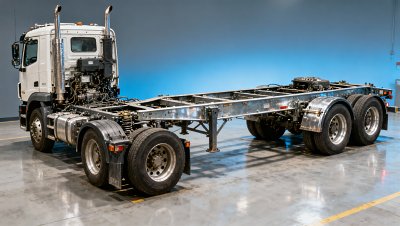
The chassis and body structure should be the first inspection priority because structural repair is usually more expensive and more disruptive than replacing consumable parts. A used tipper trailer may still look acceptable in photos, but repeated overload, off-road operation, and poor welding repairs can weaken cross-members, kingpin areas, hinge points, and the body floor. If the trailer has worked in mining, quarry, or demolition transport, inspection standards should be even stricter.
Focus on visible and hidden stress zones. These commonly include the main longitudinal beams, side rails, rear frame, suspension brackets, tipping pivot mounts, and the front bulkhead. Hairline cracks around welds are not minor cosmetic issues. In many trailers, a 2 mm crack around a high-stress weld can grow quickly after another 200 to 500 tipping cycles, especially when hauling stone, ore, or wet aggregate.
Check for evidence of patch welding, uneven reinforcement plates, mismatched steel thickness, or fresh paint limited to one repair area. These signs often indicate a previous structural incident. A repaired unit is not automatically unsuitable, but the buyer should confirm whether the repair restored load-bearing strength or simply made the trailer look saleable. If body alignment is uneven, tailgate closure is inconsistent, or the box twists during lifting, the risk of future cracking increases.
For fleet buyers, a practical benchmark is to compare floor wear and sidewall straightness across at least 3 similar trailers from the same age group. A trailer that shows much greater deformation than peers of similar service age often signals chronic overload or poor operating practices. This matters because structural fatigue is cumulative and cannot be fully reversed by repainting or replacing a few external parts.
Key structural checkpoints
- Inspect chassis rails for bends, twist, corrosion loss, and crack propagation near high-load welds.
- Measure body floor wear, especially if the trailer carried abrasive material such as sand, ore, crushed stone, or scrap.
- Examine rear hinge assemblies and tailgate latching points for elongation, looseness, or metal tearing.
- Verify kingpin plate condition and look for distortion around the coupling area caused by poor loading balance.
The table below summarizes structural areas that often determine whether a used tipper trailer is a good buy, a negotiation candidate, or a unit to reject.
If 2 or more critical structural zones show active cracking, distortion, or non-standard repair, the purchase only makes sense if the trailer is priced as a repair project. For most distributors and end users seeking quick deployment, structural defects are the fastest way to lose the initial cost advantage of buying used.
Inspect the Hydraulic System and Tipping Performance Under Real Conditions
Hydraulic issues are among the most common causes of expensive repairs in a used tipper trailer. A trailer may raise and lower during a short demonstration, yet still hide problems such as seal leakage, cylinder scoring, slow cycle times, unstable lifting, or abnormal pressure behavior. Buyers should always request a full tipping test with a realistic load simulation whenever possible, especially for units intended for daily use behind construction trucks or off road trucks.
Observe lifting speed, smoothness, and body stability. In a typical field check, inconsistent extension, side sway, or jerking motion suggests cylinder wear, air contamination, bent ram components, or hinge misalignment. For many general-purpose tippers, an unloaded full raise cycle may complete in around 20 to 40 seconds, but the exact timing matters less than whether the movement is stable and repeatable over 3 consecutive tests.
Hydraulic hoses, couplings, and valves also deserve close attention. Brittle hose surfaces, oil sweating at fittings, or mixed replacement parts from different pressure classes may indicate weak maintenance discipline. If oil contamination is visible, the buyer should assume that pump, valve, and cylinder life may already be compromised. A low-cost hose replacement is manageable; a contaminated hydraulic system that damages multiple components is not.
Compatibility with the tractor unit is equally important. The used tipper trailer should match the truck’s hydraulic output, connector type, electrical controls, and operating pressure range. A mismatch between trailer requirements and tractor capability can create slow lifting, overheating, or unsafe unloading angles. In cross-border purchases, this issue appears frequently because coupling standards and connector layouts differ by fleet and region.
Hydraulic warning signs that should trigger deeper review
- Visible oil leakage around cylinder seals, hose ends, control valves, or quick couplers.
- Lift instability, including body shake, uneven extension, or hesitation during final raise.
- Abnormal noise such as knocking, pressure surging, or fluid cavitation.
- Noticeable difference between the first and third lift cycle during a 10 to 15 minute test.
- Tailgate or body not returning cleanly to transport position after lowering.
The table below can help sourcing teams classify hydraulic findings by urgency before approving a purchase.
When procurement decisions involve multiple candidate trailers, a working hydraulic test often separates units with real operational value from those that simply pass visual inspection. For buyers focused on uptime, this is one of the most decisive checks in the entire evaluation process.
Review Axles, Suspension, Wheels, and Braking Components as a Cost Cluster
Many buyers underestimate running gear costs because axle sets, suspension parts, tires, hubs, and brake components may each appear manageable in isolation. In practice, they often fail as a cost cluster. If a used tipper trailer shows uneven tire wear, damaged suspension bushings, weak brake response, and hub play at the same time, the first maintenance cycle can quickly absorb a large share of the purchase discount.
Start by checking axle alignment and tire condition. Uneven shoulder wear, cupping, or rapid wear on one side usually points to alignment, suspension, or overload history. In heavy-duty applications, replacing a full tire set and correcting suspension geometry may cost far more than the buyer expected from a visually cheap trailer. Ask how long the trailer has operated with its current axle configuration and whether replacement parts are readily available in your target market.
Brake inspection should cover chambers, lines, drums or discs, slack adjusters, valves, and parking brake response. A trailer that sits for long periods before resale may have corrosion inside key braking components. During a road or yard test, delayed braking, pull, air leakage, or inconsistent response across axles should be treated as operational risks, not small workshop issues. In some fleets, brake faults account for a significant share of first-month corrective work on used transport equipment.
Suspension type also influences repair planning. Mechanical suspension can be robust in harsh environments, while air suspension may offer load protection and road performance but require closer inspection of bags, valves, and air lines. A buyer should consider the actual route profile: quarry haul roads, municipal waste work, highway aggregate delivery, or mixed construction transport each place different demands on suspension life and service intervals.
Checklist for running gear evaluation
- Measure visible tire wear patterns across all wheel positions and compare left versus right side.
- Check hub end play, bearing noise, and oil seal condition after a short movement test.
- Inspect leaf springs, equalizers, torque rods, bushings, or air bags for cracking and deformation.
- Confirm brake actuation consistency on each axle and inspect for air leakage over 5 to 10 minutes.
- Verify spare parts availability for axle brand, chamber type, and brake components in the destination region.
Why this matters for B2B sourcing
For dealers, distributors, and fleet purchasers, running gear condition affects more than maintenance budget. It also influences resale speed, roadworthiness preparation, and the time needed to standardize incoming stock. A trailer needing 4 categories of running gear work can remain inactive for 2 to 6 weeks depending on parts supply, which reduces inventory turnover and delays revenue generation.
This is where a digital sourcing platform becomes especially useful. Buyers comparing used trailers from several suppliers can review category availability, spare parts access, and related truck component options in one procurement workflow. That reduces the risk of buying a trailer that is technically repairable but commercially inefficient to return to service.
Check Electrical Systems, Lighting Compatibility, and Fleet Integration Details
Electrical issues may appear secondary compared with chassis or hydraulics, but they create real operating delays and compliance risks. Used tipper trailers often change hands across regions, applications, and tractor brands. As a result, wiring quality, plug standards, lamp types, and control integration may not match the buyer’s current fleet. A trailer that cannot connect cleanly to the tractor’s lighting and control setup may require immediate rewiring before legal road use.
Inspect the full electrical path, not just visible lamps. Corrosion in connectors, temporary splices, damaged harness routing, and poor grounding are common in heavy-duty environments where dust, water, and vibration are constant. If the trailer has operated in mining or off-road conditions, the risk of cable abrasion and broken protective conduit is even higher. These are not cosmetic defects; electrical faults can affect brake light function, side markers, reversing systems, and tipping control safety.
Fleet integration means checking more than voltage. Buyers should confirm connector type, socket layout, auxiliary electrical demand, lamp replacement availability, and compatibility with the intended tractor unit. In practice, a 12 V versus 24 V mismatch, a different 7-pin or multi-pin configuration, or an incompatible lighting standard can add unexpected workshop time in the first week after delivery.
This is especially important for distributors and agents serving multiple markets. A used tipper trailer that is easy to adapt electrically is more attractive than one requiring custom harness work. Fast integration improves resale efficiency and lowers post-sale support costs. Even simple items such as reflector placement, rear lamp condition, and side marker operation should be included in the acceptance checklist.
The comparison table below helps procurement teams evaluate whether electrical findings are minor preparation work or a sign of deeper neglect.
If the trailer is intended for immediate deployment, electrical faults should be costed together with registration preparation, inspection time, and workshop labor. A low purchase price can lose its advantage quickly if integration work takes 3 to 7 extra days per unit across a batch purchase.
Evaluate Service History, Legal Fit, and Total Cost Before Committing
A sound used tipper trailer is not judged by condition alone. Buyers should also confirm whether the trailer fits the intended legal, operational, and commercial environment. Service records, previous usage type, ownership history, VIN or serial identity, axle load suitability, and regional compliance requirements all affect true purchasing value. A trailer that is technically functional but poorly documented may still create delays in import, registration, insurance, or resale.
Ask direct questions about prior application. A trailer used for 5 years on highway aggregate routes may present different risk from one used for 2 years in mine haul support. Service intensity matters more than age alone. If maintenance records are incomplete, buyers should increase physical inspection depth and reserve more budget for first-stage preventive work. Many fleet operators plan a 30-day inspection and a 90-day follow-up after used equipment enters service, and that is a practical habit for tipper trailers as well.
It is also wise to estimate total cost of entry, not just acquisition cost. This includes transport, import procedures where relevant, inspection labor, consumable replacement, tire matching, lighting adaptation, hydraulic servicing, and any structural corrective work. In some deals, a trailer priced 10% lower can end up 15% to 25% more expensive to deploy because the hidden preparation list is longer.
For international B2B sourcing, supplier comparison should cover responsiveness, document clarity, spare parts support, and accuracy of listing information. A platform focused on the heavy truck and trailer supply chain helps procurement teams reduce search friction by comparing products, suppliers, and category resources in one place. That matters when buyers must evaluate multiple used units quickly without losing control of risk.
A practical 5-step decision process
- Screen listing quality, photos, declared age, application type, and seller responsiveness.
- Verify structural condition, hydraulic function, running gear status, and electrical compatibility.
- Review documentation, ownership traceability, and target market compliance requirements.
- Estimate 30-day and 90-day maintenance cost before final price negotiation.
- Approve only when total deployment cost and uptime outlook meet your commercial target.
Common procurement mistakes
- Buying based on fresh paint and visible body appearance without a tipping test.
- Ignoring electrical and hydraulic compatibility with the existing tractor fleet.
- Underestimating the combined cost of tires, brakes, suspension, and workshop labor.
- Assuming younger age always means lower wear, even when service intensity was extreme.
The best used tipper trailer purchase is usually not the cheapest advertised unit. It is the trailer with the clearest mechanical condition, the lowest uncertainty, and the fastest path to productive service. For information researchers, procurement officers, business evaluators, and channel partners, that approach improves both operational efficiency and downstream margin.
Frequently Asked Questions About Used Tipper Trailer Sourcing
How old is too old for a used tipper trailer?
Age alone is not decisive. A well-maintained trailer with 6 to 8 years of moderate road service may be a better purchase than a 3-year-old unit from severe quarry or mining duty. Buyers should compare age with body wear, hydraulic behavior, axle condition, and service traceability. If documentation is weak, inspection standards should rise accordingly.
Which single inspection saves the most repair cost?
Structural and hydraulic checks usually deliver the highest savings because they expose failures that are costly to correct and often linked to downtime. A trailer can operate with minor lamp or cosmetic issues, but chassis cracking or unstable tipping can remove the unit from service immediately and trigger broader repair work.
Should buyers test the trailer with load?
Yes, when possible. A no-load test is useful, but a realistic load condition provides better evidence of lifting stability, hinge behavior, body alignment, and hydraulic control response. Even a partial load simulation can reveal issues that remain hidden in an empty raise cycle.
What documents should international buyers request?
At minimum, request ownership or sale documents, trailer identification details, service or repair records if available, axle and component information, and clear photos or videos of the unit in operation. Depending on destination market requirements, buyers may also need additional compliance and inspection support before deployment.
Used tipper trailer checks are most effective when they combine engineering logic with procurement discipline. Structural soundness, hydraulic performance, running gear condition, electrical compatibility, and documentation quality all influence whether a trailer delivers value or becomes a repair liability. For buyers and channel partners operating in the global road transport equipment market, informed sourcing reduces downtime, protects margins, and shortens the path to service readiness.
If you are comparing used trailers, complete trucks, chassis options, or related spare parts across international suppliers, the Global Heavy Truck Industry Platform can help you explore product categories, evaluate sourcing options, and identify suitable partners more efficiently. Contact us today to get tailored sourcing support, review product details, and discover more heavy transport equipment solutions.
Trending News
- Are Energy-Saving Excavators Worth It for Long-Term Operations?
- Dump Truck Supplier With Quick Delivery: What to Verify First
- Choosing Commercial Vehicle Parts for Cold Storage Reliability
- How ISO Certification Reduces Supplier Risk in Heavy Truck Chassis
- Cab Chassis Truck for Fire Department: Key Fitment Points
Tag
Recommended News
 Used Truck MarketSemi Trailer Wholesale: Which Specs Matter Most for Resale ValueSemi trailer wholesale buyers: learn which specs most influence resale value, from axle layout to payload, materials, and parts compatibility—make smarter, higher-margin sourcing decisions.
 Used Truck MarketTruck Tipper for Sale: New or Used for Heavy-Duty Work?Truck tipper for sale guide: compare new or used options, dump truck price, heavy-duty specs, and trusted suppliers for construction, mining, and fleet sourcing.
 Used Truck MarketTruck Military Auctions Look Cheaper Until Refit Costs AppearTruck military auction deals can hide high refit costs. Compare hydraulic pump, truck battery, truck trailer, truck tipper, off road truck and truck leasing options before you buy.
 Used Truck MarketUsed Wheel Loader Inspection Points That Matter MostHydraulic pump and wheel loader inspection tips that matter most for used equipment buyers. Compare off road truck, truck trailer, and truck tipper options to reduce risk and source smarter.
 Used Truck MarketUsed Truck Skeleton Trailers: What Usually Wears Out First?Truck skeleton buyers: learn what wears out first on used trailers, from truck steel fatigue and truck air system leaks to truck lighting system faults, and inspect smarter before you buy.
 Used Truck MarketWhat to Check Before Buying a Used Truck VanUsed truck van buying guide: inspect service history, load capacity, body wear, and supplier reliability. Compare truck van, lowbed trailer, refrigerated truck, mixer truck, and construction truck options with confidence.
 Used Truck MarketRebuilt or New Truck Piston? The Cost Difference Is Not the Whole StoryTruck piston buying guide: compare rebuilt vs new on lifecycle cost, downtime risk, and supplier quality. See how truck gasket, truck pump, and truck export decisions affect fleet value.
 Used Truck MarketNew vs Remanufactured Engine Assembly: Which Holds Value Better?Engine assembly value guide: compare new vs reman options for industrial transportation, with insights on truck turbocharger, truck gearbox, and fleet ROI.
 Used Truck MarketUsed Tipper Trailer Checks That Prevent Expensive RepairsTipper trailer buyers: learn used inspection checks that prevent costly repairs. Verify truck lighting, construction truck, mining truck, and off road truck compatibility before you buy.
 Used Truck MarketDump Truck for Sale: New or Used in 2026?Dump truck for sale in 2026: compare new or used options, review dump truck price trends, and source excavator for sale, truck cement mixer, and excavator parts with confidence.
 Used Truck MarketNew vs Used Excavator for Sale in 2026Excavator for sale in 2026: compare new vs used options, excavator rental, excavator parts, and dump truck for sale insights to cut risk, control cost, and buy with confidence.
 Used Truck MarketWhat to Inspect Before Choosing a Used Truck Trailer for SaleTruck trailer for sale guide: inspect frame, axles, brakes, and records before comparing truck trailer price or choosing a semi trailer supplier for safer, smarter sourcing.
 Used Truck MarketWhat ‘truck trailer for sale’ listings won’t tell you about frame fatigue historyDiscover hidden frame fatigue history in 'dump truck for sale', 'truck trailer for sale', and 'semi trailer for sale'—get verified structural data, NDT reports & fatigue risk scores before buying.
 Used Truck MarketDump truck for sale: Red flags in used unit listings you should never ignoreDump truck for sale? Avoid costly mistakes—spot red flags in used listings, compare dump truck price & truck tipper for sale options with expert guidance.
 Used Truck MarketHeavy Duty Trucks for Sale: Which Specs Hold Resale Value?Heavy duty trucks for sale: learn which engine, cab chassis truck and truck brake system specs protect resale value, reduce downtime, and improve fleet ROI with stronger parts support.
 Used Truck MarketLinquan Court Auctions HOWO Tractor + Dump Semi-trailer Combo, Highlighting Potential Supply for Used Trailer ExportsExplore Linquan Court's HOWO tractor & dump semi-trailer auction - a rare opportunity for used commercial vehicle exporters targeting Middle East, Africa & Latin America markets. Starting bid 86,500 RMB with full documentation.
 Used Truck MarketHow bulldozer factory certifications affect resale value in AustraliaBulldozer manufacturer certifications boost resale value in Australia—key for bulldozer supplier, distributor & heavy duty trucks for sale. Learn how ISO, AS/NZS & OEM standards drive premiums.
 Used Truck MarketExcavator for sale online: Why certified pre-owned listings often skip hydraulic flow testing recordsExcavator for sale online? Discover why certified pre-owned units often lack hydraulic flow testing—critical for accurate excavator price, attachment performance & demolition readiness.
 Used Truck MarketTruck mounted crane resale values fell faster than expected after hybrid powertrain adoption — why?Truck mounted crane resale values plummeted—outpacing forecasts. See why garbage truck, water truck, logging truck, low bed trailer & refrigerated truck fleets are rethinking hybrid adoption.
 Used Truck MarketCement tanker residual value drops faster than other heavy trucks—what drives depreciation?Cement tanker depreciation outpaces other heavy trucks—explore truck parts, mixer truck specs & residual value drivers for smarter procurement.
 Used Truck MarketHeavy duty truck resale value drops faster after 3 years—if it’s not Euro VI compliantDump truck, semi trailer, concrete pump truck & more: Euro VI compliance slashes heavy duty truck depreciation—boost resale value, financing approval & LEZ access. Source verified inventory now.
 Used Truck MarketSHACMAN X5000 6×4 Dump truck resale value trends: How axle configuration impacts 3-year depreciation in Southeast AsiaTruck spare parts supplier & dump truck supplier insights: SHACMAN X5000 6×4 Dump truck holds 54.3% 3-year resale value in SEA—key for heavy equipment export & fleet ROI.
") Used Truck MarketSHACMAN L3000 4×2 Dump Truck Resale Value Trends in Southeast Asia (2024–2026)SHACMAN L3000 4×2 Dump Truck resale trends in SEA (2024–2026). Backed by truck spare parts supplier networks, flatbed & low bed trailer export data, and heavy truck parts manufacturer insights.
Used Truck MarketSHACMAN L3000 4×2 Dump Truck Resale Value Trends in Southeast Asia (2024–2026)SHACMAN L3000 4×2 Dump Truck resale trends in SEA (2024–2026). Backed by truck spare parts supplier networks, flatbed & low bed trailer export data, and heavy truck parts manufacturer insights. Used Truck MarketExcavator for sale listings with ‘low hours’ — what that really means when maintenance logs are missingExcavator for sale with 'low hours'? Discover what it really means—no maintenance logs? Avoid hidden risks. Compare excavator rental, price & supplier transparency now.
 Used Truck MarketHeavy duty trucks for sale in Australia: Are ‘ex-demo’ units worth the discount?Heavy duty trucks for sale in Australia: Discover certified ex-demo units with full warranty, GPS-tracked bulldozers, electric models & OEM custom chassis—save up to 22%.