New vs Remanufactured Engine Assembly: Which Holds Value Better?
When comparing a new and remanufactured engine assembly, buyers across industrial transportation must weigh upfront cost, long-term reliability, and resale value. For fleet managers, distributors, and sourcing professionals handling truck turbocharger, truck gearbox, truck filter, and other heavy truck components, understanding which option delivers better value can directly affect operating efficiency and procurement strategy.
In the heavy truck sector, engine replacement is rarely an isolated purchase. It affects downtime planning, maintenance budgets, resale positioning, warranty exposure, and parts compatibility across fleets that may run 50,000 to 180,000 km per year. For B2B buyers working in logistics transport, mining support, municipal fleets, and construction haulage, the question is not simply which assembly costs less today, but which option performs better across the full service cycle.
This is especially relevant on a global sourcing platform, where buyers compare suppliers from multiple regions, evaluate lead times of 7–30 days, and balance technical standards with commercial terms. A clear understanding of new versus remanufactured engine assembly value helps procurement teams reduce risk, negotiate more effectively, and select suppliers that support long-term fleet productivity.
Understanding What “New” and “Remanufactured” Really Mean in Heavy Truck Engine Supply
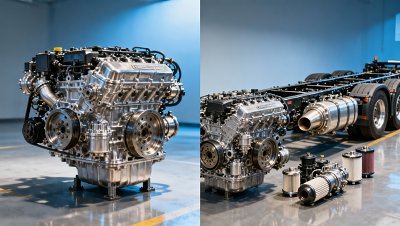
A new engine assembly is typically built from new components and supplied to original specification or an approved equivalent specification. In heavy-duty transport applications, this usually means a complete or long-block assembly with newly manufactured core parts, tested for factory tolerances, combustion performance, lubrication flow, and thermal stability. Buyers often choose new units for high-mileage routes, mission-critical fleets, or export orders where warranty expectations are strict.
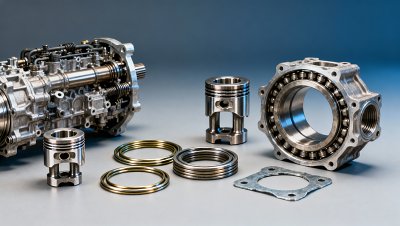
A remanufactured engine assembly is different from a simple used engine or workshop rebuild. In a proper remanufacturing process, the engine is disassembled, cleaned, inspected, machined where needed, and rebuilt with replacement of wear components such as bearings, seals, gaskets, piston rings, and other critical items. The process may include crankshaft grinding, cylinder head resurfacing, injector inspection, and performance testing. The quality difference between remanufactured and merely repaired engines can be significant.
For commercial vehicle buyers, the term itself is not enough. One supplier’s remanufactured engine may include 80% renewed wear parts and full bench testing, while another may offer only partial refurbishment with limited documentation. That is why procurement teams should ask for disassembly scope, machining records, test procedures, and warranty terms before comparing price.
Key technical distinctions buyers should verify
Before making a sourcing decision, buyers should confirm whether the engine is sold as a complete assembly, long block, or short block. The difference directly affects installation cost and accessory reuse. In many truck applications, labor time can vary from 12 to 30 hours depending on chassis layout, electronic integration, and whether supporting parts such as turbochargers or fuel system components must be transferred.
- New engine assembly: usually higher initial cost, stronger consistency, and better fit for fleets with strict uptime targets.
- Remanufactured engine assembly: usually 30%–50% lower purchase cost, but value depends heavily on process control and supplier credibility.
- Used pull-out engine: lowest upfront price in many markets, but often highest risk in hidden wear, uncertain hours, and shortened remaining life.
The table below outlines a practical comparison framework for heavy truck procurement teams evaluating engine assembly options.
The main takeaway is that “remanufactured” is not automatically low value, and “new” is not automatically the best commercial choice in every case. Value improves when the engine type, route demand, and supplier documentation are aligned with the actual operating profile of the truck fleet.
Which Option Holds Value Better Across Cost, Reliability, and Resale
If value is measured only by purchase price, remanufactured engine assemblies often appear stronger. However, B2B buyers usually need a broader view: total installed cost, expected service life, fuel efficiency impact, maintenance interruption, and residual value at disposal or resale. In heavy-duty transport, an engine decision can affect operating economics for 2–5 years, not just the next invoice cycle.
New engine assemblies tend to hold value better when trucks are part of a premium fleet, operate under high annual mileage, or will be resold into markets that reward documented maintenance history. A truck equipped with a new engine and documented installation often supports stronger buyer confidence than one with an undocumented rebuild. In some trade channels, that can improve resale negotiation leverage by a noticeable margin even if the full new-engine premium is not recovered.
Remanufactured assemblies can hold value well when the truck itself is mid-life, the route is regional rather than ultra-long haul, and the buyer chooses a supplier with repeatable quality control. For a vehicle expected to remain in service for another 18–36 months, a properly remanufactured engine may provide the most balanced return on investment. The lower capital outlay preserves cash flow while restoring enough performance to keep the asset productive.
A practical value model for procurement teams
Instead of asking which option is universally better, procurement managers should ask four commercial questions: How long will the truck remain in service? What is the cost of downtime per day? How critical is resale documentation? How much maintenance risk can the fleet absorb? These four factors often decide the answer more clearly than price alone.
Value by operating profile
- High-mileage long-haul fleets: new assemblies usually provide stronger lifecycle value due to uptime protection and stronger residual confidence.
- Construction or site-service trucks with moderate utilization: remanufactured assemblies can be commercially efficient if inspection records are complete.
- Dealer stock or resale preparation: new assemblies may support better remarketing positioning, especially for export-oriented buyers.
- Cost-sensitive fleet renewal: remanufactured units can stretch replacement budgets across 3–10 vehicles instead of only 1–3.
The comparison below shows how value tends to shift under different heavy truck use cases.
In short, new assemblies usually hold stronger value in high-utilization and high-resale contexts, while remanufactured assemblies often hold better practical value in cost-controlled, mid-life fleet scenarios. The right answer depends on how the truck earns revenue after installation.
How Buyers Should Evaluate Supplier Quality and Hidden Risk
The largest risk in engine assembly sourcing is not always the engine type itself. It is the gap between what the quotation claims and what the delivered unit actually includes. In cross-border B2B trade, this risk becomes more important because freight costs, customs timing, and after-sales coordination can make a poor purchase far more expensive than the initial discount suggested.
Buyers should request a clear build scope before order confirmation. This should state whether the engine includes cylinder head assembly, oil pump, injectors, turbocharger interface parts, sensors, and ECU-related components where applicable. If the quotation only says “engine assembly” without a packing list, the buyer may discover at installation that several transfer parts are missing, creating 3–10 additional days of downtime.
For remanufactured engines, inspection evidence matters more than marketing wording. Ask whether the supplier performs pressure testing, compression verification, crankshaft tolerance measurement, fuel system inspection, and final run testing. Even a basic reman quality file with 5–8 checkpoints can significantly improve sourcing confidence.
Six checks before placing a B2B order
- Confirm engine serial compatibility, emission level, and mounting arrangement with the truck chassis and transmission setup.
- Verify whether the offer is complete assembly, long block, or short block and list excluded parts in writing.
- Request warranty terms, including coverage period, claim process, and exclusions related to installation or auxiliary part failure.
- Review lead time, especially if production plus export packaging requires 10–25 days before shipment.
- Ask for photos, testing records, or rebuild documentation for remanufactured units.
- Clarify core return rules if the reman program requires old engine recovery or deposit arrangements.
Common sourcing mistakes
One frequent mistake is comparing only CIF or EXW price without calculating installation impact. A lower-priced engine with poor compatibility can increase labor hours, adapter costs, and workshop delays. Another mistake is assuming every remanufactured engine follows the same process. In reality, reman quality can range from highly standardized to minimally refreshed.
Global buyers using a specialized heavy truck industry platform are in a stronger position when they compare multiple suppliers side by side. That includes not only price, but also product categories, supporting spare parts availability, supplier responsiveness, and access to related components such as truck gearbox, truck turbocharger, filters, and cooling parts. Integrated sourcing reduces mismatch risk across the driveline system.
A careful supplier review can protect engine assembly value more effectively than chasing the lowest quotation. In many cases, a 10% higher purchase price from a transparent supplier prevents a far larger loss caused by unplanned downtime, warranty disputes, or incomplete delivery.
Procurement Decision Framework for Fleets, Distributors, and Cross-Border Buyers
Different buyer groups evaluate engine assembly value differently. A fleet manager focuses on uptime and maintenance planning. A distributor may care more about stock turnover, warranty claim frequency, and repeat customer satisfaction. A business evaluator may compare capital efficiency, expected remaining asset life, and resale impact. Because of these differences, a structured procurement framework is essential.
For fleets operating 20, 50, or 100 trucks, standardizing the decision process helps avoid inconsistent purchases. Teams should define thresholds such as annual mileage, vehicle age, remaining service plan, route intensity, and acceptable downtime window. For example, trucks under 5 years old and above 120,000 km annual use may justify new engine assemblies more often than older vehicles on lower-load routes.
Distributors and resellers should also think in portfolio terms. A mixed inventory strategy often performs better than a single-option approach. Stocking both new and remanufactured engine assemblies can serve premium buyers and cost-sensitive buyers at the same time, especially in markets where replacement cycles vary across logistics, mining, and construction users.
Recommended decision criteria by buyer type
The following matrix can help purchasing teams assign the right engine assembly to the right commercial situation rather than making a one-size-fits-all decision.
The framework shows that value should be matched to business model. On a global heavy truck B2B platform, this matters because buyers can compare not only engine assemblies, but also the supplier’s broader capability in spare parts, technical communication, and repeat order support. Strong sourcing outcomes often come from supplier ecosystems, not single transactions.
Implementation steps for a cleaner buying process
- Step 1: classify trucks by age, mileage, and route intensity.
- Step 2: define whether each vehicle needs 12 months, 24 months, or 48 months of additional service life.
- Step 3: compare new and reman options against downtime cost, not just purchase cost.
- Step 4: bundle related parts such as filters, turbocharger kits, hoses, and gearbox service items into one procurement plan.
- Step 5: document supplier performance for future sourcing cycles.
Frequently Asked Questions About Engine Assembly Value in the Heavy Truck Market
How long does a remanufactured engine assembly usually last?
Service life depends on reman quality, operating load, cooling system condition, and maintenance discipline. In many commercial vehicle applications, a properly remanufactured engine can deliver a substantial portion of new-engine service life when paired with correct installation and regular oil, filter, and fuel system maintenance. Buyers should focus less on generic lifespan claims and more on rebuild scope and test records.
Is a new engine assembly always better for resale?
Not always, but it often supports stronger resale confidence. If the truck is being prepared for premium resale, export, or long-term retention, a new assembly may improve buyer perception and documentation quality. However, for an older truck with limited remaining commercial life, the additional resale benefit may not justify the higher capital cost. In that case, a well-documented remanufactured engine can be the more rational value decision.
What warranty terms should B2B buyers expect?
Warranty coverage varies by supplier and by whether the unit is new or remanufactured. In many cross-border transactions, new engine assemblies may be offered with 12–24 months of coverage, while remanufactured units may fall in the 6–12 month range. Buyers should confirm whether the warranty covers parts only or includes labor allowances, and whether installation by a certified workshop is required.
What related parts should be checked during engine replacement?
Engine replacement should trigger inspection of the cooling system, air intake, truck turbocharger, filters, fuel supply, mounting points, and sometimes truck gearbox interface components. Reusing contaminated filters, damaged hoses, or a failing turbocharger can shorten the life of both new and remanufactured assemblies. A coordinated parts package often reduces post-installation risk.
How can a global B2B platform help buyers make a safer decision?
A specialized global heavy truck platform helps buyers compare suppliers, review broader product categories, identify supporting spare parts, and evaluate sourcing options across regions. This is especially useful for distributors, procurement teams, and business evaluators who need a clearer view of supplier capability, product breadth, and commercial responsiveness before committing to engine assembly orders.
Final Decision Guidance for Buyers Seeking Better Long-Term Value
New engine assemblies generally hold value better when uptime is critical, annual mileage is high, and resale confidence matters. Remanufactured engine assemblies often hold better practical value when budgets are tight, trucks are mid-life, and buyers can verify reman quality through documentation and testing. The better choice depends on service horizon, route severity, and the commercial role of the vehicle in the fleet.
For buyers in the land transportation equipment sector, the strongest procurement outcome comes from evaluating the full operating picture: engine configuration, supporting parts, lead time, warranty, installation scope, and supplier transparency. That is why professional sourcing platforms matter. They help connect buyers with reliable suppliers across truck chassis, complete trucks, trailers, construction machinery, and heavy truck spare parts within one searchable ecosystem.
If you are comparing new and remanufactured engine assemblies for fleet renewal, distribution planning, or cross-border procurement, use a structured value model instead of relying on price alone. To explore qualified suppliers, compare related heavy truck components, or request a sourcing solution tailored to your market, contact us today to get product details and discover more heavy truck procurement solutions.
Trending News
- Construction Machinery Cost Control: 7 Hidden Expenses in Project Planning
- Logging Truck Price Guide: Spec Choices That Change Total Ownership Cost
- Crane Truck Cost Breakdown: Chassis, Crane Unit, and Compliance Fees
- How to Vet a Logging Truck Distributor Before Entering a New Market
- Logging Truck Supplier Selection: Load Capacity, Terrain Fit, and Downtime
Tag
Recommended News
 Used Truck MarketSemi Trailer Wholesale: Which Specs Matter Most for Resale ValueSemi trailer wholesale buyers: learn which specs most influence resale value, from axle layout to payload, materials, and parts compatibility—make smarter, higher-margin sourcing decisions.
 Used Truck MarketTruck Tipper for Sale: New or Used for Heavy-Duty Work?Truck tipper for sale guide: compare new or used options, dump truck price, heavy-duty specs, and trusted suppliers for construction, mining, and fleet sourcing.
 Used Truck MarketTruck Military Auctions Look Cheaper Until Refit Costs AppearTruck military auction deals can hide high refit costs. Compare hydraulic pump, truck battery, truck trailer, truck tipper, off road truck and truck leasing options before you buy.
 Used Truck MarketUsed Wheel Loader Inspection Points That Matter MostHydraulic pump and wheel loader inspection tips that matter most for used equipment buyers. Compare off road truck, truck trailer, and truck tipper options to reduce risk and source smarter.
 Used Truck MarketUsed Truck Skeleton Trailers: What Usually Wears Out First?Truck skeleton buyers: learn what wears out first on used trailers, from truck steel fatigue and truck air system leaks to truck lighting system faults, and inspect smarter before you buy.
 Used Truck MarketWhat to Check Before Buying a Used Truck VanUsed truck van buying guide: inspect service history, load capacity, body wear, and supplier reliability. Compare truck van, lowbed trailer, refrigerated truck, mixer truck, and construction truck options with confidence.
 Used Truck MarketRebuilt or New Truck Piston? The Cost Difference Is Not the Whole StoryTruck piston buying guide: compare rebuilt vs new on lifecycle cost, downtime risk, and supplier quality. See how truck gasket, truck pump, and truck export decisions affect fleet value.
 Used Truck MarketNew vs Remanufactured Engine Assembly: Which Holds Value Better?Engine assembly value guide: compare new vs reman options for industrial transportation, with insights on truck turbocharger, truck gearbox, and fleet ROI.
 Used Truck MarketUsed Tipper Trailer Checks That Prevent Expensive RepairsTipper trailer buyers: learn used inspection checks that prevent costly repairs. Verify truck lighting, construction truck, mining truck, and off road truck compatibility before you buy.
 Used Truck MarketDump Truck for Sale: New or Used in 2026?Dump truck for sale in 2026: compare new or used options, review dump truck price trends, and source excavator for sale, truck cement mixer, and excavator parts with confidence.
 Used Truck MarketNew vs Used Excavator for Sale in 2026Excavator for sale in 2026: compare new vs used options, excavator rental, excavator parts, and dump truck for sale insights to cut risk, control cost, and buy with confidence.
 Used Truck MarketWhat to Inspect Before Choosing a Used Truck Trailer for SaleTruck trailer for sale guide: inspect frame, axles, brakes, and records before comparing truck trailer price or choosing a semi trailer supplier for safer, smarter sourcing.
 Used Truck MarketWhat ‘truck trailer for sale’ listings won’t tell you about frame fatigue historyDiscover hidden frame fatigue history in 'dump truck for sale', 'truck trailer for sale', and 'semi trailer for sale'—get verified structural data, NDT reports & fatigue risk scores before buying.
 Used Truck MarketDump truck for sale: Red flags in used unit listings you should never ignoreDump truck for sale? Avoid costly mistakes—spot red flags in used listings, compare dump truck price & truck tipper for sale options with expert guidance.
 Used Truck MarketHeavy Duty Trucks for Sale: Which Specs Hold Resale Value?Heavy duty trucks for sale: learn which engine, cab chassis truck and truck brake system specs protect resale value, reduce downtime, and improve fleet ROI with stronger parts support.
 Used Truck MarketLinquan Court Auctions HOWO Tractor + Dump Semi-trailer Combo, Highlighting Potential Supply for Used Trailer ExportsExplore Linquan Court's HOWO tractor & dump semi-trailer auction - a rare opportunity for used commercial vehicle exporters targeting Middle East, Africa & Latin America markets. Starting bid 86,500 RMB with full documentation.
 Used Truck MarketHow bulldozer factory certifications affect resale value in AustraliaBulldozer manufacturer certifications boost resale value in Australia—key for bulldozer supplier, distributor & heavy duty trucks for sale. Learn how ISO, AS/NZS & OEM standards drive premiums.
 Used Truck MarketExcavator for sale online: Why certified pre-owned listings often skip hydraulic flow testing recordsExcavator for sale online? Discover why certified pre-owned units often lack hydraulic flow testing—critical for accurate excavator price, attachment performance & demolition readiness.
 Used Truck MarketTruck mounted crane resale values fell faster than expected after hybrid powertrain adoption — why?Truck mounted crane resale values plummeted—outpacing forecasts. See why garbage truck, water truck, logging truck, low bed trailer & refrigerated truck fleets are rethinking hybrid adoption.
 Used Truck MarketCement tanker residual value drops faster than other heavy trucks—what drives depreciation?Cement tanker depreciation outpaces other heavy trucks—explore truck parts, mixer truck specs & residual value drivers for smarter procurement.
 Used Truck MarketHeavy duty truck resale value drops faster after 3 years—if it’s not Euro VI compliantDump truck, semi trailer, concrete pump truck & more: Euro VI compliance slashes heavy duty truck depreciation—boost resale value, financing approval & LEZ access. Source verified inventory now.
 Used Truck MarketSHACMAN X5000 6×4 Dump truck resale value trends: How axle configuration impacts 3-year depreciation in Southeast AsiaTruck spare parts supplier & dump truck supplier insights: SHACMAN X5000 6×4 Dump truck holds 54.3% 3-year resale value in SEA—key for heavy equipment export & fleet ROI.
") Used Truck MarketSHACMAN L3000 4×2 Dump Truck Resale Value Trends in Southeast Asia (2024–2026)SHACMAN L3000 4×2 Dump Truck resale trends in SEA (2024–2026). Backed by truck spare parts supplier networks, flatbed & low bed trailer export data, and heavy truck parts manufacturer insights.
Used Truck MarketSHACMAN L3000 4×2 Dump Truck Resale Value Trends in Southeast Asia (2024–2026)SHACMAN L3000 4×2 Dump Truck resale trends in SEA (2024–2026). Backed by truck spare parts supplier networks, flatbed & low bed trailer export data, and heavy truck parts manufacturer insights. Used Truck MarketExcavator for sale listings with ‘low hours’ — what that really means when maintenance logs are missingExcavator for sale with 'low hours'? Discover what it really means—no maintenance logs? Avoid hidden risks. Compare excavator rental, price & supplier transparency now.
 Used Truck MarketHeavy duty trucks for sale in Australia: Are ‘ex-demo’ units worth the discount?Heavy duty trucks for sale in Australia: Discover certified ex-demo units with full warranty, GPS-tracked bulldozers, electric models & OEM custom chassis—save up to 22%.