How to Find the Right Excavator for Sale
Finding the right excavator for sale starts with understanding your project needs, budget, and supplier reliability. Whether you are comparing excavator rental options, sourcing an excavator for construction, or evaluating excavator parts and excavator bucket choices, making the right decision can improve efficiency and reduce long-term costs. This guide helps buyers and distributors identify key factors when selecting equipment in today’s global heavy machinery market.
How should buyers define the right excavator before asking for a quotation?
Many procurement problems begin too early in the process. A buyer asks for an excavator for sale without defining operating conditions, attachment needs, transport limits, or expected daily workload. In the land transport equipment and construction machinery sector, the “right” machine is not simply the cheapest unit or the largest model. It is the excavator that matches soil condition, working radius, cycle time, fuel plan, and after-sales support expectations.
For information researchers and commercial evaluators, the first step is to split the decision into 3 core questions: what material will be handled, how many hours per day the excavator will run, and what logistics constraints affect delivery and service. A compact machine may suit urban utility projects, while a medium or large excavator for construction may be more practical for road building, mining support, or site preparation over 8–10 working hours per day.
For dealers, distributors, and agents, local market fit matters as much as product capability. A machine that performs well in one region may be harder to sell in another if spare parts lead time is 2–4 weeks, emission requirements differ, or common bucket sizes do not match local customer demand. That is why early-stage selection should balance technical suitability with channel viability.
A professional B2B sourcing platform adds value here by helping buyers compare products, suppliers, and trade information in one place. The Global Heavy Truck Industry Platform supports this process by connecting buyers with manufacturers and equipment suppliers across construction machinery, truck chassis, trailers, and spare parts categories. This wider ecosystem is useful when the excavator purchase also affects transport planning, parts sourcing, or fleet expansion.
Start with a practical requirement checklist
Before requesting offers, prepare a short specification sheet. This improves quote accuracy and reduces the risk of comparing machines that are not truly equivalent. In cross-border procurement, a clear requirement list also helps suppliers respond faster and reduces revision rounds during the first 7–15 days of communication.
- Project type: trenching, loading, demolition support, road construction, municipal works, quarry support, or mixed applications.
- Operating range: expected digging depth, dump height, reach, and attachment compatibility such as breaker, grapple, or different excavator bucket sizes.
- Site condition: soft ground, rocky ground, narrow urban streets, slopes, or long-distance relocation between sites.
- Supply chain needs: spare parts availability, operator training, maintenance intervals, and preferred shipment terms.
Which excavator size and configuration fit different application scenarios?
Excavator selection becomes easier when buyers group demand by operating class. In many markets, machines are discussed by compact, medium, and heavy categories. This is useful because attachment range, transport method, and fuel consumption expectations often change with machine size. It also helps distributors identify which excavator for sale has the broadest resale potential in their region.
Compact excavators are often chosen for urban maintenance, landscaping, utility trenching, and projects with limited access. Medium excavators are common in road work, foundation digging, drainage construction, and mixed contractor fleets. Heavy excavators are usually considered for quarry work, bulk earthmoving, mining support, or major infrastructure development where bucket volume and breakout force have a greater impact on productivity.
The right configuration also depends on undercarriage type, boom structure, hydraulic flow, and bucket range. Buyers comparing excavator rental and direct purchase should pay attention to whether the machine will be used in one stable scenario or several changing scenarios. If the project profile changes every 2–3 months, attachment flexibility may be more valuable than selecting only for peak output.
The table below summarizes common application logic used by procurement teams when screening excavator options. These are typical market ranges rather than fixed rules, but they provide a useful starting point for project planning and supplier discussion.
This comparison shows why application-first screening matters. A distributor serving municipal contractors may focus on medium machines with common excavator bucket configurations and stable spare parts support. A buyer supplying quarry projects may prioritize heavier units, stronger structures, and faster replacement cycles for wear parts. The correct match depends on work pattern, not only on headline price.
Why bucket and attachment planning should not be delayed
An excavator bucket is not a minor accessory. Bucket type affects digging efficiency, material retention, wear rate, and fuel use. General-purpose buckets may suit mixed soil, while rock buckets, ditch-cleaning buckets, or narrow trenching buckets support more specialized jobs. If attachment needs are discussed only after the machine order is confirmed, buyers may face delays of several extra weeks.
Hydraulic hammer lines, quick coupler systems, and auxiliary flow requirements should also be checked early. For contractors who switch tasks frequently, these options may produce better utilization across 3–5 project types over a year. For dealers, stocking attachments that match the most common local machine class can also improve follow-up sales.
What technical and commercial factors matter most in excavator procurement?
A serious excavator procurement review should cover both machine performance and transaction reliability. Technical discussions usually focus on engine output, hydraulic response, operating weight, bucket range, digging depth, and service access. Commercial reviews focus on supplier responsiveness, documentation, shipment terms, warranty scope, and spare parts support. In B2B trade, weak performance in either area can increase lifecycle cost.
Procurement personnel often compare quotations line by line, but this can be misleading if configurations differ. Two excavators for sale may look similar until one includes a quick coupler, extra bucket, reinforced undercarriage, or different cab specification. A sound comparison method is to evaluate 5 key dimensions: machine specification, attachment package, service commitment, delivery schedule, and total ownership cost across 12–24 months.
Commercial assessment teams should also request standard export documents and confirm whether manuals, parts books, and maintenance guidance are available in the working language required by the end user. This is especially important when the buyer is a regional distributor or agent that needs to support sub-dealers and end customers after installation.
The next table can be used as a procurement evaluation tool when comparing multiple excavator suppliers. It is designed for buyers who need a structured method rather than a simple price-only ranking.
This framework is particularly useful on a global B2B platform because buyers often compare suppliers from different regions with different trade practices. By reviewing technical and commercial factors together, decision makers can narrow a long list into 2–3 qualified options before moving into final price negotiation and contract terms.
Common indicators that deserve closer attention
When screening an excavator for construction, buyers should ask how the machine is expected to perform during continuous operation, whether maintenance points are easy to access, and which excavator parts are wear items in local conditions. Dust, rock content, operating hours, and operator skill can all change maintenance frequency. A machine used on municipal soil work may have a very different wear pattern from one working on abrasive quarry material.
- Check whether standard and optional bucket sizes are clearly listed rather than bundled into vague wording.
- Confirm the routine service interval and what basic maintenance items are expected every 250–500 operating hours.
- Review shipment preparation details, because dismantling level and packing method affect arrival condition and on-site assembly time.
How do cost, rental, and lifecycle value compare in real purchasing decisions?
Price matters, but in heavy equipment purchasing it is only one layer of the decision. A lower initial price may lead to higher maintenance cost, slower parts supply, or reduced resale value. Buyers comparing excavator rental versus purchase should estimate project duration, machine utilization, and cash flow pressure. If the machine is needed for short-term, intermittent work, rental may be more practical. If utilization is expected across multiple projects for 12 months or longer, ownership often deserves stronger evaluation.
Distributors and agents should calculate cost differently from end users. They need to consider stocking risk, parts turnover, demonstration needs, and local service capability. A machine with moderate price and good parts standardization may create better long-term business value than a low-cost unit with unstable support. In many markets, service consistency is a stronger driver of repeat orders than the first transaction price.
Cross-border buyers should also budget for freight, inland transport, customs handling, on-site commissioning, and initial parts packages. These items are often missed when comparing an excavator for sale across different supply channels. A realistic procurement review should cover acquisition cost, operating cost, wear-part cost, and downtime risk over at least 3 stages: delivery, first operating period, and follow-up maintenance cycle.
The simplified table below highlights how buyers often compare rental, purchase, and mixed strategies. It is not a financial formula, but it helps frame the conversation based on project duration and operational control.
For many B2B buyers, the mixed strategy works well. A company can purchase core excavator models that fit 60%–70% of routine tasks and rely on rental or temporary sourcing for peak periods or specialized jobs. This approach supports capital discipline while keeping operational flexibility.
Practical cost-control measures
To reduce lifecycle cost, buyers should request a parts list for common wear items, clarify recommended bucket options, and confirm who handles technical queries after delivery. It is also wise to evaluate whether the machine shares service parts with other locally available equipment. Standardization can reduce inventory pressure for dealers and shorten repair time for contractors.
- Ask for a clear quotation split between machine price, optional attachments, spare parts package, and logistics items.
- Estimate expected use in monthly operating hours to judge whether ownership or rental offers better value.
- Include at least one maintenance scenario in your comparison, not only purchase price.
What risks do buyers often overlook, and how can a B2B platform reduce them?
One common mistake is choosing an excavator for sale based only on photos, model labels, or general brochures. Serious buyers need confirmation of actual configuration, attachment list, and service support terms. Another frequent problem is underestimating logistics and customs coordination. Even when production is ready, shipment arrangements and destination handling can extend delivery timelines by several days or several weeks depending on route and document readiness.
A second risk is neglecting excavator parts planning. Filters, teeth, cutting edges, seals, hoses, and undercarriage wear items may not seem urgent at the contract stage, but they directly affect uptime later. For buyers operating across multiple sites, poor parts planning can turn a simple maintenance event into days of lost productivity. This is especially important for distributors building a service reputation in new markets.
A third issue is mismatch between local compliance expectations and imported equipment documentation. Depending on the destination market, buyers may need to review general import documentation, safety labeling, manuals, and other standard trade paperwork before shipment. Requirements vary, so early confirmation with the supplier and local import partners is essential.
This is where an industry-focused global platform becomes valuable. The Global Heavy Truck Industry Platform brings together construction machinery, complete trucks, truck chassis, trailers, and spare parts in one sourcing environment. For buyers of excavators, that means easier comparison of suppliers, wider access to related transport solutions, and more efficient coordination when the purchase involves equipment delivery, fleet support, or spare parts planning across the broader land transport equipment chain.
FAQ for procurement teams and distributors
How do I choose between a compact and medium excavator for sale?
Start with access limits, expected digging volume, and transport frequency. If the machine works in dense urban areas, narrow roads, or utility projects, compact units are often easier to move and position. If the work involves foundations, road base preparation, or regular truck loading, a medium excavator usually offers a better balance of reach, productivity, and bucket flexibility.
What should I ask about excavator parts before confirming the order?
Ask which wear parts are commonly replaced in the first maintenance cycle, what the typical supply lead time is, and whether a starter spare parts package can be shipped with the machine. For dealer purchases, also confirm whether parts manuals and item coding are clear enough for local service teams to manage inventory and reordering.
Is excavator rental better than purchasing for project work?
It depends on workload visibility. Rental often fits temporary or uncertain demand. Purchasing is usually stronger for repeat use, long-term fleet planning, or when you need specific attachments and consistent machine availability. Many companies use a hybrid plan: purchase the core fleet and rent additional units during peak seasons or short-term contracts.
How long does excavator procurement usually take?
The timeline varies by configuration, stock status, and shipping route. Buyers should separate the process into 4 stages: requirement confirmation, quotation and negotiation, production or stock preparation, and shipping. For cross-border orders, documentation and logistics coordination should be checked early because they often influence the final delivery window as much as equipment readiness.
Why work with a specialized global heavy equipment platform?
When buyers search for the right excavator for sale, they are rarely making an isolated decision. The purchase may connect to truck transport, trailer selection, spare parts planning, distributor development, or broader project equipment sourcing. A specialized platform is useful because it shortens the path between product discovery, supplier comparison, and commercial evaluation across the heavy truck and construction machinery supply chain.
The Global Heavy Truck Industry Platform supports international buyers, procurement teams, business evaluators, and channel partners with a broader sourcing view. Instead of searching equipment in fragments, users can compare excavators, related transport solutions, spare parts, and supplier capabilities through one industry-oriented marketplace. This matters when procurement decisions must consider not just one machine, but delivery coordination and long-term support.
If you are evaluating an excavator for construction, planning distributor inventory, or comparing excavator rental against purchase, you can use the platform to narrow technical requirements, review supplier responses, and organize a more efficient shortlist. This is especially practical for teams working under tight schedules of 2–4 weeks for vendor screening or needing multiple quotations for internal approval.
Contact us to discuss specific procurement needs, including parameter confirmation, excavator bucket and attachment matching, spare parts planning, delivery cycle review, export documentation support, quotation comparison, and customized sourcing solutions. If you are a distributor or agent, you can also inquire about product range planning, supplier matching, and market-oriented equipment selection for your target region.
Trending News
- Heavy Equipment Export to Africa: Cost Risks and Market Priorities
- Low Bed Trailer Export for Mining: Load Limits and Route Planning
- Construction Machinery for Mining: Key Specs That Affect Output
- Bulldozer Price vs Operating Cost: What Matters Before Purchase
- Truck Cement Mixer Supplier Comparison: Price, Lead Time, and Service
Tag
Recommended News
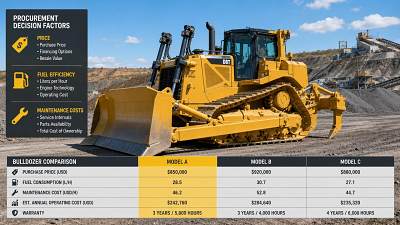
 Buying GuideBulldozer Price vs Operating Cost: What Matters Before PurchaseBulldozer price is only the starting point. Compare fuel, maintenance, uptime, parts support, and resale value to choose a dozer that delivers lower total ownership cost.
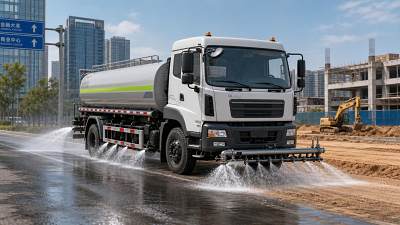
 FAQWater Sprinkler Truck Uses, Tank Sizes, and Road Safety BasicsWater sprinkler truck uses, tank sizes, and road safety basics explained. Learn how to choose the right capacity, improve dust control efficiency, and compare reliable fleet-ready options.
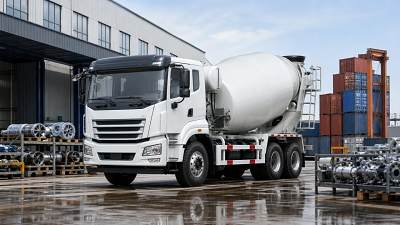
 Buying GuideTruck Cement Mixer Supplier Comparison: Price, Lead Time, and ServiceTruck cement mixer supplier comparison guide covering price, lead time, service, and technical fit. Compare smarter, reduce sourcing risk, and choose a supplier that supports long-term fleet value.
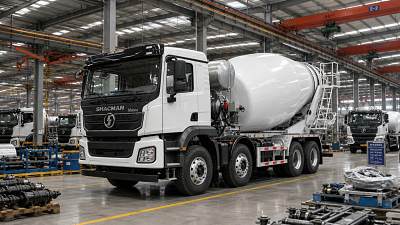
 Buying GuideChoosing a Truck Cement Mixer Manufacturer for Long-Term ReliabilityTruck cement mixer manufacturer selection affects uptime, maintenance costs, and delivery reliability. Compare key specs, service support, and sourcing tips for smarter long-term procurement.
 Buying GuideTruck Cement Mixer Price: What Drives Total Cost in 2026Truck cement mixer price in 2026 depends on more than the quote. Compare chassis, drum capacity, maintenance, delivery, and supplier risk to make smarter, lower-cost buying decisions.
 Buying GuideCrane Truck for Sale: 7 Checks Before You Choose a ModelCrane truck for sale: discover 7 essential checks to compare models, reduce procurement risk, control total cost, and choose the right truck for safer, more efficient operations.
 Buying GuideHow to Compare a Truck Trailer Supplier Beyond Unit PriceTruck trailer supplier comparison should go beyond unit price. Learn how to assess quality, compliance, delivery, and after-sales support to reduce risk and secure long-term value.
 Buying GuideSemi Trailer Bulk Order Checklist for Delivery Risk and Lead TimeSemi trailer bulk order success starts with a clear checklist. Learn how to reduce delivery risk, control lead time, compare suppliers, and keep large trailer procurement on schedule.
 Buying GuideTruck Tipper OEM vs Standard Models: Which Lowers Project Costs?Truck tipper OEM vs standard models: discover which option cuts total project costs through better uptime, compliance, payload fit, and lower lifecycle expenses.
 Buying GuideLogging Truck Price Guide: Spec Choices That Change Total Ownership CostLogging truck price is more than the upfront quote. Discover how axle setup, engine sizing, durability, and service support shape total ownership cost and smarter buying decisions.
 Buying GuideLogging Truck Supplier Selection: Load Capacity, Terrain Fit, and DowntimeLogging truck supplier selection guide: compare load capacity, terrain fit, parts support, and downtime risk to choose reliable forestry trucks and cut operating costs.
 Buying GuideCrane Truck Manufacturer Comparison: Boom Stability, Payload, and SupportCrane truck manufacturer comparison guide covering boom stability, payload, chassis integration, and support to help buyers choose safer, more efficient trucks with long-term value.
 Buying GuideDump Truck Supplier With Quick Delivery: What to Verify FirstDump truck supplier with quick delivery: learn what to verify first, from factory credibility and capacity to compliance, landed cost, and after-sales support before you buy.
 Buying GuideCab Chassis Truck for Fire Department: Key Fitment PointsCab chassis truck for fire department selection starts with fitment. Learn key points on GVWR, wheelbase, PTO, safety, and body integration to improve uptime and response performance.
 Fleet ManagementDelivery Truck Supplier in USA: What Matters Most for Fleet ExpansionDelivery truck supplier in USA selection impacts uptime, cost, and fleet growth. Learn how to compare suppliers by route needs, service support, and long-term scalability.
 Buying GuideCost-Effective Delivery Truck Supply: What Low Price May Leave OutDelivery truck supplier with cost-effective solutions: learn what low prices may leave out, from compliance and after-sales support to lifecycle value, so you can source smarter and avoid hidden costs.
 FAQDelivery Truck for School Transportation: Safety Points Before OrderingDelivery truck supplier for school transportation: review key safety points before ordering, from braking and visibility to compliance and passenger protection.
 Buying GuideHow to Choose a Truck Trailer Distributor for Stable After-Sales SupportTruck trailer distributor selection starts with after-sales strength. Learn how to compare service networks, parts support, warranty response, and technical help for long-term uptime.
 Buying GuideWhat to Check Before Choosing a Truck Cement Mixer SupplierTruck cement mixer supplier selection starts with the right checks. Learn how to compare quality, compliance, delivery, and after-sales support to reduce risk and choose with confidence.
 Buying GuideBulldozer Price Guide: What Affects Cost Across Jobsite TypesBulldozer price guide for construction, mining, roadwork, and municipal projects. Compare key cost drivers, avoid overbuying, and source the right dozer with confidence.
 Fleet ManagementHow to Choose Commercial Vehicle Parts for Warehouse Fleet UptimeCommercial vehicle parts for warehouse fleets directly impact uptime. Learn how to choose durable, accurate-fit parts and reliable suppliers to reduce downtime and control maintenance costs.
 Buying GuideLogging Truck Supplier Selection: Durability Points That Matter in Tough TerrainLogging truck supplier selection starts with durability. Discover the key strength, traction, braking, and support factors that reduce downtime in tough terrain.
 FAQDump Truck Sourcing Mistakes That Delay Construction ProjectsDump truck sourcing mistakes can delay construction projects, raise hidden costs, and disrupt site schedules. Learn the key risks to avoid and source smarter for faster, more reliable project delivery.
 Buying GuideWhat Makes a Delivery Truck Supplier Suitable for School TransportationDelivery truck supplier for school transportation: learn how to assess safety, compliance, body design, and after-sales support for urban, rural, and school logistics needs.
 Buying GuideHow to Plan a Semi Trailer Bulk Order Without Costly Specification MistakesSemi trailer bulk order planning starts with the right specs. Learn how to avoid costly mistakes, compare suppliers wisely, and secure compliant, fleet-ready trailers.