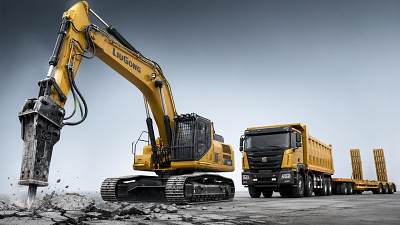
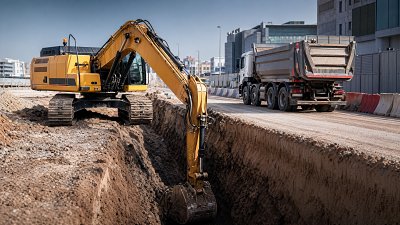
What to Check Before Excavator Rental
Before choosing an excavator rental, buyers should compare machine condition, service history, attachment options like the excavator bucket, and supplier credibility. For contractors and dealers evaluating excavator for construction projects, understanding total cost, rental terms, and excavator parts support is essential. This guide helps you make smarter decisions while comparing excavator rental options with excavator for sale and other heavy equipment solutions.
What should you check first before signing an excavator rental agreement?
In the land transport equipment and construction machinery market, an excavator rental decision is rarely only about daily price. Procurement teams, project evaluators, and distributors usually need to balance 5 core factors: machine condition, operating hours, attachment compatibility, service response, and supplier reliability. If one of these factors is missed, the actual project cost can rise within the first 7–15 days of operation.
A practical review should begin with the machine itself. Ask for the model year, meter hours, previous application history, and maintenance logs. An excavator used in quarry work, mining support, or continuous demolition often experiences higher wear than a machine used in municipal trenching or light site preparation. This affects undercarriage life, hydraulic performance, and fuel efficiency.
The second check is whether the rental package matches the actual construction requirement. Many buyers focus on the base unit but overlook the excavator bucket type, quick coupler, hammer line, auxiliary hydraulics, and transport arrangement. On short-term projects of 2–4 weeks, the wrong attachment can reduce productivity enough to erase any saving from a lower rental rate.
The third check is supplier credibility. In cross-border B2B procurement, the real risk is not only equipment failure but also poor documentation, unclear responsibility for damage, delayed spare parts support, or weak communication after handover. This is why buyers increasingly use specialized industry platforms to compare suppliers, check product categories, and screen service capability before engaging in quotation discussions.
A fast 5-point pre-rental checklist
- Confirm machine class and operating weight range, such as mini, mid-size, or heavy excavator for construction tasks.
- Review service history, including oil change intervals, hydraulic inspections, and wear part replacement records.
- Check included attachments and whether the excavator bucket specification fits trenching, grading, or loading work.
- Verify support terms for excavator parts, field service response, and replacement arrangements.
- Examine contract clauses covering transport, operator damage, standby charges, and rental extension rates.
For information researchers and purchasing managers, this first screening phase is also where digital sourcing platforms create value. A professional B2B marketplace serving heavy trucks, trailers, and construction machinery helps buyers compare equipment categories, supplier profiles, and support resources in one place, which shortens the early selection cycle and improves decision quality.
How do you evaluate machine condition, attachments, and excavator parts support?
Machine condition should be evaluated through visible inspection and document review. A rental excavator may look clean but still show functional risk in the boom pins, bucket linkage, track tension system, or swing bearing. Buyers should request at least 3 forms of evidence: recent inspection photos, service records, and a startup or working video if the machine is sourced remotely.
Hydraulic performance is especially important. Slow boom lift, unstable travel, excessive smoke, oil seepage near hose connections, or irregular noise during slewing may indicate wear. Even on a short rental period of 10–30 days, hydraulic issues can disrupt project sequences and create unexpected idle labor cost. This matters for contractors, but also for dealers evaluating whether to add short-term rental units into their channel offering.
Attachment matching deserves equal attention. An excavator bucket for general earthmoving is not always suitable for rock, clay, narrow trenching, or demolition debris. Tooth profile, bucket width, side cutter condition, and bucket capacity should match the material density and cycle target. Where applicable, buyers should also confirm if breaker lines, grapples, augers, or tilt buckets are available.
Excavator parts support is another decision driver that many teams underestimate. Filters, hoses, seals, track shoes, bucket teeth, pins, and wear plates are not high-value components individually, yet they directly influence uptime. In practice, a supplier with organized parts support and a 24–72 hour response framework often creates more value than a lower initial rental quote without after-service capability.
Key inspection areas before equipment dispatch
The table below helps procurement teams compare the most important technical and service checkpoints before confirming an excavator rental order.
This comparison is useful not only for direct users but also for distributors and agents that need a repeatable supplier assessment method. On a global heavy equipment platform, these checkpoints can be combined with supplier category browsing, quote comparison, and product line review across trucks, trailers, and construction machinery for stronger procurement consistency.
Common warning signs during inspection
- Fresh paint covering pin joints or weld areas without documented repair explanation.
- Unclear hour meter history or no maintenance record for the previous 6–12 months.
- No confirmation of transport dimensions, operating manuals, or attachment serial traceability.
- No defined process for urgent excavator parts replacement or backup machine arrangement.
Excavator rental or excavator for sale: which option fits your project and budget?
One of the most common procurement questions is whether to choose excavator rental or move directly to an excavator for sale. The answer depends on project duration, equipment utilization rate, capital pressure, maintenance capability, and fleet planning. For temporary workloads, rental preserves cash flow. For recurring use over multiple quarters, ownership may offer stronger long-term control.
Rental is often suitable when the work cycle is short, such as 1–3 months, when attachment demand changes frequently, or when the company does not want to carry maintenance and storage responsibility. It also helps buyers test a machine class before entering a purchase negotiation. This is valuable for business evaluators comparing demand in new regions or application segments.
Buying can make more sense when utilization is predictable, operators are available, and service support is already built into the business. Dealers and agents may also prefer ownership if they want to combine sales, rentals, and parts supply into one local business model. However, they still need to compare residual value, financing terms, and maintenance burden.
The table below shows a practical comparison for buyers balancing cost, flexibility, and operational responsibility in the heavy equipment sector.
For many buyers, the most efficient path is not choosing blindly between the two. It is comparing both through a sourcing platform that offers access to construction machinery listings, supplier introductions, product categories, and market insight resources. That creates a more informed basis for price negotiation, planning, and channel development.
When rental is usually the better fit
- The project has a clear end date within 30–90 days and machine use will not continue afterward.
- The work requires 2–3 different attachments and the job scope may change by phase.
- The buyer needs to preserve capital for transport fleets, trailers, or other heavy equipment purchases.
- The local team does not maintain a strong service network for excavator parts and field repairs.
Which commercial terms and hidden costs should procurement teams compare?
A rental rate alone does not reflect the true cost of using an excavator for construction. Procurement specialists should compare at least 6 cost items: base rental period, transport, fuel policy, attachment charges, overtime hours, and repair responsibility. In many cases, hidden costs emerge only after dispatch, especially when the agreement is vague on standby time or site conditions.
Transport is a frequent source of budget deviation. Depending on machine size and distance, low-bed delivery, permit arrangements, loading support, and return scheduling can materially affect the final invoice. For cross-regional or cross-border projects, buyers should also check whether customs documentation, temporary import handling, or local road compliance affects delivery timing by 3–10 business days.
Usage limits matter as well. Some rental contracts define operating hours per day, per week, or per month. If a project runs extended shifts, excess hour billing can significantly increase total cost. The same applies to wear on the excavator bucket, teeth, side cutters, and undercarriage components in abrasive material conditions such as rock, demolition rubble, or compacted subgrade.
Procurement teams should also ask how quickly replacement equipment can be arranged. On time-sensitive infrastructure or logistics yard work, a downtime window beyond 24–48 hours may create secondary losses far larger than the machine rate itself. Therefore, service commitment should be assessed as part of total commercial value, not treated as an optional detail.
A useful cost review structure
- Base term: daily, weekly, or monthly pricing and the minimum billing cycle.
- Logistics: outbound delivery, return transport, loading assistance, and route restrictions.
- Attachments: standard excavator bucket inclusion versus extra charge items like breaker or grapple.
- Maintenance: responsibility for filters, lubricants, hoses, and wear-part replacement during the rental period.
- Risk clauses: damage assessment method, operator misuse definition, and insurance requirement.
- Extension terms: revised rates after the initial contract and notice period for renewal or return.
For business evaluation teams, this cost structure is easier to compare when supplier information, product sourcing, and category references are available in one digital environment. A specialized heavy truck and equipment platform supports this process by connecting buyers to multiple suppliers and by providing broader market context instead of isolated quotations.
Commercial questions worth sending before quotation approval
Ask whether the quote includes operator manuals, pre-delivery inspection records, wear-part status, and attachment serial details. Confirm the usual dispatch lead time, which in many standard cases may range from 2–7 days for local supply, while specialized configurations may require longer. Also verify whether the supplier offers support during weekends or only within standard business hours.
How can distributors, agents, and project buyers reduce sourcing risk?
Risk reduction starts with better supplier screening. In the global commercial vehicle and heavy equipment ecosystem, buyers often compare not just excavator rental units but also trucks, semi-trailers, chassis products, and spare parts from multiple regions. This makes centralized information access important. A specialized B2B platform helps users review supplier scope, product range, and trade communication efficiency before formal commitment.
For distributors and agents, platform value goes beyond listing visibility. It supports market exploration, category expansion, and partner identification across construction machinery and related transport equipment. If a dealer wants to build a bundled offer that includes excavators, trailers for transport, and spare parts channels, a broader industry platform reduces fragmented research and improves channel planning.
Project buyers also need documentation discipline. A structured sourcing workflow should include specification confirmation, supplier comparison, technical clarification, quotation alignment, and final contract review. Even a 4-step process can significantly improve procurement quality when each step has clear approval criteria and document retention. This is especially useful when multiple departments are involved.
Another risk control measure is compliance awareness. While exact legal obligations vary by country, buyers should generally verify transport dimensions, site safety expectations, operator qualification requirements, and basic machine documentation. Where cross-border supply is involved, invoice accuracy, product description consistency, and shipping document coordination should be checked early rather than after dispatch.
A practical 4-step sourcing workflow
- Define project scope: machine size, expected working hours, bucket type, and delivery location.
- Compare suppliers: review product categories, support terms, parts availability, and communication speed.
- Validate documents: inspect service history, dispatch readiness, contract clauses, and transport details.
- Approve with controls: confirm total cost, escalation process, return conditions, and after-service contacts.
The Global Heavy Truck Industry Platform is well aligned with this type of sourcing process because it combines product discovery, supplier connection, industry information, and international trade collaboration in one professional environment. For buyers in land transport equipment and heavy machinery, that means fewer blind spots and a stronger basis for commercial judgment.
FAQ: common questions before choosing an excavator rental
How do I know whether the excavator bucket is right for my job?
Start with the material and the task. Narrow buckets are usually selected for trenching, wider buckets for bulk earthmoving, and reinforced buckets for abrasive or rocky material. Ask the supplier for bucket width, capacity, tooth condition, and whether quick coupler compatibility is confirmed. If your work changes by phase over 2–3 stages, request an attachment plan before dispatch.
What service history should I request from a rental supplier?
Ask for the latest maintenance records covering engine oil, hydraulic filters, hose inspection, undercarriage checks, and any recent repairs. A useful document window is the previous 6–12 months, depending on utilization. If the supplier cannot provide basic service evidence, the machine may still operate, but your downtime risk and dispute risk both increase.
Is excavator rental always cheaper than buying?
Not always. Rental usually lowers initial commitment and suits short-duration or uncertain workloads. Buying may become more economical when machine use is regular across several quarters and your team can manage service, storage, and excavator parts supply. The correct comparison should include total cost over the planned operating period, not only the first quote.
What are the most overlooked contract details?
Buyers often miss transport scope, excess hour charges, wear-part liability, operator damage definitions, and replacement machine arrangements. Another common gap is unclear response time for service support. Try to confirm whether urgent issues are handled within 24–48 hours and whether spare parts are sourced locally or shipped from another region.
Why work with a specialized global heavy equipment platform when comparing excavator rental options?
When procurement teams compare excavator rental, excavator for sale, attachments, and excavator parts, the biggest challenge is usually fragmented information. A specialized industry platform reduces that problem by bringing together suppliers, product categories, market references, and trade communication channels across commercial vehicles and heavy equipment. This improves efficiency for research, quotation, and partner screening.
The Global Heavy Truck Industry Platform supports buyers, distributors, and business evaluators with a broader sourcing view. In addition to construction machinery, users can explore truck chassis, complete trucks, trailers, semi-trailers, and spare parts categories that often connect to the same project ecosystem. This is valuable for companies managing infrastructure, logistics, mining support, or municipal equipment procurement.
If you are now comparing an excavator rental for a new project or evaluating whether an excavator for construction should be rented or purchased, you can use the platform to discuss parameter confirmation, machine category matching, attachment options, estimated delivery cycle, supplier comparison, and spare parts support requirements. This helps turn early research into a clearer procurement plan.
You can also contact the platform team for more targeted support on product selection, quotation alignment, supplier screening, delivery timing, cross-border sourcing coordination, and documentation preparation. For distributors and agents, inquiries can include channel cooperation, product portfolio expansion, and heavy equipment sourcing strategies linked to local market demand.
Trending News
- Heavy Equipment Export to Africa: Cost Risks and Market Priorities
- Low Bed Trailer Export for Mining: Load Limits and Route Planning
- Construction Machinery for Mining: Key Specs That Affect Output
- Bulldozer Price vs Operating Cost: What Matters Before Purchase
- Truck Cement Mixer Supplier Comparison: Price, Lead Time, and Service
Tag
Recommended News
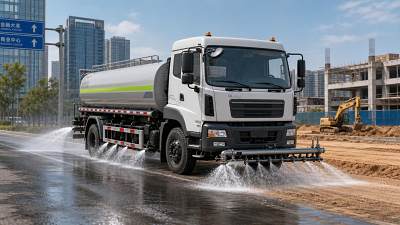
 FAQWater Sprinkler Truck Uses, Tank Sizes, and Road Safety BasicsWater sprinkler truck uses, tank sizes, and road safety basics explained. Learn how to choose the right capacity, improve dust control efficiency, and compare reliable fleet-ready options.
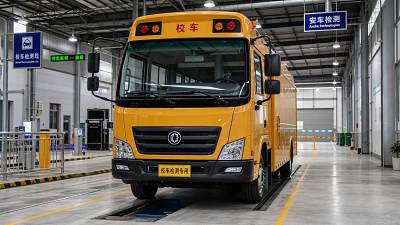
 FAQDelivery Truck for School Transportation: Safety Points Before OrderingDelivery truck supplier for school transportation: review key safety points before ordering, from braking and visibility to compliance and passenger protection.
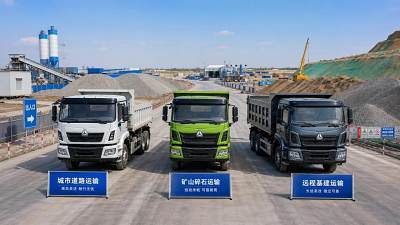
 FAQDump Truck Sourcing Mistakes That Delay Construction ProjectsDump truck sourcing mistakes can delay construction projects, raise hidden costs, and disrupt site schedules. Learn the key risks to avoid and source smarter for faster, more reliable project delivery.
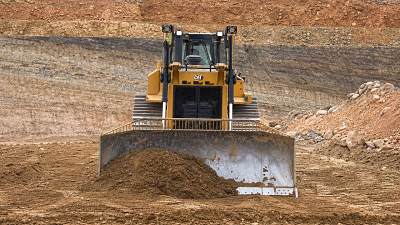
 FAQIs a Bulldozer for Construction the Right Fit for Your Site ConditionsBulldozer for construction: learn how terrain, soil, slope, and job size determine the right machine fit. Compare site conditions, avoid costly mismatches, and choose with confidence.
 FAQDump Truck OEM Quality Control Points Before Factory AcceptanceDump truck OEM quality control points before factory acceptance: learn the key checks for welding, hydraulics, brakes, and safety to reduce risk, avoid failures, and choose reliable suppliers.
 FAQTruck Trailer Bulk Order: How to Avoid Spec Drift Across BatchesTruck trailer bulk order quality can fail when specs drift across batches. Learn how to lock standards, align suppliers, and protect safety, compliance, and delivery consistency.
 FAQWhat a Dump Truck Distributor Should Offer After Vehicle DeliveryDump truck distributor support matters after delivery. Learn what to expect in spare parts, warranty, training, and technical service to reduce downtime and protect your investment.
 FAQHow to Vet a Truck Cement Distributor for Stable After-Sales SupportTruck cement distributor selection starts with after-sales strength. Learn how to vet parts support, technical response, and warranty handling to reduce downtime and choose a reliable partner.
 FAQHeavy Truck Chassis Manufacturer With R&D Capability: Questions Worth Asking FirstHeavy truck chassis manufacturer with R&D capability: discover the key procurement questions to assess customization, compliance, durability, and long-term supply before you buy.
 FAQHow to Read a Water Truck Quotation Without Missing Hidden CostsWater truck quotation guide: learn how to spot hidden costs in specs, logistics, compliance, and after-sales terms so you can compare offers accurately and buy with confidence.
 FAQHow to Read a Water Truck Quotation Before You SignWater truck quotation review guide: learn how to check specs, pricing, delivery terms, and warranty details before signing to reduce risk and secure better value.
 FAQSemi Trailer Bulk Order Terms That Can Hurt You After DeliverySemi trailer bulk order risks often appear after delivery. Learn which warranty, inspection, spare parts, and payment terms can raise costs, delay operations, and weaken your claims.
 FAQSemi Trailer OEM or ODM? A Practical Guide for Custom OrdersSemi trailer OEM or ODM? Learn how to compare cost, lead time, compliance, and customization to choose the right semi trailer OEM strategy for smarter custom orders.
 FAQSemi Trailer Bulk Order Checklist Before You Confirm Production SlotsSemi trailer bulk order buyers: use this pre-production checklist to lock specs, lead times, compliance, and payment terms before confirming factory slots with confidence.
 FAQTruck Cement Supplier FAQ: Delivery, Capacity, and After-SalesTruck cement supplier FAQ covering delivery lead times, transport capacity, fleet options, and after-sales support to help buyers compare suppliers and source with confidence.
 FAQDump Truck Supplier with Quick Delivery: How to Avoid Delays After SigningDump truck supplier with quick delivery: learn how to verify production, parts, logistics, and documents before signing to avoid costly delays and choose a reliable partner faster.
 FAQTruck Trailer Bulk Order: 7 Details That Prevent Spec DisputesTruck trailer bulk order success starts with clear specs. Discover 7 critical details that reduce disputes, protect compliance, and improve trailer purchasing decisions.
 FAQTruck Tipper Sourcing Mistakes That Lead to Delays and ReworkTruck tipper sourcing mistakes can trigger delays, fitment issues, and costly rework. Learn how to avoid spec gaps, compare suppliers smarter, and choose the right tipper for every job.
 FAQAre Fireproof Semi Trailers Necessary for Sensitive FreightSemi trailer manufacturer with fireproof materials: learn when fireproof semi trailers are essential for sensitive freight, how to reduce risk, and what buyers should verify before sourcing.
 FAQQuick Delivery Dump Truck Supply: When Speed Becomes a RiskChoosing a dump truck supplier with quick delivery? Learn how to balance speed, quality, compliance, and after-sales support to avoid costly downtime and project risk.
 FAQEXCAVATOR for Demolition: Common Attachment Mistakes to AvoidEXCAVATOR for demolition attachment mistakes can drive wear, downtime, and repair costs. Learn how to match tools correctly, protect hydraulics, and improve fleet uptime.
 FAQExcavator for Construction: Is Size or Reach the Bigger Limit?Excavator for construction: learn whether size or reach limits your job first. Compare excavator for sale and excavator rental options to improve productivity, access, and total cost.
 FAQWhat repeated fuse failures say about a truck electrical systemTruck electrical system fuse failures often reveal faults in the truck control unit, truck fuel system, or truck cooling system. Learn how to assess risk, uptime, and parts quality before buying.
 FAQTruck cooling system pressure loss: fix radiator or thermostat?Truck cooling system pressure loss: fix radiator or thermostat? Learn how truck pump, truck electrical system, truck fuel system, and truck exhaust system checks help buyers cut downtime.
 FAQWhat causes early failure in a truck pump system?Truck pump failures often start with issues in the truck fuel system, truck cooling system, or truck electrical system. Learn key causes, buyer checks, and sourcing tips for bulk cement tanker and water sprinkler truck fleets.