EXCAVATOR for Demolition: Common Attachment Mistakes to Avoid
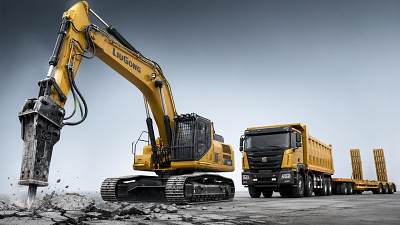
Using an EXCAVATOR for demolition can greatly improve jobsite efficiency, but the wrong attachment choice often leads to faster wear, lower productivity, and costly maintenance issues. For aftermarket maintenance professionals, understanding these common attachment mistakes is essential to extending equipment life, improving safety, and helping operators get the best performance from every demolition project.
In demolition fleets that support road construction, municipal engineering, quarry access, industrial yard redevelopment, and logistics infrastructure, the excavator is rarely working alone. It must coordinate with heavy trucks, trailers, loaders, and transport schedules. When an attachment is mismatched to machine weight, hydraulic flow, or material type, the result is not only poor breaking performance but also unplanned downtime that disrupts the wider land transport equipment chain.
For aftermarket maintenance teams, the priority is practical: reduce premature pin wear, protect hydraulic circuits, lower fuel waste, and help procurement teams choose attachments that can survive 2,000-4,000 operating hours under real demolition conditions. This guide explains the most common attachment mistakes to avoid when using an EXCAVATOR for demolition and offers maintenance-focused selection advice for B2B equipment buyers and service professionals.
Why Attachment Selection Matters in Demolition Operations
An EXCAVATOR for demolition is expected to handle highly variable loads. One week it may break reinforced concrete in a factory yard, and the next it may sort scrap metal or remove bridge deck sections. Because demolition materials differ in density, rebound force, and contamination level, a single attachment is rarely efficient across all tasks. Maintenance teams that treat attachments as interchangeable often see higher failure rates within 6-12 months.
The financial impact is larger than the attachment itself. A breaker that is 15%-25% too heavy for the carrier can accelerate boom-end bushing wear, increase track frame stress, and create instability during rotation or transport loading. On road-linked projects where excavators must be moved by low-bed trailers between sites every 3-7 days, extra structural stress also increases inspection and service demands.
In many B2B procurement environments, the wrong choice happens because buyers focus on purchase price instead of the full operating package. Hydraulic flow range, operating pressure, quick coupler compatibility, transport limits, spare parts availability, and service intervals all affect the real cost per hour. For aftermarket professionals, these are the variables that decide whether an attachment supports uptime or becomes a recurring service problem.
The Most Affected Components
When an EXCAVATOR for demolition uses the wrong tool, the first damage often appears in wear interfaces rather than in the attachment body. Pins, bushings, mounting brackets, hose clamps, and quick coupler locking points usually show early signs within the first 200-500 hours. If these warning signals are missed, damage can progress into the stick, boom foot, or auxiliary hydraulic circuit.
- Hydraulic hoses exposed to abrasion, over-bending, or pressure spikes during high-impact work
- Bucket linkage and coupler pins suffering misalignment because the attachment geometry is incorrect
- Cylinder seals and fittings seeing contamination when attachment changes are done too quickly
- Undercarriage components wearing faster when oversized tools force unstable operating positions
These issues directly matter to land transport equipment operations because site delays affect hauling schedules, rubble loading cycles, and trailer utilization. A demolition excavator that loses 8-10 productive hours in one week can delay truck dispatch, increase idle time for support vehicles, and raise project logistics costs.
Common Attachment Mistakes That Increase Wear and Downtime
The most frequent mistake is selecting an attachment by carrier tonnage alone. Two excavators in the 20-22 ton class may have different auxiliary flow rates, arm configurations, and lifting capacities. A hydraulic breaker or pulverizer that fits one machine may overload the other. For an EXCAVATOR for demolition, proper matching must include at least 4 checks: operating weight, hydraulic flow, hydraulic pressure, and attachment center of gravity.
A second mistake is using one attachment for multiple demolition phases without considering duty cycle. Breakers are designed for impact. Pulverizers are designed for crushing and separation. Sorting grapples are built for handling and loading. When operators use a grapple to pry embedded concrete or use a breaker to drag material sideways, service teams later face twisted mounts, hose damage, and abnormal heat buildup.
A third mistake is overlooking coupler and adapter tolerances. Even a 3-5 mm fit issue at the mounting point can create repetitive shock loading. Over hundreds of cycles per shift, that small looseness becomes a major maintenance issue. In fleets where the excavator changes tools 2-4 times per day, tolerance control is not optional; it is a wear management strategy.
Typical Mistakes and Their Maintenance Consequences
The table below summarizes frequent errors seen when configuring an EXCAVATOR for demolition and the kind of service issues they often create in heavy equipment fleets.
The key conclusion is that most failures are predictable. They begin with mismatch, misuse, or poor interface control rather than sudden random breakdown. That is why maintenance teams should participate earlier in attachment selection, not only after failure occurs.
Operational Warning Signs to Track
- Pin play increasing visibly within 100-200 hours after installation
- Hydraulic oil temperature rising above the machine’s normal working band during repetitive breaking
- Hairline cracks around mounting ears, coupler plates, or weld transitions
- Unusual operator complaints about bounce, delayed response, or unstable lifting angles
If two or more of these symptoms appear together, the attachment should be inspected immediately. Waiting until the next planned service interval can turn a low-cost adjustment into a major repair event.
How to Match the Right Attachment to the Excavator and Job
Choosing the right EXCAVATOR for demolition attachment starts with application mapping. Maintenance and procurement teams should classify the work into at least 3 categories: primary demolition, secondary breaking, and material handling. Each category places different demands on impact force, rotation, jaw opening, cycle speed, and structural durability. A city redevelopment project may need two attachments in one week, while a concrete recycling yard may need three in one day.
Carrier specifications should then be compared against attachment requirements. For example, many mid-size demolition excavators operate with auxiliary flow bands such as 120-180 L/min or 180-250 L/min, depending on machine size and circuit setup. An attachment that requires more than the available range will underperform or overheat. One that requires significantly less flow may cycle poorly and waste fuel.
Transport and site access also matter. In land transport equipment operations, attachment size influences trailer loading, axle distribution, and mobilization time. If a demolition contractor moves machines between urban sites, reducing attachment swap time from 45 minutes to 20 minutes can improve weekly utilization and lower truck waiting time.
Selection Priorities for Aftermarket Teams
- Verify the attachment’s recommended carrier weight range rather than relying on approximate machine class.
- Check auxiliary hydraulic flow and pressure requirements against actual machine settings, not brochure values alone.
- Confirm coupler compatibility, pin diameter, center distance, and adapter plate quality before delivery.
- Review spare parts lead time; common wear parts should ideally be available within 7-15 days for active fleets.
- Assess whether the attachment will be used in high-dust, high-rebar, or high-impact environments, which often shorten service intervals by 20%-30%.
The next table provides a practical comparison of common demolition attachments and the service considerations that matter most to maintenance personnel.
For most contractors, no single tool is ideal for every phase. A smarter approach is to define the main revenue task first, then choose 1 primary attachment and 1 supporting attachment. That reduces misuse and helps service teams standardize spare parts planning.
Maintenance Practices That Prevent Attachment-Related Failures
Once the attachment is selected, daily and weekly service routines determine whether the EXCAVATOR for demolition performs reliably. A large share of field failures can be reduced with simple inspection discipline. In high-impact demolition work, visual checks at the start and end of each shift are more effective than relying only on longer service intervals such as every 250 or 500 hours.
Maintenance personnel should document wear progression by component, not just by machine. Tracking one breaker tool, one coupler, or one pulverizer set across multiple sites reveals patterns that general fleet reports often miss. If a hose guard consistently fails after 180-220 hours in one application, routing or attachment posture may be the real issue, not the hose specification alone.
Clean hydraulic connection practices are equally important. Every attachment change introduces contamination risk. Fine particles entering quick couplers or auxiliary lines can shorten seal life and create valve sticking. In demolition environments with concrete dust and metal particles, even small contamination events may lead to repeated service calls over the next few weeks.
Recommended Inspection Routine
- Before operation: inspect pins, retaining clips, hose abrasion points, coupler lock position, and visible weld areas.
- After the first 1-2 hours: recheck for looseness, unusual heat, oil seepage, or mounting movement under load.
- At shift end: remove debris buildup, inspect tool wear, and record any vibration or response changes reported by the operator.
- Every 250 hours or site change: measure pin and bushing play, inspect coupler tolerances, and review hydraulic pressure settings.
A maintenance process like this is especially useful for mixed fleets connected to transport operations. Excavators loading demolition debris into tipper trucks or feeding concrete crushers often run under tighter production windows than stand-alone machines. Preventive checks protect both the excavator and the downstream hauling schedule.
Parts Planning and Service Readiness
Aftermarket teams should identify fast-moving wear items in advance. For active demolition fleets, it is practical to keep at least 1 set of critical pins and bushings, hose assemblies for the most-used attachment, seal kits for high-use cylinders, and coupler locking wear parts. Where cross-border sourcing is involved, realistic replenishment lead times may range from 2-4 weeks depending on origin and customs handling.
Using a specialized B2B industry platform can simplify this process. Buyers can compare attachment suppliers, spare parts support, and technical compatibility across multiple manufacturers. For companies in heavy truck and equipment logistics, that visibility helps coordinate product sourcing with transport planning, reducing the risk of machines waiting on parts while trailers and drivers remain underutilized.
Procurement, Supplier Evaluation, and Field Support Considerations
Attachment performance depends not only on design but also on supplier support. For an EXCAVATOR for demolition, aftermarket buyers should evaluate whether the supplier can provide dimensional drawings, hydraulic requirement data, wear part references, and operating recommendations before purchase. A low purchase price has limited value if replacement parts take 30-45 days to arrive during a high-demand project period.
This is where a global B2B sourcing environment becomes useful. On a professional heavy truck and heavy equipment platform, maintenance managers and procurement teams can review multiple supply options in one place, compare categories such as construction machinery and spare parts, and identify partners able to support demolition fleets operating across logistics yards, infrastructure projects, mining roads, and municipal work zones.
For field support, ask practical questions. Can the supplier provide wear part kits? Do they offer technical response within 24-72 hours? Can they confirm coupler fitment details before shipment? Are service manuals and parts diagrams available in a language the workshop team can use? These details directly influence uptime after delivery.
Supplier Screening Checklist
- Technical documentation includes carrier range, pressure, flow, and mounting dimensions.
- Spare parts list covers standard wear items and estimated replacement cycles.
- Packaging and transport suitability support long-distance shipping by road and intermodal routes.
- After-sales communication process is clear, including response time and claim handling steps.
- Product range allows expansion from one attachment to related tools as fleet needs grow.
For companies managing both demolition equipment and transport assets, integrated sourcing creates a practical advantage. Instead of treating excavators, attachments, trailers, and spare parts as separate purchasing silos, buyers can align machine uptime with freight efficiency and project timelines. That approach reduces total operational friction and supports more predictable project delivery.
FAQ for Maintenance and Procurement Teams
How often should attachment mounting points be inspected?
For high-impact demolition work, a quick visual inspection should be done every shift, with a more detailed measurement check every 250 hours or sooner if the machine changes sites frequently. If the attachment is used for breaking reinforced concrete daily, inspection frequency may need to increase.
What is the biggest mistake when buying an attachment for demolition?
The biggest mistake is matching by excavator tonnage alone. Hydraulic flow, pressure, coupler fit, and real task type are equally important. Ignoring those factors often leads to overheating, unstable handling, and premature structural wear.
Is one attachment enough for most demolition fleets?
Usually no. Many fleets benefit from at least 2 complementary tools, such as a breaker for primary demolition and a grapple or pulverizer for sorting and secondary processing. This reduces misuse and improves both maintenance control and production speed.
What delivery factors should international buyers consider?
International buyers should review packaging, shipping dimensions, customs documents, replacement part lead times, and local service capability. For urgent wear parts, a 7-15 day supply window is often far safer than depending on a 30-day or longer replenishment cycle.
Avoiding attachment mistakes when using an EXCAVATOR for demolition is not only a technical issue; it is a fleet efficiency decision. Correct matching, disciplined inspection, better supplier evaluation, and realistic spare parts planning can reduce wear, stabilize uptime, and support smoother coordination with trucks, trailers, and other land transport equipment in demanding project environments.
For aftermarket maintenance professionals, the best results come from combining field service knowledge with stronger sourcing visibility. If you are comparing demolition attachments, spare parts, or supplier capabilities across global markets, use a specialized industry platform to review options, validate compatibility, and build a more reliable support chain.
To explore more heavy equipment solutions, compare qualified suppliers, or get support for your next demolition equipment sourcing plan, contact us today, request a customized solution, or learn more about available products and aftermarket service resources.
Trending News
- Cab Chassis Truck for Fire Department: Key Specs Before Ordering
- When to Use an Excavator With Long Reach Boom on Site
- Choosing a Water Truck Factory for Municipal and Mining Projects
- Truck Parts Wholesale: How to Balance Price, Quality, and Lead Time
- Crane Truck Price in 2026: What Drives Total Ownership Cost
Tag
Recommended News
 FAQDelivery Truck Supplier for School Transportation: Safety ChecklistDelivery truck supplier for school transportation: use this safety checklist to compare compliance, braking, visibility, build quality, and supplier reliability before you buy.
 FAQHow ISO Certification Reduces Sourcing Risk in Truck Chassis SupplyHeavy truck chassis manufacturer with ISO certification: discover how certified suppliers reduce sourcing risk, improve traceability, and support safer global truck chassis procurement.
 FAQWater Sprinkler Truck Uses, Tank Sizes, and Road Safety BasicsWater sprinkler truck uses, tank sizes, and road safety basics explained. Learn how to choose the right capacity, improve dust control efficiency, and compare reliable fleet-ready options.
 FAQDelivery Truck for School Transportation: Safety Points Before OrderingDelivery truck supplier for school transportation: review key safety points before ordering, from braking and visibility to compliance and passenger protection.
 FAQDump Truck Sourcing Mistakes That Delay Construction ProjectsDump truck sourcing mistakes can delay construction projects, raise hidden costs, and disrupt site schedules. Learn the key risks to avoid and source smarter for faster, more reliable project delivery.
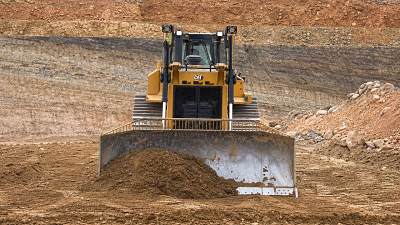
 FAQIs a Bulldozer for Construction the Right Fit for Your Site ConditionsBulldozer for construction: learn how terrain, soil, slope, and job size determine the right machine fit. Compare site conditions, avoid costly mismatches, and choose with confidence.
 FAQDump Truck OEM Quality Control Points Before Factory AcceptanceDump truck OEM quality control points before factory acceptance: learn the key checks for welding, hydraulics, brakes, and safety to reduce risk, avoid failures, and choose reliable suppliers.
 FAQTruck Trailer Bulk Order: How to Avoid Spec Drift Across BatchesTruck trailer bulk order quality can fail when specs drift across batches. Learn how to lock standards, align suppliers, and protect safety, compliance, and delivery consistency.
 FAQWhat a Dump Truck Distributor Should Offer After Vehicle DeliveryDump truck distributor support matters after delivery. Learn what to expect in spare parts, warranty, training, and technical service to reduce downtime and protect your investment.
 FAQHow to Vet a Truck Cement Distributor for Stable After-Sales SupportTruck cement distributor selection starts with after-sales strength. Learn how to vet parts support, technical response, and warranty handling to reduce downtime and choose a reliable partner.
 FAQHeavy Truck Chassis Manufacturer With R&D Capability: Questions Worth Asking FirstHeavy truck chassis manufacturer with R&D capability: discover the key procurement questions to assess customization, compliance, durability, and long-term supply before you buy.
 FAQHow to Read a Water Truck Quotation Without Missing Hidden CostsWater truck quotation guide: learn how to spot hidden costs in specs, logistics, compliance, and after-sales terms so you can compare offers accurately and buy with confidence.
 FAQHow to Read a Water Truck Quotation Before You SignWater truck quotation review guide: learn how to check specs, pricing, delivery terms, and warranty details before signing to reduce risk and secure better value.
 FAQSemi Trailer Bulk Order Terms That Can Hurt You After DeliverySemi trailer bulk order risks often appear after delivery. Learn which warranty, inspection, spare parts, and payment terms can raise costs, delay operations, and weaken your claims.
 FAQSemi Trailer OEM or ODM? A Practical Guide for Custom OrdersSemi trailer OEM or ODM? Learn how to compare cost, lead time, compliance, and customization to choose the right semi trailer OEM strategy for smarter custom orders.
 FAQSemi Trailer Bulk Order Checklist Before You Confirm Production SlotsSemi trailer bulk order buyers: use this pre-production checklist to lock specs, lead times, compliance, and payment terms before confirming factory slots with confidence.
 FAQTruck Cement Supplier FAQ: Delivery, Capacity, and After-SalesTruck cement supplier FAQ covering delivery lead times, transport capacity, fleet options, and after-sales support to help buyers compare suppliers and source with confidence.
 FAQDump Truck Supplier with Quick Delivery: How to Avoid Delays After SigningDump truck supplier with quick delivery: learn how to verify production, parts, logistics, and documents before signing to avoid costly delays and choose a reliable partner faster.
 FAQTruck Trailer Bulk Order: 7 Details That Prevent Spec DisputesTruck trailer bulk order success starts with clear specs. Discover 7 critical details that reduce disputes, protect compliance, and improve trailer purchasing decisions.
 FAQTruck Tipper Sourcing Mistakes That Lead to Delays and ReworkTruck tipper sourcing mistakes can trigger delays, fitment issues, and costly rework. Learn how to avoid spec gaps, compare suppliers smarter, and choose the right tipper for every job.
 FAQAre Fireproof Semi Trailers Necessary for Sensitive FreightSemi trailer manufacturer with fireproof materials: learn when fireproof semi trailers are essential for sensitive freight, how to reduce risk, and what buyers should verify before sourcing.
 FAQQuick Delivery Dump Truck Supply: When Speed Becomes a RiskChoosing a dump truck supplier with quick delivery? Learn how to balance speed, quality, compliance, and after-sales support to avoid costly downtime and project risk.
 FAQEXCAVATOR for Demolition: Common Attachment Mistakes to AvoidEXCAVATOR for demolition attachment mistakes can drive wear, downtime, and repair costs. Learn how to match tools correctly, protect hydraulics, and improve fleet uptime.
 FAQExcavator for Construction: Is Size or Reach the Bigger Limit?Excavator for construction: learn whether size or reach limits your job first. Compare excavator for sale and excavator rental options to improve productivity, access, and total cost.
 FAQWhat repeated fuse failures say about a truck electrical systemTruck electrical system fuse failures often reveal faults in the truck control unit, truck fuel system, or truck cooling system. Learn how to assess risk, uptime, and parts quality before buying.