Truck Cement Supplier FAQ: Delivery, Capacity, and After-Sales
Choosing the right truck cement supplier involves more than comparing prices. Buyers often need clear answers about delivery lead times, transport capacity, fleet options, and after-sales support before making a decision. This FAQ offers a practical overview of the key factors to evaluate, helping information researchers and global buyers identify reliable suppliers and make more confident sourcing choices.
Why supplier evaluation is changing in the truck cement transport market
The market around any truck cement supplier is changing faster than many buyers expect. Demand for bulk cement transport is being shaped by infrastructure projects, regional construction cycles, tighter road compliance, fuel cost pressure, and higher expectations for service transparency. As a result, buyers are no longer asking only, “Can this supplier deliver?” They are asking more strategic questions: “Can this supplier deliver consistently across changing routes, support different payload requirements, and respond quickly when operations are disrupted?”
This shift matters because cement transport sits at the intersection of logistics efficiency and project continuity. If delivery timing slips, construction schedules can slow down. If capacity is mismatched, freight costs rise. If after-sales support is weak, equipment downtime can interrupt an entire chain of activity. That is why the selection of a truck cement supplier is becoming a broader risk-assessment task, especially for international buyers sourcing trucks, transport units, or supplier partnerships through a B2B platform.
Key market signals buyers should watch before comparing suppliers
Several practical signals are influencing how buyers evaluate a truck cement supplier today. First, delivery reliability is becoming more important than nominal fleet size. A supplier may advertise many units, but buyers increasingly want proof of dispatch efficiency, route planning, and spare capacity during peak demand. Second, transport capacity is under more scrutiny because project planners want better alignment between shipment volume and site unloading capability. Third, after-sales service is moving from a secondary concern to a core decision factor, especially in cross-border procurement where maintenance response time can affect long-term operating value.
At the same time, digital sourcing behavior is changing. Information researchers often begin by comparing online catalogs, technical specifications, and brand visibility. However, the most reliable truck cement supplier is usually identified not only through product listings, but through evidence of operational discipline: support documentation, service coverage, fleet configuration clarity, and realistic lead-time communication.
A trend snapshot: what has changed in buyer priorities
FAQ: How should buyers judge delivery lead times now?
Lead time should be read as a reliability indicator, not just a calendar promise. A capable truck cement supplier should explain whether the quoted timing covers production, body assembly, documentation, inland transport, export handling, and final delivery coordination. Buyers should also ask what happens during peak seasons, spare parts shortages, or port congestion. The strongest suppliers usually provide a staged timeline rather than a single broad estimate.
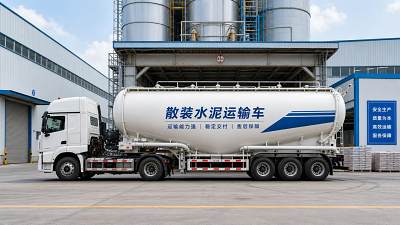
Another useful question is whether delivery time differs by truck configuration. Standard models may move faster, while specialized bulk cement tank trucks, high-capacity axle combinations, or market-specific compliance versions may require more preparation. In the current market, realistic lead-time communication is often a better signal of professionalism than an overly aggressive promise.
For information researchers, the trend to note is this: shorter lead time is valuable, but predictable lead time is often more important. Planning teams can work around a clear schedule. They struggle when a truck cement supplier cannot explain potential delays or recovery plans.
FAQ: What does transport capacity really mean beyond the specification sheet?
Capacity should never be judged only by advertised tank volume or gross payload. For a truck cement supplier, real-world transport capacity depends on road weight limits, axle distribution, route terrain, discharge method, and local operating rules. A truck that looks efficient on paper may be less practical if its legal payload is restricted in the target market or if unloading conditions at the destination are limited.
This is why buyers increasingly ask for application-matched recommendations. For example, long-distance infrastructure supply may require a different balance of tank size, fuel economy, and chassis durability than regional urban construction delivery. A reliable truck cement supplier should be able to discuss not only maximum carrying potential, but also cycle efficiency, maintenance intervals, and loading compatibility with common cement handling systems.
The broader trend is toward fit-for-purpose procurement. Buyers want fewer assumptions and more evidence that capacity aligns with the job environment.
FAQ: Why are fleet options becoming a bigger sourcing issue?
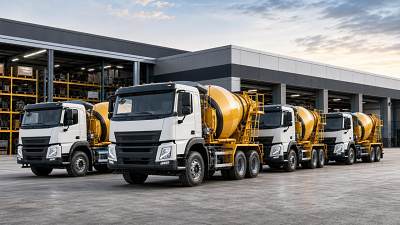
Fleet flexibility matters more because transport demand is becoming less uniform. Construction activity can shift between highways, industrial parks, mining-adjacent projects, and municipal developments. As a result, a truck cement supplier with multiple chassis options, tank configurations, and engine power levels is often better positioned to support varied regional needs.
Buyers should look for suppliers that can explain the logic behind model selection. Questions worth asking include whether the fleet supports different axle arrangements, how service access changes by configuration, and whether parts commonality is maintained across models. This matters because a diversified fleet can improve operational flexibility, but too much complexity can raise maintenance and training burdens.
The current market direction favors suppliers that offer practical customization without creating unnecessary operating risk. In other words, the best truck cement supplier is not always the one with the largest catalog, but the one with the clearest configuration strategy.
FAQ: How has after-sales support moved to the center of supplier selection?
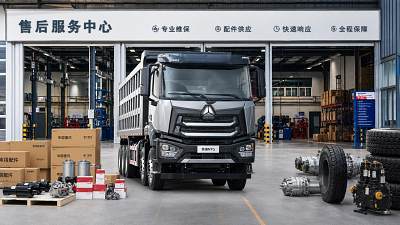
After-sales support is now a major differentiator because buyers are placing more emphasis on lifecycle performance. A truck cement supplier may offer competitive initial pricing, but if spare parts are slow to arrive or technical troubleshooting is weak, total operating cost can rise quickly. This is especially true for export buyers that need remote support, multilingual documentation, and reliable replacement-part coordination.
Good after-sales support usually includes several layers: warranty clarity, preventive maintenance guidance, access to wear parts, response procedures for urgent failures, and technical communication channels. Some suppliers also strengthen buyer confidence by providing commissioning guidance or training for operators and maintenance staff. These service elements are becoming more valuable as fleet uptime expectations increase.
The market signal is clear: buyers increasingly judge a truck cement supplier not by the sale alone, but by the supplier’s ability to keep vehicles productive over time.
What is driving these changes in supplier expectations?
Several forces are pushing the market in this direction. Infrastructure expansion in many regions is raising the need for dependable bulk material transport. At the same time, cost pressure is forcing transport operators and project owners to track utilization more closely. Compliance requirements, including emissions standards, axle load regulations, and safety expectations, are also influencing truck selection and supplier screening. In addition, digital sourcing platforms have made comparison easier, which means buyers can examine more suppliers but also need better criteria to separate marketing claims from operational capability.
Another important driver is service visibility. Buyers now expect faster communication, clearer quotations, and more transparent documentation. For a truck cement supplier, this means commercial responsiveness and technical support are becoming part of brand credibility.
Which market participants are most affected?
How should buyers respond to these trends?
A practical response is to evaluate each truck cement supplier through a wider decision lens. Start with delivery realism, then test technical fit, then confirm service depth. Buyers should request route-specific recommendations instead of generic proposals. They should also compare the supplier’s answers across several dimensions: capacity logic, operating assumptions, maintenance planning, and support structure after shipment.
It is also wise to document critical assumptions early. For instance, if payload expectations depend on local legal limits, that should be clarified before purchase. If after-sales support depends on a regional partner, buyers should ask who handles escalation and parts fulfillment. This kind of disciplined review helps information researchers move from broad market scanning to credible supplier shortlisting.
A checklist for stronger supplier judgment
When assessing a truck cement supplier in today’s market, buyers should focus on a few high-value judgment points:
- Can the supplier explain delivery timing by production stage and logistics stage?
- Is the proposed capacity suitable for the target route, regulation, and unloading environment?
- Do fleet options improve flexibility without making maintenance too complex?
- Is after-sales support structured, documented, and realistic for the buyer’s region?
- Does the supplier communicate with clarity, consistency, and technical confidence?
Final judgment: what information researchers should confirm next
The role of a truck cement supplier is evolving from simple product provider to operational partner. The most important change in the market is that buyers are judging reliability across the full chain: delivery, capacity fit, fleet adaptability, and after-sales continuity. This shift reflects broader trends in infrastructure development, cost control, and digital sourcing transparency.
If your business is still in the research stage, the next step is not just to collect more brochures. It is to compare how each truck cement supplier answers practical questions about timing, route suitability, service responsiveness, and long-term operating support. Those answers often reveal more than a specification sheet. For buyers using a global heavy truck B2B platform, this approach can help narrow the field to suppliers that are not only visible in the market, but truly prepared for real transport demands.
Trending News
- Truck Trailer Exporter Comparison: Pricing, Certification, and After-Sales
- Truck Cement Exporter Selection: Compliance Points for Cross-Border Deals
- Dump Truck Distributor Trends in 2026: Margin, Stock, and Service
- How a Truck Cement Manufacturer Ensures Consistent Load Quality
- Dump Truck Bulk Order Risks: What to Confirm Before Signing
Tag
Recommended News
 FAQHow to Qualify a Truck Tipper Supplier for Safety and Build ConsistencyTruck tipper supplier qualification starts with safety. Learn how to assess build consistency, hydraulic reliability, and factory controls to reduce sourcing risk.
 FAQHow to Read a Water Truck Quotation Without Missing Hidden CostsWater truck quotation guide: learn how to spot hidden costs in specs, freight, compliance, spare parts, and warranty so you can compare offers accurately and buy with confidence.
 FAQDelivery Truck Supplier for School Transportation: Safety ChecklistDelivery truck supplier for school transportation: use this safety checklist to compare compliance, braking, visibility, build quality, and supplier reliability before you buy.
 FAQHow ISO Certification Reduces Sourcing Risk in Truck Chassis SupplyHeavy truck chassis manufacturer with ISO certification: discover how certified suppliers reduce sourcing risk, improve traceability, and support safer global truck chassis procurement.
 FAQWater Sprinkler Truck Uses, Tank Sizes, and Road Safety BasicsWater sprinkler truck uses, tank sizes, and road safety basics explained. Learn how to choose the right capacity, improve dust control efficiency, and compare reliable fleet-ready options.
 FAQDelivery Truck for School Transportation: Safety Points Before OrderingDelivery truck supplier for school transportation: review key safety points before ordering, from braking and visibility to compliance and passenger protection.
 FAQDump Truck Sourcing Mistakes That Delay Construction ProjectsDump truck sourcing mistakes can delay construction projects, raise hidden costs, and disrupt site schedules. Learn the key risks to avoid and source smarter for faster, more reliable project delivery.
 FAQIs a Bulldozer for Construction the Right Fit for Your Site ConditionsBulldozer for construction: learn how terrain, soil, slope, and job size determine the right machine fit. Compare site conditions, avoid costly mismatches, and choose with confidence.
 FAQDump Truck OEM Quality Control Points Before Factory AcceptanceDump truck OEM quality control points before factory acceptance: learn the key checks for welding, hydraulics, brakes, and safety to reduce risk, avoid failures, and choose reliable suppliers.
 FAQTruck Trailer Bulk Order: How to Avoid Spec Drift Across BatchesTruck trailer bulk order quality can fail when specs drift across batches. Learn how to lock standards, align suppliers, and protect safety, compliance, and delivery consistency.
 FAQWhat a Dump Truck Distributor Should Offer After Vehicle DeliveryDump truck distributor support matters after delivery. Learn what to expect in spare parts, warranty, training, and technical service to reduce downtime and protect your investment.
 FAQHow to Vet a Truck Cement Distributor for Stable After-Sales SupportTruck cement distributor selection starts with after-sales strength. Learn how to vet parts support, technical response, and warranty handling to reduce downtime and choose a reliable partner.
 FAQHeavy Truck Chassis Manufacturer With R&D Capability: Questions Worth Asking FirstHeavy truck chassis manufacturer with R&D capability: discover the key procurement questions to assess customization, compliance, durability, and long-term supply before you buy.
 FAQHow to Read a Water Truck Quotation Without Missing Hidden CostsWater truck quotation guide: learn how to spot hidden costs in specs, logistics, compliance, and after-sales terms so you can compare offers accurately and buy with confidence.
 FAQHow to Read a Water Truck Quotation Before You SignWater truck quotation review guide: learn how to check specs, pricing, delivery terms, and warranty details before signing to reduce risk and secure better value.
 FAQSemi Trailer Bulk Order Terms That Can Hurt You After DeliverySemi trailer bulk order risks often appear after delivery. Learn which warranty, inspection, spare parts, and payment terms can raise costs, delay operations, and weaken your claims.
 FAQSemi Trailer OEM or ODM? A Practical Guide for Custom OrdersSemi trailer OEM or ODM? Learn how to compare cost, lead time, compliance, and customization to choose the right semi trailer OEM strategy for smarter custom orders.
 FAQSemi Trailer Bulk Order Checklist Before You Confirm Production SlotsSemi trailer bulk order buyers: use this pre-production checklist to lock specs, lead times, compliance, and payment terms before confirming factory slots with confidence.
 FAQTruck Cement Supplier FAQ: Delivery, Capacity, and After-SalesTruck cement supplier FAQ covering delivery lead times, transport capacity, fleet options, and after-sales support to help buyers compare suppliers and source with confidence.
 FAQDump Truck Supplier with Quick Delivery: How to Avoid Delays After SigningDump truck supplier with quick delivery: learn how to verify production, parts, logistics, and documents before signing to avoid costly delays and choose a reliable partner faster.
 FAQTruck Trailer Bulk Order: 7 Details That Prevent Spec DisputesTruck trailer bulk order success starts with clear specs. Discover 7 critical details that reduce disputes, protect compliance, and improve trailer purchasing decisions.
 FAQTruck Tipper Sourcing Mistakes That Lead to Delays and ReworkTruck tipper sourcing mistakes can trigger delays, fitment issues, and costly rework. Learn how to avoid spec gaps, compare suppliers smarter, and choose the right tipper for every job.
 FAQAre Fireproof Semi Trailers Necessary for Sensitive FreightSemi trailer manufacturer with fireproof materials: learn when fireproof semi trailers are essential for sensitive freight, how to reduce risk, and what buyers should verify before sourcing.
 FAQQuick Delivery Dump Truck Supply: When Speed Becomes a RiskChoosing a dump truck supplier with quick delivery? Learn how to balance speed, quality, compliance, and after-sales support to avoid costly downtime and project risk.
 FAQEXCAVATOR for Demolition: Common Attachment Mistakes to AvoidEXCAVATOR for demolition attachment mistakes can drive wear, downtime, and repair costs. Learn how to match tools correctly, protect hydraulics, and improve fleet uptime.