Truck Trailer Bulk Order: 7 Details That Prevent Spec Disputes
In any truck trailer bulk order, unclear specifications can quickly lead to quality disputes, safety risks, and costly delivery delays. For quality control and safety managers, aligning technical details before production is essential to protect compliance, performance, and procurement efficiency. This article highlights seven specification points that help buyers and suppliers avoid misunderstandings and build smoother, more reliable trailer purchasing decisions.
Why specification disputes change from minor issues to major risks in different operating scenarios
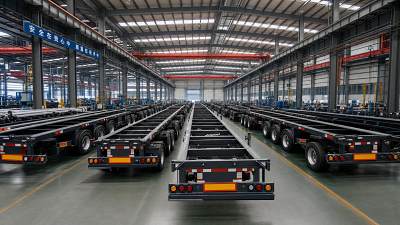
A truck trailer bulk order is rarely used in a single, simple environment. One fleet may transport steel coils on highways, another may support mining roads, and a third may serve cross-border container logistics where axle rules, lighting standards, and loading patterns differ by country. For quality control teams, that means the same trailer drawing can produce very different field results depending on route conditions, cargo type, and compliance expectations.
This is why bulk purchasing disputes usually do not begin with obvious defects. They start with phrases such as “standard suspension,” “heavy-duty floor,” or “export configuration” that sound clear in negotiation but remain vague in production. Safety managers then face the downstream consequences: overloaded axles, unstable braking behavior, poor cargo restraint, mismatched kingpin height, or faster-than-expected structural fatigue.
In practice, the right truck trailer bulk order process should connect scenario, duty cycle, safety margin, and inspection criteria before the first unit is welded. The seven details below matter most because they directly affect whether a trailer is truly fit for its intended application.
Common application scenarios and why they require different trailer specifications
Before discussing technical points, procurement and QC teams should classify use cases. A trailer built for regional pallet logistics should not be specified the same way as one intended for quarry aggregates or port container shuttle work. The table below shows how scenario differences change specification priorities in a truck trailer bulk order.
The 7 specification details that prevent disputes in a truck trailer bulk order
1. Rated payload must match the real cargo profile, not only the marketing figure
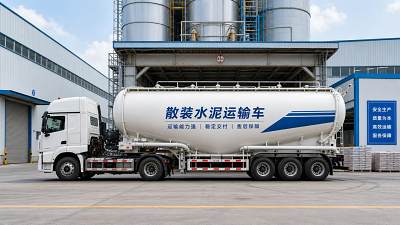
In many trailer negotiations, rated load is discussed as a single number. That is not enough. QC managers should ask what cargo is being transported, how dense it is, and where its center of gravity typically sits. Bulk cement, rebar bundles, excavator attachments, and palletized FMCG loads stress the trailer differently even at similar gross weights.
For a truck trailer bulk order, payload should be specified together with cargo distribution assumptions, permissible axle loads, tare weight tolerance, and expected loading method. In heavy-duty scenarios, the dispute is often not that the trailer “cannot carry” the load, but that fatigue appears too early because the load concentration was never clarified.
2. Frame and steel specification should be defined by road severity and duty cycle
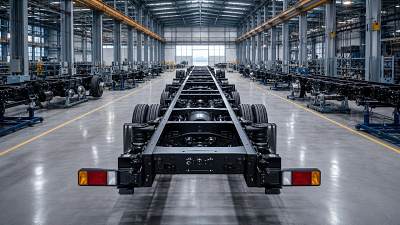
A highway fleet and a mining contractor may both request a flatbed or dump semi-trailer, but the frame requirement is not the same. Buyers should define main beam dimensions, web and flange thickness, cross-member spacing, reinforcement zones, welding method, and steel grade. General words such as “high-strength steel” create room for interpretation and later disagreement.
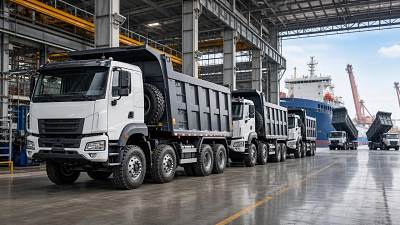
This point becomes critical in construction and off-road applications. If a supplier designs to legal payload only, but the actual route includes potholes, uneven ramps, or repeated torsion, structural stress rises sharply. Safety managers should therefore link frame specs to road category, average trip length, impact frequency, and overload policy.
3. Axle, suspension, and tire combinations must be locked as a system
One of the most frequent truck trailer bulk order failures is approving axle capacity without reviewing the full running gear package. Axle brand, rated capacity, suspension type, equalizer design, tire size, rim specification, and hub configuration should be approved together. Otherwise, buyers may receive a trailer that meets the quoted axle number but underperforms in tire wear, ride stability, or maintenance life.
Scenario differences matter here. Highway fleets often prioritize fuel efficiency and tire life, making suspension alignment and rolling resistance important. Rough-road applications need stronger springs or durable bogie arrangements. Port operations may value uptime and ease of maintenance more than weight savings. QC teams should include acceptance criteria such as brand list, serial traceability, and replacement compatibility.
4. Brake and electrical systems must reflect legal markets and safety expectations
For cross-border or export fleets, braking and electrical details often create costly compliance disputes. It is not enough to state “air brake system installed.” Buyers should define valve configuration, ABS or EBS requirement, chamber size, emergency line logic, connector standard, lamp voltage, reflector position, and waterproofing level.
In a truck trailer bulk order for municipal logistics or regulated highway fleets, these details are essential for registration and roadworthiness inspection. In dusty construction environments, cable routing and connector protection become equally important. A trailer may look acceptable visually yet still fail local inspections because the brake response or lighting arrangement does not match the destination standard.
5. Dimensions and interface points should be verified against tractors, loading docks, and route limits
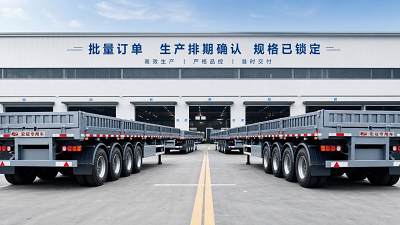
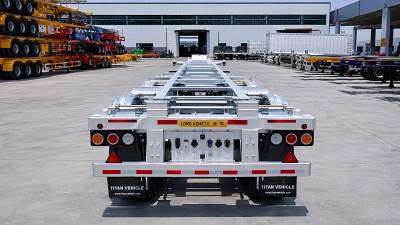
Trailer dimensions are not just a brochure item. They affect loading efficiency, tractor compatibility, turning radius, ramp clearance, and legal operation. In container and logistics scenarios, buyers should confirm overall length, deck height, kingpin position, kingpin size, landing gear position, rear overhang, axle spacing, and docking compatibility.
A common mistake in truck trailer bulk order planning is to approve drawings based on domestic use assumptions while the actual fleet uses different tractor fifth-wheel heights or route restrictions. For safety managers, interface mismatch is more than an inconvenience. It can increase rollover risk, overload a tractor axle, or create unsafe coupling angles during uneven yard operations.
6. Cargo securing and body details should match loading behavior, not only trailer type
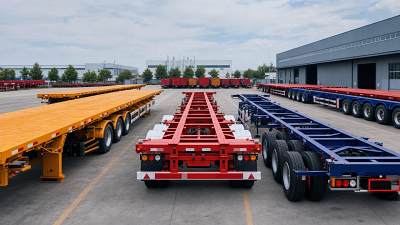
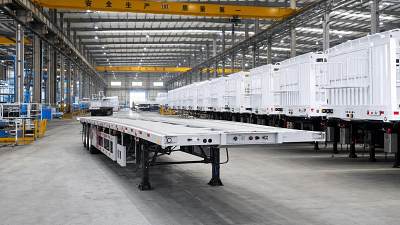
Two flatbeds can look similar yet be completely different in safe operation because one has the right lashing points, side protection, floor material, stake pockets, and headboard design while the other does not. For bulk orders, quality teams should define the quantity, location, and load rating of tie-down points, as well as side wall thickness, floor plate specification, anti-slip needs, and cargo stop features.
This is especially important when the same fleet carries mixed goods. Steel coils, bagged materials, construction equipment, and timber each require different restraint logic. When these details are not written into the truck trailer bulk order, suppliers may deliver a body structure that is technically complete but operationally unsafe.
7. Inspection criteria, documentation, and change control must be agreed before production starts
Even an accurate specification can fail if there is no agreed inspection method. Buyers should define material certificates, weld inspection points, paint thickness range, dimensional tolerance, road test requirements, pre-shipment checklist, and nonconformance handling. For a truck trailer bulk order, sample approval should be linked to mass production consistency, not treated as a one-time visual check.
Change control is equally important. If a component substitution occurs because of supply shortages, QC and safety teams should require written approval, updated drawings, and traceable records. Many disputes arise not from the original quotation, but from undocumented mid-project changes that alter performance or compliance.
How specification priorities shift by scenario
The same seven details do not carry equal weight in every case. The table below helps quality and safety managers adjust review emphasis based on actual use.
Common misjudgments in truck trailer bulk order projects
The first misjudgment is assuming that a supplier’s “standard export model” fits every target market. In reality, axle spacing, side underrun protection, reflective markings, and brake system expectations vary widely.
The second is focusing on unit price while underestimating lifetime safety cost. A lower-cost running gear package may increase downtime, tire replacement frequency, and accident exposure, especially in high-cycle operations.
The third is approving a sample unit without establishing batch consistency rules. In a truck trailer bulk order, the tenth or fiftieth trailer can differ from the first if incoming materials, outsourced parts, or weld execution are not tightly controlled.
The fourth is separating procurement from operations. Drivers, maintenance leads, and loading supervisors often know where practical failures happen first. Their input can reveal scenario-specific issues that are easy to miss in office-based document review.
A practical specification checklist for QC and safety managers
To reduce risk, each truck trailer bulk order should move through a structured pre-production check. The most effective checklist usually includes these actions:
- Define the operating scenario, route quality, legal market, and cargo type in one written requirement sheet.
- Freeze critical dimensions and all tractor-trailer interface points using approved drawings.
- List approved brands or technical equivalents for axles, suspension, tires, valves, lamps, and landing gear.
- Set measurable tolerances for weight, paint, weld appearance, and key structural dimensions.
- Require sample inspection records and define how mass production will be audited.
- Create a formal approval path for engineering changes, substitutions, and shipment release.
FAQ for scenario-based bulk trailer procurement
How can buyers judge whether one specification can cover multiple uses?
If the fleet handles very different cargos or road conditions, one generic configuration is risky. Buyers should identify the harshest realistic operating scenario and confirm whether the chosen trailer can handle it without creating unnecessary tare weight or compliance penalties in lighter-duty work.
What is the minimum documentation needed in a truck trailer bulk order?
At minimum, buyers should secure approved drawings, component lists, technical specifications, inspection standards, certification requirements, and a change-control procedure. Without these documents, dispute resolution becomes subjective.
Which detail is most often underestimated by safety managers?
Cargo securing details are commonly underestimated. Even when frame strength and axle ratings are correct, poor lashing design or inadequate restraint points can turn a compliant trailer into a real operational hazard.
Final takeaway: match the specification to the job, then lock the evidence
A successful truck trailer bulk order is not built on broad descriptions or assumptions. It is built on scenario-based clarity. Quality control and safety managers should start from actual operating conditions, translate them into seven critical specification details, and ensure every requirement is visible in drawings, component approvals, and inspection documents.
For organizations sourcing through a global B2B channel, this approach also makes supplier comparison far more meaningful. Instead of comparing price alone, buyers can compare how well each supplier addresses highway logistics, construction use, port transport, or heavy industrial applications. The more precisely the use scenario is defined, the lower the risk of post-delivery disputes.
If your team is preparing a truck trailer bulk order, the next best step is to organize your project by application scenario, list the non-negotiable technical points, and confirm inspection evidence before production begins. That process saves time, protects safety, and leads to more reliable trailer procurement results.
Trending News
- Logging Truck Price in 2026: What Affects Total Ownership Cost?
- Crane Truck Cost Breakdown: Chassis, Boom, and Compliance Fees
- How to Compare a Logging Truck Distributor by Service Coverage
- Choosing a Water Truck Supplier for Dust Control Projects
- Water Truck Exporter Selection: Key Delivery and Compliance Risks
Tag
Recommended News
 FAQHow to Read a Water Truck Quotation Without Missing Hidden CostsWater truck quotation guide: learn how to spot hidden costs in specs, freight, compliance, spare parts, and warranty so you can compare offers accurately and buy with confidence.
 FAQDelivery Truck Supplier for School Transportation: Safety ChecklistDelivery truck supplier for school transportation: use this safety checklist to compare compliance, braking, visibility, build quality, and supplier reliability before you buy.
 FAQHow ISO Certification Reduces Sourcing Risk in Truck Chassis SupplyHeavy truck chassis manufacturer with ISO certification: discover how certified suppliers reduce sourcing risk, improve traceability, and support safer global truck chassis procurement.
 FAQWater Sprinkler Truck Uses, Tank Sizes, and Road Safety BasicsWater sprinkler truck uses, tank sizes, and road safety basics explained. Learn how to choose the right capacity, improve dust control efficiency, and compare reliable fleet-ready options.
 FAQDelivery Truck for School Transportation: Safety Points Before OrderingDelivery truck supplier for school transportation: review key safety points before ordering, from braking and visibility to compliance and passenger protection.
 FAQDump Truck Sourcing Mistakes That Delay Construction ProjectsDump truck sourcing mistakes can delay construction projects, raise hidden costs, and disrupt site schedules. Learn the key risks to avoid and source smarter for faster, more reliable project delivery.
 FAQIs a Bulldozer for Construction the Right Fit for Your Site ConditionsBulldozer for construction: learn how terrain, soil, slope, and job size determine the right machine fit. Compare site conditions, avoid costly mismatches, and choose with confidence.
 FAQDump Truck OEM Quality Control Points Before Factory AcceptanceDump truck OEM quality control points before factory acceptance: learn the key checks for welding, hydraulics, brakes, and safety to reduce risk, avoid failures, and choose reliable suppliers.
 FAQTruck Trailer Bulk Order: How to Avoid Spec Drift Across BatchesTruck trailer bulk order quality can fail when specs drift across batches. Learn how to lock standards, align suppliers, and protect safety, compliance, and delivery consistency.
 FAQWhat a Dump Truck Distributor Should Offer After Vehicle DeliveryDump truck distributor support matters after delivery. Learn what to expect in spare parts, warranty, training, and technical service to reduce downtime and protect your investment.
 FAQHow to Vet a Truck Cement Distributor for Stable After-Sales SupportTruck cement distributor selection starts with after-sales strength. Learn how to vet parts support, technical response, and warranty handling to reduce downtime and choose a reliable partner.
 FAQHeavy Truck Chassis Manufacturer With R&D Capability: Questions Worth Asking FirstHeavy truck chassis manufacturer with R&D capability: discover the key procurement questions to assess customization, compliance, durability, and long-term supply before you buy.
 FAQHow to Read a Water Truck Quotation Without Missing Hidden CostsWater truck quotation guide: learn how to spot hidden costs in specs, logistics, compliance, and after-sales terms so you can compare offers accurately and buy with confidence.
 FAQHow to Read a Water Truck Quotation Before You SignWater truck quotation review guide: learn how to check specs, pricing, delivery terms, and warranty details before signing to reduce risk and secure better value.
 FAQSemi Trailer Bulk Order Terms That Can Hurt You After DeliverySemi trailer bulk order risks often appear after delivery. Learn which warranty, inspection, spare parts, and payment terms can raise costs, delay operations, and weaken your claims.
 FAQSemi Trailer OEM or ODM? A Practical Guide for Custom OrdersSemi trailer OEM or ODM? Learn how to compare cost, lead time, compliance, and customization to choose the right semi trailer OEM strategy for smarter custom orders.
 FAQSemi Trailer Bulk Order Checklist Before You Confirm Production SlotsSemi trailer bulk order buyers: use this pre-production checklist to lock specs, lead times, compliance, and payment terms before confirming factory slots with confidence.
 FAQTruck Cement Supplier FAQ: Delivery, Capacity, and After-SalesTruck cement supplier FAQ covering delivery lead times, transport capacity, fleet options, and after-sales support to help buyers compare suppliers and source with confidence.
 FAQDump Truck Supplier with Quick Delivery: How to Avoid Delays After SigningDump truck supplier with quick delivery: learn how to verify production, parts, logistics, and documents before signing to avoid costly delays and choose a reliable partner faster.
 FAQTruck Trailer Bulk Order: 7 Details That Prevent Spec DisputesTruck trailer bulk order success starts with clear specs. Discover 7 critical details that reduce disputes, protect compliance, and improve trailer purchasing decisions.
 FAQTruck Tipper Sourcing Mistakes That Lead to Delays and ReworkTruck tipper sourcing mistakes can trigger delays, fitment issues, and costly rework. Learn how to avoid spec gaps, compare suppliers smarter, and choose the right tipper for every job.
 FAQAre Fireproof Semi Trailers Necessary for Sensitive FreightSemi trailer manufacturer with fireproof materials: learn when fireproof semi trailers are essential for sensitive freight, how to reduce risk, and what buyers should verify before sourcing.
 FAQQuick Delivery Dump Truck Supply: When Speed Becomes a RiskChoosing a dump truck supplier with quick delivery? Learn how to balance speed, quality, compliance, and after-sales support to avoid costly downtime and project risk.
 FAQEXCAVATOR for Demolition: Common Attachment Mistakes to AvoidEXCAVATOR for demolition attachment mistakes can drive wear, downtime, and repair costs. Learn how to match tools correctly, protect hydraulics, and improve fleet uptime.
 FAQExcavator for Construction: Is Size or Reach the Bigger Limit?Excavator for construction: learn whether size or reach limits your job first. Compare excavator for sale and excavator rental options to improve productivity, access, and total cost.