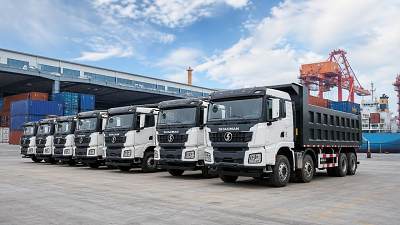
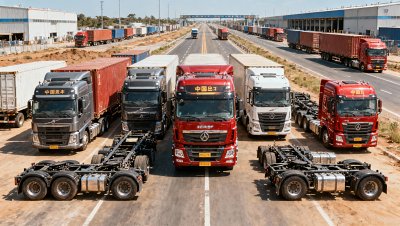
Truck Tipper Distributor Selection: Margin, Support, Territory
Truck Tipper Distributor Selection: what really matters first?
A truck tipper distributor opportunity can look attractive on paper, yet fail in practice when support, pricing, or territory terms are weak.
That is why distributor selection should begin with commercial structure, not only vehicle availability.
In road transport equipment, tippers serve construction, mining, municipal work, and bulk material movement.
Demand may be strong, but margins can disappear fast if spare parts, service response, or market overlap are poorly managed.
A reliable truck tipper distributor relationship usually balances four points: product fit, sustainable margin, technical support, and protected territory.
In actual sourcing work, digital B2B platforms help compare suppliers more efficiently.
The Global Heavy Truck Industry Platform is useful here because it connects suppliers, parts sources, market information, and brand visibility across the heavy truck chain.
That broader visibility makes it easier to judge whether a truck tipper distributor offer is truly competitive, or only looks convenient at the start.
Is every truck tipper distributor model the same? Not quite.
The term truck tipper distributor covers several business models, and the differences affect risk and earnings.
Some agreements focus on complete vehicles only. Others include bodies, hydraulic systems, spare parts, and service training.
A few partners also support local assembly or CKD operations for price-sensitive markets.
The more complete the package, the stronger the long-term position tends to be.
Still, a broader package is only valuable if it matches local demand patterns.
For example, short-haul quarry work may prioritize payload and body durability.
Municipal projects may care more about uptime, compliance, and easy parts replacement.
A practical way to compare models is to ask what revenue can be earned beyond the first vehicle sale.
- Vehicle gross margin
- Body and hydraulic configuration upgrades
- Routine maintenance parts
- Repair labor and technical services
- Fleet replacement and repeat orders
If a truck tipper distributor agreement offers only thin front-end margin without back-end support, expansion becomes difficult.
How should margin be evaluated beyond the price list?
Many people start with ex-factory price and expected resale price. That is necessary, but not sufficient.
Real margin comes from the full operating equation around the truck tipper distributor program.
Freight cost, import duty, homologation, local modification, warranty reserve, and stock financing can narrow profits quickly.
More importantly, discount rules should be clear.
A low base price means little if factory direct deals undercut the local channel.
The same applies when large project pricing is handled without transparent distributor compensation.
A healthier review uses a simple comparison table.
When reviewing a truck tipper distributor proposal, net margin after support obligations is the number that deserves the most attention.
What kind of after-sales support should never be treated as optional?
After-sales support is often where strong partnerships separate themselves from risky ones.
Tipper trucks operate in harsh conditions. Hydraulic failure, body cracks, electrical issues, and suspension wear are not rare events.
If support is slow, vehicle downtime damages reputation faster than any pricing mistake.
A dependable truck tipper distributor program should include more than a warranty statement.
- Technical manuals in usable language
- Remote diagnosis channels
- Training for service and parts teams
- Recommended spare parts lists by model
- Claim approval timelines
- Critical component availability
It also helps to ask whether support covers the entire vehicle or only selected components.
That detail matters because a truck tipper may combine chassis, engine, body, and hydraulic systems from different sources.
Fragmented responsibility can turn one service case into a long dispute.
Platforms with access to multiple suppliers and parts categories can support better cross-checking.
This is one reason market participants use global heavy truck platforms for supplier evaluation, not only for lead generation.
Protected territory sounds simple, so where do conflicts usually begin?
Territory is one of the most misunderstood parts of a truck tipper distributor agreement.
Some contracts mention exclusivity, yet leave exceptions so broad that protection becomes symbolic.
Conflicts often begin with project sales, online inquiries, border regions, or fleet deals served from another market.
A useful test is simple: can the territory terms be enforced in real trading situations?
Look for written rules on lead ownership, direct factory quotations, national accounts, and cross-border transactions.
Protected territory should also match realistic market development targets.
If annual volume commitments are too aggressive, the agreement may create pressure without meaningful security.
More balanced arrangements usually define:
- Geographic scope
- Protected customer categories
- Sales targets and review periods
- Conditions for adding another channel partner
- Compensation rules if overlap occurs
A truck tipper distributor should not rely on verbal market promises when building inventory, promotion, and service capacity.
How can you compare suppliers without missing hidden risk?
The strongest comparison method blends commercial review with operational evidence.
Do not stop at brochures, model lists, or headline prices.
Check whether the supplier can support the market for years, not only ship the first batch.
A practical evaluation usually includes these questions:
- Are tipper specifications aligned with local road, axle, and load conditions?
- Is there stable supply for wear parts and hydraulic components?
- Can homologation documents be provided quickly?
- Is the supplier visible in international trade channels and industry databases?
- Does the business have enough scale to support training and warranty handling?
This is where an industry platform becomes more than a listing site.
The Global Heavy Truck Industry Platform combines product discovery, supplier comparison, brand directories, and market insights.
That makes supplier shortlisting more evidence-based, especially in cross-border truck tipper distributor decisions.
In other words, visibility across complete trucks, trailers, construction machinery, and spare parts helps reveal whether support is truly connected.
What are the most common mistakes before signing a truck tipper distributor agreement?
Most mistakes are not dramatic. They are small omissions that become expensive later.
One frequent error is focusing on brand appeal while ignoring service workload.
Another is accepting a wide product range without checking stock complexity.
There is also a tendency to treat exclusivity language as sufficient proof of market security.
Before moving forward, it helps to review this short warning list.
- No written parts supply commitment for fast-moving items
- No clarity on warranty labor reimbursement
- Sales target obligations without territory enforcement
- Unclear pricing for project bids or fleet tenders
- No model adaptation plan for local regulations
- No exit clause covering unsold stock or tooling
A truck tipper distributor agreement should support growth, but it should also define how risk is shared when conditions change.
That balance matters even more in markets shaped by freight volatility, infrastructure cycles, and changing emissions rules.
What is the best next step if you are narrowing down options?
Start by mapping the business case in three layers: immediate sales margin, recurring service revenue, and territory protection.
Then compare shortlisted suppliers against the same checklist, not against different assumptions.
A strong truck tipper distributor choice is rarely the cheapest initial offer.
It is usually the one that combines dependable product supply, workable support, and enforceable channel rules.
Where international sourcing is involved, using a specialized heavy truck platform can make the review sharper.
Access to supplier data, parts categories, industry news, and comparative market information helps reduce guesswork.
If the goal is long-term profitability, treat the truck tipper distributor decision as a full operating partnership review.
That means confirming margins, stress-testing after-sales support, and checking whether the territory promise can survive real market competition.
Once those points are clear, the next move is straightforward: compare proposals side by side, verify support details, and build a written decision standard before signing.
Tag
Recommended News
 Truck ExportVietnam Tightens Used Commercial Vehicle Import FilesVietnam tightens used commercial vehicle import files with stricter emissions and maintenance records. Learn the new compliance risks, customs impact, and trade planning steps now.
 Truck ExportChina Expands Single-Form Multimodal Customs ModelChina Expands Single-Form Multimodal Customs Model: learn how one-form customs clearance for sea, rail, and road exports can streamline vehicle and KD parts shipments and improve delivery planning.
 Truck ExportUS Extends 25% Tariff on China Heavy Truck KD KitsUS extends 25% tariff on China heavy truck KD kits through 2027. See which modules may qualify for exemptions, what stays fully taxed, and how to adjust sourcing and U.S. assembly plans.
 Truck ExportLow Bed Trailer Export for Mining: Key Specs and Shipping RisksLow bed trailer export for mining: learn key specs, shipping risks, and practical checks to avoid delays, cut project risk, and choose the right trailer with confidence.
 Truck ExportUS Truck Tariff Stays in Place, KD Plants Become Key RouteUS truck tariff stays in place through 2026, pushing KD plants to the forefront. Learn how truck tariffs, localized assembly, parts sourcing, and service networks are reshaping market access.
 Truck ExportHow to Evaluate Low Bed Trailer Export Options for Mining ProjectsLow bed trailer export for mining requires more than a low quote. Learn how to compare capacity, compliance, route fit, and supplier support for safer, smarter project delivery.
 Truck ExportRCEP Rule Update Ties ASEAN Tariff-Free Trailer Exports to 45% RVCRCEP rule update reshapes ASEAN tariff-free trailer exports: semi-trailers now need 45% RVC and compliant local processing value. Learn what exporters must do to secure zero-tariff access.
 Truck ExportDump Truck Exporter Checklist: Cost, Compliance, Lead TimeDump truck exporter checklist covering total cost, compliance, factory strength, lead time, and after-sales support. Compare suppliers smarter and reduce sourcing risk.
 Truck ExportChina Customs Rolls Out Single-Bill Multimodal ClearanceChina Customs rolls out single-bill multimodal clearance nationwide, helping heavy truck and vehicle exporters cut clearance time, reduce logistics costs, and improve delivery planning.
 Truck ExportChina Customs Rolls Out Single-Document Intermodal ClearanceChina Customs single-document intermodal clearance is now live in 45 cities, helping heavy truck and construction machinery exporters cut duplicate declarations, speed export clearance, and plan deliveries with more confidence.
 Truck ExportTruck Tipper Exporter: 7 Cost Risks to Review Before OrderingTruck tipper exporter selection goes beyond price. Discover 7 hidden cost risks that affect freight, compliance, quality, uptime, and long-term supply before you order.
 Truck ExportHeavy Equipment Export for Mining Operations: Cost and Delivery RisksHeavy equipment export for mining operations: uncover hidden landed costs, delivery risks, supplier gaps, and practical ways to protect mining project timelines and budgets.
 Truck ExportChina Customs Rolls Out Single-Document Multimodal Export ClearanceChina Customs rolls out single-document multimodal export clearance, cutting repeated inspections and speeding heavy truck exports. See how it can reduce delays, costs, and delivery uncertainty.
 Truck ExportVietnam Drafts 15% Green Surcharge on Used ImportsVietnam drafts a 15% green surcharge on used imports of older trucks and buses. Learn how Euro 5 rules may reshape sourcing, compliance, and fleet planning.
![]() Truck ExportWhat to Check Before Choosing a Dump Truck Supplier in BrazilLooking for a dump truck supplier in Brazil? Learn the key checks on quality, delivery, compliance, parts support, and total cost to choose a reliable partner with confidence.
Truck ExportWhat to Check Before Choosing a Dump Truck Supplier in BrazilLooking for a dump truck supplier in Brazil? Learn the key checks on quality, delivery, compliance, parts support, and total cost to choose a reliable partner with confidence. Truck ExportTIR Road Freight Expansion Opens China-Central Asia-Russia Truck RouteTIR road freight expansion opens a faster China-Central Asia-Russia truck route, cutting sea transit by 12–18 days and reshaping vehicle export planning, procurement, and delivery execution.
 Truck ExportChina Pilots Single-Document Multimodal Customs for Truck ExportsChina Pilots Single-Document Multimodal Customs for Truck Exports: learn how the new pilot can speed truck chassis filings, cut delays, and lower compliance costs for global buyers.
 Truck ExportEast Corridor Rail Volume Tops 3,000, Lifting Truck Export ReliabilityEast Corridor rail volume tops 3,000, boosting China-Europe Railway Express reliability for truck export, chassis and parts delivery. Explore how steadier routes and smoother customs can improve Europe-bound logistics planning.
 Truck ExportSemi Trailer Supplier Checklist for Export OrdersSemi trailer supplier checklist for export orders: verify quality, documents, pricing risks, and after-sales support to choose a reliable partner and avoid costly delays.
 Truck ExportDalian–Middle East Route Opens for Truck ExportsDalian–Middle East Route Opens for Truck Exports: explore a new direct option for heavy-duty trucks, special vehicles, and KD kits with more flexible multimodal delivery planning.
 Truck ExportTruck Tipper Distributor Selection: Margin, Support, TerritoryTruck tipper distributor selection starts with margin, after-sales support, and territory protection. Learn how to compare suppliers, reduce risk, and choose a profitable long-term partner.
 Truck ExportDump Truck Exporter Checklist: Cost, Lead Time, ComplianceDump truck exporter checklist covering total landed cost, realistic lead time, and compliance essentials. Compare suppliers smarter, reduce delivery risk, and source with confidence.
 Truck ExportChina’s Zero-Tariff Move Cuts Africa Truck Import CostsChina’s Zero-Tariff Move Cuts Africa Truck Import Costs. Learn how lower duties on trucks, chassis, axles, and braking systems may reshape African sourcing, pricing, and delivery plans.
![]() Truck ExportWhat to Check Before Choosing a Truck Tipper ExporterTruck tipper exporter selection starts with the right checks. Learn how to compare quality, compliance, customization, and after-sales support before placing an order.
Truck ExportWhat to Check Before Choosing a Truck Tipper ExporterTruck tipper exporter selection starts with the right checks. Learn how to compare quality, compliance, customization, and after-sales support before placing an order. Truck ExportChina Opens U.S. Trade Barrier Probe on Green RulesChina Opens U.S. Trade Barrier Probe on Green Rules: discover how this China-U.S. trade review could affect new energy heavy-duty truck batteries, electronic control systems, compliance, and export market access.