Truck Parts That Fail Most Often and How to Prevent Downtime
In daily fleet operations, truck parts such as brakes, batteries, belts, filters, and suspension components often fail with little warning, leading to costly downtime and repair delays. For aftermarket maintenance work, knowing which truck parts fail most often is the fastest way to reduce roadside stops, missed deliveries, and emergency labor.
The good news is that most failures are not random. They usually leave small clues first: heat, noise, leaks, slow response, uneven wear, or repeated fault codes. Catch those signals early, and downtime becomes much easier to control.
This article focuses on the truck parts that fail most often in heavy-duty operations and what to do before they stop a vehicle. The goal is simple: fewer surprises, faster checks, and better decisions on replacement timing.
The truck parts that cause the most downtime
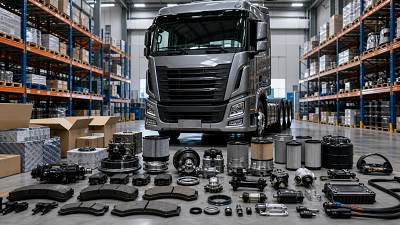
These are the truck parts that repeatedly create avoidable service interruptions across logistics, construction, mining support, and municipal transport fleets.
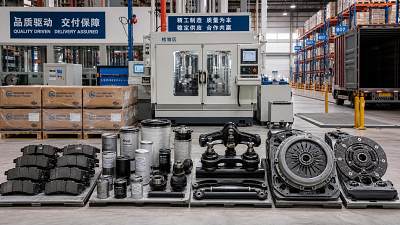
- Brake pads, linings, chambers, and slack adjusters wear fast under heavy loads. If inspection intervals stretch too long, stopping distance rises and unplanned repairs follow quickly.
- Batteries fail after heat exposure, vibration, poor charging, or dirty terminals. Many no-start complaints come from weak connections, not just low battery capacity.
- Belts and hoses crack gradually, then fail suddenly. A small surface split, glazing mark, or coolant seep often appears days before a roadside breakdown.
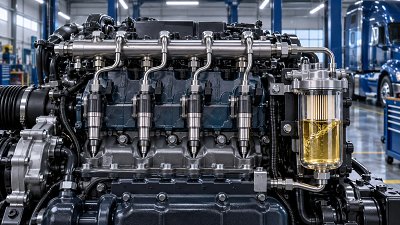
- Air, fuel, and oil filters clog faster in dusty or long-idle conditions. Restricted flow increases engine strain, weakens performance, and shortens the life of related truck parts.
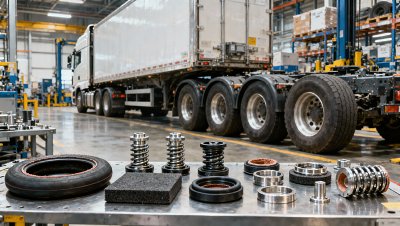
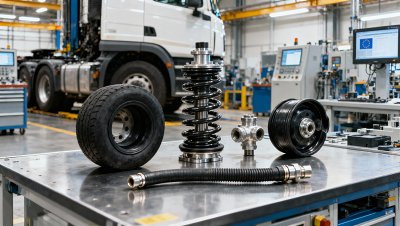
- Suspension bushings, shocks, and air springs wear from overload, rough roads, and contamination. Handling changes slowly, so these truck parts are often ignored too long.
- Wheel seals and bearings create serious downtime when grease loss or contamination goes unnoticed. Early heat marks and vibration are common warning signs.
- Clutches and transmission-related truck parts suffer from driver habits, heavy traffic, and heat. Slipping, harsh shifts, or delayed engagement should trigger immediate inspection.
- Electrical sensors, connectors, and wiring often fail because of moisture, corrosion, or vibration. Many recurring faults are traced to harness damage rather than major components.
When these truck parts are tracked by wear pattern instead of calendar date alone, maintenance becomes more accurate and less reactive.
Why these failures keep happening
Most repeat failures come from three issues: delayed inspection, inconsistent part quality, and missed root causes. Replacing one damaged item without checking surrounding truck parts often creates another repair soon after.
For example, replacing brake pads without checking drums, air lines, chamber stroke, and slack adjustment solves only part of the problem. The same pattern shows up with batteries, belts, filters, and suspension components.
Another common mistake is treating all operating environments the same. A highway tractor, a site dumper, and a regional delivery truck may use similar truck parts, but they wear at very different speeds.
A simple way to rank failure risk
What to check before failure turns into downtime
A short, repeatable inspection routine does more than a long checklist nobody finishes. Focus on visible wear, heat, movement, fluid condition, and fault history.
- Touch-test around hubs and brake areas after safe operation. Uneven heat between sides often points to dragging brakes, bearing trouble, or hidden friction problems.
- Track battery voltage during start-up and charging. One weak battery can overload the others and create repeated failures across connected electrical truck parts.
- Inspect belts under proper lighting, not by memory. Frayed edges, glazing, and rubber dust usually mean misalignment or tension problems, not simple age.
- Cut open used filters when possible during analysis. Metal debris, sludge, or unusual contamination can reveal deeper damage in engine or fuel-system truck parts.
- Check air suspension height and listen for leaks during parking. Small air loss overnight often becomes compressor strain and expensive downtime later.
- Review recurring fault codes by vehicle, not only by date. Repeated sensor alarms often indicate connector stress, harness rub points, or moisture entry.
One overlooked detail is contamination. Dirt, water, salt, and grease buildup shorten the life of many truck parts more than load alone. Clean inspection points save time because defects become easier to spot.
Different operating scenes change how truck parts fail
Long-haul trucks usually stress brakes, wheel ends, belts, and electrical truck parts through heat cycles and high mileage. Here, trend data matters most. Compare wear rates across routes, weather, and payload ranges.
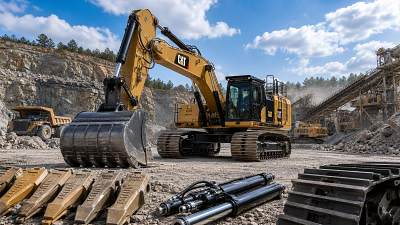
Construction and infrastructure vehicles face a different pattern. Dust loads filters faster, uneven ground damages suspension truck parts, and low-speed heavy work puts extra strain on cooling and clutch systems.
In mining support or municipal stop-start service, batteries and braking truck parts often fail earlier than expected. Frequent starts, idling, and repeated short movements create hidden wear that mileage alone will not explain.
That is why service intervals should be adjusted by duty cycle. The same truck parts can have very different replacement windows in different applications.
How sourcing decisions affect maintenance results
Downtime prevention is not only a workshop issue. It also depends on how truck parts are sourced, verified, and matched to real operating conditions.
A reliable digital sourcing network helps compare specifications, supplier consistency, and application fit before failures happen. This is especially useful when managing mixed fleets, regional brands, and multiple replacement standards.
The Global Heavy Truck Industry Platform supports this process by connecting the heavy truck supply chain in one place. It makes it easier to explore spare parts, compare suppliers, and review industry information linked to commercial vehicles and heavy equipment.
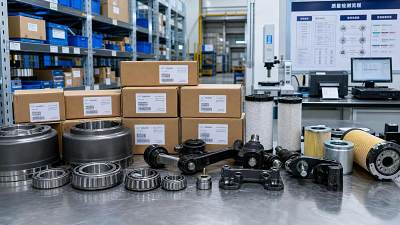
For teams dealing with truck chassis, complete trucks, trailers, construction machinery, and spare truck parts, that visibility reduces guesswork. Better sourcing choices often lead to fewer repeat repairs and shorter waiting times for replacement components.
Commonly ignored risks
- Mixing unmatched truck parts from different quality levels can distort wear patterns and make diagnosis harder, especially in brake, suspension, and electrical systems.
- Replacing failed parts without checking installation torque, alignment, and lubrication often causes early repeat damage, even when the new component itself is acceptable.
- Using fixed replacement intervals for all vehicles hides true risk. Duty cycle, route profile, climate, and loading should always influence service timing.
- Ignoring supplier documentation and product traceability can delay root-cause analysis when a batch issue affects multiple truck parts across the fleet.
Practical steps that reduce downtime fast
If the goal is immediate improvement, start small and stay consistent. The best downtime strategy is usually a tighter routine, not a more complicated one.
- Build a top-ten failure list from recent repair records. Then inspect those truck parts first during preventive maintenance, instead of treating every component equally.
- Create wear photos for common failures. Visual standards help teams spot cracked hoses, uneven pads, damaged bushings, and contaminated filters faster.
- Separate emergency stock from routine stock. Keep fast-failing truck parts available locally, and source slower-moving items through trusted platform channels.
- Record why each part failed, not only what was replaced. Root-cause notes improve future inspections and reveal patterns hidden in basic service logs.
- Review supplier options regularly. Comparing truck parts by application data, not price alone, usually lowers total downtime cost over time.
Truck parts will always wear out. The real difference comes from how early wear is detected, how accurately the cause is identified, and how quickly the right replacement can be found.
Start with brakes, batteries, belts, filters, suspension, wheel ends, and electrical truck parts. Tighten inspection timing around those categories first. Then match sourcing and replacement decisions to actual operating conditions.
When the next breakdown risk appears, use failure history, visible signs, and supplier data together. That approach makes downtime prevention more practical, more repeatable, and far less expensive.
Trending News
- How to choose a refrigerated truck for multi-stop urban deliveries
- Tata Motors Returns to Q2 Profit on Strong Commercial Vehicle Demand
- How to load an excavator onto a lowbed trailer without tipping
- China’s New Energy Heavy Truck Sales Share Exceeds 50% in September 2026
- CATL Unveils Heavy-Truck Battery Range Extension, Signs Deals for 13,000 Vehicles
Tag
Recommended News
 Truck Parts IndustryWhat causes a truck injector to fail prematurely?Truck injector failure can stem from fuel contamination, water, wiring faults, heat, or incorrect installation. Discover practical diagnostic steps to prevent repeat repairs.
 Truck Parts IndustryEU REACH Rule Takes Effect for Truck Rubber PartsEU REACH Rule takes effect for truck rubber parts exported to the EU. Learn how SCIP reporting, SVHC declarations, and supply chain compliance now impact truck manufacturers and suppliers.
 Truck Parts IndustryHow to Evaluate Commercial Vehicle Parts With Eco-Friendly Materials for Durability and ComplianceCommercial vehicle parts with eco-friendly materials require more than green claims. Learn how to assess durability, compliance, and supplier reliability for smarter sourcing.
 Truck Parts IndustryHow to Evaluate a Truck Parts Supplier Beyond Unit PriceTruck parts supplier selection should go beyond unit price. Learn how to assess quality, traceability, compliance, delivery, and support to reduce fleet risk and total cost.
 Truck Parts IndustryVietnam to Require QR Traceability Labels on Imported Heavy-Truck PartsVietnam to Require QR Traceability Labels on Imported Heavy-Truck Parts from Aug 1, 2026. Learn scope, VNQR-2025 rules, VITRAC links, and how to avoid port refusal and fines.
 Truck Parts IndustryHow to Evaluate a Truck Spare Parts Supplier for Long-Term Cost ControlTruck spare parts supplier selection affects far more than price. Learn how to compare quality, delivery, traceability, and hidden costs to protect fleet uptime and control long-term expenses.
 Truck Parts IndustryFuel Injection Pump Failure Signs and What They Mean for Engine PerformanceFuel injection pump failure signs can quickly reduce truck power, raise fuel use, and trigger hard starts. Learn what each symptom means and when to act before costly downtime.
 Truck Parts IndustryExcavator Attachment Selection for Demolition and Site PrepExcavator attachment selection for demolition and site prep: compare breakers, grapples, crushers, and buckets to boost productivity, safety, and ROI.
 Truck Parts IndustryTruck Engine Overhaul or Replacement: Which Costs Less Long Term?Truck engine overhaul or replacement? Compare long-term cost, downtime, fuel efficiency, and reliability to choose the smarter option for your fleet.
 Truck Parts IndustryHow to Choose Excavator Parts That Last LongerExcavator parts buying guide: learn how to choose excavator parts that last longer by comparing fit, material quality, operating conditions, and supplier reliability.
 Truck Parts IndustryAre Eco-Friendly Commercial Vehicle Parts Durable Enough for Daily Use?Commercial vehicle parts with eco-friendly materials can be durable for daily use—if tested right. Explore where they perform best, key risks, and smarter sourcing insights.
 Truck Parts IndustryTruck Parts OEM vs Aftermarket: Cost, Fit, and Warranty RisksTruck parts OEM vs aftermarket: compare true cost, fit accuracy, and warranty risks to reduce downtime, avoid disputes, and make smarter fleet sourcing decisions.
 Truck Parts IndustryTruck Spare Parts Buying Guide: How to Reduce Downtime and Fitment RiskTruck spare parts buying guide for fleet maintenance teams: learn how to reduce downtime, avoid fitment risk, verify suppliers, and make smarter sourcing decisions.
 Truck Parts IndustryHow to Evaluate a Truck Parts Supplier Beyond PriceTruck parts supplier selection should go beyond price. Learn how to compare quality, delivery, service, and total cost to reduce risk and keep fleets running efficiently.
 Truck Parts IndustryHeavy Truck Parts for Construction: Signs of a Reliable ManufacturerHeavy truck parts manufacturer for construction: learn how to identify reliable suppliers through quality control, traceability, testing, and support to reduce downtime and improve fleet safety.
 Truck Parts IndustryHow to Compare Truck Spare Parts Suppliers on Quality and Lead TimeTruck spare parts supplier comparison starts with quality and lead time. Learn how to assess consistency, delivery reliability, and sourcing fit for smarter purchases.
 Truck Parts IndustryEU REACH Sets PAH Limit for Heavy Truck Rubber PartsEU REACH sets a new PAH limit for heavy truck rubber parts, affecting brake hoses, bushings, and export compliance. Learn what suppliers must prepare now to avoid testing delays and customs risks.
 Truck Parts IndustryWhat to Check in a Truck Chassis Supplier Before Fleet ExpansionTruck chassis supplier selection can make or break fleet expansion. Learn what to check on quality, production, delivery, support, and total cost before requesting a quote.
 Truck Parts IndustryCold Storage Truck Parts That Matter Most for Temperature ControlCommercial vehicle parts for cold storage determine real temperature stability. Discover the key truck components that reduce spoilage, improve efficiency, and protect sensitive cargo.
 Truck Parts IndustryHow to Evaluate a Heavy Truck Parts Manufacturer for Long-Term Supply StabilityHeavy truck parts manufacturer selection starts with supply stability. Learn how to assess quality, capacity, lead times, and risk signals for smarter long-term sourcing.
 Truck Parts IndustryEU EPR Rules Extend to Commercial TrailersEU EPR rules now extend to commercial trailers, bringing new registration, reporting, and fee duties from 2027. See how exporters can prepare early to avoid customs delays.
 Truck Parts IndustryTruck Suspension Problems: Signs, Causes, and Fix OptionsTruck suspension issues can lead to tire wear, poor handling, and costly downtime. Learn the key signs, root causes, and best fix options for different truck applications.
 Truck Parts IndustryHow to Choose a Heavy Truck Parts Manufacturer for Construction FleetsHeavy truck parts manufacturer for construction selection starts with uptime, quality, and delivery. Learn how to compare suppliers, reduce fleet risk, and choose with confidence.
 Truck Parts IndustryUS Sets AEBS Rule for Imported Commercial TrailersUS sets AEBS rule for imported commercial trailers starting Oct. 1, 2026. Learn FMVSS No. 127A, SAE J2929, and key compliance steps to avoid CBP entry denial.
 Truck Parts IndustryHow to Choose Commercial Vehicle Parts That Reduce DowntimeCommercial vehicle parts selection can make or break fleet uptime. Learn how to choose parts that improve fit, quality, supply reliability, and lower total downtime cost.