EU EPR Rules Extend to Commercial Trailers
On June 22, 2026, the European Commission updated the product scope of Extended Producer Responsibility (EPR) and brought commercial trailer categories into the regulatory framework. For manufacturers and importers exporting trailers to the EU, this is not just a policy update but a compliance change that can affect customs clearance, annual reporting, fee planning, and delivery arrangements from 2027 onward.

What the updated scope now covers
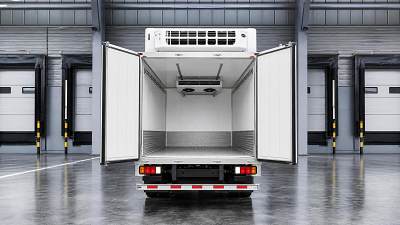
According to the information provided, the updated EPR product list now includes semi-trailers, full trailers, and modular box-type transport units. The change was issued on June 22, 2026.
From January 1, 2027, manufacturers and importers exporting trailers to the EU will need to complete EPR registration in the relevant member states, submit annual sales declarations, and pay eco-management fees. Non-compliant products may be barred from customs clearance.
Where the commercial impact is likely to appear first
Export transactions move closer to compliance review
Direct exporters and import-facing trading companies may be affected first because EPR registration becomes tied to market access rather than remaining a back-office issue. The practical impact may appear in shipment preparation, customs documentation readiness, and responsibility allocation between exporter and importer.
From an industry perspective, what deserves closer attention is whether contract terms, shipment scheduling, and importer coordination will need to reflect the new registration and reporting obligations before goods are dispatched.
Manufacturing and order management may face new pre-shipment checks
Manufacturers of covered trailer products may need to pay closer attention to how product categories are mapped to the new EPR scope. This may influence internal compliance review, sales order handling, and document preparation before export.
Analysis shows that the main pressure point is not only the fee itself, but also whether registration status, annual declaration obligations, and supporting records are handled early enough to avoid delays at the delivery stage.
Supply chain and service partners may need clearer responsibility boundaries
Supply chain service providers, customs-related coordinators, and after-sales support teams may also be affected because the rule change can alter who must prepare, verify, or retain compliance-related information during export and delivery.
Observably, companies involved in shipment execution may need clearer handoffs on registration evidence, sales reporting data, and market-specific compliance responsibilities, especially where multiple entities share export, import, and delivery functions.
What companies should monitor before 2027
Check whether products fall within the covered categories
Companies selling semi-trailers, full trailers, or modular box-type transport units into the EU should first review whether their products fall within the updated EPR scope described in the provided information. This is a basic compliance screening step rather than a commercial preference.
Prepare for registration and annual reporting workflows
Because the provided information states that registration, annual sales declarations, and eco-management fee payments will become mandatory from January 1, 2027, businesses should pay attention to whether their current internal processes can support these obligations across the relevant member states.
Review trade documents and delivery timelines
It is more appropriate to understand this as a signal to revisit export documentation, importer coordination, and delivery scheduling. If EPR-related evidence becomes necessary for smooth customs handling, missing or late documentation could create trade execution risk.
Watch for later clarifications in implementation language
The provided information does not include detailed operational guidance, so companies should continue monitoring how the requirement is described in official follow-up materials, commercial documents, and market-facing compliance instructions. At this stage, attention should remain on execution detail rather than assuming a fully settled practice model.
Why this looks like more than a symbolic update
Analysis shows that this development is better understood as an implementation signal with direct trade relevance, because the provided information links EPR compliance to customs clearance. That makes the rule change more operational than purely declarative.
At the same time, it is also appropriate to treat it as a rule dynamic that still requires observation. The current information confirms the expanded scope and the 2027 compliance start date, but it does not provide fuller detail on documentation format, market-by-market execution practice, or how business responsibilities may be allocated in specific transaction models.
How to read this development now
For the trailer export business, the key significance of this update is that EPR is moving into a product segment where compliance can affect entry into the EU market. The immediate takeaway is not to overstate the impact, but to recognize that registration, reporting, and fee obligations are becoming part of export readiness for covered products.
From an industry perspective, this is more appropriately understood as a confirmed regulatory change with practical execution consequences, while the detailed implementation path still warrants continued attention.
Basis of this article and what still needs verification
This article is generated based on the user-provided news title, event date, and event summary. For events of this type, relevant source categories typically include official announcements, regulatory releases, customs or trade authority information, industry association updates, standards-related documents, and reporting by established business media.
No specific official source link was provided in the input, so the exact official publication path still requires follow-up verification. What also needs continued monitoring includes implementation detail, compliance interpretation, possible changes in tender or procurement documents, market feedback, and how affected companies put the requirement into practice.
Trending News
- CATL Unveils Heavy-Truck Battery Range Extension, Signs Deals for 13,000 Vehicles
- CATL Unveils Tianxing II Electric-to-Electric Range-Extended Heavy Truck Solution
- How much torque does a truck engine need for heavy-duty hauling?
- How to assess a crane truck distributor's spare parts support
- Volvo Group Forms Volvo Mining to Integrate Equipment and Autonomous Solutions
Tag
Recommended News
 Truck Parts IndustryWhat causes a truck injector to fail prematurely?Truck injector failure can stem from fuel contamination, water, wiring faults, heat, or incorrect installation. Discover practical diagnostic steps to prevent repeat repairs.
 Truck Parts IndustryEU REACH Rule Takes Effect for Truck Rubber PartsEU REACH Rule takes effect for truck rubber parts exported to the EU. Learn how SCIP reporting, SVHC declarations, and supply chain compliance now impact truck manufacturers and suppliers.
 Truck Parts IndustryHow to Evaluate Commercial Vehicle Parts With Eco-Friendly Materials for Durability and ComplianceCommercial vehicle parts with eco-friendly materials require more than green claims. Learn how to assess durability, compliance, and supplier reliability for smarter sourcing.
 Truck Parts IndustryHow to Evaluate a Truck Parts Supplier Beyond Unit PriceTruck parts supplier selection should go beyond unit price. Learn how to assess quality, traceability, compliance, delivery, and support to reduce fleet risk and total cost.
 Truck Parts IndustryVietnam to Require QR Traceability Labels on Imported Heavy-Truck PartsVietnam to Require QR Traceability Labels on Imported Heavy-Truck Parts from Aug 1, 2026. Learn scope, VNQR-2025 rules, VITRAC links, and how to avoid port refusal and fines.
 Truck Parts IndustryHow to Evaluate a Truck Spare Parts Supplier for Long-Term Cost ControlTruck spare parts supplier selection affects far more than price. Learn how to compare quality, delivery, traceability, and hidden costs to protect fleet uptime and control long-term expenses.
 Truck Parts IndustryFuel Injection Pump Failure Signs and What They Mean for Engine PerformanceFuel injection pump failure signs can quickly reduce truck power, raise fuel use, and trigger hard starts. Learn what each symptom means and when to act before costly downtime.
 Truck Parts IndustryExcavator Attachment Selection for Demolition and Site PrepExcavator attachment selection for demolition and site prep: compare breakers, grapples, crushers, and buckets to boost productivity, safety, and ROI.
 Truck Parts IndustryTruck Engine Overhaul or Replacement: Which Costs Less Long Term?Truck engine overhaul or replacement? Compare long-term cost, downtime, fuel efficiency, and reliability to choose the smarter option for your fleet.
 Truck Parts IndustryHow to Choose Excavator Parts That Last LongerExcavator parts buying guide: learn how to choose excavator parts that last longer by comparing fit, material quality, operating conditions, and supplier reliability.
 Truck Parts IndustryAre Eco-Friendly Commercial Vehicle Parts Durable Enough for Daily Use?Commercial vehicle parts with eco-friendly materials can be durable for daily use—if tested right. Explore where they perform best, key risks, and smarter sourcing insights.
 Truck Parts IndustryTruck Parts OEM vs Aftermarket: Cost, Fit, and Warranty RisksTruck parts OEM vs aftermarket: compare true cost, fit accuracy, and warranty risks to reduce downtime, avoid disputes, and make smarter fleet sourcing decisions.
 Truck Parts IndustryTruck Spare Parts Buying Guide: How to Reduce Downtime and Fitment RiskTruck spare parts buying guide for fleet maintenance teams: learn how to reduce downtime, avoid fitment risk, verify suppliers, and make smarter sourcing decisions.
 Truck Parts IndustryHow to Evaluate a Truck Parts Supplier Beyond PriceTruck parts supplier selection should go beyond price. Learn how to compare quality, delivery, service, and total cost to reduce risk and keep fleets running efficiently.
 Truck Parts IndustryHeavy Truck Parts for Construction: Signs of a Reliable ManufacturerHeavy truck parts manufacturer for construction: learn how to identify reliable suppliers through quality control, traceability, testing, and support to reduce downtime and improve fleet safety.
 Truck Parts IndustryHow to Compare Truck Spare Parts Suppliers on Quality and Lead TimeTruck spare parts supplier comparison starts with quality and lead time. Learn how to assess consistency, delivery reliability, and sourcing fit for smarter purchases.
 Truck Parts IndustryEU REACH Sets PAH Limit for Heavy Truck Rubber PartsEU REACH sets a new PAH limit for heavy truck rubber parts, affecting brake hoses, bushings, and export compliance. Learn what suppliers must prepare now to avoid testing delays and customs risks.
 Truck Parts IndustryWhat to Check in a Truck Chassis Supplier Before Fleet ExpansionTruck chassis supplier selection can make or break fleet expansion. Learn what to check on quality, production, delivery, support, and total cost before requesting a quote.
 Truck Parts IndustryCold Storage Truck Parts That Matter Most for Temperature ControlCommercial vehicle parts for cold storage determine real temperature stability. Discover the key truck components that reduce spoilage, improve efficiency, and protect sensitive cargo.
 Truck Parts IndustryHow to Evaluate a Heavy Truck Parts Manufacturer for Long-Term Supply StabilityHeavy truck parts manufacturer selection starts with supply stability. Learn how to assess quality, capacity, lead times, and risk signals for smarter long-term sourcing.
 Truck Parts IndustryEU EPR Rules Extend to Commercial TrailersEU EPR rules now extend to commercial trailers, bringing new registration, reporting, and fee duties from 2027. See how exporters can prepare early to avoid customs delays.
 Truck Parts IndustryTruck Suspension Problems: Signs, Causes, and Fix OptionsTruck suspension issues can lead to tire wear, poor handling, and costly downtime. Learn the key signs, root causes, and best fix options for different truck applications.
 Truck Parts IndustryHow to Choose a Heavy Truck Parts Manufacturer for Construction FleetsHeavy truck parts manufacturer for construction selection starts with uptime, quality, and delivery. Learn how to compare suppliers, reduce fleet risk, and choose with confidence.
 Truck Parts IndustryUS Sets AEBS Rule for Imported Commercial TrailersUS sets AEBS rule for imported commercial trailers starting Oct. 1, 2026. Learn FMVSS No. 127A, SAE J2929, and key compliance steps to avoid CBP entry denial.
 Truck Parts IndustryHow to Choose Commercial Vehicle Parts That Reduce DowntimeCommercial vehicle parts selection can make or break fleet uptime. Learn how to choose parts that improve fit, quality, supply reliability, and lower total downtime cost.