China-Europe Rail Eastern Route Passes 40,000 Trips
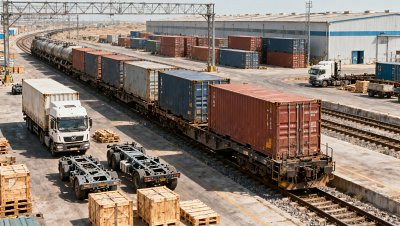
On June 16, 2026, the eastern route of China-Europe freight trains passed a cumulative 40,000 trips, while Manzhouli Customs put into operation the country’s first smart bonded supervision warehouse dedicated to heavy truck KD parts exports. For companies involved in rail freight, heavy truck component exports, customs clearance, and cross-border delivery planning, the development is worth attention because it combines a throughput milestone with a more specific operational change in how SKD and CKD shipments can be assembled, declared, and dispatched.
A throughput milestone paired with a new export handling model
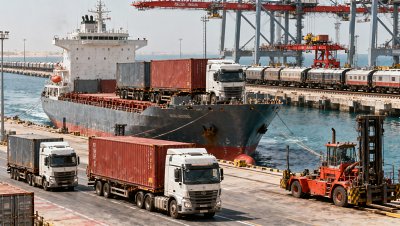
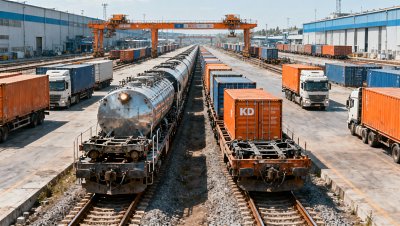
According to the provided information, the eastern route of China-Europe freight trains reached a cumulative total of more than 40,000 trips on June 16, 2026. At the same time, Manzhouli Customs announced the launch of the first intelligent supervision warehouse in China specifically for the export of heavy truck KD parts.
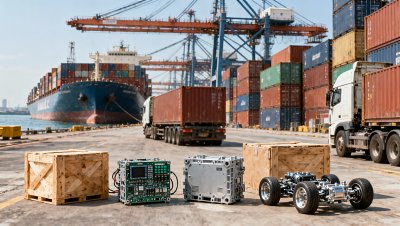
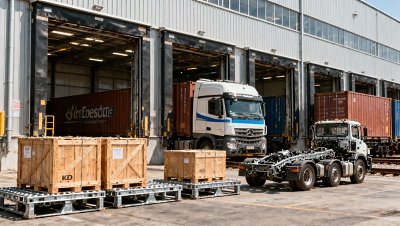
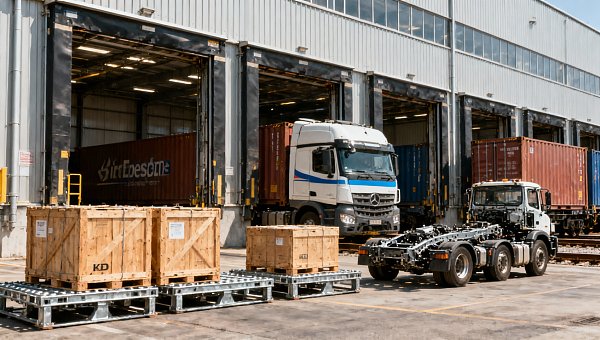
The warehouse is designed to support SKD and CKD exports of heavy truck chassis, cabs, drive axles, and related components through a model described as separate batch entry into the warehouse, consolidated customs declaration, and single-shipment dispatch. The stated customs clearance time has been reduced to within 48 hours, representing a 65% improvement compared with the traditional model.
Where the immediate business impact may appear
For heavy truck KD exporters, shipment organization becomes a key point
Analysis shows that the most direct effect may be on exporters handling SKD and CKD heavy truck components. Because the new warehouse model supports parts entering the warehouse in batches and then moving under a combined declaration and single dispatch arrangement, the impact is likely to be felt first in cargo consolidation, document matching, and shipment scheduling.
What deserves closer attention is whether exporters can align chassis, cab, and drive axle flows with this operating model in practice, especially where different parts arrive at different times and still need to move as one declared shipment.
For customs and logistics service providers, timing coordination may become more important
From an industry perspective, customs brokers, rail logistics operators, and related supply chain service providers may see the change mainly in execution requirements rather than in headline volume alone. A shorter stated clearance window of within 48 hours suggests that document readiness, warehouse coordination, and dispatch planning could become more time-sensitive business steps.
Observably, service providers may need to pay closer attention to how cargo handover, declaration preparation, and rail booking timing are coordinated when clients use the new warehouse arrangement for heavy truck KD exports.
For downstream buyers and project delivery teams, predictability may matter as much as speed
The announced efficiency gain does not automatically mean every shipment will move identically, but analysis shows that buyers, project coordinators, and delivery teams may focus on whether a more standardized export process improves delivery visibility for heavy truck KD orders. The practical impact is likely to be most relevant where contracts depend on coordinated arrival of multiple component groups rather than a single finished vehicle.
Operational issues companies should watch now
Track how the warehouse model is implemented in actual declarations
Companies involved in SKD and CKD heavy truck exports should closely follow how the announced model of batch warehousing, consolidated declaration, and single dispatch is applied in day-to-day customs practice. The key practical question is not only the policy wording, but also the documentation, sequencing, and operational conditions required to use it smoothly.
Review product scope and shipment matching procedures
The provided information specifically mentions heavy truck chassis, cabs, and drive axles. Businesses should therefore check whether their export cargo falls clearly within the relevant KD component scope and whether internal processes can support matching multiple parts lots into one compliant shipment file.
Prepare documents and supplier coordination around shorter clearance cycles
If the clearance cycle is compressed to within 48 hours under this model, exporters and service partners may need tighter preparation of commercial and logistics documents before cargo reaches the warehouse. Analysis shows that supplier coordination, batch arrival timing, and declaration completeness are likely to become more important than under a slower traditional process.
Separate policy signal from repeatable operating results
What deserves closer attention is the difference between an announced capability and a consistently repeatable operating outcome. Companies should watch whether the new warehouse arrangement delivers stable results across different shipment mixes and operating periods before building firm customer commitments around the faster timeline.
Why this matters beyond a single announcement
Observably, this development carries two signals at once. One is symbolic: the eastern route crossing 40,000 cumulative trips points to the route’s established role in cross-border rail movement. The other is more operational: the specialized smart supervision warehouse focuses on a specific export segment, namely heavy truck KD parts, and introduces a more structured handling method for that cargo.
It is more appropriate to understand this not as a complete industry shift already confirmed in every link of the chain, but as a concrete operational signal that could matter most where exporters rely on multi-part, coordinated shipment models. Continued attention is warranted because the real industry effect depends on execution consistency, cargo suitability, and how widely the model is adopted in practice.
How to read the development at this stage
At this stage, the announcement is best understood as a meaningful logistics and customs facilitation signal tied to a clearly defined cargo category, rather than as a blanket change for all China-Europe rail trade flows. The 40,000-trip milestone shows route scale, while the new Manzhouli facility points to a more specialized export support mechanism for heavy truck KD shipments.
From a neutral industry perspective, the most relevant takeaway is that companies in heavy truck parts exports and cross-border rail logistics should pay attention to whether this model improves planning certainty and execution efficiency in real operations. The longer-term significance still requires observation.
Basis of this article and points still to verify
This article is based on the user-provided news title, event date, and event summary. For this type of development, commonly relevant source categories may include official customs notices, company announcements, industry association updates, authoritative media reporting, and related trade or logistics documentation.
A specific official source link was not provided in the input, so the precise source record still requires follow-up verification. Ongoing attention should focus on any further official clarification on operating rules, cargo scope, and implementation details tied to the heavy truck KD supervision warehouse and its use in actual export workflows.
Trending News
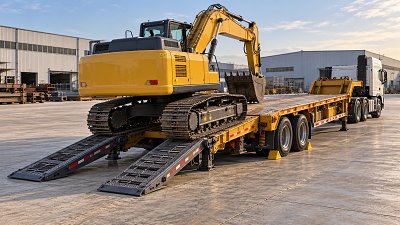
- How to load an excavator onto a lowbed trailer without tipping
- China’s New Energy Heavy Truck Sales Share Exceeds 50% in September 2026
- CATL Unveils Heavy-Truck Battery Range Extension, Signs Deals for 13,000 Vehicles
- CATL Unveils Tianxing II Electric-to-Electric Range-Extended Heavy Truck Solution
- How much torque does a truck engine need for heavy-duty hauling?
Tag
Recommended News
 Logistics & FreightHow to load an excavator onto a lowbed trailer without tippingLoading an excavator onto a lowbed trailer? Discover essential ramp checks, alignment tips, and controlled loading practices to reduce tipping risks and protect your equipment.
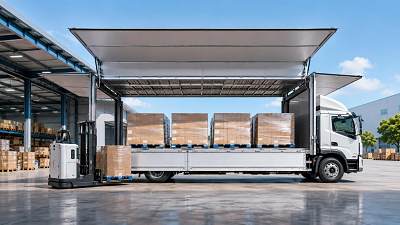
 Logistics & FreightHow does a truck wing body improve loading and unloading efficiency?Truck wing bodies speed up loading and unloading with wide side access, faster forklift handling, and flexible pallet delivery. Discover whether they fit your operation.
 Logistics & FreightRed Sea Delays Push Ro-Ro Transit to 42 DaysRed Sea delays push Ro-Ro transit to 42 days, forcing heavy-truck exporters to rethink Suez route timing, freight costs, and delivery planning. Explore faster alternatives and key trade impacts.
 Logistics & FreightCai Mep Delays Stretch Truck Parts Clearance to 12 DaysTruck parts clearance at Cai Mep now stretches to 12 days, disrupting road transport equipment imports. Learn the impact on delivery, procurement, and logistics planning.
 Logistics & FreightTruck Logging: Common Route and Load Mistakes That Raise Operating RiskTruck logging mistakes in route and load planning can quietly raise fuel costs, delays, wear, and compliance risk. Learn the key errors and how to build safer, more reliable transport decisions.
 Logistics & FreightLight Commercial Vehicle for Urban Delivery: Best Fit for Stop-and-Go RoutesLight commercial vehicle for urban delivery choices can make or break stop-and-go efficiency. Discover how to match payload, maneuverability, and cost for smarter city routes.
 Logistics & FreightRed Sea Disruptions Push Equipment Exports to Rail and Caspian RouteRed Sea disruptions are pushing equipment exports to rail and the Caspian route, cutting transit to 18–21 days. See how exporters can balance delivery speed, cost, and supply chain reliability.
![]() Logistics & FreightAlashankou Opens Priority Clearance for NEV Heavy TrucksAlashankou opens priority clearance for NEV heavy trucks, cutting customs time to under 4 hours and removing key port fees. See what this means for exporters, logistics teams, and buyers.
Logistics & FreightAlashankou Opens Priority Clearance for NEV Heavy TrucksAlashankou opens priority clearance for NEV heavy trucks, cutting customs time to under 4 hours and removing key port fees. See what this means for exporters, logistics teams, and buyers. Logistics & FreightChina-Europe Rail Adds Emergency Fuel SurchargeChina-Europe rail adds an emergency fuel surcharge of USD 1,200/TEU for trucks, semi-trailers, and chassis exports. See route impact, cost risks, and planning actions now.
 Logistics & FreightKazakhstan AI Customs Review Lifts Truck Parts Checks to 37%Kazakhstan AI customs review lifts truck parts checks to 37%, raising HS 8708 inspection risks and delays. Learn what exporters, importers, and brokers must do now.
 Logistics & FreightSuez Fee Hike Reshapes Ro-Ro Truck BookingsSuez fee hike reshapes Ro-Ro truck bookings as heavy truck exporters face higher freight costs, 90-day booking windows, and tighter vessel space—see what to plan now.
 Logistics & FreightRed Sea Disruption Tightens Ro-Ro Capacity on Asia-Europe RouteRed Sea disruption squeezes Ro-Ro capacity on the Asia-Europe route, driving heavy-truck shipping costs and delays. See what exporters, buyers, and logistics teams must track now.
 Logistics & FreightBest Light Commercial Vehicle for Urban Delivery in Tight City RoutesLight commercial vehicle for urban delivery: discover how to choose the best model for tight city routes with better maneuverability, loading efficiency, and lower operating costs.
 Logistics & FreightGTRI Jumps 12.3% as Red Sea Diversions Tighten CapacityGTRI jumps 12.3% as Red Sea diversions tighten truck shipping capacity on Asia-Europe routes. See what rising costs, 62-75 day lead times, and booking suspensions mean for exporters.
 Logistics & FreightWing Van Truck Loading Problems and Practical Ways to Reduce Cargo DamageWing van truck loading mistakes can damage cargo even on short routes. Learn practical ways to improve load balance, restraint, and daily handling to cut losses.
 Logistics & FreightSuez Canal Fees Rise 35% as Heavy Truck Shipping Hits 68 DaysSuez Canal fees rise 35% as heavy truck shipping stretches to 68 days. See how higher costs and longer transit can disrupt Q3 truck and chassis delivery plans.
 Logistics & FreightDjibouti Port Clearance for Truck Chassis Extends to 18 DaysDjibouti Port clearance for truck chassis now extends to 18 days, disrupting East Africa transit. Learn the impact on truck chassis shipments, documents, and delivery planning.
 Logistics & FreightDjibouti Port Extends Truck Chassis Clearance to 18 WorkdaysDjibouti Port extends truck chassis clearance to 18 workdays, raising customs risks for East Africa and Middle East shipments. Learn the new VIN and drawing rules now.
 Logistics & FreightSuez Eastbound Rates Rise 12% as Rail Alternatives GainSuez eastbound rates rise 12% as rail alternatives gain amid Djibouti congestion. See how shippers, vehicle parts importers, and logistics providers can adapt routing and protect supply continuity.
 Logistics & FreightBulk Trailer vs Container Trailer for High-Volume FreightBulk trailer or container trailer? Discover which option cuts handling costs, speeds high-volume freight, and fits your cargo, route, and delivery goals best.
 Logistics & FreightCentral Asia Rail Rates Jump as Red Sea Diversions BiteCentral Asia rail rates jump as Red Sea diversions tighten capacity. See how rising costs on the China-Kyrgyzstan-Uzbekistan corridor affect heavy truck exports, documents, and delivery planning.
 Logistics & FreightRail Rate Jump Signals Cost Pressure on Eurasian DiversionRail rate jump on the China-Kyrgyzstan-Uzbekistan corridor signals rising Eurasian cost pressure. See how it may impact delivery timing, export quotes, and supply chain planning.
 Logistics & FreightWhen a Van Trailer Is the Right Choice for Secure FreightVan trailer solutions protect secure freight from weather, dust, and theft. Learn when a van trailer is the smart choice for safer delivery and better cargo control.
 Logistics & FreightRed Sea Disruption Lifts China-Kyrgyz-Uzbek Rail Rates 18%Red Sea disruption lifts China-Kyrgyz-Uzbek rail rates 18%, raising export costs for truck KD parts, chassis, and loose components. See what shippers must monitor now.
 Logistics & FreightChina-Europe Rail Eastern Route Passes 40,000 TripsChina-Europe Rail Eastern Route passes 40,000 trips as Manzhouli launches a smart warehouse for heavy truck KD exports. Discover how faster customs clearance may improve rail logistics planning.