How to Choose Excavator Parts That Last Longer
Choosing excavator parts that last longer is not only a purchasing issue. It affects uptime, repair frequency, fuel efficiency, and jobsite safety across construction, mining, and transport-linked operations.
When a bucket tooth, seal kit, undercarriage component, or hydraulic part fails early, the impact spreads quickly. Delays reach the machine, the crew, the delivery schedule, and sometimes the wider land transport equipment chain.
That is why durable excavator parts deserve closer evaluation. Longer service life comes from the right match between material quality, operating conditions, machine compatibility, and supplier consistency.
Why service life matters more than unit price
Cheap parts can appear attractive during urgent replacement cycles. In actual use, the lower invoice often hides higher downtime, repeated labor, premature wear on connected components, and unstable machine performance.
For excavators working in infrastructure projects, quarries, municipal engineering, or industrial loading yards, reliability matters more than short-term savings. A part that lasts 30 percent longer can change maintenance planning significantly.
This is especially relevant in global heavy equipment markets, where machines support logistics corridors, roadbuilding, mining haul routes, and cargo terminals. The machine may be stationary, but the business risk is part of a larger transport system.
Start with the part category, not the catalog photo
Not all excavator parts fail for the same reason. Wear parts, hydraulic parts, structural parts, and electrical components each require different selection logic.
High-wear ground engaging parts
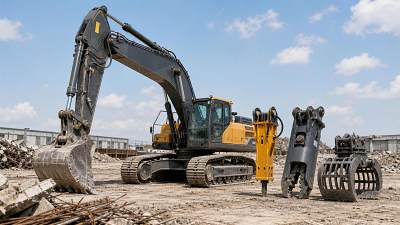
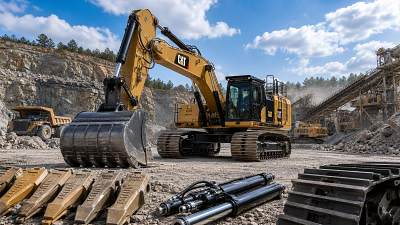
Bucket teeth, adapters, side cutters, blades, and wear plates face abrasion, impact, and changing soil conditions. Hardness matters, but excessive hardness can also increase brittleness.
Undercarriage components
Track chains, rollers, idlers, sprockets, and track shoes wear as a system. If one component is poor, the entire undercarriage can deteriorate faster than expected.
Hydraulic and sealing parts
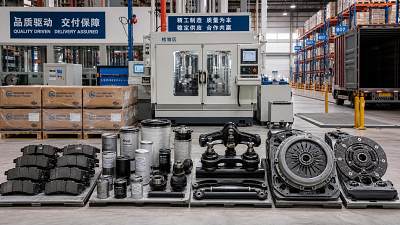
Pumps, valves, hoses, cylinders, and seal kits depend on machining tolerance, rubber quality, pressure resistance, and contamination control. Even small defects reduce life sharply.
Structural and attachment-related parts
Pins, bushings, linkages, and attachment interfaces need proper metallurgy and dimensional accuracy. A loose fit can quickly become a larger repair issue.
What durable excavator parts usually have in common
Longer-lasting excavator parts are rarely defined by one feature. They usually combine material quality, stable production control, accurate fitment, and traceable manufacturing data.
- Verified raw materials suited to abrasion, impact, heat, or pressure.
- Heat treatment processes that are controlled and repeatable.
- Precise dimensions that reduce stress concentration and uneven load.
- Surface treatment or coating where corrosion resistance matters.
- Batch consistency supported by inspection records or testing data.
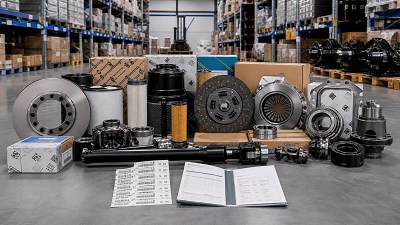
- Clear part identification, cross-reference numbers, and compatibility details.
Simple claims such as heavy duty or premium grade are not enough. What matters is whether the specification matches the actual stress the machine will face.
How operating conditions change the right choice
A part that performs well in light trenching may fail quickly in hard rock, demolition debris, or wet clay. Service life always depends on application context.
This is where many buying errors begin. The same machine model can require different excavator parts depending on bucket size, attachment type, operator habits, and terrain.
Compatibility is a durability issue
Parts that do not fit exactly often fail earlier, even when the material appears acceptable. Small deviations in dimensions, pressure rating, or mounting geometry create hidden stress.
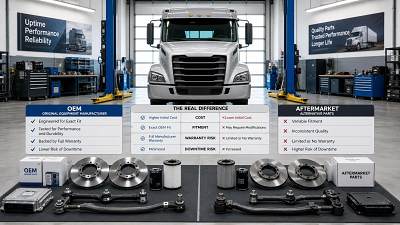
Part numbers should be checked against machine model, production year, serial range, attachment configuration, and any field modifications. This matters for both OEM-equivalent and aftermarket excavator parts.
Hydraulic components need particular caution. A hose assembly or seal that is close enough on paper may still be wrong under working pressure, temperature cycles, or fluid compatibility requirements.
How to evaluate suppliers beyond price lists
Part longevity is closely linked to supplier discipline. A capable supplier should provide more than a catalog and a quotation sheet.
- Material specifications or hardness ranges where relevant.
- Quality inspection records, batch traceability, or test reports.
- Clear cross-reference support for OEM numbers and machine models.
- Consistent lead times and packaging suited to international transport.
- A realistic warranty policy tied to proper usage conditions.
- Responsive technical communication when fitment questions appear.
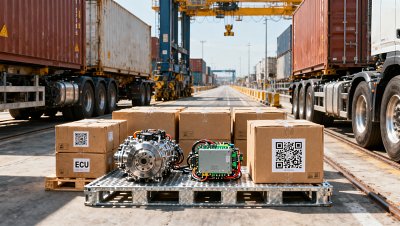
In cross-border sourcing, these details become even more important. Poor packaging, weak labeling, or inconsistent batches can erase any savings made at the order stage.
Digital sourcing platforms are useful here because they make comparison easier. On a specialized marketplace covering heavy trucks, construction machinery, trailers, and spare parts, buyers can review broader supplier information in one place.
That wider view matters because excavators often operate in the same project environments as transport equipment. Maintenance planning benefits from supplier networks that understand both machinery components and heavy-duty operational demands.
Warning signs that a part may not last
Some quality risks are visible before installation. Others appear in the documentation, or in what is missing from it.
- No traceable part number or unclear origin.
- Generic compatibility claims without serial range details.
- Unusually low pricing with no technical explanation.
- Rough machining, inconsistent finish, or visible casting defects.
- Missing test data for hydraulic, rubber, or wear-critical items.
- Frequent changes in specification between batches.
A part does not need to be branded by the original machine maker to perform well. It does need evidence of manufacturing control and reliable application history.
Build a practical selection routine
The most effective approach is to create a repeatable evaluation process for excavator parts. That reduces rushed decisions during breakdown situations.
Track failure patterns
Record service hours, failure mode, site condition, and supplier source. Over time, patterns become clear. One brand may work well in clay but wear too fast in aggregate.
Compare total operating cost
Measure cost per service hour, not only purchase price. Include labor, downtime, fuel loss, and collateral wear on connected components.
Use trial orders carefully
When testing a new supplier, start with selected excavator parts under monitored conditions. Keep installation and operating variables as consistent as possible.
Review the supplier ecosystem
A platform with access to global truck brands, machinery categories, spare parts, and market insight can help verify whether a supplier is established, specialized, and responsive.
A better next step for sourcing decisions
Better excavator parts selection starts with a simple shift. Treat durability as a combination of fit, materials, manufacturing quality, and site-specific performance.
Before the next order cycle, review the parts that fail most often, map them to operating conditions, and compare suppliers on documented quality rather than price alone.
Where global sourcing is involved, use industry platforms that combine supplier access, product comparison, and market information. That makes it easier to narrow choices and build a more dependable parts strategy.
In practice, longer-lasting excavator parts are rarely found by chance. They are identified through better questions, better records, and better alignment between the machine, the workload, and the source.
Trending News
- How to verify a truck trailer OEM's claimed payload capacity
- How does operating weight affect the price of a new excavator?
- How to compare concrete mixer truck suppliers by total landed cost
- How axle load limits affect low bed trailer exports to Southeast Asia
- How to locate a truck exhaust system leak before replacing parts
Tag
Recommended News
 Truck Parts IndustryWhat causes a truck injector to fail prematurely?Truck injector failure can stem from fuel contamination, water, wiring faults, heat, or incorrect installation. Discover practical diagnostic steps to prevent repeat repairs.
 Truck Parts IndustryEU REACH Rule Takes Effect for Truck Rubber PartsEU REACH Rule takes effect for truck rubber parts exported to the EU. Learn how SCIP reporting, SVHC declarations, and supply chain compliance now impact truck manufacturers and suppliers.
 Truck Parts IndustryHow to Evaluate Commercial Vehicle Parts With Eco-Friendly Materials for Durability and ComplianceCommercial vehicle parts with eco-friendly materials require more than green claims. Learn how to assess durability, compliance, and supplier reliability for smarter sourcing.
 Truck Parts IndustryHow to Evaluate a Truck Parts Supplier Beyond Unit PriceTruck parts supplier selection should go beyond unit price. Learn how to assess quality, traceability, compliance, delivery, and support to reduce fleet risk and total cost.
 Truck Parts IndustryVietnam to Require QR Traceability Labels on Imported Heavy-Truck PartsVietnam to Require QR Traceability Labels on Imported Heavy-Truck Parts from Aug 1, 2026. Learn scope, VNQR-2025 rules, VITRAC links, and how to avoid port refusal and fines.
 Truck Parts IndustryHow to Evaluate a Truck Spare Parts Supplier for Long-Term Cost ControlTruck spare parts supplier selection affects far more than price. Learn how to compare quality, delivery, traceability, and hidden costs to protect fleet uptime and control long-term expenses.
 Truck Parts IndustryFuel Injection Pump Failure Signs and What They Mean for Engine PerformanceFuel injection pump failure signs can quickly reduce truck power, raise fuel use, and trigger hard starts. Learn what each symptom means and when to act before costly downtime.
 Truck Parts IndustryExcavator Attachment Selection for Demolition and Site PrepExcavator attachment selection for demolition and site prep: compare breakers, grapples, crushers, and buckets to boost productivity, safety, and ROI.
 Truck Parts IndustryTruck Engine Overhaul or Replacement: Which Costs Less Long Term?Truck engine overhaul or replacement? Compare long-term cost, downtime, fuel efficiency, and reliability to choose the smarter option for your fleet.
 Truck Parts IndustryHow to Choose Excavator Parts That Last LongerExcavator parts buying guide: learn how to choose excavator parts that last longer by comparing fit, material quality, operating conditions, and supplier reliability.
 Truck Parts IndustryAre Eco-Friendly Commercial Vehicle Parts Durable Enough for Daily Use?Commercial vehicle parts with eco-friendly materials can be durable for daily use—if tested right. Explore where they perform best, key risks, and smarter sourcing insights.
 Truck Parts IndustryTruck Parts OEM vs Aftermarket: Cost, Fit, and Warranty RisksTruck parts OEM vs aftermarket: compare true cost, fit accuracy, and warranty risks to reduce downtime, avoid disputes, and make smarter fleet sourcing decisions.
 Truck Parts IndustryTruck Spare Parts Buying Guide: How to Reduce Downtime and Fitment RiskTruck spare parts buying guide for fleet maintenance teams: learn how to reduce downtime, avoid fitment risk, verify suppliers, and make smarter sourcing decisions.
 Truck Parts IndustryHow to Evaluate a Truck Parts Supplier Beyond PriceTruck parts supplier selection should go beyond price. Learn how to compare quality, delivery, service, and total cost to reduce risk and keep fleets running efficiently.
 Truck Parts IndustryHeavy Truck Parts for Construction: Signs of a Reliable ManufacturerHeavy truck parts manufacturer for construction: learn how to identify reliable suppliers through quality control, traceability, testing, and support to reduce downtime and improve fleet safety.
 Truck Parts IndustryHow to Compare Truck Spare Parts Suppliers on Quality and Lead TimeTruck spare parts supplier comparison starts with quality and lead time. Learn how to assess consistency, delivery reliability, and sourcing fit for smarter purchases.
 Truck Parts IndustryEU REACH Sets PAH Limit for Heavy Truck Rubber PartsEU REACH sets a new PAH limit for heavy truck rubber parts, affecting brake hoses, bushings, and export compliance. Learn what suppliers must prepare now to avoid testing delays and customs risks.
 Truck Parts IndustryWhat to Check in a Truck Chassis Supplier Before Fleet ExpansionTruck chassis supplier selection can make or break fleet expansion. Learn what to check on quality, production, delivery, support, and total cost before requesting a quote.
 Truck Parts IndustryCold Storage Truck Parts That Matter Most for Temperature ControlCommercial vehicle parts for cold storage determine real temperature stability. Discover the key truck components that reduce spoilage, improve efficiency, and protect sensitive cargo.
 Truck Parts IndustryHow to Evaluate a Heavy Truck Parts Manufacturer for Long-Term Supply StabilityHeavy truck parts manufacturer selection starts with supply stability. Learn how to assess quality, capacity, lead times, and risk signals for smarter long-term sourcing.
 Truck Parts IndustryEU EPR Rules Extend to Commercial TrailersEU EPR rules now extend to commercial trailers, bringing new registration, reporting, and fee duties from 2027. See how exporters can prepare early to avoid customs delays.
 Truck Parts IndustryTruck Suspension Problems: Signs, Causes, and Fix OptionsTruck suspension issues can lead to tire wear, poor handling, and costly downtime. Learn the key signs, root causes, and best fix options for different truck applications.
 Truck Parts IndustryHow to Choose a Heavy Truck Parts Manufacturer for Construction FleetsHeavy truck parts manufacturer for construction selection starts with uptime, quality, and delivery. Learn how to compare suppliers, reduce fleet risk, and choose with confidence.
 Truck Parts IndustryUS Sets AEBS Rule for Imported Commercial TrailersUS sets AEBS rule for imported commercial trailers starting Oct. 1, 2026. Learn FMVSS No. 127A, SAE J2929, and key compliance steps to avoid CBP entry denial.
 Truck Parts IndustryHow to Choose Commercial Vehicle Parts That Reduce DowntimeCommercial vehicle parts selection can make or break fleet uptime. Learn how to choose parts that improve fit, quality, supply reliability, and lower total downtime cost.