Excavator Parts Failure Signs You Should Not Ignore
Excavator Parts Failure Signs Often Start Small
Minor changes in excavator parts rarely stay minor for long.
A weak hydraulic response, rising heat, or uneven wear usually appears before a shutdown.
In transport-linked construction and earthmoving work, lost machine hours affect truck schedules, site flow, and delivery commitments.
That is why failure signs in excavator parts matter beyond maintenance alone.
They influence project timing, fuel use, safety margins, and replacement planning across the wider heavy equipment chain.
In real operations, the right response depends on where the machine works, how hard it runs, and which parts show distress first.
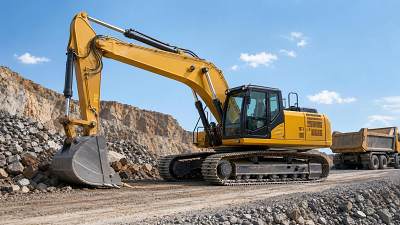
A crawler excavator in quarry loading will not age like one handling municipal trench work.
Reading those differences correctly helps avoid expensive parts swaps that solve the wrong problem.
Why the Same Failure Sign Means Different Things
The same symptom can point to very different causes.
Slow boom movement may come from worn seals, contaminated oil, a weak pump, or incorrect pressure settings.
Abnormal noise around travel components may suggest loose track tension in one setting, but bushing or sprocket wear in another.
This is especially relevant when excavator parts are sourced across different brands, model years, and operating regions.
Platforms that connect global heavy equipment suppliers and market data are useful here because compatibility and usage history matter as much as price.
For land transport equipment and construction machinery, parts decisions are rarely isolated.
Downtime on an excavator can slow truck loading, delay spoil removal, and reduce utilization across an entire job chain.
Early signs worth tracking before visible failure
- Hydraulic cylinders drifting when controls are neutral
- Pins and bushings developing side play faster than expected
- Engine load rising during routine digging cycles
- Track links wearing unevenly from one side
- Frequent hose sweating, cracking, or hardening near fittings
- Bucket teeth loss occurring in short service intervals
On High-Load Sites, Wear Usually Shows Up First in the Undercarriage
Mining faces, rock handling areas, and heavy loading zones punish undercarriage excavator parts faster than many teams expect.
The machine may still dig well while track chains, rollers, idlers, and sprockets are already moving toward failure.
A common mistake is waiting for severe noise or derailment before inspection.
By that point, wear has usually spread across matched components.
In these settings, daily cleaning is not enough.
The more useful judgment is whether wear remains even and whether track tension matches terrain and load.
If one side ages faster, check alignment, travel habits, and ground conditions before ordering replacement excavator parts.
Otherwise, new parts may be installed into the same damaging pattern.
In Utility and Urban Work, Hydraulic Weakness Causes Earlier Productivity Loss
Municipal trenches and compact city sites create a different stress pattern.
Machines often cycle frequently, work in tighter spaces, and rely on smooth control more than brute breakout force.
Here, failing excavator parts often reveal themselves through unstable motion rather than obvious breakage.
A jerky arm, delayed swing response, or weak attachment action should not be treated as normal aging.
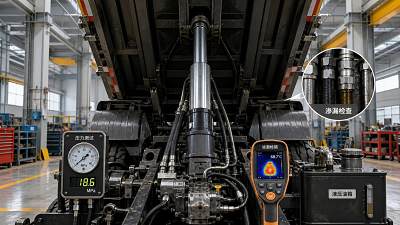
These signs can indicate valve wear, seal leakage, pressure loss, or contamination moving through the hydraulic system.
This kind of scenario needs cleaner diagnosis because a single leaking component can affect several functions.
Changing only the most visible part may restore performance briefly, then the same symptom returns.
What to check when control feel changes
- Hydraulic oil condition, viscosity, and contamination level
- Cylinder seal leakage and rod surface scoring
- Pump pressure consistency under repeated cycles
- Valve block response and spool wear
- Hose routing near heat sources and abrasion points
When Heat Builds Up, the Problem May Sit Beyond the Cooling System
Overheating is often misunderstood as a radiator-only issue.
In actual field conditions, heat can rise because several excavator parts are working against hidden resistance.
Dragging travel components, a strained pump, clogged filters, or incorrect fluid grades all increase system temperature.
This is more common in dusty infrastructure projects where machines idle, move, and dig in irregular cycles.
The warning sign is not only the gauge reading.
Watch for slower response after long operation, hot smells near covers, hardened hoses, and repeated alarm recovery after short cool-down periods.
If heat returns quickly, the machine needs a broader parts review.
Long Shifts Change How Structural Excavator Parts Fail
Machines used for repetitive loading beside truck fleets often show structural wear before dramatic breakdowns happen.
Bucket linkages loosen, pin bores open up, and teeth wear into uneven profiles.
At first, output may still look acceptable.
The hidden cost appears in spill, slower cycle times, and extra strain on hydraulic excavator parts.
This matters on logistics and material transfer sites where excavators and road transport equipment depend on each other.
A slightly loose bucket connection can turn into a broad productivity problem when every truck waits longer to load.
The better practice is to measure play, inspect contact surfaces, and compare wear patterns over time.
Common Misreads That Lead to Wrong Parts Decisions
Several mistakes appear again and again in excavator parts maintenance.
- Assuming every noise means urgent replacement, without checking lubrication or alignment
- Replacing one failed hose while ignoring fluid contamination that damaged it
- Comparing part dimensions only, without confirming material grade or seal quality
- Choosing the lowest initial cost, while overlooking service life in harsh duty cycles
- Treating quarry, roadwork, and municipal jobs as if they stress excavator parts equally
These misreads become more expensive in cross-border sourcing.
Part numbers may match, but operating conditions, aftermarket quality levels, and maintenance intervals can differ sharply.
That is where supplier transparency, technical data, and market comparison tools become practical rather than optional.
A Practical Way to Match Failure Signs With the Right Next Step
Useful decisions usually start with three questions.
Has the symptom changed gradually or suddenly?
Is it isolated to one function or spreading across the machine?
Does the current operating scene explain the wear rate?
From there, the next action becomes clearer.
- For undercarriage concerns, record left and right wear separately before ordering excavator parts
- For hydraulic weakness, test pressure and fluid condition before changing multiple components
- For overheating, inspect resistance points across the system, not only the radiator area
- For structural looseness, measure joint play and compare with service history
- For replacement planning, verify compatibility, expected duty cycle, and supplier traceability
In practice, this approach reduces guesswork and improves timing.
It also helps when comparing global supply options for excavator parts within a broader heavy equipment marketplace.
What to Do Before Small Signs Become a Major Shutdown
The most useful warning signs are rarely dramatic.
They show up as small response delays, uneven wear, extra heat, fluid changes, or recurring vibration.
When those signs are read in the context of actual workload, better decisions follow.
Start by mapping the machine’s operating scene, then confirm which excavator parts are under the highest stress.
Compare failure patterns against maintenance records, replacement history, and current site conditions.
If sourcing is needed, check technical details, compatibility, and supplier reliability with the same care used for the diagnosis itself.
That is usually the difference between a quick repair and a repeated shutdown cycle.
Trending News
- How to verify a truck trailer OEM's claimed payload capacity
- How does operating weight affect the price of a new excavator?
- How to compare concrete mixer truck suppliers by total landed cost
- How axle load limits affect low bed trailer exports to Southeast Asia
- How to locate a truck exhaust system leak before replacing parts
Tag
Recommended News
 FAQHow to spot early signs of truck hydraulic system failureTruck hydraulic system issues rarely start with total failure. Learn the early signs—pressure loss, noise, leaks, heat, and jerky movement—to prevent downtime and costly repairs.
 FAQHow to Diagnose Common Truck Steering System Problems Before They Cause DowntimeTruck steering system problems can cause costly downtime. Learn how to spot early warning signs, diagnose faults fast, and keep fleets safe and reliable.
 FAQTruck Air System Problems: Common Failure Points and FixesTruck air system problems can start with slow pressure build, leaks, or moisture. Learn common failure points, practical fixes, and how to improve truck uptime and safety.
 FAQExcavator Parts Failure Signs You Should Not IgnoreExcavator parts warning signs often start small. Learn how to spot wear, hydraulic weakness, overheating, and undercarriage damage early to reduce downtime and avoid costly shutdowns.
 FAQTruck Axle Failure Signs and Maintenance Checks That MatterTruck axle warning signs often start with heat, noise, leaks, or uneven tire wear. Learn the key maintenance checks that prevent costly downtime and unsafe failures.
 FAQTruck Wing Loading Problems and How to Prevent DowntimeTruck wing loading problems often start with small daily errors. Learn practical checks, route-based prevention tips, and smart maintenance steps to cut downtime and keep deliveries moving.
 FAQTruck Cement Delivery Problems: Common Causes and Practical FixesTruck cement delivery problems can cause blockages, delays, and waste. Learn the common causes, practical fixes, and smart checks to improve reliability and reduce downtime.
 FAQTruck Refrigerated Unit Failures That Increase Cargo Loss RiskTruck refrigerated failures can quietly raise cargo loss risk. Learn how route type, heat, airflow, seals, and parts planning affect cold-chain reliability.
 FAQTruck Transmission Problems: Early Signs, Causes, and Fix OptionsTruck transmission issues can start with subtle shifts, slipping, or heat buildup. Learn early signs, key causes, and practical repair or rebuild options for every duty cycle.
 FAQTruck Pump Troubleshooting: Common Pressure Loss Causes and FixesTruck pump troubleshooting guide: discover common pressure loss causes, warning signs, and practical fixes to restore hydraulic performance, reduce downtime, and prevent repeat failures.
 FAQHow to Evaluate a Truck Cement Supplier for Delivery RiskTruck cement supplier evaluation starts with delivery risk. Learn how to assess capacity, logistics control, export readiness, and on-time performance before you place an order.
 FAQExcavator Bucket Sizes Explained for Trenching, Loading, and Rock WorkExcavator bucket size affects trenching accuracy, loading speed, and rock work durability. Learn how to choose the right excavator bucket for better productivity and lower wear.
 FAQTruck Battery Problems: Signs, Causes, and FixesTruck battery problems can lead to breakdowns and costly delays. Learn the key warning signs, main causes, and practical fixes to keep heavy trucks reliable and on the road.
 FAQTipper Trailer Payload Limits and Safety RisksTipper trailer payload limits affect braking, stability, and rollover risk. Learn practical safety checks, load control tips, and ways to reduce costly overload damage.
 FAQHow to Qualify a Truck Tipper Supplier for Safety and Build ConsistencyTruck tipper supplier qualification starts with safety. Learn how to assess build consistency, hydraulic reliability, and factory controls to reduce sourcing risk.
 FAQHow to Read a Water Truck Quotation Without Missing Hidden CostsWater truck quotation guide: learn how to spot hidden costs in specs, freight, compliance, spare parts, and warranty so you can compare offers accurately and buy with confidence.
 FAQDelivery Truck Supplier for School Transportation: Safety ChecklistDelivery truck supplier for school transportation: use this safety checklist to compare compliance, braking, visibility, build quality, and supplier reliability before you buy.
 FAQHow ISO Certification Reduces Sourcing Risk in Truck Chassis SupplyHeavy truck chassis manufacturer with ISO certification: discover how certified suppliers reduce sourcing risk, improve traceability, and support safer global truck chassis procurement.
 FAQWater Sprinkler Truck Uses, Tank Sizes, and Road Safety BasicsWater sprinkler truck uses, tank sizes, and road safety basics explained. Learn how to choose the right capacity, improve dust control efficiency, and compare reliable fleet-ready options.
 FAQDelivery Truck for School Transportation: Safety Points Before OrderingDelivery truck supplier for school transportation: review key safety points before ordering, from braking and visibility to compliance and passenger protection.
 FAQDump Truck Sourcing Mistakes That Delay Construction ProjectsDump truck sourcing mistakes can delay construction projects, raise hidden costs, and disrupt site schedules. Learn the key risks to avoid and source smarter for faster, more reliable project delivery.
 FAQIs a Bulldozer for Construction the Right Fit for Your Site ConditionsBulldozer for construction: learn how terrain, soil, slope, and job size determine the right machine fit. Compare site conditions, avoid costly mismatches, and choose with confidence.
 FAQDump Truck OEM Quality Control Points Before Factory AcceptanceDump truck OEM quality control points before factory acceptance: learn the key checks for welding, hydraulics, brakes, and safety to reduce risk, avoid failures, and choose reliable suppliers.
 FAQTruck Trailer Bulk Order: How to Avoid Spec Drift Across BatchesTruck trailer bulk order quality can fail when specs drift across batches. Learn how to lock standards, align suppliers, and protect safety, compliance, and delivery consistency.
 FAQWhat a Dump Truck Distributor Should Offer After Vehicle DeliveryDump truck distributor support matters after delivery. Learn what to expect in spare parts, warranty, training, and technical service to reduce downtime and protect your investment.