Truck Axle Failure Signs and Maintenance Checks That Matter
Why does a truck axle deserve early attention?
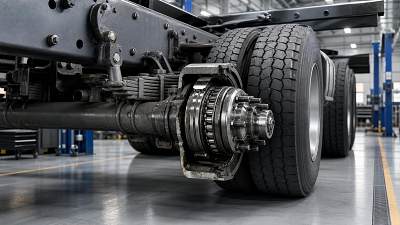
A truck axle rarely fails without warning. The trouble usually starts with noise, heat, vibration, or uneven tire behavior.
In daily service, those signs are easy to dismiss as wheel, brake, or suspension issues. That is where expensive downtime begins.
For heavy trucks working in logistics, mining, municipal hauling, or construction support, axle condition directly affects safety and schedule control.
A damaged truck axle can also trigger repeat repairs. Bearings, hubs, seals, tires, and brake components may fail sooner when alignment or load transfer is wrong.
That is why practical inspection matters more than waiting for a complete breakdown. The useful question is not whether the truck axle is worn, but how early the warning appears.
Across the global heavy truck market, parts sourcing has become broader and faster. Even so, replacing the wrong axle parts still wastes labor, vehicle time, and freight capacity.
Industry platforms that connect suppliers, spare parts listings, and technical references can help confirm axle specifications, but diagnosis must still start on the vehicle.
What are the first signs that a truck axle is going bad?
The first clue is often a change in feel rather than a visible crack. Drivers may report a hum, steering pull, or harsh vibration under load.
More often, the truck axle problem shows up in related parts. Tire shoulder wear, oil around the hub, or brake drag can point back to axle trouble.
Watch for these common warning signals:
- Abnormal tire wear on one side or across one axle position.
- Grinding, humming, or clicking from the hub area.
- Axle housing or hub running hotter than the opposite side.
- Visible lubricant leakage at seals or around the differential ends.
- Steering instability, drift, or rear-end walk on uneven roads.
- Metal particles in drained oil or grease.
A bent truck axle usually leaves a tire and alignment pattern. A failing bearing often adds heat and sound before serious play becomes obvious.
Seal failure can look minor at first, yet it quickly affects lubrication quality. Once contamination enters, the repair scope gets wider.
Quick symptom-to-check guide
The table below helps separate likely truck axle faults from similar workshop complaints.
Which inspection checks matter most before a truck axle fails?
A useful truck axle inspection is systematic. Random visual checks miss the faults that create repeat workshop returns.
In actual service, the most reliable checks combine temperature, movement, lubrication, and wear pattern evidence.
Focus on these areas during routine maintenance:
- Hub temperature comparison after similar operating cycles.
- Wheel end play and bearing preload condition.
- Seal leakage, breather blockage, and lubricant cleanliness.
- Axle beam straightness and mounting point integrity.
- U-bolts, brackets, and suspension attachment torque retention.
- Tire wear mapping across every position on the same truck axle.
A temperature gun is simple but effective. One hot hub compared with the opposite side often tells more than a quick visual check.
Lubrication checks matter just as much. Burnt odor, dark oil, water entry, or metallic debris all suggest internal axle wear.
When the truck works in wet haul roads, overloaded routes, or stop-start urban cycles, shorten the inspection interval. Standard schedules may be too optimistic.
Is it a bearing problem, alignment issue, or actual truck axle damage?
This is where many repair decisions go wrong. Similar symptoms do not always come from the same source.
If the truck axle is bent or misaligned, tire wear is usually persistent and directional. Replacing tires alone will not solve it.
If the problem is bearing-related, noise and heat tend to build faster. You may also find looseness at the wheel end.
Brake drag can imitate axle heat. However, it normally leaves more obvious friction marks and pad or lining clues.
A practical way to judge the truck axle fault is to combine three findings, not one:
- Operating symptom, such as pull, vibration, or hum.
- Physical evidence, such as leakage, wear pattern, or runout.
- Measurement result, such as temperature, end play, or alignment data.
When one of those is missing, diagnosis becomes guesswork. That usually leads to extra parts and another service stop.
For mixed fleets using different axle brands, checking part numbers and technical references is also important. Similar housings may use different seal sizes or bearing arrangements.
This is where a global heavy truck industry platform can be useful in the background. It helps verify spare parts sources, model compatibility, and supplier options before ordering.
What maintenance mistakes shorten truck axle life?
Most premature truck axle failures are not sudden material defects. They usually come from lubrication mistakes, overload, poor installation, or ignored early symptoms.
One common mistake is replacing a failed seal without checking bearing condition or axle venting. The leak stops briefly, then returns.
Another is mixing lubricant grades without confirming compatibility. In heavy-duty service, wrong viscosity can affect temperature and film strength.
The truck axle also suffers when wheel end adjustment is rushed. Too tight raises heat. Too loose increases movement and wear.
The most costly workshop errors usually include:
- Ignoring breather blockage after water or mud exposure.
- Reusing damaged lock hardware or worn spacers.
- Skipping torque confirmation after suspension work.
- Treating uneven tire wear as a tire-only problem.
- Ordering generic axle parts without checking exact application data.
Where fleets run across borders or buy from multiple suppliers, parts verification becomes even more important. Small dimensional differences can create large service problems later.
How often should truck axle checks be scheduled, and what deserves priority?
There is no single interval that fits every truck axle. Route severity, load profile, environment, and brake duty all change the inspection cycle.
For line-haul trucks on stable highways, routine checks may align with standard preventive maintenance intervals. Severe duty vehicles need closer monitoring between full services.
As a working rule, priority should go to vehicles showing repeat tire wear, seal leakage, high hub temperature, or heavy off-road exposure.
A practical maintenance sequence looks like this:
- Record driver complaints and match them to axle position.
- Compare hub temperatures after operation.
- Inspect seals, lubricant condition, and wheel end play.
- Review tire wear history and recent suspension repairs.
- Confirm exact truck axle specifications before ordering parts.
That last step matters more than it seems. A digital industry marketplace with brand directories, spare parts data, and supplier comparison tools can reduce ordering errors and service delays.
The value is not only in finding parts. It is also in finding the correct axle-related information fast enough to keep maintenance decisions accurate.
What should be done next when truck axle warning signs appear?
Do not wait for a louder noise or a visible failure. Once a truck axle starts showing heat, leakage, vibration, or abnormal wear, the cost curve rises quickly.
The better approach is to document the symptom, inspect the related wheel end, confirm measurements, and trace the root cause before replacing parts.
For heavy truck operations, that means linking maintenance records with route conditions, axle model data, and spare parts accuracy.
A reliable truck axle program is built on early detection, consistent inspection points, and better supplier verification. That combination reduces unsafe operation and avoids repeated workshop visits.
The next practical step is to review current axle checklists, tighten fault confirmation standards, and compare available replacement parts against exact truck specifications and service conditions.
Trending News
- How axle load limits affect low bed trailer exports to Southeast Asia
- How to locate a truck exhaust system leak before replacing parts
- When does heavy equipment transport require a lowboy trailer?
- When does a light commercial vehicle for urban delivery save fleet costs?
- How to choose an off road truck for steep and unstable job sites
Tag
Recommended News
 FAQHow to spot early signs of truck hydraulic system failureTruck hydraulic system issues rarely start with total failure. Learn the early signs—pressure loss, noise, leaks, heat, and jerky movement—to prevent downtime and costly repairs.
 FAQHow to Diagnose Common Truck Steering System Problems Before They Cause DowntimeTruck steering system problems can cause costly downtime. Learn how to spot early warning signs, diagnose faults fast, and keep fleets safe and reliable.
 FAQTruck Air System Problems: Common Failure Points and FixesTruck air system problems can start with slow pressure build, leaks, or moisture. Learn common failure points, practical fixes, and how to improve truck uptime and safety.
 FAQExcavator Parts Failure Signs You Should Not IgnoreExcavator parts warning signs often start small. Learn how to spot wear, hydraulic weakness, overheating, and undercarriage damage early to reduce downtime and avoid costly shutdowns.
 FAQTruck Axle Failure Signs and Maintenance Checks That MatterTruck axle warning signs often start with heat, noise, leaks, or uneven tire wear. Learn the key maintenance checks that prevent costly downtime and unsafe failures.
 FAQTruck Wing Loading Problems and How to Prevent DowntimeTruck wing loading problems often start with small daily errors. Learn practical checks, route-based prevention tips, and smart maintenance steps to cut downtime and keep deliveries moving.
 FAQTruck Cement Delivery Problems: Common Causes and Practical FixesTruck cement delivery problems can cause blockages, delays, and waste. Learn the common causes, practical fixes, and smart checks to improve reliability and reduce downtime.
 FAQTruck Refrigerated Unit Failures That Increase Cargo Loss RiskTruck refrigerated failures can quietly raise cargo loss risk. Learn how route type, heat, airflow, seals, and parts planning affect cold-chain reliability.
 FAQTruck Transmission Problems: Early Signs, Causes, and Fix OptionsTruck transmission issues can start with subtle shifts, slipping, or heat buildup. Learn early signs, key causes, and practical repair or rebuild options for every duty cycle.
 FAQTruck Pump Troubleshooting: Common Pressure Loss Causes and FixesTruck pump troubleshooting guide: discover common pressure loss causes, warning signs, and practical fixes to restore hydraulic performance, reduce downtime, and prevent repeat failures.
 FAQHow to Evaluate a Truck Cement Supplier for Delivery RiskTruck cement supplier evaluation starts with delivery risk. Learn how to assess capacity, logistics control, export readiness, and on-time performance before you place an order.
 FAQExcavator Bucket Sizes Explained for Trenching, Loading, and Rock WorkExcavator bucket size affects trenching accuracy, loading speed, and rock work durability. Learn how to choose the right excavator bucket for better productivity and lower wear.
 FAQTruck Battery Problems: Signs, Causes, and FixesTruck battery problems can lead to breakdowns and costly delays. Learn the key warning signs, main causes, and practical fixes to keep heavy trucks reliable and on the road.
 FAQTipper Trailer Payload Limits and Safety RisksTipper trailer payload limits affect braking, stability, and rollover risk. Learn practical safety checks, load control tips, and ways to reduce costly overload damage.
 FAQHow to Qualify a Truck Tipper Supplier for Safety and Build ConsistencyTruck tipper supplier qualification starts with safety. Learn how to assess build consistency, hydraulic reliability, and factory controls to reduce sourcing risk.
 FAQHow to Read a Water Truck Quotation Without Missing Hidden CostsWater truck quotation guide: learn how to spot hidden costs in specs, freight, compliance, spare parts, and warranty so you can compare offers accurately and buy with confidence.
 FAQDelivery Truck Supplier for School Transportation: Safety ChecklistDelivery truck supplier for school transportation: use this safety checklist to compare compliance, braking, visibility, build quality, and supplier reliability before you buy.
 FAQHow ISO Certification Reduces Sourcing Risk in Truck Chassis SupplyHeavy truck chassis manufacturer with ISO certification: discover how certified suppliers reduce sourcing risk, improve traceability, and support safer global truck chassis procurement.
 FAQWater Sprinkler Truck Uses, Tank Sizes, and Road Safety BasicsWater sprinkler truck uses, tank sizes, and road safety basics explained. Learn how to choose the right capacity, improve dust control efficiency, and compare reliable fleet-ready options.
 FAQDelivery Truck for School Transportation: Safety Points Before OrderingDelivery truck supplier for school transportation: review key safety points before ordering, from braking and visibility to compliance and passenger protection.
 FAQDump Truck Sourcing Mistakes That Delay Construction ProjectsDump truck sourcing mistakes can delay construction projects, raise hidden costs, and disrupt site schedules. Learn the key risks to avoid and source smarter for faster, more reliable project delivery.
 FAQIs a Bulldozer for Construction the Right Fit for Your Site ConditionsBulldozer for construction: learn how terrain, soil, slope, and job size determine the right machine fit. Compare site conditions, avoid costly mismatches, and choose with confidence.
 FAQDump Truck OEM Quality Control Points Before Factory AcceptanceDump truck OEM quality control points before factory acceptance: learn the key checks for welding, hydraulics, brakes, and safety to reduce risk, avoid failures, and choose reliable suppliers.
 FAQTruck Trailer Bulk Order: How to Avoid Spec Drift Across BatchesTruck trailer bulk order quality can fail when specs drift across batches. Learn how to lock standards, align suppliers, and protect safety, compliance, and delivery consistency.
 FAQWhat a Dump Truck Distributor Should Offer After Vehicle DeliveryDump truck distributor support matters after delivery. Learn what to expect in spare parts, warranty, training, and technical service to reduce downtime and protect your investment.