How ISO Certification Reduces Sourcing Risk in Truck Chassis Supply
For quality control and safety managers, sourcing a truck chassis is not just about price—it is about consistency, compliance, and long-term reliability. Choosing a heavy truck chassis manufacturer with ISO certification helps reduce supplier uncertainty, strengthen product traceability, and lower operational risk across global procurement. This article explains how ISO standards support safer sourcing decisions in the commercial vehicle supply chain.
Why sourcing risk changes across truck chassis applications
Truck chassis sourcing risk is not the same in every operating environment. Application conditions shape the level of technical, regulatory, and quality-control exposure.
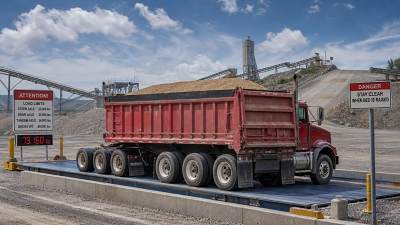
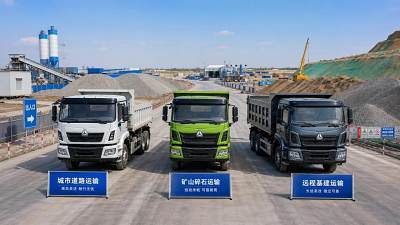
A long-haul logistics fleet needs uptime and fuel efficiency. A mining transport project needs structural durability under overload, vibration, and rough road conditions.
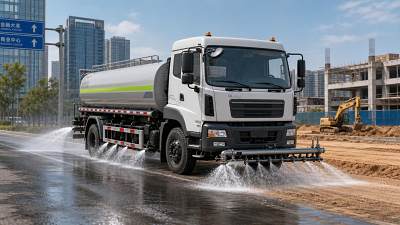
Municipal vehicles often face body integration challenges. Construction transport may require special wheelbase layouts, axle load matching, and documented welding consistency.
In these scenarios, a heavy truck chassis manufacturer with ISO certification provides a more controlled sourcing baseline. ISO systems help standardize production, inspection, and corrective actions.
That does not guarantee perfect products. However, it reduces hidden variation, improves supplier discipline, and supports better cross-border verification.
When export procurement demands tighter supplier control
Cross-border truck chassis sourcing adds language, regulation, documentation, and logistics complexity. The cost of one supplier mistake can multiply after shipping.
If a chassis arrives with inconsistent dimensions, rework may delay body installation. If traceability is weak, root-cause analysis becomes slow and expensive.
This is where a heavy truck chassis manufacturer with ISO certification becomes valuable. ISO-based workflows often require documented procedures for design control, supplier management, and nonconformance handling.
For global sourcing through a digital B2B platform, these records improve comparability. Buyers can review process maturity, not only product photos and basic specifications.
ISO standards that matter most in truck chassis supply
- ISO 9001 supports quality management, process control, and continuous improvement.
- ISO 14001 helps manage environmental processes that may affect compliance and plant discipline.
- ISO 45001 reflects safety management, often linked with better shop-floor control.
- Documented calibration, inspection, and corrective action records strengthen confidence.
Among these, ISO 9001 is usually the first checkpoint. It is especially relevant when evaluating a heavy truck chassis manufacturer with ISO certification for repeat orders.
How ISO certification reduces risk in key operating scenarios
Scenario 1: Long-haul freight fleets need repeatable chassis quality
Long-distance transport depends on uptime. Small quality deviations can lead to premature wear, alignment issues, or unstable body mounting performance.
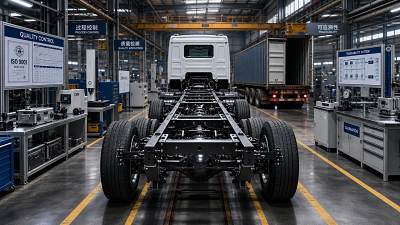
A heavy truck chassis manufacturer with ISO certification is more likely to control dimensional tolerances, incoming material inspection, and final release procedures.
That consistency helps reduce service interruptions and spare-part mismatch risks. It also improves confidence when fleets standardize multiple vehicle units.
Scenario 2: Construction projects require stronger process traceability
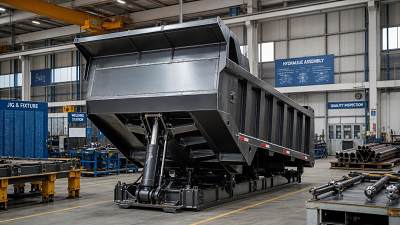
Construction vehicles operate under heavy loads, uneven ground, and frequent stop-start cycles. Frame strength and weld consistency become critical sourcing concerns.
ISO-managed production usually includes work instructions, inspection checkpoints, and documented rework control. These elements help verify whether manufacturing discipline matches project demands.
When evaluating a heavy truck chassis manufacturer with ISO certification, ask for traceability from raw material batches to finished chassis serial numbers.
Scenario 3: Mining and harsh-duty transport need reliable corrective systems
Mining roads, dust, impact, and overloading create extreme operating pressure. In such conditions, sourcing errors become safety and continuity risks.
A supplier may still face defects. The difference is how quickly the issue is identified, isolated, corrected, and prevented from repeating.
A heavy truck chassis manufacturer with ISO certification should show nonconformance reports, root-cause methods, and corrective action evidence. That lowers long-term sourcing uncertainty.
Scenario 4: Special-purpose vehicles need integration accuracy
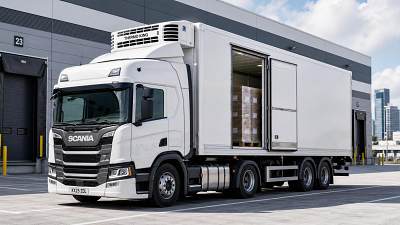
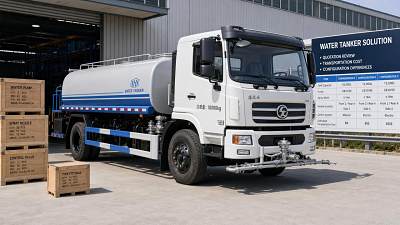
Municipal, tanker, recovery, and refrigerated vehicles often require exact mounting interfaces. Minor layout deviation can disrupt body installation and compliance approval.
ISO-based document control helps keep drawings, revision history, and approved production specifications aligned. This reduces confusion between quotation and delivery stages.
For this reason, many buyers prefer a heavy truck chassis manufacturer with ISO certification when sourcing chassis for customized body applications.
Where certified suppliers create measurable procurement advantages
ISO certification is most useful when it translates into visible sourcing benefits. The table below shows how this applies across common truck chassis scenarios.
This is why a heavy truck chassis manufacturer with ISO certification often becomes the lower-risk option, even if the quoted price is not the lowest.
How to match certification value to different sourcing needs
Not every chassis program needs the same evaluation depth. The best sourcing method depends on application severity, customization level, and after-sales exposure.
Recommended checks by scenario
- For standard fleet replacement, verify ISO certificate validity, audit scope, and sample inspection reports.
- For customized chassis, request revision-controlled drawings, process flow charts, and approval samples.
- For harsh-duty use, review weld procedures, material traceability, and corrective action examples.
- For export supply, confirm packaging standards, final inspection records, and claim response procedures.
These steps help determine whether a heavy truck chassis manufacturer with ISO certification has a working management system, not just a certificate on paper.
Common sourcing mistakes when ISO certification is misunderstood
One common mistake is assuming all certificates mean the same thing. Certification scope matters. It should clearly cover truck chassis design, production, or related operations.
Another mistake is stopping at document review. A real assessment should connect the certificate with inspection routines, production capability, and complaint handling.
Some buyers also ignore subcontracting risk. Even a heavy truck chassis manufacturer with ISO certification may outsource parts, so supplier control procedures should be checked.
A further risk is focusing only on factory quality without considering application fit. A certified chassis still needs correct axle configuration, load rating, and integration compatibility.
Red flags worth verifying
- Certificate issuer is unclear or difficult to verify.
- Inspection reports are generic and not linked to actual chassis batches.
- Drawing revisions differ between quotation and production files.
- Corrective actions lack closure dates or measurable preventive steps.
A practical next step for safer truck chassis sourcing
Safer sourcing starts with comparing suppliers by process reliability, not only by unit cost. ISO certification helps create that comparison framework.
Using a trusted digital marketplace can make this process faster. The Global Heavy Truck Industry Platform connects global buyers with verified suppliers across truck chassis, complete trucks, trailers, machinery, and spare parts.
Its industry resources support supplier discovery, product comparison, and trade evaluation. That is especially useful when searching for a heavy truck chassis manufacturer with ISO certification across multiple countries.
Before placing the next order, define the operating scenario, list the technical risks, and request ISO-related evidence that matches actual use conditions. Better documentation today can prevent expensive chassis problems tomorrow.
Trending News
- What documents are needed to export a low bed trailer to Southeast Asia?
- What to verify before choosing a delivery truck supplier for school transportation
- What an excavator manufacturer catalog should show before you compare models
- What to check before appointing a bulldozer distributor
- How to verify supplier reliability when sourcing bulldozers overseas
Tag
Recommended News
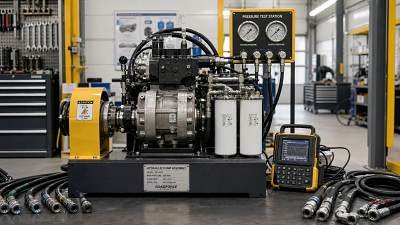
 FAQHow to spot early signs of truck hydraulic system failureTruck hydraulic system issues rarely start with total failure. Learn the early signs—pressure loss, noise, leaks, heat, and jerky movement—to prevent downtime and costly repairs.
 FAQHow to Diagnose Common Truck Steering System Problems Before They Cause DowntimeTruck steering system problems can cause costly downtime. Learn how to spot early warning signs, diagnose faults fast, and keep fleets safe and reliable.
 FAQTruck Air System Problems: Common Failure Points and FixesTruck air system problems can start with slow pressure build, leaks, or moisture. Learn common failure points, practical fixes, and how to improve truck uptime and safety.
 FAQExcavator Parts Failure Signs You Should Not IgnoreExcavator parts warning signs often start small. Learn how to spot wear, hydraulic weakness, overheating, and undercarriage damage early to reduce downtime and avoid costly shutdowns.
 FAQTruck Axle Failure Signs and Maintenance Checks That MatterTruck axle warning signs often start with heat, noise, leaks, or uneven tire wear. Learn the key maintenance checks that prevent costly downtime and unsafe failures.
 FAQTruck Wing Loading Problems and How to Prevent DowntimeTruck wing loading problems often start with small daily errors. Learn practical checks, route-based prevention tips, and smart maintenance steps to cut downtime and keep deliveries moving.
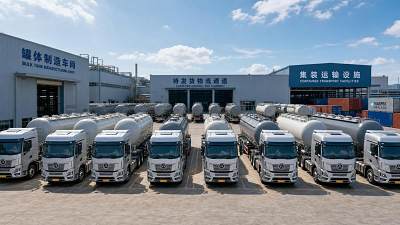
 FAQTruck Cement Delivery Problems: Common Causes and Practical FixesTruck cement delivery problems can cause blockages, delays, and waste. Learn the common causes, practical fixes, and smart checks to improve reliability and reduce downtime.
 FAQTruck Refrigerated Unit Failures That Increase Cargo Loss RiskTruck refrigerated failures can quietly raise cargo loss risk. Learn how route type, heat, airflow, seals, and parts planning affect cold-chain reliability.
 FAQTruck Transmission Problems: Early Signs, Causes, and Fix OptionsTruck transmission issues can start with subtle shifts, slipping, or heat buildup. Learn early signs, key causes, and practical repair or rebuild options for every duty cycle.
 FAQTruck Pump Troubleshooting: Common Pressure Loss Causes and FixesTruck pump troubleshooting guide: discover common pressure loss causes, warning signs, and practical fixes to restore hydraulic performance, reduce downtime, and prevent repeat failures.
 FAQHow to Evaluate a Truck Cement Supplier for Delivery RiskTruck cement supplier evaluation starts with delivery risk. Learn how to assess capacity, logistics control, export readiness, and on-time performance before you place an order.
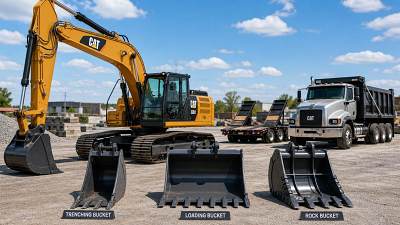
 FAQExcavator Bucket Sizes Explained for Trenching, Loading, and Rock WorkExcavator bucket size affects trenching accuracy, loading speed, and rock work durability. Learn how to choose the right excavator bucket for better productivity and lower wear.
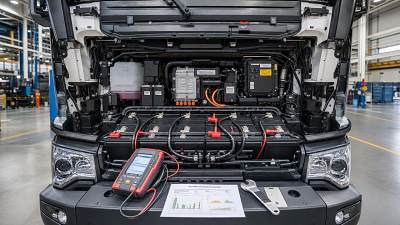
 FAQTruck Battery Problems: Signs, Causes, and FixesTruck battery problems can lead to breakdowns and costly delays. Learn the key warning signs, main causes, and practical fixes to keep heavy trucks reliable and on the road.
 FAQTipper Trailer Payload Limits and Safety RisksTipper trailer payload limits affect braking, stability, and rollover risk. Learn practical safety checks, load control tips, and ways to reduce costly overload damage.
 FAQHow to Qualify a Truck Tipper Supplier for Safety and Build ConsistencyTruck tipper supplier qualification starts with safety. Learn how to assess build consistency, hydraulic reliability, and factory controls to reduce sourcing risk.
 FAQHow to Read a Water Truck Quotation Without Missing Hidden CostsWater truck quotation guide: learn how to spot hidden costs in specs, freight, compliance, spare parts, and warranty so you can compare offers accurately and buy with confidence.
 FAQDelivery Truck Supplier for School Transportation: Safety ChecklistDelivery truck supplier for school transportation: use this safety checklist to compare compliance, braking, visibility, build quality, and supplier reliability before you buy.
 FAQHow ISO Certification Reduces Sourcing Risk in Truck Chassis SupplyHeavy truck chassis manufacturer with ISO certification: discover how certified suppliers reduce sourcing risk, improve traceability, and support safer global truck chassis procurement.
 FAQWater Sprinkler Truck Uses, Tank Sizes, and Road Safety BasicsWater sprinkler truck uses, tank sizes, and road safety basics explained. Learn how to choose the right capacity, improve dust control efficiency, and compare reliable fleet-ready options.
 FAQDelivery Truck for School Transportation: Safety Points Before OrderingDelivery truck supplier for school transportation: review key safety points before ordering, from braking and visibility to compliance and passenger protection.
 FAQDump Truck Sourcing Mistakes That Delay Construction ProjectsDump truck sourcing mistakes can delay construction projects, raise hidden costs, and disrupt site schedules. Learn the key risks to avoid and source smarter for faster, more reliable project delivery.
 FAQIs a Bulldozer for Construction the Right Fit for Your Site ConditionsBulldozer for construction: learn how terrain, soil, slope, and job size determine the right machine fit. Compare site conditions, avoid costly mismatches, and choose with confidence.
 FAQDump Truck OEM Quality Control Points Before Factory AcceptanceDump truck OEM quality control points before factory acceptance: learn the key checks for welding, hydraulics, brakes, and safety to reduce risk, avoid failures, and choose reliable suppliers.
 FAQTruck Trailer Bulk Order: How to Avoid Spec Drift Across BatchesTruck trailer bulk order quality can fail when specs drift across batches. Learn how to lock standards, align suppliers, and protect safety, compliance, and delivery consistency.
 FAQWhat a Dump Truck Distributor Should Offer After Vehicle DeliveryDump truck distributor support matters after delivery. Learn what to expect in spare parts, warranty, training, and technical service to reduce downtime and protect your investment.