How to Read a Water Truck Quotation Without Missing Hidden Costs
A water truck quotation can look straightforward at first glance, but hidden costs in specifications, delivery, compliance, and after-sales service can quickly change the real purchase price. For procurement professionals, knowing how to read each line carefully is essential to avoid budget overruns and supplier misunderstandings. This guide explains what to check so you can compare offers accurately and make a more confident buying decision.
What does a water truck quotation really include?
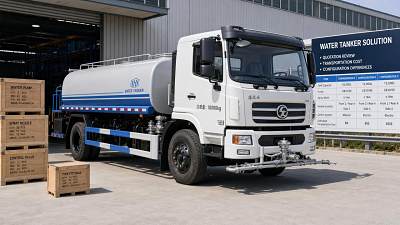
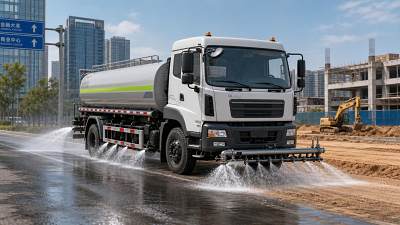
A water truck quotation is more than a single selling price for a vehicle. In the road transport equipment industry, it is usually a bundled commercial document covering the chassis, tank body, pumping system, spray components, optional configurations, certification status, packaging, delivery terms, and service commitments. If a buyer only focuses on the headline number, it is easy to miss costs that appear later during production, shipping, registration, or operation.
For procurement teams, the first task is to separate the quotation into technical scope and commercial scope. Technical scope answers what is being supplied. Commercial scope answers under what terms it is being supplied. A low-priced water truck quotation may exclude critical items such as PTO, hose reel, anti-corrosion lining, export documentation, operator manuals, spare parts kits, or on-site commissioning support. Another supplier may include all of these in the initial offer, making the price appear higher while the real total cost is actually lower.
You should also confirm whether the quotation is based on a standard municipal water truck, a dust suppression truck, a construction site unit, or a mining support vehicle. These applications look similar but often require different pump capacity, nozzle layout, tank material, and axle configuration. When application assumptions are not clearly written, unexpected change costs are common.
Which line items in a water truck quotation most often hide extra cost?
The hidden cost problem usually starts with incomplete detail. A quotation may mention “water tank truck, 20,000L” without explaining whether the tank capacity is gross or effective, whether the internal baffles are included, or whether the tank material is carbon steel, stainless steel, or aluminum alloy. Each of these details affects manufacturing cost, payload, durability, and compliance.
The following components deserve special attention when reviewing a water truck quotation:
- Chassis brand, engine emission standard, horsepower, axle load, tire specification, and cab configuration
- Tank volume definition, shell thickness, head thickness, anti-wave plate quantity, and anti-rust treatment
- Pump brand, suction depth, spray range, flow rate, priming method, and PTO compatibility
- Front flush, rear spray, side spray, water cannon, platform, hose reel, and control system
- Safety and legal items such as reflectors, guards, extinguishers, alarms, and compliance certificates
- Freight, export crating, customs paperwork, insurance, and destination charges
One common issue is optional equipment listed separately but not highlighted. Buyers may assume rear sprinkler, front flushing nozzles, and water cannon are all standard. In reality, some base offers only include the tank and a simple pump setup. Another common issue is paint and branding. Fleet color matching, anti-UV coating, or logo application may appear minor, yet they can add meaningful cost and lead time when not discussed early.
How can procurement professionals compare two water truck quotation offers fairly?
The most reliable method is to convert every water truck quotation into a normalized comparison sheet. Do not compare supplier A’s FOB price against supplier B’s CIF price, or compare a Euro V chassis against a Euro III chassis without adjusting for local regulatory needs. A quotation can only be judged fairly when specifications, trade terms, delivery scope, and service obligations are aligned.
Start by listing mandatory requirements from your internal user department. These might include tank capacity, operating environment, road condition, emission requirement, pump pressure, spray pattern, and registration needs. Then place each supplier’s answer next to each requirement. Any blank field should be treated as a risk, not as an included feature.
This type of side-by-side review is especially useful on a global B2B sourcing platform, where suppliers from different markets may prepare quotations using different standards. A well-structured comparison avoids choosing the cheapest visible number instead of the best commercial result.
Why do delivery terms and logistics create hidden costs in a water truck quotation?
In cross-border procurement, logistics can change the total purchase cost dramatically. A water truck quotation that looks attractive on an EXW basis may become expensive once inland transport, port handling, customs declaration, ocean freight, insurance, and destination unloading are added. Procurement personnel should not assume these charges are small compared with vehicle value, especially for bulky complete trucks.
You should also check whether the truck will be shipped as a complete built unit, partially disassembled, or via ro-ro vessel. Each shipping method has cost and risk implications. A complete unit may reduce assembly work at destination but raise freight cost. A partially knocked-down configuration may lower freight per unit but require local technical support, tools, and labor. If the quotation does not state shipping mode clearly, the final landed cost remains uncertain.
Delivery schedule is another area where hidden costs appear. Some suppliers quote vehicle price without locking production slots. If steel prices, chassis availability, or export documentation timelines shift, your project may face delay penalties or operational disruption. Ask whether the quoted lead time starts from contract signing, deposit receipt, chassis arrival, or final drawing approval. Those are very different triggers.
What technical details should never be left vague?
A vague specification creates room for substitution, misunderstanding, and post-order disputes. In a water truck quotation, the buyer should insist on measurable details instead of general descriptions. For example, “high-quality water pump” is not enough. You need the manufacturer, model, rated flow, pressure, maximum suction lift, drive method, and spare parts availability.
Tank structure is equally important. Ask for tank drawing, welding standard, compartment design, overflow prevention method, access manhole size, and draining arrangement. If the vehicle will operate in coastal, mining, or high-humidity conditions, corrosion protection should be specified in writing. Internal epoxy coating, galvanizing options, or stainless alternatives may influence both initial cost and lifecycle cost.
Operational details also matter. A procurement team should know whether the quoted truck can perform only water transport, or also road washing, dust suppression, emergency fire support, and landscaping irrigation. A multifunction configuration may cost more initially but reduce the need for separate equipment later. The key is to match the quotation to real fleet usage, not just catalog language.
How do warranty, spare parts, and after-sales terms affect the real buying cost?
Many buyers read the warranty line quickly, but after-sales terms can be one of the biggest hidden cost areas in any water truck quotation. A “12-month warranty” sounds reassuring, yet the supplier may exclude wearable parts, pump seals, electrical items, paint finish, travel costs for technicians, or failures caused by local fuel quality and operator misuse. The practical value of the warranty depends on what is covered, how claims are handled, and how fast parts can be supplied.
Spare parts policy should be reviewed before purchase, not after breakdown. Ask whether a recommended spare parts package is included, optional, or unavailable. Clarify lead times for filters, valves, nozzles, PTO components, and pump repair kits. For fleets operating in remote infrastructure or municipal projects, downtime can cost more than the price difference between two quotations.
Training and documentation also deserve attention. A stronger supplier may provide English manuals, parts books, maintenance schedules, and remote troubleshooting support. These services may not be obvious in a basic water truck quotation, but they reduce startup problems and improve equipment life. In procurement evaluation, after-sales support should be treated as a cost-control tool, not just a service add-on.
What are the most common mistakes buyers make when reading a water truck quotation?
The first mistake is assuming that all water trucks with similar tank capacity are equivalent. Capacity alone does not define performance, durability, or compliance. The second mistake is comparing prices without matching Incoterms and scope. The third is accepting unclear wording such as “as per standard export configuration” without requesting a detailed configuration list.
Another frequent mistake is neglecting local legal requirements. If emission standards, left-hand or right-hand drive, axle load rules, safety signage, or registration paperwork are not considered in advance, the imported vehicle may need modification after arrival. That creates avoidable delay and cost. Buyers also sometimes overlook payload impact. A heavier tank material or additional equipment may reduce legal carrying capacity, affecting operational efficiency.
Finally, some procurement teams fail to document clarification results. Verbal promises made during negotiation should always be reflected in the final quotation or proforma invoice. If it is not written, it is difficult to enforce later.
What questions should you send back to the supplier before approval?
Before approving any water truck quotation, send a structured clarification list. This step helps turn a sales document into a reliable procurement basis. Strong suppliers usually respond clearly because they understand that precise information shortens the sales cycle and reduces disputes.
- Is the quoted price based on complete truck delivery or partial assembly?
- Which exact chassis model and engine emission standard are included?
- What is included in the standard configuration and what is optional?
- Which certifications and export documents will be provided?
- What is the production lead time trigger and what are the delay conditions?
- What are the warranty exclusions and the spare parts supply timeline?
- Are freight, insurance, and destination charges included or excluded?
These questions are especially valuable when sourcing through an international heavy truck marketplace, where multiple suppliers can be screened quickly but quotation formats may differ widely. Clear clarification standards help procurement teams compare suppliers with confidence and reduce hidden cost exposure.
How should procurement teams make the final decision?
The best decision is rarely based on price alone. A high-quality water truck quotation should be evaluated by total landed cost, technical suitability, operational reliability, compliance readiness, and supplier support capability. In practical terms, this means weighing immediate budget against service life, maintenance burden, and deployment speed.
For strategic buyers in the heavy truck and commercial vehicle supply chain, a trusted digital sourcing platform can simplify this process by helping compare products, verify supplier backgrounds, and access industry buying guidance. That is particularly useful when procurement teams need to source across regions, evaluate different truck brands, or identify suppliers with stronger export experience.
If you need to move from quotation review to actual supplier selection, prioritize discussion on application scenario, exact operating parameters, local compliance requirements, delivery destination, spare parts expectations, and after-sales response standards. Once those points are clear, a water truck quotation becomes a practical decision tool rather than a source of hidden cost risk.
Recommended News
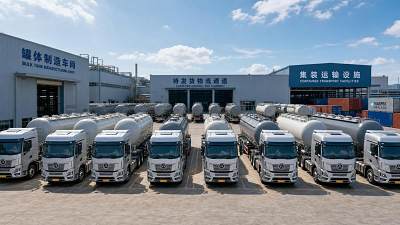
 FAQHow to Evaluate a Truck Cement Supplier for Delivery RiskTruck cement supplier evaluation starts with delivery risk. Learn how to assess capacity, logistics control, export readiness, and on-time performance before you place an order.
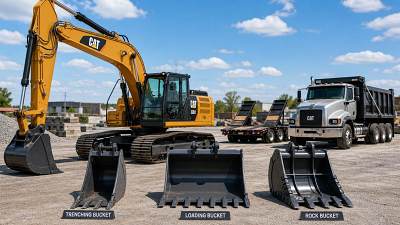
 FAQExcavator Bucket Sizes Explained for Trenching, Loading, and Rock WorkExcavator bucket size affects trenching accuracy, loading speed, and rock work durability. Learn how to choose the right excavator bucket for better productivity and lower wear.
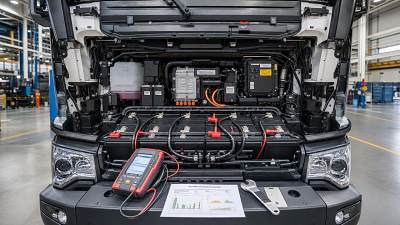
 FAQTruck Battery Problems: Signs, Causes, and FixesTruck battery problems can lead to breakdowns and costly delays. Learn the key warning signs, main causes, and practical fixes to keep heavy trucks reliable and on the road.
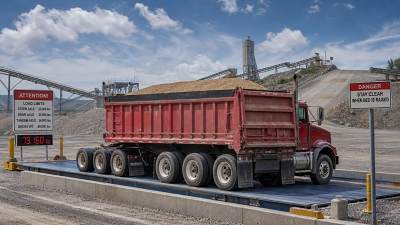
 FAQTipper Trailer Payload Limits and Safety RisksTipper trailer payload limits affect braking, stability, and rollover risk. Learn practical safety checks, load control tips, and ways to reduce costly overload damage.
 FAQHow to Qualify a Truck Tipper Supplier for Safety and Build ConsistencyTruck tipper supplier qualification starts with safety. Learn how to assess build consistency, hydraulic reliability, and factory controls to reduce sourcing risk.
 FAQHow to Read a Water Truck Quotation Without Missing Hidden CostsWater truck quotation guide: learn how to spot hidden costs in specs, freight, compliance, spare parts, and warranty so you can compare offers accurately and buy with confidence.
 FAQDelivery Truck Supplier for School Transportation: Safety ChecklistDelivery truck supplier for school transportation: use this safety checklist to compare compliance, braking, visibility, build quality, and supplier reliability before you buy.
 FAQHow ISO Certification Reduces Sourcing Risk in Truck Chassis SupplyHeavy truck chassis manufacturer with ISO certification: discover how certified suppliers reduce sourcing risk, improve traceability, and support safer global truck chassis procurement.
 FAQWater Sprinkler Truck Uses, Tank Sizes, and Road Safety BasicsWater sprinkler truck uses, tank sizes, and road safety basics explained. Learn how to choose the right capacity, improve dust control efficiency, and compare reliable fleet-ready options.
 FAQDelivery Truck for School Transportation: Safety Points Before OrderingDelivery truck supplier for school transportation: review key safety points before ordering, from braking and visibility to compliance and passenger protection.
 FAQDump Truck Sourcing Mistakes That Delay Construction ProjectsDump truck sourcing mistakes can delay construction projects, raise hidden costs, and disrupt site schedules. Learn the key risks to avoid and source smarter for faster, more reliable project delivery.
 FAQIs a Bulldozer for Construction the Right Fit for Your Site ConditionsBulldozer for construction: learn how terrain, soil, slope, and job size determine the right machine fit. Compare site conditions, avoid costly mismatches, and choose with confidence.
 FAQDump Truck OEM Quality Control Points Before Factory AcceptanceDump truck OEM quality control points before factory acceptance: learn the key checks for welding, hydraulics, brakes, and safety to reduce risk, avoid failures, and choose reliable suppliers.
 FAQTruck Trailer Bulk Order: How to Avoid Spec Drift Across BatchesTruck trailer bulk order quality can fail when specs drift across batches. Learn how to lock standards, align suppliers, and protect safety, compliance, and delivery consistency.
 FAQWhat a Dump Truck Distributor Should Offer After Vehicle DeliveryDump truck distributor support matters after delivery. Learn what to expect in spare parts, warranty, training, and technical service to reduce downtime and protect your investment.
 FAQHow to Vet a Truck Cement Distributor for Stable After-Sales SupportTruck cement distributor selection starts with after-sales strength. Learn how to vet parts support, technical response, and warranty handling to reduce downtime and choose a reliable partner.
 FAQHeavy Truck Chassis Manufacturer With R&D Capability: Questions Worth Asking FirstHeavy truck chassis manufacturer with R&D capability: discover the key procurement questions to assess customization, compliance, durability, and long-term supply before you buy.
 FAQHow to Read a Water Truck Quotation Without Missing Hidden CostsWater truck quotation guide: learn how to spot hidden costs in specs, logistics, compliance, and after-sales terms so you can compare offers accurately and buy with confidence.
 FAQHow to Read a Water Truck Quotation Before You SignWater truck quotation review guide: learn how to check specs, pricing, delivery terms, and warranty details before signing to reduce risk and secure better value.
 FAQSemi Trailer Bulk Order Terms That Can Hurt You After DeliverySemi trailer bulk order risks often appear after delivery. Learn which warranty, inspection, spare parts, and payment terms can raise costs, delay operations, and weaken your claims.
 FAQSemi Trailer OEM or ODM? A Practical Guide for Custom OrdersSemi trailer OEM or ODM? Learn how to compare cost, lead time, compliance, and customization to choose the right semi trailer OEM strategy for smarter custom orders.
 FAQSemi Trailer Bulk Order Checklist Before You Confirm Production SlotsSemi trailer bulk order buyers: use this pre-production checklist to lock specs, lead times, compliance, and payment terms before confirming factory slots with confidence.
 FAQTruck Cement Supplier FAQ: Delivery, Capacity, and After-SalesTruck cement supplier FAQ covering delivery lead times, transport capacity, fleet options, and after-sales support to help buyers compare suppliers and source with confidence.
 FAQDump Truck Supplier with Quick Delivery: How to Avoid Delays After SigningDump truck supplier with quick delivery: learn how to verify production, parts, logistics, and documents before signing to avoid costly delays and choose a reliable partner faster.
 FAQTruck Trailer Bulk Order: 7 Details That Prevent Spec DisputesTruck trailer bulk order success starts with clear specs. Discover 7 critical details that reduce disputes, protect compliance, and improve trailer purchasing decisions.