How to Qualify a Truck Tipper Supplier for Safety and Build Consistency
Choosing a reliable truck tipper supplier is a safety decision before it becomes a purchasing decision.
In road transport equipment, body strength, hydraulic stability, and build consistency directly affect uptime, payload control, and accident risk.
A weak weld, uneven steel thickness, or poor cylinder matching can create serious field failures.
That is why supplier qualification must examine manufacturing capability, process discipline, compliance evidence, and long-term quality performance.
This guide outlines a practical framework to evaluate a truck tipper supplier, lower sourcing risk, and support stable batch-to-batch results.
Definition and Core Evaluation Scope
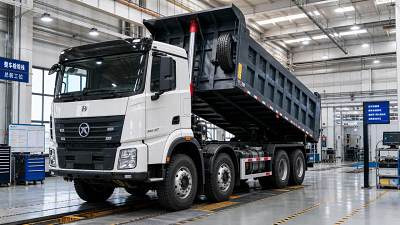
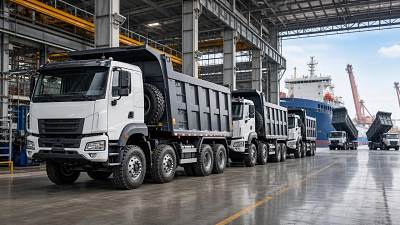
A truck tipper supplier provides tipping bodies, subframes, hydraulic systems, and related assembly solutions for heavy-duty transport applications.
Some suppliers deliver complete fitted units, while others focus on body manufacturing for local chassis integration.
Qualification should cover both product safety and manufacturing repeatability.
In practice, a truck tipper supplier should be assessed across six connected dimensions:
- design capability and engineering documentation
- raw material control and traceability
- welding, fabrication, and dimensional accuracy
- hydraulic system selection and installation quality
- testing, compliance, and inspection records
- after-sales support and corrective action speed
This scope prevents decisions based only on price, paint finish, or sample appearance.
A qualified truck tipper supplier proves that safe design can be produced consistently at volume.
Industry Background and Current Qualification Priorities
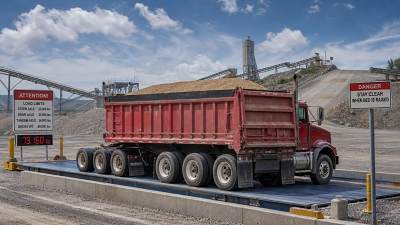
Global demand for tippers is rising with construction, mining, municipal hauling, and bulk material transport.
At the same time, operating conditions are becoming harsher and compliance expectations are increasing.
This changes how a truck tipper supplier should be reviewed.
A dependable truck tipper supplier responds to these trends with process control, not only sales claims.
Evidence should include standard drawings, welding procedures, inspection plans, and nonconformance management records.
Why Supplier Qualification Directly Affects Safety and Operational Value
The quality of a tipper body affects more than durability.
It influences tipping stability, center-of-gravity behavior, maintenance frequency, and driver confidence during unloading.
A strong truck tipper supplier helps reduce hidden costs across the asset lifecycle.
- fewer structural cracks at floor seams, cross members, and rear pivots
- better body alignment, lowering uneven tire and suspension loading
- more stable hydraulic lifting and lowering behavior
- less downtime from hose routing errors or poor component matching
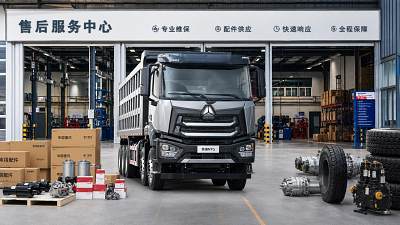
- stronger spare parts support for cylinders, hinges, locks, and wear plates
Qualification also supports commercial predictability.
If each batch differs in steel grade, weld penetration, or paint preparation, fleet performance becomes hard to forecast.
That uncertainty raises inspection effort, warranty disputes, and total ownership cost.
Key Technical Areas to Review in a Truck Tipper Supplier
Structural design and material selection
Ask for body drawings, material specifications, and load assumptions for intended applications.
A competent truck tipper supplier explains floor thickness, side reinforcement, cross-member spacing, and subframe design logic.
Material certificates should match the declared steel grades and wear resistance targets.
Welding quality and fabrication control
Weld quality is central to safety.
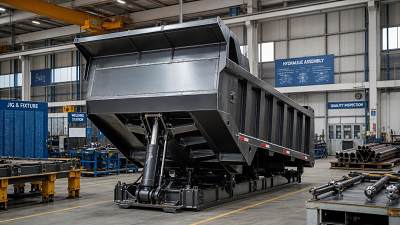
Review welder qualification records, welding procedure specifications, fixture usage, and distortion control methods.
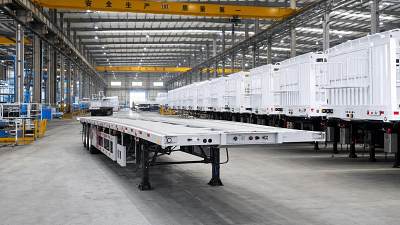
A reliable truck tipper supplier should perform visual inspection and dimensional checks at defined production stages.
Hydraulic system integration
Cylinder sizing, mounting geometry, hose routing, and control valve configuration must fit payload and tipping angle requirements.
Poor hydraulic integration can overload the frame or create unstable lift behavior.
The truck tipper supplier should identify component brands, pressure ratings, and test protocols.
Surface treatment and corrosion protection
Paint quality is not cosmetic only.
Blasting, pretreatment, primer thickness, and topcoat control affect corrosion life, especially in wet or abrasive environments.
Typical Supplier Types and Best-Fit Scenarios
Not every truck tipper supplier serves the same operating model.
Supplier type should match loading conditions, fleet scale, and customization needs.
The best truck tipper supplier is not always the largest one.
The better choice is the supplier whose process capability matches the real duty profile.
Practical Qualification Methods Before Order Approval
Use a structured review path before approving mass production.
- Request drawings, bill of materials, certificates, and inspection flowcharts.
- Conduct a factory audit focused on fabrication, welding, and hydraulic assembly areas.
- Inspect one sample unit with dimensional and visual checkpoints.
- Review traceability from incoming steel to final body identification.
- Verify testing records for tipping function, leakage, and load-related checks.
- Confirm corrective action handling for previous defects or customer complaints.
During the audit, observe whether the truck tipper supplier works from controlled documents or from workshop habit.
Consistent suppliers use revision control, inspection checkpoints, and clear release criteria.
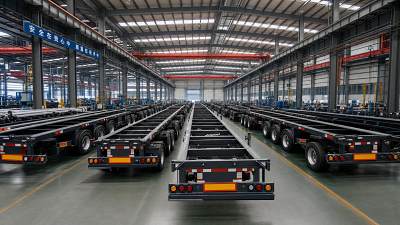
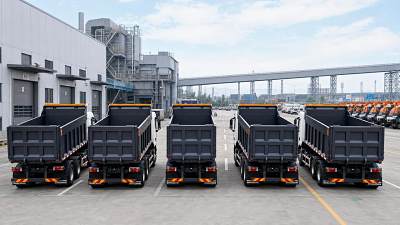
It is also useful to compare three recent units from the same production line.
Visible variation often reveals process weakness faster than a polished sample unit.
Common Warning Signs During Evaluation
Several signals suggest that a truck tipper supplier may present safety or consistency risk.
- material grades cannot be linked to mill certificates
- weld appearance varies sharply across the same unit
- hydraulic brands change without documented approval
- drawings do not match finished dimensions
- inspection records are incomplete or filled after shipment
- paint hides grinding marks, porosity, or heat distortion
These issues do not always mean immediate rejection.
However, they require deeper verification before relying on that truck tipper supplier for repeated orders.
A Stable Next Step for Smarter Supplier Selection
Safe sourcing starts with transparent comparison and documented evidence.
When reviewing any truck tipper supplier, use a qualification checklist that combines design, production, inspection, and support criteria.
This approach improves supplier alignment and reduces preventable field problems.
The Global Heavy Truck Industry Platform supports this process by connecting buyers with verified heavy truck and transport equipment resources.
It also helps compare product categories, review supplier capabilities, and access broader market information for road transport equipment decisions.
Use that visibility to shortlist each truck tipper supplier more carefully, validate consistency earlier, and build safer long-term procurement results.
Recommended News
 FAQTipper Trailer Payload Limits and Safety RisksTipper trailer payload limits affect braking, stability, and rollover risk. Learn practical safety checks, load control tips, and ways to reduce costly overload damage.
 FAQHow to Qualify a Truck Tipper Supplier for Safety and Build ConsistencyTruck tipper supplier qualification starts with safety. Learn how to assess build consistency, hydraulic reliability, and factory controls to reduce sourcing risk.
 FAQHow to Read a Water Truck Quotation Without Missing Hidden CostsWater truck quotation guide: learn how to spot hidden costs in specs, freight, compliance, spare parts, and warranty so you can compare offers accurately and buy with confidence.
 FAQDelivery Truck Supplier for School Transportation: Safety ChecklistDelivery truck supplier for school transportation: use this safety checklist to compare compliance, braking, visibility, build quality, and supplier reliability before you buy.
 FAQHow ISO Certification Reduces Sourcing Risk in Truck Chassis SupplyHeavy truck chassis manufacturer with ISO certification: discover how certified suppliers reduce sourcing risk, improve traceability, and support safer global truck chassis procurement.
 FAQWater Sprinkler Truck Uses, Tank Sizes, and Road Safety BasicsWater sprinkler truck uses, tank sizes, and road safety basics explained. Learn how to choose the right capacity, improve dust control efficiency, and compare reliable fleet-ready options.
 FAQDelivery Truck for School Transportation: Safety Points Before OrderingDelivery truck supplier for school transportation: review key safety points before ordering, from braking and visibility to compliance and passenger protection.
 FAQDump Truck Sourcing Mistakes That Delay Construction ProjectsDump truck sourcing mistakes can delay construction projects, raise hidden costs, and disrupt site schedules. Learn the key risks to avoid and source smarter for faster, more reliable project delivery.
 FAQIs a Bulldozer for Construction the Right Fit for Your Site ConditionsBulldozer for construction: learn how terrain, soil, slope, and job size determine the right machine fit. Compare site conditions, avoid costly mismatches, and choose with confidence.
 FAQDump Truck OEM Quality Control Points Before Factory AcceptanceDump truck OEM quality control points before factory acceptance: learn the key checks for welding, hydraulics, brakes, and safety to reduce risk, avoid failures, and choose reliable suppliers.
 FAQTruck Trailer Bulk Order: How to Avoid Spec Drift Across BatchesTruck trailer bulk order quality can fail when specs drift across batches. Learn how to lock standards, align suppliers, and protect safety, compliance, and delivery consistency.
 FAQWhat a Dump Truck Distributor Should Offer After Vehicle DeliveryDump truck distributor support matters after delivery. Learn what to expect in spare parts, warranty, training, and technical service to reduce downtime and protect your investment.
 FAQHow to Vet a Truck Cement Distributor for Stable After-Sales SupportTruck cement distributor selection starts with after-sales strength. Learn how to vet parts support, technical response, and warranty handling to reduce downtime and choose a reliable partner.
 FAQHeavy Truck Chassis Manufacturer With R&D Capability: Questions Worth Asking FirstHeavy truck chassis manufacturer with R&D capability: discover the key procurement questions to assess customization, compliance, durability, and long-term supply before you buy.
 FAQHow to Read a Water Truck Quotation Without Missing Hidden CostsWater truck quotation guide: learn how to spot hidden costs in specs, logistics, compliance, and after-sales terms so you can compare offers accurately and buy with confidence.
 FAQHow to Read a Water Truck Quotation Before You SignWater truck quotation review guide: learn how to check specs, pricing, delivery terms, and warranty details before signing to reduce risk and secure better value.
 FAQSemi Trailer Bulk Order Terms That Can Hurt You After DeliverySemi trailer bulk order risks often appear after delivery. Learn which warranty, inspection, spare parts, and payment terms can raise costs, delay operations, and weaken your claims.
 FAQSemi Trailer OEM or ODM? A Practical Guide for Custom OrdersSemi trailer OEM or ODM? Learn how to compare cost, lead time, compliance, and customization to choose the right semi trailer OEM strategy for smarter custom orders.
 FAQSemi Trailer Bulk Order Checklist Before You Confirm Production SlotsSemi trailer bulk order buyers: use this pre-production checklist to lock specs, lead times, compliance, and payment terms before confirming factory slots with confidence.
 FAQTruck Cement Supplier FAQ: Delivery, Capacity, and After-SalesTruck cement supplier FAQ covering delivery lead times, transport capacity, fleet options, and after-sales support to help buyers compare suppliers and source with confidence.
 FAQDump Truck Supplier with Quick Delivery: How to Avoid Delays After SigningDump truck supplier with quick delivery: learn how to verify production, parts, logistics, and documents before signing to avoid costly delays and choose a reliable partner faster.
 FAQTruck Trailer Bulk Order: 7 Details That Prevent Spec DisputesTruck trailer bulk order success starts with clear specs. Discover 7 critical details that reduce disputes, protect compliance, and improve trailer purchasing decisions.
 FAQTruck Tipper Sourcing Mistakes That Lead to Delays and ReworkTruck tipper sourcing mistakes can trigger delays, fitment issues, and costly rework. Learn how to avoid spec gaps, compare suppliers smarter, and choose the right tipper for every job.
 FAQAre Fireproof Semi Trailers Necessary for Sensitive FreightSemi trailer manufacturer with fireproof materials: learn when fireproof semi trailers are essential for sensitive freight, how to reduce risk, and what buyers should verify before sourcing.
 FAQQuick Delivery Dump Truck Supply: When Speed Becomes a RiskChoosing a dump truck supplier with quick delivery? Learn how to balance speed, quality, compliance, and after-sales support to avoid costly downtime and project risk.