How to Read a Water Truck Quotation Without Missing Hidden Costs
A water truck quotation may look straightforward at first glance, but hidden costs in specifications, freight, compliance, spare parts, and after-sales service can quickly change the real purchase price.
For procurement professionals, understanding every line item is essential to avoid budget overruns and supplier misunderstandings. This guide explains how to read a water truck quotation carefully, compare offers accurately, and make a more confident buying decision.
What Buyers Really Need to Know Before Accepting a Water Truck Quotation
The core search intent behind water truck quotation is not just finding a price. Procurement teams want to know the true delivered cost, the scope of supply, and the risks hidden behind a low offer.
In practice, the cheapest quotation often becomes the most expensive one after freight, optional components, local compliance changes, spare parts, and delayed service support are added later in the process.
That is why a good quotation review should answer three questions immediately: what is included, what is excluded, and what assumptions the supplier made when preparing the offer.
If those three points are unclear, you are not comparing quotations. You are comparing incomplete promises that may lead to change orders, disputes, and unexpected total ownership costs.
Start With the Basic Structure of the Offer
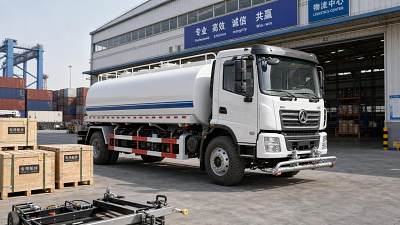
A professional water truck quotation should have a clear structure. It normally includes vehicle model, chassis brand, tank capacity, pump system, sprinkler functions, price terms, lead time, warranty, and payment terms.
When any of these sections are vague, procurement risk increases. Missing details usually mean one of two things: the supplier has not fully defined the product, or key costs are intentionally left outside the quoted price.
Check whether the quotation identifies the exact truck configuration instead of using general wording like standard model or export version. Those phrases are too broad for accurate procurement evaluation.
You should also verify whether the quotation includes a formal validity period. Without it, exchange rate changes, steel price fluctuations, or shipping volatility may be used later to revise pricing.
Confirm the Chassis Specification, Because This Drives a Large Part of the Cost
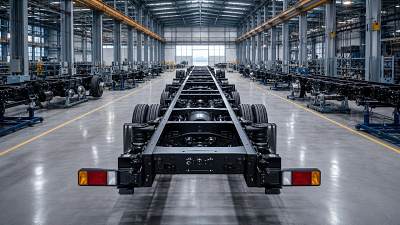
In the road transport equipment sector, the chassis is one of the biggest cost drivers in a water truck quotation. Small specification differences can create major price gaps between competing offers.
Review the brand, drive type, engine power, emission standard, wheelbase, axle rating, tire specification, gearbox, and cabin configuration. A quotation that only states 20CBM water truck is not detailed enough.
Two trucks with the same tank volume may have very different payload performance, fuel consumption, service life, and local registration compatibility. Procurement should never compare only by tank size and headline price.
Ask suppliers whether the quoted chassis is currently available, or only planned. Some low quotations are based on chassis supply assumptions that later change because of stock shortages or policy restrictions.
Read the Tank and Upper Body Details Line by Line
The upper structure often hides costs because suppliers describe it briefly. Yet tank material, thickness, internal anti-wave baffles, welding quality, piping layout, and coating treatment all affect durability and price.
Check whether the quotation lists tank capacity in cubic meters, actual effective capacity, and allowable loading condition. Some quotations use theoretical volume, while real usable volume is lower in operation.
Material matters as well. Carbon steel, stainless steel, and aluminum differ in cost, maintenance, and suitability. If the material grade and thickness are not written clearly, ask for a technical clarification.
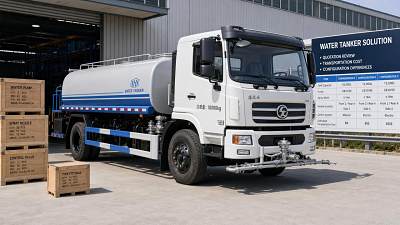
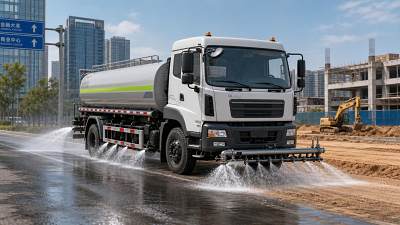
Also review the pump brand, flow rate, suction depth, spray cannon range, front flush, rear sprinkler, side spray, hose reel, and self-priming system. These are common areas where one supplier includes features and another prices them separately.
Watch for Optional Functions Presented as If They Were Standard
Many water truck quotations look complete until you reach the technical notes. There, you may find that spray monitor, corrosion-resistant lining, winter package, rear platform, PTO brand, or warning system are optional.
This matters because procurement may assume those functions are already included in the offered price. Later, during contract confirmation, the supplier adds them as extra-cost items and the budget changes.
Create a side-by-side checklist of every operational function required by end users. Then match each function against every supplier quotation as included, excluded, or optional with separate pricing.
This simple comparison method helps buyers identify false price advantages quickly. A low base quotation with many paid options is not a lower-cost procurement choice in real commercial terms.
Do Not Overlook Freight, Port Charges, and Delivery Terms
One of the most common hidden costs in a water truck quotation appears outside the factory gate. International B2B purchasing always requires careful review of Incoterms and logistics assumptions.
Check whether the price is EXW, FOB, CFR, CIF, DAP, or another trade term. Each term changes which party bears inland transport, export customs, ocean freight, insurance, destination charges, and import handling.
Some buyers compare an FOB quotation from one supplier with a CIF quotation from another and treat them as equivalent. This creates a distorted price comparison and can hide major logistics cost differences.
Also confirm whether the truck will be shipped as complete unit, partially knocked down, or by ro-ro vessel or container method. Shipping mode affects freight cost, risk exposure, unloading needs, and local assembly expense.
Destination port charges, customs inspection, storage, demurrage, and inland delivery to the project site are often not included. Procurement should request an estimated landed-cost breakdown before final approval.
Check Compliance, Certification, and Local Registration Costs Early
A water truck that is competitively priced but cannot be registered or legally operated in the destination market is not a bargain. Compliance gaps create some of the most expensive hidden procurement problems.
Review whether the quotation includes required certification such as emission compliance, roadworthiness documents, conformity certificates, or special municipal equipment approvals relevant to your market.
If the supplier says documents can be provided, ask which exact documents, in what language, and whether they are included in the quoted price. Documentation support may otherwise become a paid service later.
Local modifications can also add cost after purchase. Lighting changes, reflective markings, safety kits, speed limiters, emergency shut-off systems, and operator labeling may all be required before deployment.
Procurement should involve local compliance or fleet operations teams early. This avoids purchasing a technically suitable truck that still needs costly rework before registration and project use.
Review Spare Parts, Consumables, and Maintenance Support
Another hidden area in a water truck quotation is post-delivery support. A low initial purchase price may be offset by expensive maintenance, limited spare parts access, or long downtime during repairs.
Check whether the supplier includes a spare parts package, recommended wearing parts list, tools, filters, pump seals, nozzles, hoses, and maintenance manuals. If not included, ask for separate pricing.
For procurement teams buying for remote sites, this point is critical. Freight for urgent spare parts can become more expensive than the original parts themselves, especially for pump or PTO-related failures.
You should also confirm service response commitments, technical training, remote diagnostics capability, and parts lead time. These factors influence operating continuity and should be part of commercial evaluation.
When comparing quotations, consider the availability of chassis parts in your country. A strong global truck brand with local support may deliver better long-term value than a cheaper but unsupported alternative.
Study Warranty Terms Beyond the Warranty Period
Warranty language can look reassuring while still leaving major exposure for the buyer. Procurement should not only check the warranty duration but also the exact coverage scope and claim process.
Ask whether the warranty covers the chassis, tank body, pump, electrical system, and spray components separately. Different suppliers often apply different warranty periods to different assemblies.
It is equally important to understand what voids the warranty. Overloading, poor water quality, unauthorized modification, or non-original spare parts may all become reasons to reject claims.
Clarify who pays for replacement parts, labor, and transport during a warranty claim. If the supplier only provides parts but not freight or service labor, the practical cost burden may still fall on the buyer.
A usable warranty is one that can be executed efficiently across borders. Ask for the warranty workflow in writing, including response time, evidence required, and dispute handling method.
Look Carefully at Payment Terms and Currency Exposure
The quoted vehicle price is only one part of total procurement cost. Payment structure can affect financing pressure, commercial risk, and final landed cost just as much as the technical specification.
Review deposit percentage, balance timing, document release conditions, inspection milestones, and acceptable payment methods. A low quotation with aggressive prepayment terms may increase buyer risk significantly.
If the quotation is in a foreign currency, assess exchange rate exposure between quotation date, contract signing, production, and final payment. Volatile currencies can materially change actual procurement cost.
You should also ask whether bank charges, letter of credit costs, third-party inspection fees, and local withholding taxes are included or excluded. These items are frequently missed in internal budget planning.
Compare Quotations Using Total Cost, Not Unit Price Alone
The best way to evaluate a water truck quotation is to build a total-cost comparison sheet. This helps procurement move from supplier headline pricing to real commercial decision-making.
Your comparison should include base vehicle price, optional features, freight, insurance, import duties, inland transport, compliance modifications, spare parts package, service support, and payment-related financial cost.
Add operational factors too, especially if the truck will be used intensively. Fuel efficiency, water pump reliability, corrosion resistance, and local parts availability all influence lifecycle value.
This approach often changes the supplier ranking. A mid-priced offer with clearer specifications and stronger support may outperform a cheaper quotation once hidden costs are fully captured.
Questions Procurement Should Ask Before Final Supplier Selection
Before issuing a purchase order, ask the supplier to confirm all inclusions and exclusions in writing. Verbal assurances are not enough when cross-border heavy equipment procurement is involved.
Useful questions include: What exact model is quoted? Which components are optional? What documents are included? What spare parts come with delivery? What is excluded from the listed price?
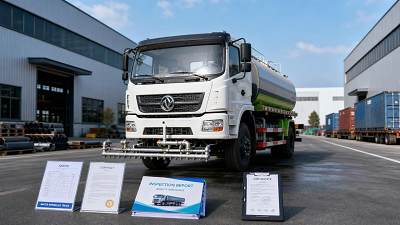
You should also ask for production photos, reference projects, factory inspection options, and a detailed technical drawing if available. These requests help validate that the quotation matches a real product capability.
Finally, ask the supplier to restate the quotation as a formal proforma invoice or technical-commercial offer with complete line items. This reduces ambiguity before contract negotiation begins.
Red Flags That Often Signal Hidden Costs
Some quotation patterns should immediately prompt deeper review. Extremely low pricing, vague technical descriptions, missing Incoterms, and unclear warranty wording are among the most common warning signs.
Other red flags include no mention of certification, no chassis stock confirmation, no spare parts support, and too many features listed without brand names or technical parameters.
If a supplier avoids written clarification or frequently revises specifications during discussion, procurement should treat that as a commercial risk indicator rather than a normal sales process issue.
Reliable suppliers in the global heavy truck market usually provide detailed documentation because clear specifications reduce disputes and improve long-term buyer confidence.
Conclusion: A Good Water Truck Quotation Is Transparent, Comparable, and Actionable
Reading a water truck quotation properly means looking far beyond the first price figure. Procurement professionals need to understand specification accuracy, hidden exclusions, logistics cost, compliance requirements, and after-sales obligations.
The most useful quotation is not necessarily the lowest one. It is the one that allows you to estimate the true delivered and operating cost with confidence.
When you evaluate quotations through a total-cost lens and insist on written detail, you reduce budget surprises, improve supplier alignment, and make a stronger purchasing decision.
In short, the right water truck quotation should help you buy with clarity, not force you to discover the real cost after the order is placed.
Recommended News
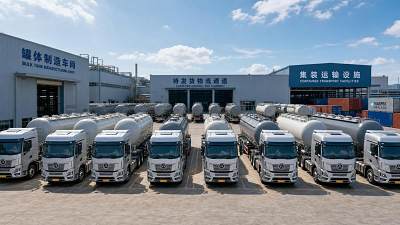
 FAQHow to Evaluate a Truck Cement Supplier for Delivery RiskTruck cement supplier evaluation starts with delivery risk. Learn how to assess capacity, logistics control, export readiness, and on-time performance before you place an order.
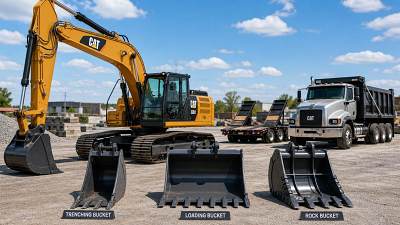
 FAQExcavator Bucket Sizes Explained for Trenching, Loading, and Rock WorkExcavator bucket size affects trenching accuracy, loading speed, and rock work durability. Learn how to choose the right excavator bucket for better productivity and lower wear.
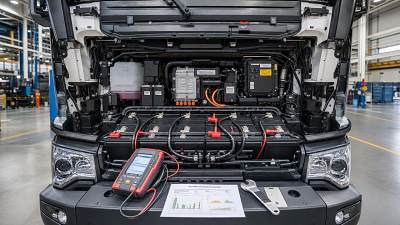
 FAQTruck Battery Problems: Signs, Causes, and FixesTruck battery problems can lead to breakdowns and costly delays. Learn the key warning signs, main causes, and practical fixes to keep heavy trucks reliable and on the road.
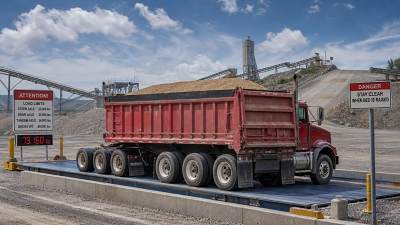
 FAQTipper Trailer Payload Limits and Safety RisksTipper trailer payload limits affect braking, stability, and rollover risk. Learn practical safety checks, load control tips, and ways to reduce costly overload damage.
 FAQHow to Qualify a Truck Tipper Supplier for Safety and Build ConsistencyTruck tipper supplier qualification starts with safety. Learn how to assess build consistency, hydraulic reliability, and factory controls to reduce sourcing risk.
 FAQHow to Read a Water Truck Quotation Without Missing Hidden CostsWater truck quotation guide: learn how to spot hidden costs in specs, freight, compliance, spare parts, and warranty so you can compare offers accurately and buy with confidence.
 FAQDelivery Truck Supplier for School Transportation: Safety ChecklistDelivery truck supplier for school transportation: use this safety checklist to compare compliance, braking, visibility, build quality, and supplier reliability before you buy.
 FAQHow ISO Certification Reduces Sourcing Risk in Truck Chassis SupplyHeavy truck chassis manufacturer with ISO certification: discover how certified suppliers reduce sourcing risk, improve traceability, and support safer global truck chassis procurement.
 FAQWater Sprinkler Truck Uses, Tank Sizes, and Road Safety BasicsWater sprinkler truck uses, tank sizes, and road safety basics explained. Learn how to choose the right capacity, improve dust control efficiency, and compare reliable fleet-ready options.
 FAQDelivery Truck for School Transportation: Safety Points Before OrderingDelivery truck supplier for school transportation: review key safety points before ordering, from braking and visibility to compliance and passenger protection.
 FAQDump Truck Sourcing Mistakes That Delay Construction ProjectsDump truck sourcing mistakes can delay construction projects, raise hidden costs, and disrupt site schedules. Learn the key risks to avoid and source smarter for faster, more reliable project delivery.
 FAQIs a Bulldozer for Construction the Right Fit for Your Site ConditionsBulldozer for construction: learn how terrain, soil, slope, and job size determine the right machine fit. Compare site conditions, avoid costly mismatches, and choose with confidence.
 FAQDump Truck OEM Quality Control Points Before Factory AcceptanceDump truck OEM quality control points before factory acceptance: learn the key checks for welding, hydraulics, brakes, and safety to reduce risk, avoid failures, and choose reliable suppliers.
 FAQTruck Trailer Bulk Order: How to Avoid Spec Drift Across BatchesTruck trailer bulk order quality can fail when specs drift across batches. Learn how to lock standards, align suppliers, and protect safety, compliance, and delivery consistency.
 FAQWhat a Dump Truck Distributor Should Offer After Vehicle DeliveryDump truck distributor support matters after delivery. Learn what to expect in spare parts, warranty, training, and technical service to reduce downtime and protect your investment.
 FAQHow to Vet a Truck Cement Distributor for Stable After-Sales SupportTruck cement distributor selection starts with after-sales strength. Learn how to vet parts support, technical response, and warranty handling to reduce downtime and choose a reliable partner.
 FAQHeavy Truck Chassis Manufacturer With R&D Capability: Questions Worth Asking FirstHeavy truck chassis manufacturer with R&D capability: discover the key procurement questions to assess customization, compliance, durability, and long-term supply before you buy.
 FAQHow to Read a Water Truck Quotation Without Missing Hidden CostsWater truck quotation guide: learn how to spot hidden costs in specs, logistics, compliance, and after-sales terms so you can compare offers accurately and buy with confidence.
 FAQHow to Read a Water Truck Quotation Before You SignWater truck quotation review guide: learn how to check specs, pricing, delivery terms, and warranty details before signing to reduce risk and secure better value.
 FAQSemi Trailer Bulk Order Terms That Can Hurt You After DeliverySemi trailer bulk order risks often appear after delivery. Learn which warranty, inspection, spare parts, and payment terms can raise costs, delay operations, and weaken your claims.
 FAQSemi Trailer OEM or ODM? A Practical Guide for Custom OrdersSemi trailer OEM or ODM? Learn how to compare cost, lead time, compliance, and customization to choose the right semi trailer OEM strategy for smarter custom orders.
 FAQSemi Trailer Bulk Order Checklist Before You Confirm Production SlotsSemi trailer bulk order buyers: use this pre-production checklist to lock specs, lead times, compliance, and payment terms before confirming factory slots with confidence.
 FAQTruck Cement Supplier FAQ: Delivery, Capacity, and After-SalesTruck cement supplier FAQ covering delivery lead times, transport capacity, fleet options, and after-sales support to help buyers compare suppliers and source with confidence.
 FAQDump Truck Supplier with Quick Delivery: How to Avoid Delays After SigningDump truck supplier with quick delivery: learn how to verify production, parts, logistics, and documents before signing to avoid costly delays and choose a reliable partner faster.
 FAQTruck Trailer Bulk Order: 7 Details That Prevent Spec DisputesTruck trailer bulk order success starts with clear specs. Discover 7 critical details that reduce disputes, protect compliance, and improve trailer purchasing decisions.