Tipper Trailer Payload Limits and Safety Risks
A tipper trailer can move more material in less time, but payload mistakes create fast and expensive problems. Once the load goes beyond design limits, safety margins shrink across the whole vehicle.
For daily operations, the real issue is not only total weight. Load distribution, body condition, brake response, tire pressure, road slope, and dumping practice all affect tipper trailer safety.
That is why payload control needs a practical routine. A clear check process helps reduce rollover risk, prevent structural fatigue, and keep equipment available for work instead of repairs.
In global road transport, mining support, and construction logistics, many teams now compare trailer specifications and supplier data through the Global Heavy Truck Industry Platform. It helps verify capacity ratings, axle configurations, and component compatibility before a tipper trailer enters service.
Why tipper trailer payload limits fail in real operations
A payload number on paper looks simple. In the field, it is shaped by bulk density, moisture, loading method, route conditions, and how evenly the material sits inside the body.
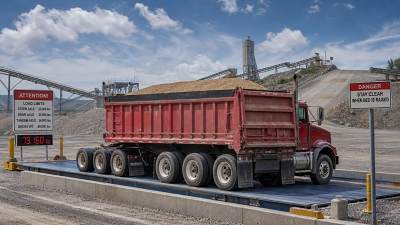
A tipper trailer carrying wet sand may exceed limits even when the body does not look full. That visual mistake is common, especially on busy sites with fast turnaround targets.
- Confirm payload against legal gross weight, axle rating, and body volume before dispatch. A half-hour check prevents overload decisions made from visual judgment alone.
- Match material density to the tipper trailer body size. Gravel, ore, wet soil, and demolition waste can exceed safe weight long before the trailer looks full.
- Review load position, not only total mass. Uneven front, rear, or side loading increases axle stress, braking instability, and rollover risk during turns or unloading.
- Compare actual site conditions with manufacturer data. Payload ratings may change with suspension type, tire specification, body material, and chassis combination.
The first weak point is usually load distribution
Even when a tipper trailer stays within nominal payload, poor distribution can overload one axle group. It also shifts the center of gravity and changes braking balance.
This becomes more serious on uneven roads, ramps, or tight site entrances. A small side bias can become a rollover trigger during lifting.
What to inspect before loading and before tipping
Good control starts with a short and repeatable inspection. The aim is to catch the conditions that turn a normal payload into a safety event.
- Check the chassis, subframe, hinge area, and body floor for cracks, distortion, or loose fasteners. Small structural damage grows quickly under repeated overload cycles.
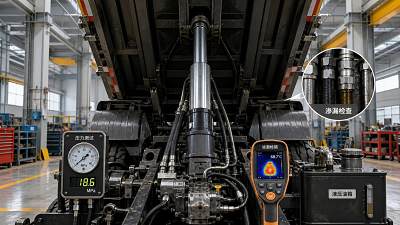
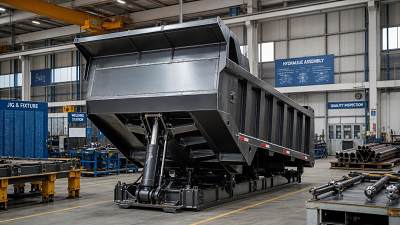
- Inspect hydraulic cylinders, hoses, seals, and mounting points before unloading. Leakage or misalignment during body lift can cause sudden instability or incomplete discharge.
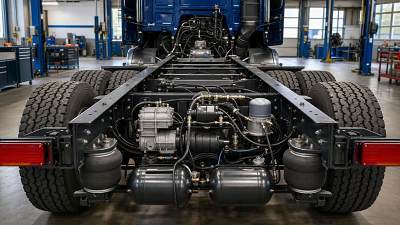
- Verify tire condition and pressure on every axle. Underinflated tires hide overload symptoms at first, then raise heat, sway, and braking failure risks.
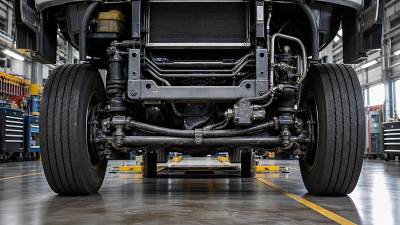
- Test brake response, lights, and suspension condition before release. Payload safety depends on stopping performance as much as on the tipper trailer body strength.
- Confirm the unloading ground is level, firm, and clear. A safe tipper trailer can still roll if the dumping surface is soft or sloped.
One common miss: material that sticks during dumping
Clay, wet aggregate, and mixed waste do not always slide out evenly. When material hangs on one side, the raised tipper trailer body becomes unstable very quickly.
That is why body liners, internal cleanliness, and discharge behavior deserve attention during routine inspections, not only after an incident.
Where overload creates the biggest safety risks
Overloading does more than shorten equipment life. It changes how the whole vehicle behaves under braking, cornering, and body lifting, often without obvious warning signs.
Brake stress is often underestimated
A tipper trailer may still move normally when overloaded, so teams assume it is safe enough. The real problem appears during emergency braking or long downhill travel.
Excess weight raises stopping distance and heat load. If the route includes repeated stops or steep grades, the safety margin disappears much faster than expected.
What works on construction sites, mines, and highway routes
On construction sites, the biggest issue is usually speed. Loads are often made by excavator operators working to volume, not exact weight, so the tipper trailer gets inconsistent payloads.
A simple rule helps here: define bucket counts by material type and verify them against weighbridge data every shift. That keeps loading decisions tied to real numbers.
In mining support work, dense material causes the opposite problem. The tipper trailer may appear underfilled, but axle loads can already be over the limit.
For this setting, axle-by-axle checks matter more than visual body fill. Suspension, tire selection, and body wear should also be tracked more frequently.
On highway routes, the load may be legal at dispatch but still become unsafe if the route includes rough pavement, side wind, and repeated lane changes.
That is why route-specific operating limits are useful. A tipper trailer that works safely in a quarry may need a lower working payload on public roads.
Simple actions that prevent repeated payload mistakes
The most effective controls are usually simple, visible, and easy to repeat. They should help teams make better decisions without slowing daily operations too much.
- Set material-specific loading limits and post them at loading points. The same tipper trailer needs different fill rules for ore, sand, soil, and scrap.
- Use a short payload record for each trip, including estimated weight, route type, and unloading condition. Patterns appear quickly when incidents are tracked consistently.
- Create stop-work triggers for leaning bodies, sticking loads, hydraulic hesitation, or visible tire deflection. These signs often appear before major tipper trailer failure.
- Review supplier documents carefully when sourcing equipment or parts. Through the Global Heavy Truck Industry Platform, teams can compare axle ratings, body designs, and component data more efficiently.
- Audit payload control using real site data, not assumptions. Weighbridge records, maintenance history, and near-miss reports reveal whether the tipper trailer process actually works.
Supplier data should support field control
When replacing trailers, axles, suspensions, or hydraulic parts, technical data must match real duty conditions. A specification sheet is useful only if it reflects route, material, and tipping frequency.
This is where an industry platform adds value. The Global Heavy Truck Industry Platform brings together product listings, supplier comparisons, and industry insights that help confirm whether a tipper trailer setup fits actual operating demands.
A practical way to decide the next step
If payload issues happen often, start with three checks: actual weight, actual load distribution, and actual unloading ground conditions. Those three factors explain most tipper trailer safety problems.
Then review whether the trailer specification truly matches the job. If not, stronger axles, better body design, different tires, or revised payload rules may be the safer answer.
A reliable tipper trailer operation is not built on one inspection alone. It comes from consistent limits, honest records, and equipment choices based on real field conditions.
When those controls are in place, transport stays productive without pushing safety into the background. That is the point where a tipper trailer supports performance instead of creating preventable risk.
Trending News
- How order size affects wholesale pricing for cement mixer trucks
- Commercial Vehicle Leaders Hold Firm in Q1–Q3 2026 Automotive Influence Index
- How to choose a refrigerated truck for multi-stop urban deliveries
- Tata Motors Returns to Q2 Profit on Strong Commercial Vehicle Demand
- How to load an excavator onto a lowbed trailer without tipping
Tag
Recommended News
 FAQHow to spot early signs of truck hydraulic system failureTruck hydraulic system issues rarely start with total failure. Learn the early signs—pressure loss, noise, leaks, heat, and jerky movement—to prevent downtime and costly repairs.
 FAQHow to Diagnose Common Truck Steering System Problems Before They Cause DowntimeTruck steering system problems can cause costly downtime. Learn how to spot early warning signs, diagnose faults fast, and keep fleets safe and reliable.
 FAQTruck Air System Problems: Common Failure Points and FixesTruck air system problems can start with slow pressure build, leaks, or moisture. Learn common failure points, practical fixes, and how to improve truck uptime and safety.
 FAQExcavator Parts Failure Signs You Should Not IgnoreExcavator parts warning signs often start small. Learn how to spot wear, hydraulic weakness, overheating, and undercarriage damage early to reduce downtime and avoid costly shutdowns.
 FAQTruck Axle Failure Signs and Maintenance Checks That MatterTruck axle warning signs often start with heat, noise, leaks, or uneven tire wear. Learn the key maintenance checks that prevent costly downtime and unsafe failures.
 FAQTruck Wing Loading Problems and How to Prevent DowntimeTruck wing loading problems often start with small daily errors. Learn practical checks, route-based prevention tips, and smart maintenance steps to cut downtime and keep deliveries moving.
 FAQTruck Cement Delivery Problems: Common Causes and Practical FixesTruck cement delivery problems can cause blockages, delays, and waste. Learn the common causes, practical fixes, and smart checks to improve reliability and reduce downtime.
 FAQTruck Refrigerated Unit Failures That Increase Cargo Loss RiskTruck refrigerated failures can quietly raise cargo loss risk. Learn how route type, heat, airflow, seals, and parts planning affect cold-chain reliability.
 FAQTruck Transmission Problems: Early Signs, Causes, and Fix OptionsTruck transmission issues can start with subtle shifts, slipping, or heat buildup. Learn early signs, key causes, and practical repair or rebuild options for every duty cycle.
 FAQTruck Pump Troubleshooting: Common Pressure Loss Causes and FixesTruck pump troubleshooting guide: discover common pressure loss causes, warning signs, and practical fixes to restore hydraulic performance, reduce downtime, and prevent repeat failures.
 FAQHow to Evaluate a Truck Cement Supplier for Delivery RiskTruck cement supplier evaluation starts with delivery risk. Learn how to assess capacity, logistics control, export readiness, and on-time performance before you place an order.
 FAQExcavator Bucket Sizes Explained for Trenching, Loading, and Rock WorkExcavator bucket size affects trenching accuracy, loading speed, and rock work durability. Learn how to choose the right excavator bucket for better productivity and lower wear.
 FAQTruck Battery Problems: Signs, Causes, and FixesTruck battery problems can lead to breakdowns and costly delays. Learn the key warning signs, main causes, and practical fixes to keep heavy trucks reliable and on the road.
 FAQTipper Trailer Payload Limits and Safety RisksTipper trailer payload limits affect braking, stability, and rollover risk. Learn practical safety checks, load control tips, and ways to reduce costly overload damage.
 FAQHow to Qualify a Truck Tipper Supplier for Safety and Build ConsistencyTruck tipper supplier qualification starts with safety. Learn how to assess build consistency, hydraulic reliability, and factory controls to reduce sourcing risk.
 FAQHow to Read a Water Truck Quotation Without Missing Hidden CostsWater truck quotation guide: learn how to spot hidden costs in specs, freight, compliance, spare parts, and warranty so you can compare offers accurately and buy with confidence.
 FAQDelivery Truck Supplier for School Transportation: Safety ChecklistDelivery truck supplier for school transportation: use this safety checklist to compare compliance, braking, visibility, build quality, and supplier reliability before you buy.
 FAQHow ISO Certification Reduces Sourcing Risk in Truck Chassis SupplyHeavy truck chassis manufacturer with ISO certification: discover how certified suppliers reduce sourcing risk, improve traceability, and support safer global truck chassis procurement.
 FAQWater Sprinkler Truck Uses, Tank Sizes, and Road Safety BasicsWater sprinkler truck uses, tank sizes, and road safety basics explained. Learn how to choose the right capacity, improve dust control efficiency, and compare reliable fleet-ready options.
 FAQDelivery Truck for School Transportation: Safety Points Before OrderingDelivery truck supplier for school transportation: review key safety points before ordering, from braking and visibility to compliance and passenger protection.
 FAQDump Truck Sourcing Mistakes That Delay Construction ProjectsDump truck sourcing mistakes can delay construction projects, raise hidden costs, and disrupt site schedules. Learn the key risks to avoid and source smarter for faster, more reliable project delivery.
 FAQIs a Bulldozer for Construction the Right Fit for Your Site ConditionsBulldozer for construction: learn how terrain, soil, slope, and job size determine the right machine fit. Compare site conditions, avoid costly mismatches, and choose with confidence.
 FAQDump Truck OEM Quality Control Points Before Factory AcceptanceDump truck OEM quality control points before factory acceptance: learn the key checks for welding, hydraulics, brakes, and safety to reduce risk, avoid failures, and choose reliable suppliers.
 FAQTruck Trailer Bulk Order: How to Avoid Spec Drift Across BatchesTruck trailer bulk order quality can fail when specs drift across batches. Learn how to lock standards, align suppliers, and protect safety, compliance, and delivery consistency.
 FAQWhat a Dump Truck Distributor Should Offer After Vehicle DeliveryDump truck distributor support matters after delivery. Learn what to expect in spare parts, warranty, training, and technical service to reduce downtime and protect your investment.