Semi Trailer Supplier Checklist for Export Orders
Why a Semi Trailer Supplier Review Matters in Export Orders
Choosing the right semi trailer supplier is a practical business decision, not just a price comparison exercise. In export trade, one weak link can affect delivery, compliance, operating cost, and resale value.
That is why early supplier screening should go beyond brochures and low quotations. A reliable semi trailer supplier needs to prove stable quality, export readiness, and clear after-sales support.
In the land transportation equipment sector, trailer performance is closely tied to freight safety, road compliance, and long-term fleet efficiency. Small details often become expensive problems after shipment.
The Global Heavy Truck Industry Platform helps simplify this process by connecting buyers with verified suppliers, product categories, and industry information across trailers, trucks, construction machinery, and spare parts.
Core Points to Confirm Before Shortlisting
Before comparing multiple offers, it helps to lock in a few non-negotiable checks. This keeps evaluation focused and avoids being distracted by cosmetic differences or aggressive pricing.
- Check whether the semi trailer supplier has real export history in target regions, not just domestic sales experience, because overseas documentation, loading practice, and standards often differ significantly.
- Confirm production scope clearly, including trailer types, axle brands, steel grade, suspension options, and customization ability, so quoted specifications match actual transport needs and operating conditions.
- Ask for factory audit materials, recent inspection reports, and shipment records, because a capable semi trailer supplier should show evidence instead of relying on sales promises alone.
- Review communication speed and technical response quality early, since delayed answers during negotiation usually become bigger issues when drawings, claims, or spare parts are involved later.
- Verify whether the supplier can provide multilingual export documents and clear packing details, which helps reduce customs delay, port confusion, and destination-side clearance risks.
- Check after-sales structure in advance, including spare parts lead time, warranty terms, and escalation contacts, because support quality strongly affects total ownership cost after delivery.
Product Quality Signals That Deserve Extra Attention
A semi trailer supplier may offer attractive photos, but export decisions should rest on measurable details. Structural quality, component sourcing, and consistency matter much more than appearance.
Frame, welding, and materials
Start with the trailer frame. Ask about main beam design, steel source, thickness tolerance, welding method, and anti-corrosion treatment. These points directly affect durability on rough roads and heavy loads.
If the application includes mining haulage, infrastructure work, or cross-border logistics, request load case examples from similar markets. A good semi trailer supplier can explain why one structure suits one route better than another.
Axles, suspension, tires, and braking
Do not treat running gear as a minor detail. Brake systems, axle brands, suspension layout, and tire selection affect maintenance intervals, stability, and local parts availability.
Some suppliers lower price by switching hidden components. So every quote should list brand, model, and origin for critical parts. If anything is marked “equivalent,” ask for exact alternatives.
Build consistency
One strong sample unit does not guarantee stable batch quality. The right semi trailer supplier should show process control, not just a single polished trailer for showroom use.
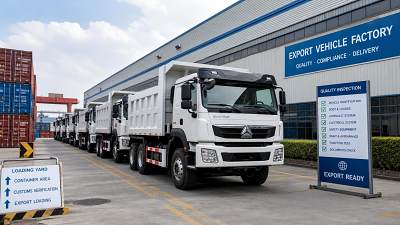
- Request inspection checkpoints from raw material intake to final assembly, because stable production quality depends on repeatable controls rather than final-stage cosmetic correction.
- Ask for batch photos or videos from recent export orders, which can reveal consistency in welding finish, paint application, component installation, and loading preparation.
- Confirm whether third-party inspection is accepted before shipment, since transparent suppliers usually support objective checks when order value or technical requirements are high.
Documentation and Trade Readiness
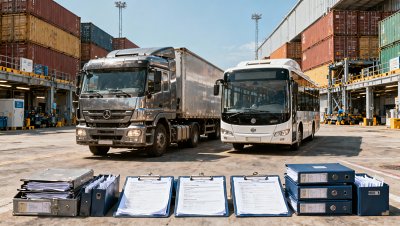
Export problems often come from paperwork, not production. A semi trailer supplier that builds acceptable products can still create costly delays if documents are incomplete or inconsistent.
It also helps to compare document samples before placing the order. This is a quick way to judge how organized a semi trailer supplier really is.
When Price Looks Good but Risk Is Hiding
Low prices are not always a warning sign, but they should trigger deeper questions. In export procurement, hidden cost often appears in rework, delays, claims, and spare parts shortages.
A common issue is incomplete quotations. The trailer seems cheaper, but paint standard, electrical system, landing gear, tire brand, or toolbox configuration is downgraded quietly.
Another overlooked point is shipping configuration. Some units are quoted without clear loading method, resulting in extra port handling or unexpected freight cost later.
- Compare total landed cost, not unit price only, including inland transport, packing, port fees, inspection, spare parts, and post-arrival adjustment expenses.
- Ask the semi trailer supplier to freeze specification details in the contract, so unapproved substitutions cannot be justified later as “standard factory adjustment.”
- Review payment milestones against production and inspection stages, because balanced terms reduce financial exposure when delivery schedules slip or technical issues appear.
Different Export Situations Need Different Checks
For standard logistics trailers
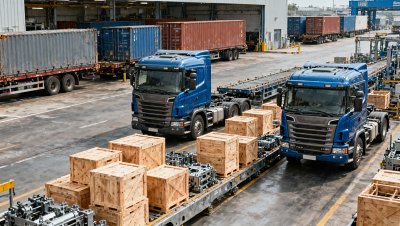
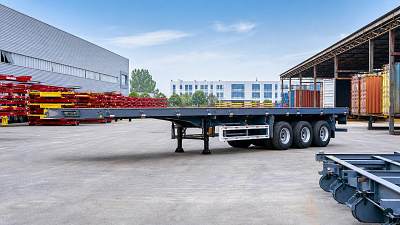
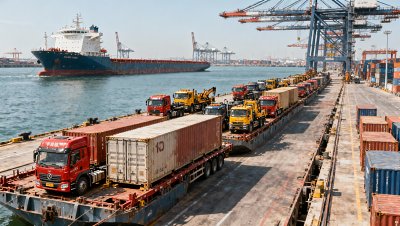
When the order is for container transport, flatbed work, or regional freight distribution, consistency and maintenance simplicity usually matter more than extreme customization.
In this case, the best semi trailer supplier is often the one with repeatable quality, stable component sourcing, and clear spare parts availability in the destination market.
For heavy-duty or rough-road operations
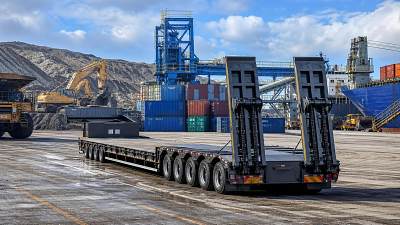
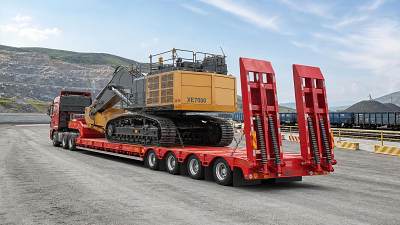
Projects involving mining, construction material hauling, or remote infrastructure transport need more than a basic specification review. Road conditions and overloading risk should be discussed openly.
Here, ask the semi trailer supplier for reinforcement logic, fatigue-prone areas, and previous field use in comparable conditions. Real operating evidence is more useful than generic load ratings.
For first-time cross-border cooperation
New supplier relationships deserve a slower start. It is usually safer to begin with a smaller trial order, tighter inspection terms, and very clear document requirements.
The Global Heavy Truck Industry Platform can support this stage by helping identify suppliers across trailers, truck systems, and related components, while also providing market insight for better comparison.
A Practical Evaluation Sequence
A structured review process makes it easier to compare more than one semi trailer supplier fairly. It also reduces the chance of missing a critical issue under time pressure.
- Define operating use, load profile, road conditions, and destination compliance needs before asking for quotations.
- Shortlist suppliers based on export history, product focus, and documentation capability.
- Request detailed offers with component brands, dimensions, materials, and commercial terms clearly written.
- Review samples, inspection evidence, and factory responsiveness.
- Lock specifications, inspection rules, spare parts lists, and shipping details into the final contract.
This order of work sounds simple, but it keeps cost control tied to technical reality. That is exactly where many export orders go off track.
Final Buying Direction
The right semi trailer supplier is usually not the one with the lowest first quote. It is the one that can deliver consistent product quality, clean export documentation, and reliable support after shipment.
In the land transportation equipment market, practical verification always beats assumptions. Use product data, inspection evidence, and trade readiness as the real decision base.
If comparison becomes difficult, narrow the review to three questions: Can this semi trailer supplier build the right unit, ship it correctly, and support it after arrival? That simple filter removes a lot of noise.
With access to supplier resources, industry categories, and market information through the Global Heavy Truck Industry Platform, the next step is to turn evaluation into a shorter, smarter shortlist backed by evidence.
Tag
Recommended News
 Truck ExportVietnam Tightens Used Commercial Vehicle Import FilesVietnam tightens used commercial vehicle import files with stricter emissions and maintenance records. Learn the new compliance risks, customs impact, and trade planning steps now.
 Truck ExportChina Expands Single-Form Multimodal Customs ModelChina Expands Single-Form Multimodal Customs Model: learn how one-form customs clearance for sea, rail, and road exports can streamline vehicle and KD parts shipments and improve delivery planning.
 Truck ExportUS Extends 25% Tariff on China Heavy Truck KD KitsUS extends 25% tariff on China heavy truck KD kits through 2027. See which modules may qualify for exemptions, what stays fully taxed, and how to adjust sourcing and U.S. assembly plans.
 Truck ExportLow Bed Trailer Export for Mining: Key Specs and Shipping RisksLow bed trailer export for mining: learn key specs, shipping risks, and practical checks to avoid delays, cut project risk, and choose the right trailer with confidence.
 Truck ExportUS Truck Tariff Stays in Place, KD Plants Become Key RouteUS truck tariff stays in place through 2026, pushing KD plants to the forefront. Learn how truck tariffs, localized assembly, parts sourcing, and service networks are reshaping market access.
 Truck ExportHow to Evaluate Low Bed Trailer Export Options for Mining ProjectsLow bed trailer export for mining requires more than a low quote. Learn how to compare capacity, compliance, route fit, and supplier support for safer, smarter project delivery.
 Truck ExportRCEP Rule Update Ties ASEAN Tariff-Free Trailer Exports to 45% RVCRCEP rule update reshapes ASEAN tariff-free trailer exports: semi-trailers now need 45% RVC and compliant local processing value. Learn what exporters must do to secure zero-tariff access.
 Truck ExportDump Truck Exporter Checklist: Cost, Compliance, Lead TimeDump truck exporter checklist covering total cost, compliance, factory strength, lead time, and after-sales support. Compare suppliers smarter and reduce sourcing risk.
 Truck ExportChina Customs Rolls Out Single-Bill Multimodal ClearanceChina Customs rolls out single-bill multimodal clearance nationwide, helping heavy truck and vehicle exporters cut clearance time, reduce logistics costs, and improve delivery planning.
 Truck ExportChina Customs Rolls Out Single-Document Intermodal ClearanceChina Customs single-document intermodal clearance is now live in 45 cities, helping heavy truck and construction machinery exporters cut duplicate declarations, speed export clearance, and plan deliveries with more confidence.
 Truck ExportTruck Tipper Exporter: 7 Cost Risks to Review Before OrderingTruck tipper exporter selection goes beyond price. Discover 7 hidden cost risks that affect freight, compliance, quality, uptime, and long-term supply before you order.
 Truck ExportHeavy Equipment Export for Mining Operations: Cost and Delivery RisksHeavy equipment export for mining operations: uncover hidden landed costs, delivery risks, supplier gaps, and practical ways to protect mining project timelines and budgets.
 Truck ExportChina Customs Rolls Out Single-Document Multimodal Export ClearanceChina Customs rolls out single-document multimodal export clearance, cutting repeated inspections and speeding heavy truck exports. See how it can reduce delays, costs, and delivery uncertainty.
 Truck ExportVietnam Drafts 15% Green Surcharge on Used ImportsVietnam drafts a 15% green surcharge on used imports of older trucks and buses. Learn how Euro 5 rules may reshape sourcing, compliance, and fleet planning.
![]() Truck ExportWhat to Check Before Choosing a Dump Truck Supplier in BrazilLooking for a dump truck supplier in Brazil? Learn the key checks on quality, delivery, compliance, parts support, and total cost to choose a reliable partner with confidence.
Truck ExportWhat to Check Before Choosing a Dump Truck Supplier in BrazilLooking for a dump truck supplier in Brazil? Learn the key checks on quality, delivery, compliance, parts support, and total cost to choose a reliable partner with confidence. Truck ExportTIR Road Freight Expansion Opens China-Central Asia-Russia Truck RouteTIR road freight expansion opens a faster China-Central Asia-Russia truck route, cutting sea transit by 12–18 days and reshaping vehicle export planning, procurement, and delivery execution.
 Truck ExportChina Pilots Single-Document Multimodal Customs for Truck ExportsChina Pilots Single-Document Multimodal Customs for Truck Exports: learn how the new pilot can speed truck chassis filings, cut delays, and lower compliance costs for global buyers.
 Truck ExportEast Corridor Rail Volume Tops 3,000, Lifting Truck Export ReliabilityEast Corridor rail volume tops 3,000, boosting China-Europe Railway Express reliability for truck export, chassis and parts delivery. Explore how steadier routes and smoother customs can improve Europe-bound logistics planning.
 Truck ExportSemi Trailer Supplier Checklist for Export OrdersSemi trailer supplier checklist for export orders: verify quality, documents, pricing risks, and after-sales support to choose a reliable partner and avoid costly delays.
 Truck ExportDalian–Middle East Route Opens for Truck ExportsDalian–Middle East Route Opens for Truck Exports: explore a new direct option for heavy-duty trucks, special vehicles, and KD kits with more flexible multimodal delivery planning.
 Truck ExportTruck Tipper Distributor Selection: Margin, Support, TerritoryTruck tipper distributor selection starts with margin, after-sales support, and territory protection. Learn how to compare suppliers, reduce risk, and choose a profitable long-term partner.
 Truck ExportDump Truck Exporter Checklist: Cost, Lead Time, ComplianceDump truck exporter checklist covering total landed cost, realistic lead time, and compliance essentials. Compare suppliers smarter, reduce delivery risk, and source with confidence.
 Truck ExportChina’s Zero-Tariff Move Cuts Africa Truck Import CostsChina’s Zero-Tariff Move Cuts Africa Truck Import Costs. Learn how lower duties on trucks, chassis, axles, and braking systems may reshape African sourcing, pricing, and delivery plans.
![]() Truck ExportWhat to Check Before Choosing a Truck Tipper ExporterTruck tipper exporter selection starts with the right checks. Learn how to compare quality, compliance, customization, and after-sales support before placing an order.
Truck ExportWhat to Check Before Choosing a Truck Tipper ExporterTruck tipper exporter selection starts with the right checks. Learn how to compare quality, compliance, customization, and after-sales support before placing an order. Truck ExportChina Opens U.S. Trade Barrier Probe on Green RulesChina Opens U.S. Trade Barrier Probe on Green Rules: discover how this China-U.S. trade review could affect new energy heavy-duty truck batteries, electronic control systems, compliance, and export market access.