China Pilots Single-Document Multimodal Customs for Truck Exports
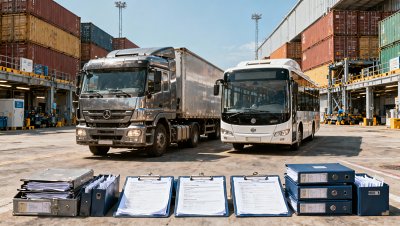
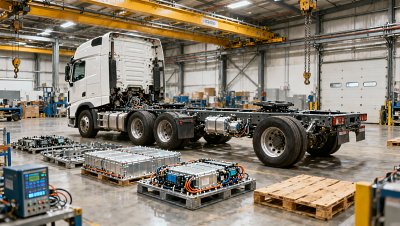
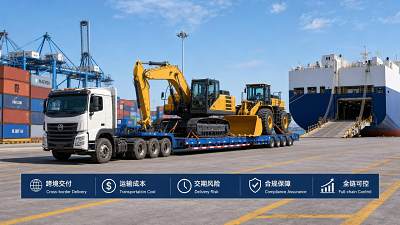
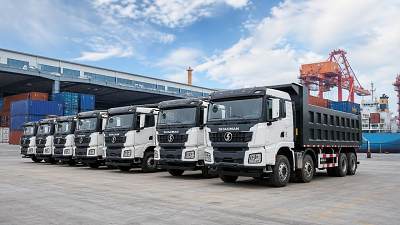
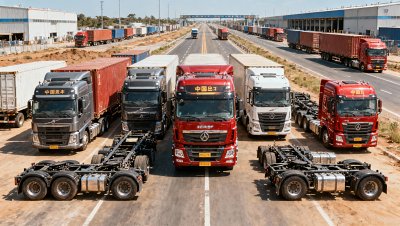
On April 28, 2026, the latest policy signal from China’s customs system drew attention across cross-border logistics and commercial vehicle export chains. Starting in April 2026, the General Administration of Customs, together with the Ministry of Transport and other authorities, began a nationwide pilot of a single-document customs supervision model for multimodal transport. For exporters of truck chassis, special-purpose vehicles, and other road transport equipment, the change matters because it shortens declaration and inspection procedures and may reduce waiting time and compliance costs for overseas importers.
What the pilot changes in actual filing procedures
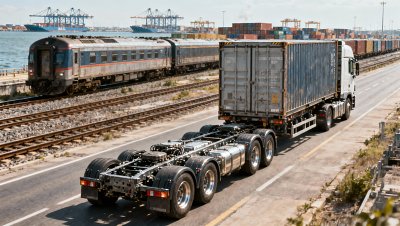
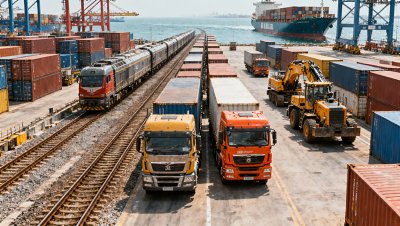
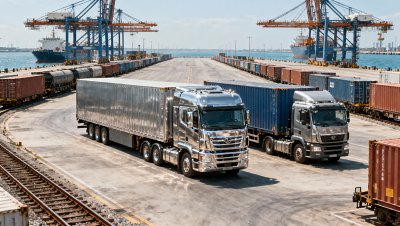
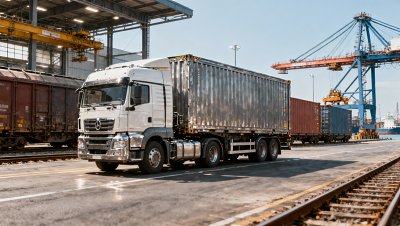
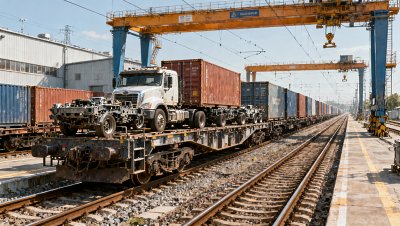
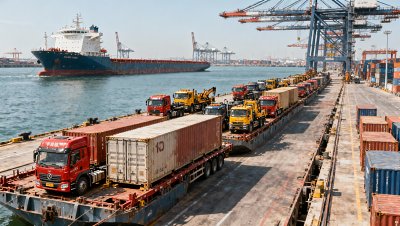
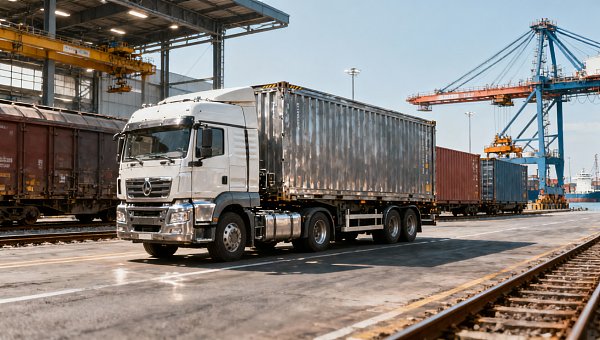
According to the provided information, companies can now submit one multimodal transport application through the International Trade Single Window to complete customs clearance procedures for the full journey under rail-road and sea-rail transport arrangements. This replaces the traditional customs transit form in the pilot model. The policy is described as significantly shortening the declaration and inspection cycle for exports such as truck chassis and special-purpose vehicles, with filing efficiency for cross-border truck and chassis exports improving by 40%.
The same information also states that the new arrangement directly lowers customs clearance waiting time and compliance costs for overseas importers.
Where the immediate impact is likely to be felt
Exporters handling vehicle and chassis shipments
From an industry perspective, exporters are the most directly affected group because the policy changes how multimodal customs formalities are submitted and processed. The main impact is likely to appear in export declaration timing, document preparation, and inspection coordination for truck chassis, special-purpose vehicles, and related road transport equipment.
What deserves closer attention is whether internal export documentation, booking arrangements, and shipment schedules are aligned with the new single-document process in the pilot framework.
Logistics and supply chain service providers coordinating multimodal moves
Analysis shows that service providers involved in rail-road and sea-rail transport may see the clearest operational change, since the new model is built around through-process customs handling rather than separate steps tied to older transit documentation. The business effect is likely to center on handover efficiency, document consistency, and coordination across different transport legs.
They should pay close attention to how filing responsibilities, document accuracy, and customs coordination are managed through the International Trade Single Window.
Overseas importers waiting for inbound clearance
Observably, overseas buyers are affected not because the policy changes their own local import rules, but because faster export-side declaration and inspection can reduce waiting time before goods arrive for downstream clearance. The provided information specifically points to lower waiting time and compliance costs for overseas importers.
For buyers, the key issue is whether delivery communication, customs preparation, and receiving schedules can be adjusted to benefit from a shorter export-side cycle.
What companies should monitor as the pilot moves forward
How official wording translates into day-to-day operations
It is more appropriate to understand the current announcement as a policy framework already entering pilot implementation, rather than as proof that every shipment scenario will immediately operate the same way. Companies should continue tracking how the single-document model is applied in actual export workflows and whether process details vary by transport combination.
Whether target product categories are clearly covered
The provided information explicitly highlights truck chassis, special-purpose vehicles, and other road transport equipment. Exporters in these categories should review whether their current shipment structures, supporting documents, and inspection preparation match the pilot mechanism and whether any product-specific filing details need closer verification.
Document readiness and coordination with service partners
Because the new model centers on one multimodal application submitted through the International Trade Single Window, companies should focus on document completeness, consistency across transport stages, and communication with logistics partners. In practice, this is less about broad management concepts and more about reducing avoidable mismatches that could slow filing despite a simplified framework.
Customer communication on lead times and compliance expectations
For exporters and supply chain teams, a practical point is how to explain the policy’s effect to overseas customers. While the provided information indicates shorter procedures and lower compliance costs, businesses should communicate carefully and distinguish between the policy direction and shipment-by-shipment execution results.
Why this looks like more than a routine filing adjustment
Analysis shows that the significance of this development lies in process integration rather than in a simple reduction of paperwork. A single-document multimodal customs model suggests a stronger policy push toward connecting different transport legs within one clearance logic. That matters for industries moving bulky, regulated, or schedule-sensitive equipment, because procedural fragmentation has often been a source of delay.
At the same time, it is more appropriate to understand this as a meaningful operational signal rather than a final industry outcome. The pilot is already underway, but the lasting effect on export efficiency will still depend on how consistently the model is implemented in real business flows.
How to read the current signal
For the industry, this update is best read as a practical customs facilitation measure with direct relevance to commercial vehicle and chassis exports. The confirmed facts point to a simpler filing path, shorter declaration and inspection cycles, and potential cost and time benefits for overseas importers. A neutral reading is that the policy already has clear operational intent, while its broader and longer-term effect still merits continued observation as the pilot develops.
Basis of this report and what still needs verification
This article is based on the user-provided news title, event date, and event summary. For developments of this kind, source types typically associated with verification may include official notices, industry authority releases, enterprise disclosures, association updates, and reporting by authoritative media. A specific official source link was not provided in the input, so further verification remains necessary.
What deserves continued attention is how the pilot scope evolves, how the single-document process is described in subsequent official language, and how consistently the model is adopted in actual multimodal export operations.
Tag
Recommended News
 Truck ExportVietnam Tightens Used Commercial Vehicle Import FilesVietnam tightens used commercial vehicle import files with stricter emissions and maintenance records. Learn the new compliance risks, customs impact, and trade planning steps now.
 Truck ExportChina Expands Single-Form Multimodal Customs ModelChina Expands Single-Form Multimodal Customs Model: learn how one-form customs clearance for sea, rail, and road exports can streamline vehicle and KD parts shipments and improve delivery planning.
 Truck ExportUS Extends 25% Tariff on China Heavy Truck KD KitsUS extends 25% tariff on China heavy truck KD kits through 2027. See which modules may qualify for exemptions, what stays fully taxed, and how to adjust sourcing and U.S. assembly plans.
 Truck ExportLow Bed Trailer Export for Mining: Key Specs and Shipping RisksLow bed trailer export for mining: learn key specs, shipping risks, and practical checks to avoid delays, cut project risk, and choose the right trailer with confidence.
 Truck ExportUS Truck Tariff Stays in Place, KD Plants Become Key RouteUS truck tariff stays in place through 2026, pushing KD plants to the forefront. Learn how truck tariffs, localized assembly, parts sourcing, and service networks are reshaping market access.
 Truck ExportHow to Evaluate Low Bed Trailer Export Options for Mining ProjectsLow bed trailer export for mining requires more than a low quote. Learn how to compare capacity, compliance, route fit, and supplier support for safer, smarter project delivery.
 Truck ExportRCEP Rule Update Ties ASEAN Tariff-Free Trailer Exports to 45% RVCRCEP rule update reshapes ASEAN tariff-free trailer exports: semi-trailers now need 45% RVC and compliant local processing value. Learn what exporters must do to secure zero-tariff access.
 Truck ExportDump Truck Exporter Checklist: Cost, Compliance, Lead TimeDump truck exporter checklist covering total cost, compliance, factory strength, lead time, and after-sales support. Compare suppliers smarter and reduce sourcing risk.
 Truck ExportChina Customs Rolls Out Single-Bill Multimodal ClearanceChina Customs rolls out single-bill multimodal clearance nationwide, helping heavy truck and vehicle exporters cut clearance time, reduce logistics costs, and improve delivery planning.
 Truck ExportChina Customs Rolls Out Single-Document Intermodal ClearanceChina Customs single-document intermodal clearance is now live in 45 cities, helping heavy truck and construction machinery exporters cut duplicate declarations, speed export clearance, and plan deliveries with more confidence.
 Truck ExportTruck Tipper Exporter: 7 Cost Risks to Review Before OrderingTruck tipper exporter selection goes beyond price. Discover 7 hidden cost risks that affect freight, compliance, quality, uptime, and long-term supply before you order.
 Truck ExportHeavy Equipment Export for Mining Operations: Cost and Delivery RisksHeavy equipment export for mining operations: uncover hidden landed costs, delivery risks, supplier gaps, and practical ways to protect mining project timelines and budgets.
 Truck ExportChina Customs Rolls Out Single-Document Multimodal Export ClearanceChina Customs rolls out single-document multimodal export clearance, cutting repeated inspections and speeding heavy truck exports. See how it can reduce delays, costs, and delivery uncertainty.
 Truck ExportVietnam Drafts 15% Green Surcharge on Used ImportsVietnam drafts a 15% green surcharge on used imports of older trucks and buses. Learn how Euro 5 rules may reshape sourcing, compliance, and fleet planning.
![]() Truck ExportWhat to Check Before Choosing a Dump Truck Supplier in BrazilLooking for a dump truck supplier in Brazil? Learn the key checks on quality, delivery, compliance, parts support, and total cost to choose a reliable partner with confidence.
Truck ExportWhat to Check Before Choosing a Dump Truck Supplier in BrazilLooking for a dump truck supplier in Brazil? Learn the key checks on quality, delivery, compliance, parts support, and total cost to choose a reliable partner with confidence. Truck ExportTIR Road Freight Expansion Opens China-Central Asia-Russia Truck RouteTIR road freight expansion opens a faster China-Central Asia-Russia truck route, cutting sea transit by 12–18 days and reshaping vehicle export planning, procurement, and delivery execution.
 Truck ExportChina Pilots Single-Document Multimodal Customs for Truck ExportsChina Pilots Single-Document Multimodal Customs for Truck Exports: learn how the new pilot can speed truck chassis filings, cut delays, and lower compliance costs for global buyers.
 Truck ExportEast Corridor Rail Volume Tops 3,000, Lifting Truck Export ReliabilityEast Corridor rail volume tops 3,000, boosting China-Europe Railway Express reliability for truck export, chassis and parts delivery. Explore how steadier routes and smoother customs can improve Europe-bound logistics planning.
 Truck ExportSemi Trailer Supplier Checklist for Export OrdersSemi trailer supplier checklist for export orders: verify quality, documents, pricing risks, and after-sales support to choose a reliable partner and avoid costly delays.
 Truck ExportDalian–Middle East Route Opens for Truck ExportsDalian–Middle East Route Opens for Truck Exports: explore a new direct option for heavy-duty trucks, special vehicles, and KD kits with more flexible multimodal delivery planning.
 Truck ExportTruck Tipper Distributor Selection: Margin, Support, TerritoryTruck tipper distributor selection starts with margin, after-sales support, and territory protection. Learn how to compare suppliers, reduce risk, and choose a profitable long-term partner.
 Truck ExportDump Truck Exporter Checklist: Cost, Lead Time, ComplianceDump truck exporter checklist covering total landed cost, realistic lead time, and compliance essentials. Compare suppliers smarter, reduce delivery risk, and source with confidence.
 Truck ExportChina’s Zero-Tariff Move Cuts Africa Truck Import CostsChina’s Zero-Tariff Move Cuts Africa Truck Import Costs. Learn how lower duties on trucks, chassis, axles, and braking systems may reshape African sourcing, pricing, and delivery plans.
![]() Truck ExportWhat to Check Before Choosing a Truck Tipper ExporterTruck tipper exporter selection starts with the right checks. Learn how to compare quality, compliance, customization, and after-sales support before placing an order.
Truck ExportWhat to Check Before Choosing a Truck Tipper ExporterTruck tipper exporter selection starts with the right checks. Learn how to compare quality, compliance, customization, and after-sales support before placing an order. Truck ExportChina Opens U.S. Trade Barrier Probe on Green RulesChina Opens U.S. Trade Barrier Probe on Green Rules: discover how this China-U.S. trade review could affect new energy heavy-duty truck batteries, electronic control systems, compliance, and export market access.